
In today’s digital landscape, a staggering 94% of a website’s first impressions are design-related. This highlights the critical role that visual design plays in shaping user experience. As businesses in Qatar and globally strive to create digital products that captivate and retain users, the importance of optimizing graphic UX cannot be overstated.
We understand that effective design goes beyond mere aesthetics; it encompasses the thoughtful integration of visual elements that enhance user interaction and overall experience. By merging the principles of design with a deep understanding of user needs, we empower businesses to drive engagement, retention, and conversion rates.
Key Takeaways
- Understanding the distinction between traditional graphic design and UX-focused design approaches.
- The impact of optimized graphic UX on key business metrics and user satisfaction.
- Essential tools and skills needed to master graphic UX for business growth.
- The role of visual design in shaping user experience and driving engagement.
- Strategies for implementing effective graphic UX optimization.
Understanding Graphic UX and Its Importance
As we dive into the world of digital design, understanding the concept of Graphic UX becomes crucial for creating engaging user experiences. Graphic UX represents the intersection of visual aesthetics and functional user experience, combining the artistic elements of graphic design with the user-centered approach of UX design.
What is Graphic UX?
Graphic UX is about creating visual systems that not only look appealing but also guide users intuitively through digital experiences. Unlike traditional graphic design, which focuses primarily on visual appeal, Graphic UX considers how visual elements impact the overall user journey and interaction with digital products. This approach ensures that the design is both aesthetically pleasing and functional.
| Design Aspect | Traditional Graphic Design | Graphic UX |
|---|---|---|
| Focus | Primarily on visual appeal | Visual appeal and user experience |
| Approach | Artistic elements | User-centered approach combining artistic elements |
| Outcome | Aesthetically pleasing designs | Designs that are both aesthetically pleasing and functional |
The Impact of Graphic UX on Digital Growth
The impact of Graphic UX on digital growth is measurable through improved user engagement metrics, reduced bounce rates, and increased conversion rates—all critical factors for businesses seeking digital growth. Research shows that users form opinions about websites within milliseconds based on visual design, making Graphic UX a crucial first touchpoint in the user experience. By investing in Graphic UX, businesses in Qatar’s competitive digital landscape can gain a significant competitive advantage by addressing both aesthetic and functional user needs.
Understanding the distinct roles of graphic designers versus UX designers helps clarify how these disciplines can work together to create cohesive digital experiences. By combining their skills, designers can create visual systems that enhance brand perception, user trust, and the overall content architecture of digital products.
Graphic Design vs. UX Design: Key Differences
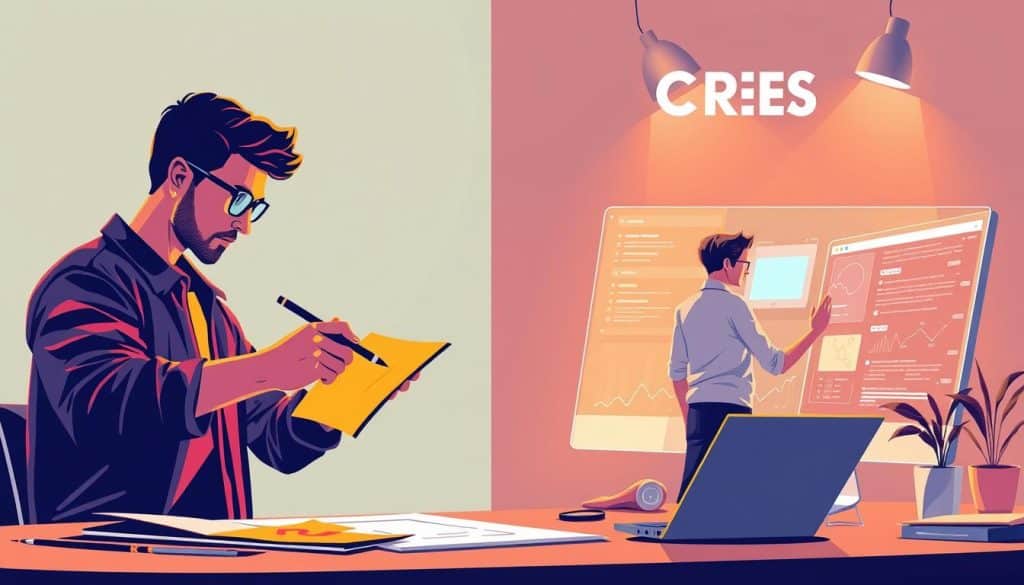
As businesses navigate the complexities of digital growth, distinguishing between graphic design and UX design becomes increasingly important. While both disciplines are crucial for creating effective digital products, they differ significantly in their focus, methodologies, and end goals.
Focus and Scope
Graphic designers primarily focus on visual aesthetics and brand communication, creating visual assets like logos, marketing materials, and brand identity elements. In contrast, UX designers concentrate on the entire user journey, focusing on problem-solving through design. The scope of graphic design is generally limited to the creation of visual elements, whereas UX design encompasses a broader range of activities including research, testing, and iterative improvement of product usability.
Design Approach and Methodology
The design approach for graphic designers often begins with visual concepts and brand guidelines, working towards finished visual products. On the other hand, UX designers start with user needs and information architecture, employing user research, prototyping, and testing methodologies throughout the design process. This fundamental difference in approach reflects the distinct goals of each discipline.
End Goals and Deliverables
Understanding the different deliverables is crucial: graphic designers produce finished visual assets, while UX designers create wireframes, prototypes, user flows, and design systems. For businesses considering which type of designer to hire, it’s essential to clarify how graphic designers and UX designers contribute differently to product development and user interface creation. For more insights, you can explore resources like UX Design vs. Graphic Designer and UX Design Principles.
Essential Elements of Effective Graphic UX
The success of graphic UX lies in its ability to balance aesthetic appeal with user-centered functionality. To achieve this balance, graphic designers rely on several essential elements that combine traditional graphic design principles with modern user-centered methodologies.
Visual Design Principles
Visual design principles form the foundation of effective graphic UX. These principles include hierarchy, balance, contrast, and visual flow, all of which guide users through digital experiences intuitively. Color psychology plays a crucial role in graphic UX, influencing user emotions and behaviors while reinforcing brand identity. For instance, the strategic use of color can draw attention to key elements or create visual harmony. Additionally, typography selection goes beyond aesthetics to address readability, accessibility, and information hierarchy, impacting how users process content.
User-Centered Approach
A user-centered approach differentiates graphic UX from traditional graphic design by prioritizing user needs, behaviors, and preferences throughout the design process. This involves conducting thorough research to understand the target audience and their interactions with the product. By doing so, designers can create designs that serve both aesthetic and functional purposes, addressing actual user needs. For businesses in Qatar looking to optimize their digital presence, adopting a user-centered approach is crucial.
Information Architecture
Effective information architecture in graphic UX creates intuitive navigation systems and content structures that reduce cognitive load for users. This involves organizing content in a logical and accessible manner, making it easier for users to find the information they need. By streamlining the interaction between the user and the product, designers can enhance the overall user experience. For more insights on optimizing digital presence, visit our guide on maximizing ROI with effective web design and SEO.
Top Tools for Graphic UX Optimization
Graphic UX optimization requires a combination of design, research, and testing tools that help designers create effective user experiences.

Graphic Design Software
Graphic design software like Adobe Creative Suite (Photoshop, Illustrator, InDesign) remains fundamental for creating visual assets. These tools enable graphic designers to craft high-quality designs that enhance the user interface.
UX Design Platforms
Modern UX design platforms such as Figma, Sketch, and Adobe XD have revolutionized how designers create, share, and collaborate on graphic UX projects. These platforms offer integrated workflows for the entire design process, facilitating user-centered design.
Prototyping and Testing Tools
Prototyping tools enable designers to transform static designs into interactive mockups that simulate the actual user experience. Usability testing tools help gather critical user feedback through heat maps, session recordings, and user testing sessions, essential for data-driven graphic UX optimization.
Skills Required for Mastering Graphic UX
Mastering graphic UX requires a multifaceted skill set that combines technical proficiency with soft skills and analytical capabilities. As the field continues to evolve, professionals must adapt and expand their skill sets to remain competitive.
Technical Skills for Graphic UX
Technical skills form the foundation of a graphic UX professional’s expertise. Proficiency in design software such as Adobe Creative Suite, particularly Photoshop and Illustrator, is essential. Understanding typography principles, including font selection and text layout, is crucial for creating visually appealing designs. Knowledge of color theory and layout composition helps in crafting engaging user interfaces. Additionally, familiarity with responsive design techniques ensures that designs are adaptable across various devices and screen sizes.
Graphic UX also demands knowledge of interaction design patterns and information architecture principles. Understanding how users interact with digital products and how to structure information for intuitive navigation is vital. Basic knowledge of front-end development concepts can facilitate better collaboration with development teams and enhance the implementation of designs.
| Technical Skill | Description | Importance Level |
|---|---|---|
| Design Software Proficiency | Ability to use tools like Adobe Creative Suite | High |
| Typography Principles | Understanding font selection and text layout | High |
| Color Theory | Knowledge of color selection and application | Medium |
| Responsive Design | Ability to create designs adaptable to different screen sizes | High |
Soft Skills and Communication
While technical skills are crucial, soft skills are equally important for graphic UX professionals. Effective communication with stakeholders, including designers, developers, and project managers, is vital for successful project execution. The ability to collaborate with cross-functional teams ensures that designs meet both user needs and business objectives. Empathy for users is also critical, as it allows designers to create user-centered designs that enhance user experience.
For those looking to transition into graphic UX, leveraging existing skills from graphic design or web development can be beneficial. Understanding the job market and the skills in demand can guide career development and education pathways.
Research and Analytical Abilities
Research skills differentiate exceptional graphic UX designers. The ability to conduct user research, perform usability testing, and translate findings into actionable design decisions is invaluable. Analytical abilities are also necessary for interpreting user behavior data, A/B testing results, and heatmaps to continuously refine and optimize graphic elements of user experiences.
By combining technical proficiency, soft skills, and research and analytical capabilities, graphic UX professionals can deliver high-quality user experiences that meet both brand and user needs. As the demand for skilled graphic UX professionals continues to grow, especially in regions like Qatar, understanding this comprehensive skill set is crucial for both professionals and businesses seeking to excel in the digital landscape.
Transitioning from Graphic Design to UX Design
As a graphic designer, making the switch to UX design can be a strategic career move, leveraging your existing skills while expanding your professional horizons. This transition involves understanding the key differences between graphic design and UX design, and acquiring new skills to complement your existing expertise.
Transferable Skills
Graphic designers possess numerous transferable skills that provide a solid foundation for UX design. These include visual communication principles, design software proficiency, and creative problem-solving abilities. Your understanding of fundamental design principles such as layout, typography, and color theory is particularly valuable. Additionally, soft skills like collaboration, attention to detail, and problem-solving are essential in UX design.
Learning Path and Resources
To transition into UX design, you’ll need to acquire new skills, including user research methodologies, information architecture principles, interaction design patterns, and usability testing techniques. You can explore various learning paths, such as formal education options, self-directed learning resources, online courses, and professional certifications. For instance, CareerFoundry offers comprehensive resources and guidance on transitioning from graphic design to UX design.
Building a UX Portfolio
Creating a strong UX portfolio requires a different approach than graphic design portfolios. You’ll need to document your process, showcase problem-solving abilities, and demonstrate user-centered thinking in your case studies. Highlighting your understanding of UX principles and your ability to apply them in real-world scenarios is crucial. A well-crafted UX portfolio will help you stand out in the job market and demonstrate your value to potential employers.
| Skill | Graphic Design | UX Design |
|---|---|---|
| Visual Communication | High | High |
| User Research | Low | High |
| Interaction Design | Low | High |
| Usability Testing | Low | High |
Conclusion: Choosing the Right Approach for Your Digital Growth
Our journey through the realms of graphic UX has highlighted the importance of integrating visual appeal with user-centered design. As businesses aim to thrive in today’s digital landscape, understanding the synergy between graphic design and UX is essential.
The choice between focusing on graphic design, UX design, or an integrated graphic UX approach depends on specific business goals, target audience, and digital product requirements. For businesses prioritizing brand identity and visual communication, graphic design may take precedence, while those focused on user satisfaction and conversion optimization may lean more heavily toward UX design principles.
We recommend an integrated approach that leverages the strengths of both disciplines—creating visually compelling designs that also deliver intuitive, satisfying user experiences. This approach is reflected in job market trends, with rising salaries for professionals with a combined skill set in graphic and UX design. For businesses in Qatar looking to hire design talent, understanding the distinct value that graphic designers and UX designers bring is crucial.
Investing in graphic UX optimization delivers measurable returns through improved user engagement, reduced support costs, and increased conversion rates. As highlighted in discussions on UX importance, the future of digital design lies in breaking down traditional barriers between graphic design and UX design.
Whether you’re a business leader or a designer, embracing the complementary nature of graphic design and UX design positions you for success. We encourage you to assess your digital presence through both graphic design and UX lenses, identifying opportunities to optimize visual elements that impact the user experience.
FAQ
What is the role of a designer in creating a user-centered product?
We believe that a designer’s primary role is to craft a product that meets the needs and expectations of its users, ensuring an optimal user experience through research, testing, and iteration.
How does information architecture impact the overall user experience?
Information architecture plays a crucial role in organizing content in a way that is easily accessible and understandable, thereby enhancing the overall user experience and facilitating a more intuitive interaction with the product.
What skills are required to master visual design principles?
To excel in visual design, one needs to possess a combination of technical skills, such as proficiency in design software, and a deep understanding of typography, color theory, and other visual elements that contribute to an aesthetically pleasing and effective design.
How can user research inform the design process?
User research provides valuable insights into user behavior, preferences, and pain points, enabling designers to create products that are tailored to their needs, thereby improving the overall user experience and driving business success.
What is the difference between a product’s brand identity and its visual design?
While visual design focuses on the aesthetic aspects of a product, brand identity encompasses the overall personality, tone, and messaging of a brand, with visual design being just one aspect of the broader brand identity.
How do salaries for designers vary based on their skills and experience?
Salaries for designers can vary significantly based on factors such as their level of experience, technical skills, and industry demand, with those possessing specialized skills in areas like UX design and prototyping often commanding higher salaries.
What is the importance of usability testing in the design process?
Usability testing is a critical component of the design process, as it allows designers to validate their design decisions, identify areas for improvement, and ensure that the product meets the needs and expectations of its users.