
Can a beautifully designed website fail to attract visitors if it’s not optimized for search engines? The answer lies in understanding the crucial link between web design and SEO. When it comes to creating a strong online presence, these two elements are interdependent, and their integration is key to maximizing ROI.
We understand that integrating web design and SEO from the beginning is crucial for creating a powerful online presence. Our data-driven approach shows that websites designed with SEO in mind achieve higher rankings and generate more qualified traffic.
By focusing on both aesthetic appeal and search engine visibility, businesses in Qatar can develop websites that serve as powerful marketing tools. For more insights on performance-driven SEO, visit our article on achieving maximum ROI from SEO efforts. Similarly, our expertise in balancing user experience with technical optimization is highlighted in our discussion on creating effective SEO website design solutions.
Key Takeaways
- Integrating web design and SEO from the start maximizes ROI and creates a strong online presence.
- Websites designed with SEO in mind achieve higher search engine rankings.
- A balanced approach to user experience and technical optimization is crucial.
- Effective web design and SEO integration drives sustainable business growth.
- A well-designed website can significantly improve organic traffic and conversion rates.
The Crucial Relationship Between Web Design and SEO
The synergy between web design and SEO is critical for driving traffic, improving user experience, and ultimately, boosting conversions. At its core, effective web design isn’t just about creating an attractive website; it’s about crafting a digital experience that resonates with both users and search engines.
When we design websites for clients, our designers ensure that every element—from fast loading speeds to organized structure, intuitive navigation, and accessibility—is optimized for search engines and users alike. This holistic approach to web design and SEO integration is what sets successful websites apart from the rest.

How Web Design Impacts Search Engine Rankings
Search engines favor websites that provide a seamless user experience. Factors such as intuitive navigation, fast loading times, and mobile responsiveness are crucial. These elements not only enhance user experience but also directly influence how search engines crawl and index your site.
- Websites with clean code and logical information architecture are more likely to be crawled efficiently by search engines.
- Optimized media files and proper heading hierarchy contribute to better search engine rankings.
- User experience metrics, such as bounce rate and time on site, are significant ranking factors.
Why Integrated Approaches Yield Better Results
An integrated approach to web design and SEO ensures that technical SEO elements are incorporated during the design phase, rather than being retrofitted later. This forward-thinking strategy enhances the website’s visibility and performance in search engine results.
By focusing on both users and search engines, businesses can achieve significantly better organic visibility and conversion rates. For a comprehensive guide on implementing SEO strategies, refer to our detailed step-by-step guide on how to do SEO for a.
Essential Elements of Web Design and SEO Integration
Effective web design and SEO integration is crucial for maximizing ROI in today’s digital landscape. We prioritize a holistic approach that combines the best of both worlds to create websites that not only look great but also rank well in search engines.
Mobile-Friendly Design for Better Rankings

Mobile-friendliness is a cornerstone of SEO web design. With over 60% of searches coming from mobile devices, a responsive design is not just an option but a necessity. Google’s mobile-first indexing means that Google predominantly uses the mobile version of the content for indexing and ranking. Our data shows that responsive websites with optimized mobile experiences see up to 70% better engagement metrics and significantly higher conversion rates across all industries.
Site Speed Optimization Techniques
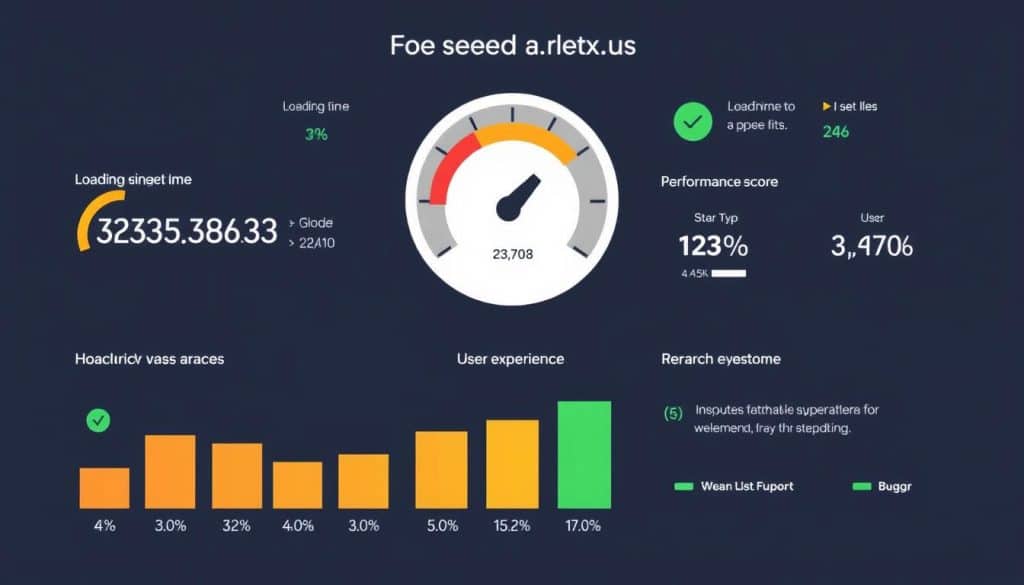
Website speed is a critical SEO factor. Google has confirmed that faster websites rank better. Slow sites harm your rankings and provide a poor user experience. We implement advanced compression techniques, browser caching, and code optimization to ensure your website loads in under 3 seconds, meeting Google’s recommended benchmark for optimal user experience and search engine rankings. For more information on website speed optimization, visit Google’s SEO Starter Guide.
Clear Site Structure and Navigation
Clear site structure and intuitive navigation serve dual purposes: they help search engines understand your content hierarchy while simultaneously improving user experience and reducing bounce rates. Content organization using proper heading tags (H1-H6) and logical page segmentation creates a roadmap for both users and search engines to follow, enhancing both usability and indexability. Our comprehensive approach to web design and SEO integration addresses both visible elements that users interact with and behind-the-scenes technical factors that influence search engine optimization. For professional website design and SEO services in Qatar, consider visiting CRES VIP.
By focusing on these essential elements, businesses can create a strong online presence that drives revenue growth and improves their digital footprint.
Optimizing Visual Elements for SEO Success
The strategic optimization of visual elements can significantly boost your website’s SEO performance. Visual elements such as images, banners, and galleries not only enhance the aesthetic appeal of your site but also play a crucial role in user engagement and search engine rankings.
Image Optimization Best Practices
Optimizing images is a critical step in improving your website’s loading speed and overall user experience. Here are some best practices to follow:
- Compression Techniques: Reducing file sizes without compromising quality is essential. Techniques like using WebP or JPEG compression can reduce file sizes by up to 70%, significantly improving page load times.
- Alt Text and File Naming Strategies: Using descriptive, keyword-rich alt text and file names can improve search engine understanding of image content. For instance, instead of “IMG001.jpg,” use “seo-optimized-web-design.jpg.”
Compression Techniques for Faster Loading
Image compression is vital for reducing the file size of images, thereby improving your site’s loading speed. Tools like TinyPNG or ImageOptim can compress images without visible quality loss. This not only enhances user experience but also contributes to better search engine rankings, as page speed is a ranking factor.
Alt Text and File Naming Strategies
Strategic implementation of alt text and file naming conventions is crucial for SEO. Use descriptive alt tags that include target keywords, and ensure file names are descriptive and separated by hyphens. This practice helps search engines understand the content of the images, improving your site’s visibility in image search results.
Design Elements That Enhance User Experience
Design elements that enhance user experience are not just aesthetically pleasing but also contribute to better SEO outcomes. Elements such as color schemes, typography, and visual hierarchy are selected not just for aesthetic appeal but also for readability and user experience metrics.
- Color Schemes and Typography: Choosing the right color schemes and typography can enhance readability and user engagement. These elements should be selected with both aesthetic appeal and user experience in mind.
- Visual Hierarchy: A well-structured visual hierarchy guides users through your content, improving engagement and reducing bounce rates. This, in turn, can positively impact your search engine rankings.
For more insights on how effective web design and SEO integration can boost your online presence, visit our resource on creating a website with good SEO.
Technical SEO Considerations in Web Design
Technical SEO considerations are fundamental to web design, directly impacting a site’s visibility and performance. At the core of a successful online presence is a website that is both visually appealing and technically optimized for search engines.
Creating SEO-Friendly URLs and Metadata
We craft SEO-friendly URLs that are logical, readable, and incorporate relevant keywords, making it easier for both users and search engines to understand your site’s structure. Metadata optimization is also crucial, as it improves click-through rates from search engine results pages (SERPs) while accurately representing page content.
Our approach to metadata includes crafting compelling, keyword-rich title tags and descriptions that not only enhance search engine rankings but also entice users to click through to your site. By integrating effective SEO strategies, we ensure your website’s foundation supports optimal search engine visibility and performance.
Implementing Schema Markup for Better Visibility
Schema markup implementation is a powerful technique that enhances how search engines interpret your content, potentially unlocking rich results features that increase visibility and drive higher engagement from your target audience. By adding schema markup to your website, you’re providing search engines with additional context about your content, which can lead to enhanced search result listings.
This can include reviews, events, and other rich snippets that make your search result listings more appealing and informative, thereby improving click-through rates and driving more qualified traffic to your site.
Sitemap Creation and Submission
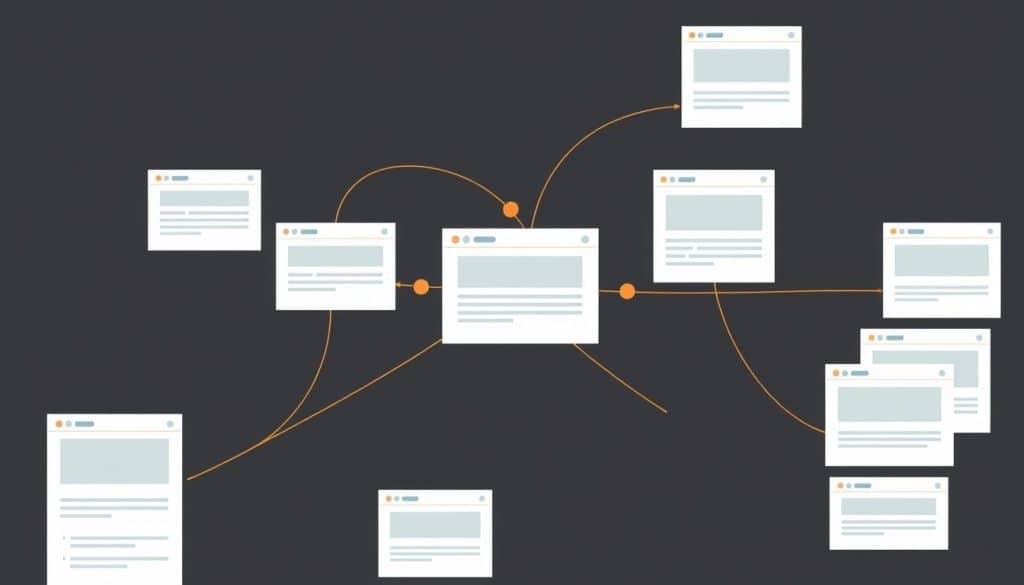
A well-structured sitemap is crucial for SEO, as it guides search engines through your site’s content, ensuring they index all critical pages. We create and submit XML sitemaps to Google Search Console, ensuring your site is crawlable and that search engines can understand your site’s structure.
Our comprehensive sitemap strategy includes both XML sitemaps for search engines and HTML sitemaps for users, enhancing crawlability while providing navigation assistance for website visitors. For businesses targeting multiple markets, we also consider international SEO requirements, implementing hreflang tags and region-specific considerations.
Conclusion: Measuring Success in Web Design and SEO Integration
Effective web design and SEO integration are fundamental to achieving a successful online presence that drives business growth. At the heart of a successful digital strategy lies the understanding that web design and SEO are not separate entities, but complementary disciplines that work together to enhance user experience and search engine visibility.
Our experience has shown that websites designed with SEO integration from the outset achieve first-page rankings 40% faster than those where SEO is an afterthought. We measure the success of integrated web design and SEO through comprehensive data analysis, tracking engagement metrics, conversion rates, and return on investment. This data-driven approach allows us to establish clear baseline metrics and accurately track improvements in both user experience and search engine performance.
The most successful strategies are those that evolve based on data, incorporating insights from user behavior, search algorithm updates, and competitive analysis. Our clients have seen significant benefits, with average improvements of 65% in organic traffic and 43% in conversion rates. The true ROI of effective web design and SEO integration extends beyond website metrics to impact broader business objectives, including brand perception and customer acquisition costs.
By emphasizing the importance of a unified digital marketing strategy that combines web design and SEO, we help businesses in Qatar achieve a competitive edge. Our commitment to measurable results means we establish clear KPIs for every project, ensuring accountability and providing clear evidence of the value delivered to your business.
FAQ
How does a well-designed website impact search engine rankings?
A well-designed website improves search engine rankings by providing a better user experience, increasing engagement, and reducing bounce rates, all of which are key metrics that search engines like Google consider when ranking websites.
What role does mobile-friendliness play in SEO?
Mobile-friendliness is crucial for SEO as it directly affects user experience and search engine rankings. With most users accessing websites through mobile devices, a mobile-friendly design ensures that your website is accessible and usable, leading to better search engine rankings.
How can I optimize my website’s visual elements for SEO?
Optimizing visual elements involves using descriptive alt tags, compressing images to reduce file size, and using schema markup to provide context to search engines. This helps improve page load times and makes your content more accessible to search engines.
What is schema markup, and how does it enhance SEO?
Schema markup is a type of microdata that provides search engines with additional context about your website’s content. By implementing schema markup, you can enhance your website’s visibility in search engine results pages (SERPs) and improve click-through rates.
How often should I update my website’s content to improve SEO?
Regularly updating your website’s content with fresh, high-quality, and relevant information can improve SEO by signaling to search engines that your website is active and deserves crawling and indexing more frequently.
What is the importance of site speed in SEO, and how can I optimize it?
Site speed is a critical factor in SEO as it directly affects user experience and search engine rankings. Optimizing site speed involves techniques such as compressing files, leveraging browser caching, and minimizing HTTP requests to reduce load times.
How does clear site structure and navigation impact SEO?
A clear site structure and navigation improve SEO by making it easier for search engines to crawl and index your website’s content, and for users to find what they’re looking for, reducing bounce rates and improving engagement.