
Can a website truly drive business growth, or is it just a digital placeholder?
In today’s competitive online landscape, a well-crafted web design is crucial for establishing a strong digital presence. We understand that a website’s design directly impacts user engagement and conversion rates, ultimately influencing digital success.
By focusing on both visual appeal and functional performance, we help businesses create websites that captivate their audience and deliver measurable results. Whether you’re a business owner or a designer, understanding the fundamental principles of effective design is key to achieving online success.
Key Takeaways
- Understanding the importance of web design in digital success
- Key principles of effective design for user engagement
- How a well-designed website drives conversion rates
- The role of visual appeal and functional performance in web design
- Essential knowledge for businesses and designers to succeed in Qatar’s digital marketplace
Understanding the Fundamentals of Web Design
Effective web design is key to achieving digital success, and it’s essential to understand its core elements. At its core, web design encompasses various aspects that contribute to a website’s overall user experience and functionality.
What is Web Design?
Web design refers to the process of creating and building websites that are visually appealing, user-friendly, and optimized for search engines. It involves a combination of technical and creative skills to produce a website that effectively communicates a business’s message and meets its online goals. A well-designed website is more than just aesthetics; it’s about creating a seamless user experience that drives engagement and conversions.
Why Web Design Matters for Digital Success
A well-designed website is crucial for digital success, as it serves as the digital storefront for your business, making first impressions that can either attract or repel potential customers. We’ve observed that professionally designed websites generate 67% more leads and conversions than poorly designed alternatives. Strategic web design directly impacts search engine rankings, user engagement metrics, and ultimately your bottom line. For instance, our data shows that users form opinions about websites within 0.05 seconds, highlighting why professional design is critical for digital success. To learn more about optimizing your website for digital growth, visit our resource on web application terminology.
- Professionally designed websites outperform poorly designed ones in terms of lead generation and conversions.
- Your website is your digital storefront, making a crucial first impression on potential customers.
- Strategic web design impacts search engine rankings and user engagement.
The Essential Elements of Web Design
To create a website that truly resonates with its audience, understanding the essential elements of web design is key. These elements are the building blocks that transform a simple website into an engaging and effective digital platform.
Visual Elements: Layout, Shapes, Colors, and Images
Visual elements are the first thing users notice when they land on a website. Layout, shapes, colors, and images work together to create an aesthetically pleasing and user-friendly interface. A well-designed layout guides the user’s eye through the content, while shapes and colors can be used to draw attention to specific areas or to evoke certain emotions. Images, on the other hand, help to convey complex information in a concise manner and can significantly enhance the user experience.
Functional Elements: Navigation and User Interaction
Functional elements are equally crucial as they determine how a website works and how users interact with it. This includes navigation, user interaction, and other interactive features. Effective navigation provides users with a clear and consistent conceptual structure, making it easier for them to find the information they need.
- We design intuitive navigation systems that help users find information quickly, reducing bounce rates and increasing time spent on your website.
- Our functional elements prioritize user interaction through strategically placed call-to-action buttons, forms, and interactive features.
- We implement responsive design principles to ensure your website functions flawlessly across all devices and screen sizes.
By balancing aesthetic appeal with functional performance, we create websites that not only look impressive but also deliver exceptional user experiences.
The Basics in Web Design You Need to Master
Effective web design starts with grasping the essential elements that make a website successful. As we guide you through the process, it’s crucial to understand the foundational principles that drive user engagement and conversion.
Design Principles for Beginners
For those new to web design, understanding the core design principles is vital. One key principle is the use of whitespace to separate design segments, making it easier to read and analyze. Unlike visible lines, whitespace provides a cleaner and more intuitive way to organize content. By applying this principle, you can significantly enhance the user experience on your websites.
Common Web Design Mistakes to Avoid
Even experienced web designers can fall into common pitfalls. Some of the most critical mistakes include:
- Overcrowded layouts that overwhelm users and diminish key messages.
- Inconsistent navigation patterns that create confusion and frustration.
- Poor color contrast that makes text difficult to read, especially for users with visual impairments.
- Neglecting mobile responsiveness, alienating users who access your site via smartphones.
- Prioritizing aesthetics over functionality, hindering user goals.
| Design Element | Common Mistake | Best Practice |
|---|---|---|
| Layout | Overcrowding | Use whitespace effectively |
| Navigation | Inconsistency | Establish a consistent pattern |
| Color Scheme | Poor contrast | Ensure sufficient color contrast |
| Responsiveness | Neglecting mobile | Design for multiple devices |
By understanding and avoiding these common design mistakes, you can create a more effective and user-friendly website. Mastering the basics of web design is the first step towards digital success.
HTML and CSS: The Building Blocks
The foundation of a successful web design lies in its building blocks: HTML and CSS. Understanding these fundamental technologies is crucial for creating websites that are both visually appealing and functional.
HTML Basics for Structure
HTML (Hypertext Markup Language) is used to define the structure of your web content. We explain how to use HTML elements to create the backbone of your web pages, including headings, paragraphs, links, and images. By mastering HTML basics, you can ensure that your website’s content is well-organized and accessible.
HTML provides the skeleton of your website, and understanding its basics is essential for any web design project. We guide you through the process of creating a solid HTML structure that supports your web design goals.
CSS Basics for Styling
CSS (Cascading Style Sheets) is used to control the layout and visual styling of your web pages. We demonstrate how CSS transforms the basic HTML structure into visually appealing designs through color, typography, and layout styling. Our approach to CSS focuses on the box model concept, helping you understand how elements are sized and positioned on your web pages.
With CSS, you can apply fonts, add padding, set alignment, and choose colors for your web elements. We show you how CSS selectors target specific HTML elements, allowing for precise control over your website’s appearance. Additionally, our guidance includes responsive design techniques using CSS media queries to ensure your website looks great on devices of all sizes.
Understanding User Experience (UX) Design

Effective UX design is the backbone of a successful website, enabling users to navigate and find information easily. A well-designed user experience is crucial for driving business success and meeting user needs and expectations.
User-Centric Design Approach
We adopt a user-centric design approach that prioritizes the needs and goals of our users. By doing so, we create websites that are intuitive and easy to use, resulting in a positive user experience. Our approach involves understanding user behavior, preferences, and pain points to design a website that meets their expectations.
Information Architecture and User Flows
Without clear organization, people will get confused and leave your site. Information architecture and content mapping provide a blueprint for how each section of the website works together to give a straightforward customer journey. We develop logical information architectures that organize your content in ways that match users’ mental models and expectations.
| UX Design Elements | Description | Benefits |
|---|---|---|
| Information Architecture | Organizes content to match user expectations | Improves navigation and findability |
| User Flows | Maps out ideal pathways for user tasks | Enhances user experience and conversion rates |
| Navigation Systems | Helps users understand their location and options | Reduces confusion and improves engagement |
For more inspiration on effective web design, visit our page on website graphic design inspiration.
User Interface (UI) Design Principles
User interface design plays a pivotal role in determining the success of a digital product. A well-designed UI is not just aesthetically pleasing; it also significantly enhances user experience by making interactions intuitive and seamless.
Creating Intuitive Interfaces
Creating intuitive interfaces is about understanding user behavior and designing accordingly. We focus on making our interfaces user-centric, ensuring that every element is designed with the user’s needs in mind. This involves a deep understanding of user flows and behaviors to create an interface that is both intuitive and engaging.
Our approach includes designing buttons, forms, and other interactive elements with clear affordances that communicate their function and invite user interaction. By doing so, we ensure that users can navigate through our designs with ease.
Interactive Elements and Controls
Interactive elements and controls are crucial components of any UI. We ensure that these elements provide appropriate feedback for all user actions, confirming that inputs have been received and processed. This includes implementing consistent states for interactive elements (normal, hover, active, disabled) to provide visual cues about their current status and availability.
Our designs also consider the sizing and spacing of interactive elements to accommodate various input methods, including touch screens and assistive technologies. By maintaining visual consistency with your brand while adhering to established web conventions, we create a user interface that is both intuitive and engaging.
Mastering Web Layout Techniques
To create a successful website, it’s essential to have a solid grasp of web layout techniques. A well-structured layout is crucial for guiding users through the content and enhancing their overall experience. We will explore two fundamental layout patterns and the importance of responsive design.
Z-Pattern and F-Pattern Layouts
When designing a website, understanding the Z-pattern and F-pattern layouts is vital. These patterns describe how users typically scan a webpage. The Z-pattern follows a zig-zag motion from the top left to the top right, then down to the bottom left, and finally to the bottom right, forming a “Z” shape. This pattern is commonly used on websites with a simple, straightforward layout.
On the other hand, the F-pattern is characterized by a horizontal movement followed by a vertical movement down the page, forming an “F” shape. This pattern is often observed on content-heavy websites where users scan the top section and then move down the page. By understanding these patterns, we can strategically place important content and calls-to-action to capture users’ attention.
Responsive Design for Multiple Devices
Along with understanding layout patterns, it’s also essential to know the fundamentals behind responsive web design. A responsive web design has a consistent look no matter what device users display it on. We implement fluid grid systems that automatically adjust content proportions across different screen sizes, from desktop monitors to mobile phones.
Our approach uses flexible images and media that scale appropriately without losing quality or breaking layouts on different devices. By employing CSS media queries, we create breakpoints that trigger layout changes at specific screen widths, ensuring optimal presentation across all devices. For more information on creating effective web pages using HTML tags, visit this resource.
Our mobile-first methodology builds the essential experience for small screens first, then progressively enhances it for larger devices with additional features. We test responsive designs across multiple devices, browsers, and operating systems to ensure consistent functionality and appearance for all users. By mastering web layout techniques and responsive design, we can create websites that provide an optimal user experience across various devices, ultimately driving digital success.
Typography and Visual Hierarchy

Effective typography and visual hierarchy are crucial elements in web design that significantly impact user experience. We establish a clear visual flow by strategically varying typography to guide users through content in order of importance.
Choosing the Right Fonts
Selecting appropriate fonts is a critical aspect of typography. We recommend using a maximum of three typefaces in up to three point sizes to maintain clarity and consistency. This approach ensures that the content is highly readable and visually appealing.
Creating Effective Text Hierarchy
Creating an effective text hierarchy involves more than just choosing the right fonts; it’s about organizing content to enhance readability and user engagement. We achieve this through strategic variation in size, weight, color, and spacing. Key strategies include:
- Establishing clear headings that capture attention and organize content.
- Implementing optimal line lengths of 50-80 characters to reduce eye fatigue.
- Using techniques like bolding key phrases and creating scannable bullet points.
- Maintaining consistent text hierarchy patterns throughout the website.
Color Theory in Web Design
Effective web design leverages color theory to evoke specific emotional responses and guide user behavior. We understand that different colors can significantly influence how users interact with and perceive websites.
Creating Effective Color Schemes
We create effective color schemes by considering the brand’s personality and business objectives. Our approach involves selecting colors that not only appeal to the target audience but also ensure accessibility. Key considerations include:
- Leveraging color psychology principles to evoke emotional responses
- Considering cultural color associations specific to Qatar and the Middle East
- Implementing strategic color use to direct attention and guide users through the conversion funnel
Color Psychology and User Perception
Color psychology plays a crucial role in shaping user perception and behavior. We demonstrate how thoughtful application of color psychology can increase trust, encourage action, and create memorable brand associations. By understanding the emotional and associative impacts of different colors, we can design websites that resonate with the target audience and drive business results.
Web Design Tools and Resources
The world of web design is constantly evolving, and so are the tools and resources available to designers. To stay competitive, it’s essential to have the right software and learning materials.
Essential Software for Web Designers
Web design software has come a long way, offering a range of tools that cater to different needs and skill levels. For beginners and professionals alike, tools like Adobe XD, Sketch, and Figma are highly recommended.
These tools offer a variety of features such as wireframing, prototyping, and collaboration. For instance, Figma allows real-time collaboration, making it a favorite among design teams.
Learning Resources and Communities
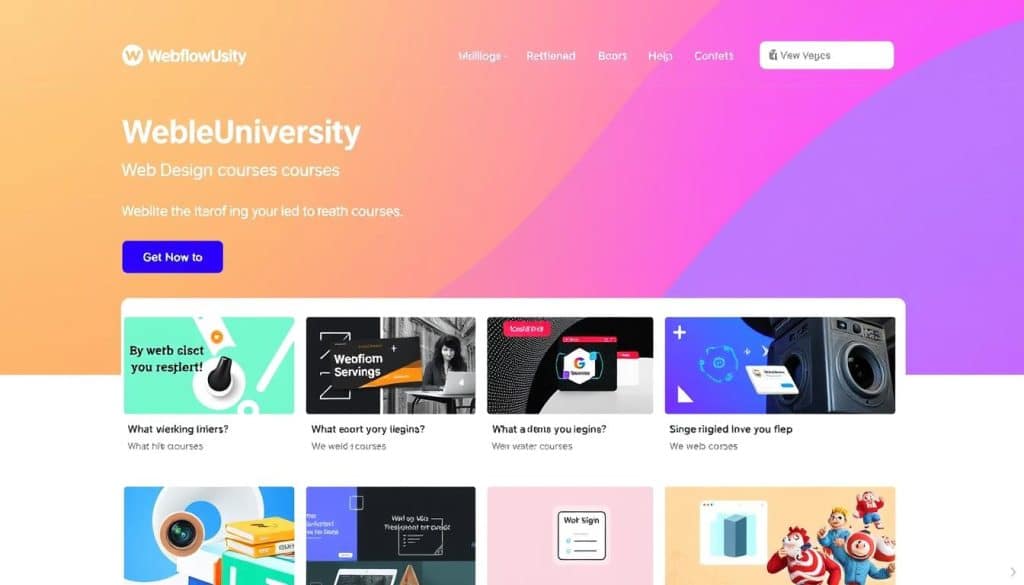
Beyond the software, learning resources and communities play a vital role in a web designer’s journey. Platforms like Webflow University, MDN Web Docs, and CSS-Tricks offer comprehensive tutorials for all skill levels.
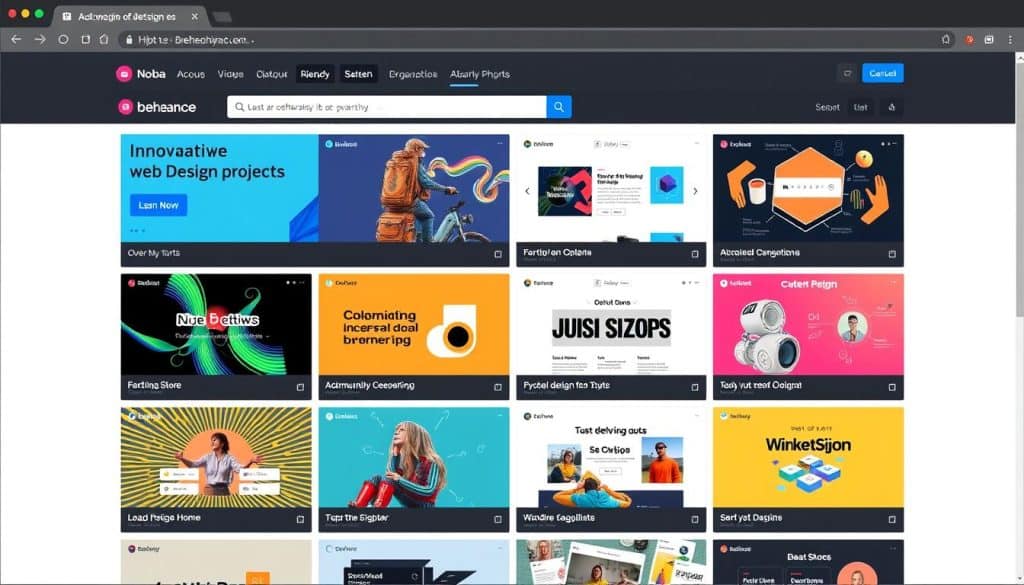
Joining online communities such as Behance and Dribbble can also be incredibly beneficial. These platforms allow designers to showcase their work, receive feedback, and stay updated on the latest trends.
Usability and Accessibility Standards
Usability and accessibility are the cornerstones of effective web design, enhancing user experience. A well-designed website must cater to all users, ensuring that everyone can navigate and utilize the site effectively.
Making Your Website Accessible to All Users
To make your website accessible, we follow best practices that ensure all users, regardless of their abilities, can use your site. This includes implementing clear navigation, providing alternative text for images, and ensuring that your site can be navigated using a keyboard. Accessibility is not just about compliance; it’s about providing an inclusive experience for all users.
- Implementing ARIA attributes for dynamic content
- Ensuring color contrast for readability
- Providing transcripts for multimedia content
Testing Your Website’s Usability
Usability testing is crucial for identifying issues that users may encounter. We conduct testing throughout the design process, not just at the end, to identify and address issues early. Our methodology includes moderated and unmoderated sessions, as well as using heat mapping and session recording tools to analyze user interactions. This approach helps us understand how real users interact with your web presence in natural settings.
Web Design Trends in Qatar and the Middle East
As we explore web design trends in Qatar and the Middle East, we uncover unique design preferences and cultural considerations that shape digital experiences. The region is witnessing a significant evolution in how websites are designed, driven by both local tastes and global best practices.
Local Design Preferences and Cultural Considerations
In Qatar and the broader Middle East, cultural appropriateness plays a crucial role in web design. Designers must balance modern, intuitive interfaces with cultural sensitivities, such as appropriate imagery and content that respects local customs. For instance, bilingual support is often essential, with Arabic being a primary language alongside English. Professional SEO website design services can help navigate these nuances effectively.
Successful Web Design Examples from the Region
Several successful websites in Qatar exemplify effective web design. For example, Qatar Airways’ website balances global brand standards with local cultural elements and bilingual support. Similarly, government portals in Qatar have successfully implemented user-centric design principles while maintaining cultural appropriateness. Leading Qatari banks have also created digital experiences that balance security with intuitive user interfaces. These web design examples demonstrate how to adapt global best practices to meet local preferences, providing valuable insights for businesses aiming to establish a strong online presence in the region.
Conclusion: Taking Your First Steps in Web Design
The world of web design is vast and exciting, and we’re here to help you take your first steps with confidence. As you’ve learned throughout this guide, mastering the basics of design is crucial for creating effective websites that drive digital success.
To begin your journey, we encourage you to start with small, manageable projects. This approach allows you to apply the fundamental principles covered in this guide and gradually build more complex skills. Begin with a personal project where you can experiment freely before taking on client work or business-critical websites.
Continuous learning and practice are essential in web design, as it is an evolving field that requires ongoing skill development. We recommend joining local design communities in Qatar to gain valuable support, feedback, and potential collaboration opportunities as you grow. Our experience shows that connecting with other designers and web designers can significantly enhance your skills and open new opportunities.
For personalized guidance on your specific web design challenges and goals, we invite you to contact our team. We’re committed to helping you transform these basics into digital success for your business, ensuring that you achieve your desired outcomes in the ever-changing digital landscape.
FAQ
What are the key elements that make a website visually appealing?
A website’s visual appeal is determined by its layout, color scheme, typography, and images. A well-designed website should have a clear and concise layout, a palette of colors that align with the brand’s identity, and typography that is easy to read. We also consider the strategic use of white space to create a clean and uncluttered look.
How do I ensure my website is user-friendly and provides a good user experience?
To create a user-friendly website, we focus on user-centric design, intuitive navigation, and responsive design. We ensure that the website is easy to navigate, loads quickly, and is accessible on various devices, including mobile devices and tablets. By doing so, we improve the overall user experience and increase the chances of converting visitors into customers.
What is the importance of color theory in web design?
Color theory plays a crucial role in web design as it can evoke emotions, convey meaning, and influence user behavior. We carefully select colors that align with the brand’s identity and create a visually appealing color scheme. By doing so, we can draw attention to specific elements, create contrast, and enhance the overall visual hierarchy of the website.
How do I choose the right fonts for my website?
Choosing the right fonts for a website involves considering factors such as legibility, readability, and brand identity. We select fonts that are clear, concise, and consistent throughout the website, ensuring that the content is easy to read and understand. We also consider the use of typography hierarchy to create a clear visual structure.
What are some common web design mistakes to avoid?
Common web design mistakes include poor navigation, slow loading times, and inconsistent branding. We also avoid using too many fonts, colors, or animations, which can be distracting and negatively impact the user experience. By being aware of these common mistakes, we can create a website that is both visually appealing and functional.
How can I ensure my website is accessible to all users?
To make a website accessible to all users, we follow usability and accessibility standards, such as the Web Content Accessibility Guidelines (WCAG). We ensure that the website is navigable using assistive technologies, has clear and consistent navigation, and provides alternative text for images. By doing so, we can create a website that is inclusive and usable by everyone.