Over 100 new design trends emerge every year, making it challenging for designers to stay updated.
To address this, we have compiled a list of over 100 of the best inspiration websites for designers in 2024, categorized into 16 categories for easy reference.
This comprehensive guide showcases the latest design trends reshaping how businesses connect with their audiences through visual storytelling.
Key Takeaways
- Discover the top trends in website graphic design inspiration for 2024.
- Explore over 100 of the best inspiration websites for designers, categorized for easy reference.
- Learn how to apply inspirational concepts to your own website design projects.
- Understand how successful websites leverage design elements to create memorable brand experiences.
- Identify design inspiration that aligns with your brand values while incorporating fresh elements.
The Power of Visual Design in Website Development
Visual design is the cornerstone of effective website development, influencing both user experience and business outcomes. In today’s digital landscape, a well-designed website is crucial for capturing user attention, conveying brand identity, and driving conversions.
Why Website Design Matters for Digital Success
Exceptional website design goes far beyond aesthetics; it’s a critical business asset that directly impacts digital success metrics and brand perception. Research shows that professionally designed websites generate significantly higher trust levels, with users making quality judgments within just 0.05 seconds of viewing a page. In Qatar’s competitive market, cultural sensitivity in design elements can make a substantial difference in how your brand resonates with local audiences.
The strategic implementation of visual elements creates an immediate impression that can either engage visitors or drive them away. We’ve observed that businesses investing in quality website design experience lower bounce rates and higher conversion rates, demonstrating the direct ROI of visual excellence.
The Connection Between Design and User Experience
The relationship between thoughtful design and user experience is fundamental. Intuitive navigation, strategic content hierarchy, and responsive layouts all contribute to keeping visitors engaged with your message. Professional designers understand how to translate business objectives into visual strategies that guide users toward desired actions while maintaining an engaging experience.
The most effective website designs seamlessly blend brand identity with user-centered functionality, creating experiences that feel both distinctive and effortless. By prioritizing visual design, businesses can create a lasting impression on their users, driving long-term engagement and loyalty.
Current Website Graphic Design Trends in 2024
In 2024, we’re observing a fascinating shift in website graphic design trends that are redefining the digital experience. The current landscape is characterized by a blend of innovative elements and timeless design principles, all aimed at enhancing user engagement and interaction.
Minimalist and Clean Layouts
One of the dominant trends in 2024 is the adoption of minimalist and clean layouts. This approach emphasizes the strategic use of whitespace to create a breathing room that allows content to shine without overwhelming visitors. By doing so, designers can guide the user’s attention to key messages more effectively.
A clean and uncluttered portfolio design, for instance, showcases a grid of images leading to different project categories. The whitespace-heavy theme continues on project pages, with pertinent information at the top and numerous illustrations and designs showcased in an orderly gallery below.
Bold Typography and Creative Font Pairings
Bold typography has emerged as a significant trend, with designers leveraging oversized headlines and creative font pairings to create visual hierarchy and inject personality into websites. This approach helps brands establish distinctive voices while maintaining optimal loading speeds, a critical factor for both user experience and search engine rankings.
- Using typography as a design element itself enhances the visual appeal.
- Creative font pairings add uniqueness to the brand’s identity.
- Oversized headlines draw attention to key messages.
Immersive 3D Elements and Animation
The incorporation of immersive 3D elements and animations is transforming static websites into interactive experiences. Subtle motion effects create depth and engagement, significantly increasing time on site. Leading brands are implementing these elements thoughtfully to avoid overwhelming effects that can distract from core messaging.
| Design Trend | Description | Impact |
|---|---|---|
| Minimalist Layouts | Strategic use of whitespace | Enhances content visibility |
| Bold Typography | Oversized headlines and creative font pairings | Creates visual hierarchy and brand personality |
| Immersive 3D Elements | Interactive experiences with subtle motion effects | Increases engagement and time on site |
These trends reflect broader shifts in user expectations, with today’s audiences demanding both visual sophistication and intuitive experiences across all digital touchpoints. By balancing innovative visual elements with fundamental usability principles, designers can create compelling websites that drive digital growth.
Top Sources for Website Graphic Design Inspiration
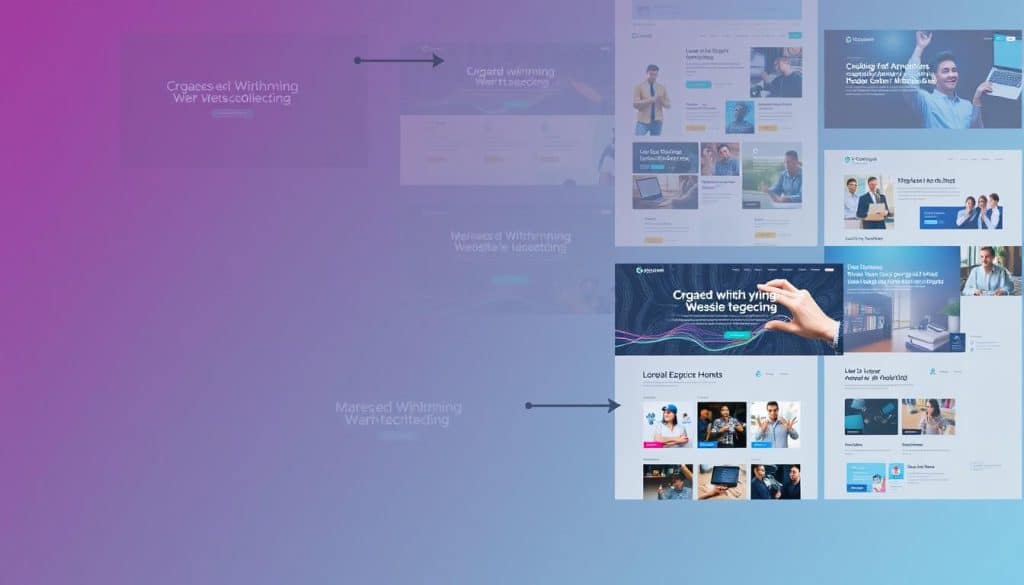
Explore the most valuable sources of website graphic design inspiration for exceptional website development. We’ve curated the best resources that showcase exceptional work from leading designers and agencies worldwide, providing a steady stream of high-quality design inspiration.
Award-Winning Design Platforms
Award-winning design platforms like Awwwards and The FWA recognize and promote the best of web design. These platforms categorize designs by industry, style, and functionality, allowing you to efficiently find relevant inspiration that aligns with your specific project requirements and business objectives.
Designer Portfolios and Showcases
Designer portfolios and showcases on platforms like Behance and Dribbble offer insights into both the finished products and the creative processes behind successful designs. Examining how top designers approach challenges similar to yours can spark innovative solutions and help you avoid common pitfalls in your own design projects.
Industry-Specific Design Collections
Industry-specific design collections are particularly valuable for businesses in Qatar looking to understand both global best practices and regional design preferences. These specialized collections demonstrate how design principles can be adapted to meet the unique requirements of different sectors, from finance and healthcare to hospitality and retail.
UI/UX Design Inspiration for Exceptional User Experience
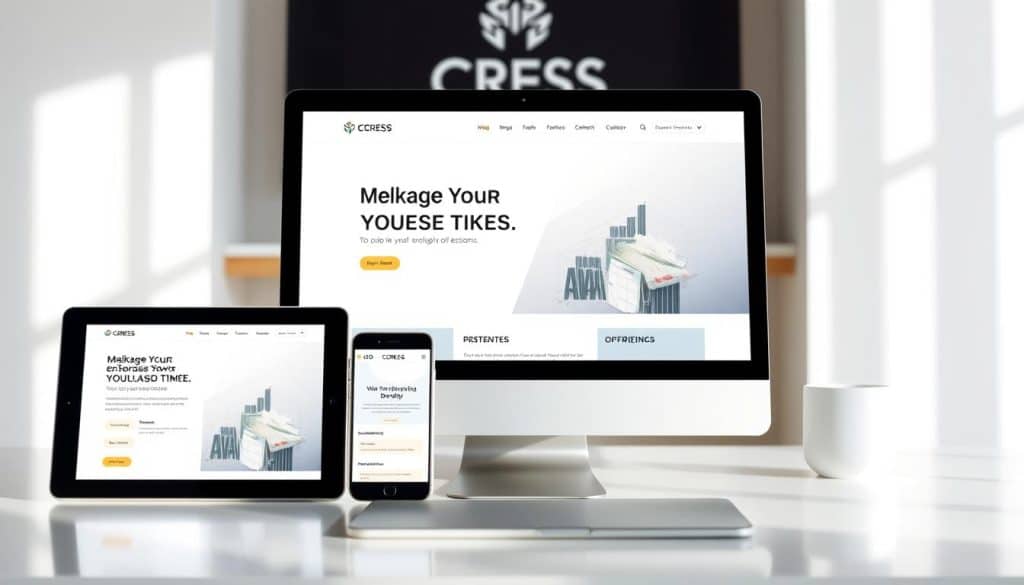
We believe that UI/UX design is the backbone of a successful website, and it’s what sets apart a good website from a great one. Exceptional UI/UX design is crucial for creating an engaging and intuitive user experience that drives business success.
Navigation and Information Architecture
A well-organized portfolio is essential for helping visitors navigate through your projects with ease. By categorizing your work into clearly titled sections, you ensure that your audience quickly finds what they’re looking for. Pair this with intuitive navigation, and your site becomes not just a showcase but an experience. Our analysis shows that simplified navigation structures with clear hierarchies consistently outperform complex menu systems, particularly on mobile devices.
Interactive Elements and Micro-Interactions
Interactive elements and micro-interactions create moments of delight that significantly enhance user engagement. Subtle animations that respond to user actions provide feedback and create a sense of direct manipulation. These small but meaningful interactions contribute to a website that feels responsive and alive, creating emotional connections that static designs simply cannot achieve. For instance, a well-designed website design can elevate the user experience, making it more engaging and interactive.
Responsive Design Excellence
Responsive design excellence has evolved beyond basic mobile compatibility to encompass truly adaptive experiences that optimize content presentation across all devices and screen sizes. The most effective responsive designs maintain consistent branding while intelligently prioritizing content based on the context of use. This ensures that mobile users, who often have different immediate needs than desktop users, receive an optimized experience.
| Design Element | Description | Benefits |
|---|---|---|
| Simplified Navigation | Clear hierarchies and intuitive pathways | Improved user experience, lower bounce rates |
| Interactive Elements | Micro-interactions and subtle animations | Enhanced user engagement, emotional connections |
| Responsive Design | Adaptive experiences across devices | Consistent branding, optimized content presentation |
By incorporating these UI/UX design principles, businesses in Qatar can create websites that not only attract visitors but convert them into customers. Investing in exceptional user experience design provides a significant competitive advantage as user expectations continue to rise across all industry sectors.
Website Graphic Design Inspiration Across Different Industries
As we explore website graphic design across different industries, it becomes clear that each sector has its own specialized design approaches that drive business success. The diversity in design is not just about aesthetics; it’s about creating effective digital experiences that resonate with specific target audiences and meet unique business objectives.
E-commerce and Retail Design Innovations
E-commerce and retail websites are revolutionizing the shopping experience through innovative graphic design. Platforms like Commerce Cream, ecomm.design, and tiny blocks showcase beautifully designed e-commerce websites that balance product showcases with strategic conversion elements. These designs implement sophisticated visual hierarchies that highlight key products while maintaining brand consistency and creating emotional connections that drive consumer loyalty.
Some key features of e-commerce design innovations include:
- Streamlined navigation for frictionless purchasing journeys
- Strategic use of visuals to guide users toward purchase decisions
- Emphasis on brand storytelling through custom photography and illustrations
Creative Agency and Portfolio Websites
Creative agency and portfolio websites demonstrate how design can become a powerful demonstration of capabilities. These sites often push boundaries through innovative interactions and unexpected visual treatments. The best agency sites balance creative expression with clear communication of services and results, understanding that their websites serve as both showcases and business development tools.
| Design Element | Description | Impact |
|---|---|---|
| Innovative Interactions | Unique animations and micro-interactions | Engages visitors and showcases creativity |
| Visual Treatments | Bold typography and creative color schemes | Creates a lasting impression and differentiates the brand |
| Portfolio Showcases | Curated selection of best work | Demonstrates expertise and builds credibility |
Corporate and Professional Services Design
Corporate and professional services design tends toward more restrained aesthetics that convey trustworthiness and expertise. Careful attention is paid to typography and color choices that align with established brand guidelines. These corporate designs excel at organizing complex information into accessible structures that respect the time constraints of busy professional audiences while still creating distinctive brand experiences.
For businesses in Qatar, understanding these industry-specific design approaches allows for strategic implementation of global best practices while incorporating culturally relevant elements that resonate with local market preferences.
Essential Design Elements for Compelling Websites
Creating compelling websites requires a deep understanding of essential design elements that drive both visual appeal and functional effectiveness. We recognize that mastering these elements is fundamental to creating websites that not only look professional but strategically support business objectives through thoughtful visual communication.
Color Theory and Palette Selection
Color theory and palette selection form the foundation of effective website design. Strategic color choices establish emotional connections, reinforce brand identity, and guide user attention to key elements. The most successful websites implement color systems rather than just color choices, creating consistent visual languages that distinguish interactive elements and maintain accessibility standards.
Typography and Readability Considerations
Typography selection goes far beyond aesthetic preferences, with readability considerations directly impacting how effectively your content communicates. Strategic font pairings create visual interest while maintaining hierarchy, typically combining distinctive display fonts for headlines with highly readable options for body text.
Visual Hierarchy and Content Organization
Visual hierarchy and content organization determine how effectively visitors absorb information. The most successful websites guide the eye through content in a deliberate sequence that aligns with business priorities. This hierarchy is achieved through the strategic implementation of size, color, contrast, spacing, and positioning, creating clear pathways through information that respect how users consume digital content.
Incorporating Branding into Website Graphic Design
Effective website design goes beyond aesthetics, serving as a strategic expression of your brand identity, creating consistent experiences that build recognition and trust with your audience. We understand that a well-designed website is crucial for businesses operating in Qatar’s competitive market.
Consistent Visual Identity Across Pages
Maintaining a consistent visual identity across all pages is essential for brand reinforcement. The most successful websites use cohesive colors, typography, spacing, and design elements throughout the user journey, creating a sense of reliability and professionalism. This attention to detail significantly impacts how visitors perceive your business.
Brand Storytelling Through Design
Brand storytelling through design elements transforms websites into compelling narratives that communicate your values, history, and unique market position. By integrating visual elements with content strategy, we can create emotional connections that text alone cannot achieve. For more information on how to boost revenue with effective brand strategy, visit our content brand strategy expertise page.
Memorable Logo Integration and Placement
Memorable logo integration and placement require strategic thinking about visibility, scale, and context. Successful websites treat logos as anchors within a broader design system, creating harmonious relationships between your primary identifier and supporting visual components. This thoughtful branding integration can bridge cultural differences and create universal appeal.
By balancing distinctive brand expression with user-centered functionality, we can create websites that are both visually appealing and highly functional. This approach ensures that your website not only looks great but also provides an exceptional user experience.
Practical Tools and Resources for Website Designers
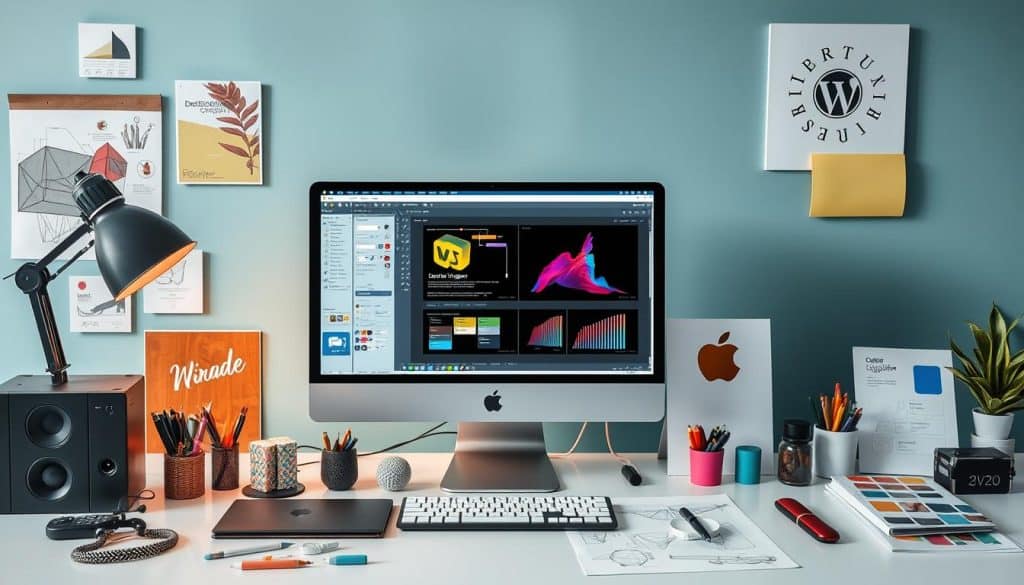
To create exceptional digital experiences, website designers must leverage the most effective tools and resources available. We’ve identified the most valuable assets that enable designers to work efficiently while maintaining high-quality standards.
Design Software and Platforms
The design landscape has evolved significantly, with industry-standard solutions like Adobe Creative Cloud being complemented by specialized tools that address specific aspects of the website design workflow. For instance, Eagle (Paid) helps designers organize and manage their design inspirations, while Pinterest (Free) is ideal for discovering and saving ideas for any project or interest. Other notable mentions include Mymind (Paid), a tool for organizing thoughts and inspirations, and Kive (Freemium), an AI-powered inspiration search and organization tool.
Stock Resources and Asset Libraries
Stock resources and asset libraries provide valuable starting points that can significantly accelerate the design process. Premium services offer exclusive visual elements that help your website stand out from competitors. We recommend that designers develop systems for organizing and tagging these resources, creating personal libraries of high-quality assets that can be efficiently deployed across multiple projects. For more free resources, visit Shillington Education’s blog.
Learning Resources and Communities
Learning resources and communities have become essential for staying current in the rapidly evolving field of website design. Online courses, webinars, and forums provide continuous professional development opportunities. These communities are particularly valuable for designers in Qatar, helping them balance global design trends with regional preferences and cultural considerations. The most successful designers approach these resources strategically, identifying specific skill gaps and seeking targeted learning opportunities.
Conclusion: Transforming Inspiration into Unique Website Designs
Transforming inspiration into effective website designs requires a thoughtful approach to both creative and strategic elements. As we’ve explored throughout this article, having a go-to list of inspiration websites can significantly enhance your design workflow and creativity.
The most successful website designs don’t simply mimic trends but thoughtfully adapt inspiration to create unique experiences that align with specific business objectives and audience needs. For businesses in Qatar, this means considering both global design standards and local cultural contexts.
To achieve this, we encourage you to develop systematic approaches to collecting and categorizing design inspiration, creating personal reference libraries that can be consulted throughout your design process. By thoughtfully applying the inspiration and principles we’ve shared, you can create website designs that not only look exceptional but strategically support your business objectives.
The investment in quality web design consistently delivers measurable returns through improved user metrics, stronger brand perception, and ultimately, better business outcomes. As you move forward with your next digital project, remember that the most effective website designs evolve through continuous improvement based on user feedback, performance data, and emerging best practices.
FAQ
What are the key elements of effective branding in website design?
Effective branding in website design involves consistent visual identity, memorable logo integration, and brand storytelling through design elements, ultimately creating a lasting impression on users.
How do I choose the right typography for my website?
To choose the right typography, consider factors such as readability, brand identity, and content organization, ensuring that your typography is both aesthetically pleasing and functional across various devices.
What are the benefits of incorporating 3D elements and animation in website design?
Incorporating 3D elements and animation can enhance user engagement, create an immersive experience, and effectively communicate complex information, ultimately driving user interaction and conversion.
How can I stay updated with the latest trends in website graphic design?
Stay updated by following award-winning design platforms, designer portfolios, and industry-specific design collections, as well as participating in design communities and forums to exchange insights and best practices.
What role does color theory play in website design?
Color theory plays a crucial role in website design, as it influences user emotions, perception, and behavior, and helps create a visually appealing and harmonious palette that aligns with your brand identity.
How do I ensure a seamless user experience across different devices and screen sizes?
To ensure a seamless user experience, prioritize responsive design excellence, test your website on various devices, and optimize your design elements, such as typography and imagery, for different screen sizes and resolutions.
What are the essential tools and resources for website designers?
Essential tools and resources include design software, stock resources, and asset libraries, as well as learning resources and communities that provide valuable insights, tutorials, and support for designers.