
When building a website, businesses in Qatar face a crucial challenge: balancing the needs of both consumers and search engines. A well-designed site must not only appeal to users but also rank high on search engine results to increase organic traffic.
We explore how professional SEO website design achieves this delicate balance, driving digital excellence for businesses in Qatar. By combining user-friendly design with SEO strategies, companies can enhance their online presence, boost brand visibility, and ultimately drive business growth.
Key Takeaways
- Understand the importance of balancing search engine visibility and user experience in website design.
- Discover how professional SEO website design can drive digital excellence for businesses in Qatar.
- Learn the fundamental principles of creating a website that is both visually appealing and technically optimized.
- Explore the strategic approach needed to create websites that rank well and drive business results.
- Identify the key components that contribute to a successful SEO website design strategy.
What is SEO Website Design?
SEO website design represents a symbiotic blend of aesthetic appeal and technical optimization, designed to cater to both human users and search engines. This approach ensures that a website is not only visually appealing but also technically sound for search engines to crawl, index, and rank effectively.
As we explore the concept of SEO website design, it’s essential to understand the intersection of design and search engine optimization. A well-designed website must balance user experience with search engine requirements, creating a harmonious blend that satisfies both human visitors and search engine algorithms.
The Intersection of Design and Search Engine Optimization
The ultimate goal of SEO is to rank higher on search engine results pages (SERPs), while quality web design focuses on creating a visually appealing website with friction-free user experience (UX) design. When combined, SEO web design creates a website that is optimized for both search engines and humans. As noted by experts, “A website that is optimized for search engines is more likely to be crawled and indexed, making it visible to potential customers.”
“A well-structured website with clear navigation and optimized content is crucial for both user experience and search engine rankings.”
For businesses in Qatar looking to maximize their digital presence, understanding this balance is crucial. By integrating aesthetic web design principles with technical SEO elements, businesses can create websites that are both visually appealing and technically sound.
Key Components of SEO-Friendly Websites
The key components of SEO-friendly websites include proper site structure, optimized content, technical configurations, and user-centric design elements. A well-structured website with clear navigation and optimized content is essential for both user experience and search engine rankings. For more insights on creating SEO-friendly websites, visit Shopify’s blog on SEO website design.
| Component | Description | Importance |
|---|---|---|
| Proper Site Structure | Clear hierarchy and organization of website pages | High |
| Optimized Content | Content that is relevant, engaging, and keyword-optimized | High |
| Technical Configurations | Proper use of meta tags, header tags, and internal linking | Medium |
| User-Centric Design | Design elements that enhance user experience and engagement | High |
Why SEO Website Design Is Critical for Business Success
In a competitive digital market like Qatar, businesses need more than just a visually appealing website; they require an SEO-driven online presence. With the majority of online experiences beginning with a search engine, having an SEO-optimized website is no longer a luxury, but a necessity.
Increasing Organic Traffic and Visibility
A well-designed SEO website can significantly boost your online visibility. By implementing proper SEO design principles, businesses can increase organic traffic—visitors who find your site naturally through search engines without paid advertising. This is crucial as the first search result gets over a quarter of all clicks, and visibility drops off sharply thereafter.
Attracting High-Intent Traffic That Converts
SEO website design isn’t just about attracting any traffic; it’s about drawing in high-intent users who are actively seeking specific solutions. These users are more likely to convert compared to other marketing channels. By optimizing your website for relevant keywords, you can attract traffic that’s more aligned with your business offerings.
Improving User Experience and Engagement
A well-designed, SEO-friendly website not only attracts the right audience but also improves user experience by making information easily accessible. This reduces bounce rates and increases engagement metrics, signaling to search engines that your site is valuable and relevant.
Maximizing Your Marketing ROI in Qatar
In Qatar’s competitive digital landscape, businesses with SEO-optimized websites gain a significant advantage. By appearing in top search results, you can maximize your marketing ROI. The return on investment for SEO website design typically exceeds other marketing investments because it continues generating results long after the initial implementation.
- SEO website design is fundamental to business success as it directly impacts your visibility in search engines.
- Implementing proper SEO design principles increases organic traffic and attracts high-intent users.
- A well-designed, SEO-friendly website improves user experience and engagement.
- For businesses in Qatar, localizing SEO website design efforts can dramatically improve regional search visibility.
How to Plan Your SEO Website Design Strategy
A well-planned SEO website design strategy is the foundation of a successful online presence, driving both visibility and user engagement. To achieve this, we need to consider several key elements that work together to enhance your website’s performance in search engines.
Setting Clear Goals and KPIs
Establishing clear, measurable goals and key performance indicators (KPIs) is the first step in planning an effective SEO website design strategy. We recommend setting specific targets for organic traffic growth, conversion rates, and user engagement metrics. By doing so, you can ensure that your website design aligns with your overall business objectives and is optimized for measurable success.
Conducting Keyword Research for Your Industry
Comprehensive keyword research is crucial for understanding the search terms your potential customers use. We suggest utilizing tools like Google Keyword Planner and Ahrefs to identify relevant keywords and phrases. For instance, a recent study found that businesses that conduct thorough keyword research see an average increase of 25% in organic traffic within the first six months. By incorporating these keywords into your content strategy, you can improve your website’s visibility in search engine results.
| Keyword Research Tool | Features | Benefits |
|---|---|---|
| Google Keyword Planner | Keyword suggestions, search volume data | Helps identify relevant keywords, estimates search volume |
| Ahrefs | Keyword analysis, competitor analysis | Provides insights into keyword performance, competitor strategies |
Analyzing Competitor Websites in Qatar
Analyzing competitor websites provides valuable insights into effective design elements, content strategies, and keyword opportunities in your specific market. We can learn from their strengths and weaknesses to inform our own SEO website design strategy. As noted by Backlinko, “analyzing competitor websites is a critical step in developing an effective SEO strategy.” By understanding what works for your competitors, you can create a more effective plan for your business.
By incorporating these elements into your SEO website design strategy, you can create a robust online presence that drives business success. For businesses in Qatar, this means capturing regional search traffic and staying competitive in the local market.
Creating an Optimal Site Structure for SEO
The foundation of a successful SEO strategy lies in a well-organized site structure. A logical and easily navigable website not only enhances user experience but also improves search engine crawlability and indexing. We recommend creating a site structure that is both scalable and adaptable to future growth.
Designing a Logical Information Architecture
A well-designed information architecture is crucial for organizing website content in a hierarchical manner. This structure allows both users and search engines to easily navigate and understand the relationship between different pages and content. By using a content hierarchy, businesses can categorize and subcategorize their content effectively, making it easier for users to find what they’re looking for.

Implementing Clear Navigation Hierarchies
Clear navigation hierarchies are essential for guiding users through a website and helping search engines understand the site’s structure. By implementing best practices for usability and internal linking, businesses can support their SEO goals while enhancing user experience. This includes using descriptive anchor text and minimizing the number of clicks needed to reach any page.
Planning Content Categories and Subcategories
Effective content categorization is vital for both business organization and user search behavior. By planning content categories and subcategories that reflect the business structure and user search patterns, businesses can improve the visibility of their content. For Qatar-based businesses, structuring content to address local market needs while maintaining global best practices is key to achieving optimal search visibility.
To illustrate the importance of a well-structured site, consider the following comparison of key elements:
| Element | Poor Site Structure | Optimal Site Structure |
|---|---|---|
| Navigation | Complex and confusing | Clear and intuitive |
| Content Organization | Random and disorganized | Logical and hierarchical |
| User Experience | Frustrating and difficult to navigate | Seamless and engaging |
| SEO Performance | Poor crawlability and indexing | Improved search engine rankings |
By focusing on creating an optimal site structure, businesses can improve their SEO performance and provide a better user experience. For more information on how to achieve this, visit our page on SEO website design solutions.
Optimizing Technical Elements of SEO Website Design
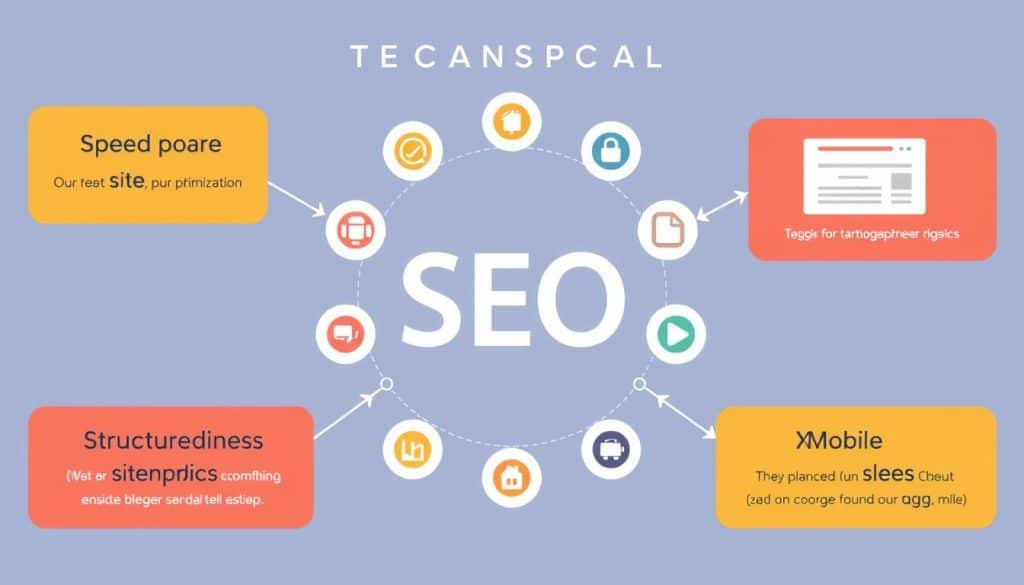
Technical SEO is the backbone of a successful website design strategy, enabling search engines to crawl, index, and understand your content effectively. A well-optimized website not only improves user experience but also enhances your online visibility.
Setting Up Proper URL Structures
A well-structured URL is crucial for both users and search engines. It should be descriptive, concise, and include the target keyword. For instance, a URL like example.com/seo-website-design is more informative than example.com/page1. This clarity helps search engines understand the page’s content before crawling it.
Creating and Submitting XML Sitemaps
An XML sitemap acts as a map of your website, listing all the pages, videos, and other content. Submitting this sitemap to Google Search Console helps search engines discover and crawl your content more efficiently. This is particularly useful for new websites or those with a large number of pages.
Configuring Robots.txt Files
The robots.txt file is a critical component of your website’s technical SEO. It instructs search engines on which parts of your site to crawl and which to ignore. Proper configuration can prevent indexing of duplicate or low-value pages, improving your site’s overall crawl efficiency.
Implementing Schema Markup
Schema markup is a form of microdata that helps search engines understand the context of your content. By implementing schema markup, you can enhance how your content appears in search results through rich snippets, potentially improving click-through rates.
For businesses in Qatar, implementing these technical SEO elements is crucial for improving online visibility and driving revenue growth. By ensuring proper page speed, optimizing meta descriptions, and leveraging search console data, you can significantly enhance your website’s performance. For more insights on technical SEO, visit Elegant Themes and learn how to launch your website with the best SEO strategy from Cres.
How to Design for Mobile-First Indexing
With the majority of internet users accessing websites through mobile devices, designing for mobile-first indexing has become crucial for SEO success. As of 2023, there were 6.47 billion active mobile internet users, highlighting the need for businesses to prioritize mobile optimization. We will explore the key aspects of designing for mobile-first indexing, ensuring that your website is both search engine-friendly and provides a seamless user experience across devices.
Implementing Responsive Design Principles
Implementing responsive design principles is fundamental to ensuring that your website adapts to various screen sizes while maintaining its functionality and visual appeal. A responsive website automatically adjusts its layout, content, and elements to fit different devices, from smartphones to desktop computers. This approach not only enhances user experience but also supports SEO efforts, as search engines favor websites that are accessible and usable across all devices. We recommend designing your website for mobile users first, then expanding to desktop, to ensure a smooth and intuitive experience for the majority of your users.
Optimizing Touch Elements and Mobile Navigation
Optimizing touch elements and mobile navigation is critical for providing a positive user experience on mobile devices. This involves making buttons, links, and interactive elements large enough for finger navigation, with adequate spacing to prevent accidental clicks. Mobile navigation should be simplified compared to desktop versions, with clear hierarchies and easily accessible menus that don’t overwhelm smaller screens. By streamlining your website’s mobile navigation, you can improve user engagement and reduce bounce rates, ultimately contributing to better SEO performance. For businesses in Qatar, where mobile internet penetration is high, mobile-first design is not optional but essential for capturing the majority of potential customers.
Improving Website Speed for Better SEO Performance

In today’s digital landscape, website speed is a crucial factor that significantly impacts both user experience and SEO performance. A fast-loading website not only enhances user engagement but also improves search engine rankings, as Google explicitly favors faster-loading sites.
Measuring Current Page Speed Metrics
To improve website speed, it’s essential to first measure the current page speed metrics. Tools like Google PageSpeed Insights provide a baseline score and identify specific areas for improvement, allowing for targeted optimizations.
Optimizing Image Sizes and Formats
Optimizing image sizes and formats is often the quickest way to improve page speed, as unoptimized images are typically the largest contributors to slow loading times. By compressing images and using appropriate formats like WebP, you can significantly reduce the file size without compromising quality.
Minimizing HTTP Requests and Server Response Time
Minimizing HTTP requests by consolidating files and eliminating unnecessary scripts can dramatically reduce the time it takes for pages to become interactive. This optimization technique is crucial for improving both page speed and overall user experience.
Implementing Browser Caching and CDNs
Implementing browser caching allows returning visitors to load your site much faster by storing certain elements locally in their browsers. Additionally, Content Delivery Networks (CDNs) distribute your website across multiple servers worldwide, reducing server response time by serving content from locations closer to each user.
For businesses targeting Qatar, optimizing for regional server performance and mobile network speeds is particularly important for maintaining competitive page load times. By implementing these strategies, you can significantly enhance your website’s speed, improve user experience, and boost your SEO performance.
On-Page SEO Elements in Professional Website Design
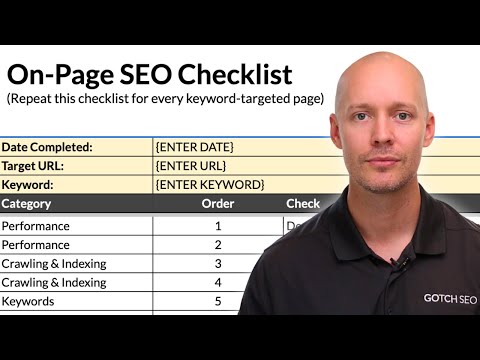
Professional website design isn’t just about aesthetics; it’s also about integrating on-page SEO elements to boost your site’s search engine ranking. On-page SEO elements are the visible components of your website design that directly influence how search engines interpret and rank your content.
Crafting Effective Title Tags and Meta Descriptions
Crafting effective title tags and meta descriptions is crucial for both search visibility and click-through rates. Your title tag should include your page’s focus keyword and be compelling to users, all within 60 characters. Similarly, your meta description should provide a preview of your page content, incorporating the focus keyword within 160 characters.
Implementing Proper Header Tag Hierarchy
A logical header tag hierarchy (H1, H2, H3, etc.) creates a structured content framework that helps search engines understand the relationship between different sections of your page. This hierarchy is essential for improving the readability and SEO of your website.
Optimizing Content for Readability and Keywords
Optimizing your content for readability involves using short paragraphs, bullet points, and clear language that keeps users engaged. Naturally incorporating keywords throughout your content, especially in the first paragraph and conclusion, helps search engines understand your page’s relevance to specific queries. For businesses in Qatar, incorporating region-specific terminology can improve relevance for local searches.
By focusing on these on-page SEO elements, you can significantly enhance your website’s visibility, drive more targeted traffic, and ultimately improve your online presence.
Building an Effective Internal Linking Strategy
A robust internal linking strategy is essential for creating a seamless user experience and improving your site’s search engine rankings. By linking to relevant pages within your website, you help users navigate your content and assist search engines in understanding your site’s structure.
An effective internal linking strategy creates pathways for both users and search engines to discover and understand the relationship between different content pieces on your website. This not only enhances user engagement but also improves your site’s visibility in search results.
Creating Content Silos and Topic Clusters
Creating content silos organizes related information into distinct categories, helping search engines recognize your website as an authority on specific topics. Topic clusters connect a central pillar page to related content pieces, creating a comprehensive resource that signals topical expertise to search engines.
For instance, if you have a website about digital marketing, you could create a content silo around “SEO” with a pillar page on “SEO Best Practices” and link to related articles on keyword research, on-page optimization, and link building.
| Content Silo | Pillar Page | Related Content |
|---|---|---|
| SEO | SEO Best Practices | Keyword Research, On-Page Optimization, Link Building |
| Content Marketing | Content Strategy | Blog Writing, Content Promotion, Content Analysis |
Implementing Strategic Anchor Text
Implementing strategic anchor text that includes relevant keywords provides context about the linked page, helping search engines understand its content and relevance. Instead of using generic text like “click here,” use descriptive text that includes your target keywords.
For example, when linking to an article about “the best rank trackers,” use anchor text like “learn more about the best rank trackers” to provide context and relevance. You can find more insights on enhancing your SEO strategy in our article on SEO Mastery.
By implementing these strategies, you can improve your website’s internal linking, enhancing both user experience and search engine rankings. Effective internal linking helps distribute page authority throughout your site, driving conversions and improving overall SEO performance.
Image and Multimedia Optimization Techniques
For businesses in Qatar and beyond, leveraging image and multimedia optimization techniques can significantly boost website SEO and user engagement. Optimizing visual content is no longer a nicety but a necessity in the digital landscape.
Choosing and Naming Image Files Properly
When it comes to image optimization, the first step is choosing and naming image files properly. Instead of using generic file names like “home-page-header-final-2.jpg,” include descriptive keywords that give search engines an idea of what the image is about. For instance, “qatar-business-landscape.jpg” is a more informative and SEO-friendly file name.
Writing Descriptive Alt Text for Accessibility and SEO
Alt text serves a dual purpose: it improves accessibility for visually impaired users and provides search engines with contextual information about images. When writing alt text, craft a complete sentence that describes the image, starting with a capital letter and ending with a period. This practice not only enhances SEO but also ensures a better user experience for those relying on screen readers.
Optimizing Video Content for Search Engines
Video content is becoming increasingly popular, and optimizing it for search engines is crucial. This involves creating descriptive titles, adding transcripts, and using structured data to increase visibility in video search results. By doing so, businesses can improve their online presence and attract more targeted traffic to their website.
By implementing these image and multimedia optimization techniques, businesses can enhance their website’s SEO, improve user experience, and drive more traffic to their site. Whether you’re a local business in Qatar or a global brand, optimizing your visual content is a critical step towards achieving digital excellence.
Designing User-Friendly Navigation Systems
User-friendly navigation is the backbone of a successful website, enhancing both user experience and search engine crawlability. A well-structured navigation system not only helps visitors find the information they need quickly but also assists search engines in understanding the site’s hierarchy and content relevance.
We emphasize that intuitive navigation is crucial for visitor satisfaction and SEO success. It involves organizing content in a logical manner that mirrors how users naturally search for information.
Creating Intuitive Menu Structures
Creating an intuitive menu structure is vital for guiding users through your website efficiently. We recommend limiting main navigation items to 7±2 options to prevent cognitive overload while ensuring all important sections are easily accessible. This approach helps in maintaining a clean and user-friendly interface.
By organizing your site’s content into a logical hierarchy, you make it easier for users to find what they’re looking for, which can lead to improved engagement and conversion rates. Effective menu structures also facilitate professional website design and SEO services in Qatar by making it simpler for search engines to crawl and index your site’s pages.
Implementing Breadcrumb Navigation
Implementing breadcrumb navigation is another effective way to enhance user experience on your website. Breadcrumbs provide users with context about their location within your site’s structure and offer additional navigation options, making it easier for them to explore related content.
“Breadcrumb navigation is a simple yet powerful tool for improving user experience and SEO.” It not only aids users in navigating your site but also helps search engines understand the relationship between different pages, potentially improving your site’s visibility in search results.

Making Your Website Accessible and SEO-Friendly
An accessible website is not just a moral imperative, but a business necessity that enhances user experience and search engine rankings. Ensuring that your website is usable by everyone is not only good for your brand, but it’s also rewarded by search engines. As we strive for digital excellence, we must prioritize website accessibility, which shares many common goals with SEO, as both aim to make content more discoverable and usable for all visitors.
Following WCAG Guidelines for Better Rankings
To achieve this, we follow the Web Content Accessibility Guidelines (WCAG), which offer design suggestions such as eliminating content known to induce seizures, including captions for audio and video content, allowing full functionality via a keyboard, offering resizable text options, providing alt-text for all multimedia, and avoiding low-contrast text. By following WCAG guidelines, we not only ensure compliance with accessibility standards but also improve SEO performance through better user engagement metrics.
- Implementing keyboard navigation allows users with motor disabilities to access all website functions without a mouse, improving both accessibility and user experience.
- Screen reader support through proper HTML semantics, ARIA labels, and descriptive alt text makes your content accessible to visually impaired users while providing additional context for search engines.
Implementing Keyboard Navigation and Screen Reader Support
To further enhance accessibility, we implement keyboard navigation and screen reader support. This not only improves the experience for users with disabilities but also contributes to a more inclusive and user-friendly website. By doing so, we demonstrate our commitment to global best practices, potentially opening our market to users with disabilities in Qatar and beyond.
- Color contrast ratios, text sizing options, and clear typography improve readability for all users while signaling quality content to search algorithms.
- Accessible websites typically have lower bounce rates and higher engagement metrics, which are positive signals to search engines about content quality.
By making our website accessible and SEO-friendly, we drive revenue growth through digital excellence while maintaining social responsibility and community impact.
How to Measure the Success of Your SEO Website Design

To determine if your SEO-friendly design changes are working, you need to monitor key performance indicators (KPIs) that track website traffic and user behavior. This involves using various SEO analytics tools to analyze metrics that indicate both search performance and user engagement.
Key Performance Indicators to Track
Measuring the success of your SEO website design requires tracking specific metrics. Key performance indicators to track include organic traffic growth, keyword rankings, page load speed, bounce rate, time on site, and conversion rates. These metrics provide insights into how well your site is performing in search engines and how users are interacting with it.
Using Google Analytics and Search Console
Using Google Analytics provides comprehensive data about user behavior, allowing you to identify which design elements are working and which need improvement. Google Search Console offers insights specifically related to search performance, including impression data, click-through rates, and technical issues affecting visibility. By leveraging these tools, you can gain a deeper understanding of your website’s performance and make data-driven decisions to optimize it further.
Conducting Regular SEO Audits
Conducting regular SEO audits helps identify emerging issues before they impact rankings and ensures your website continues to meet evolving search engine requirements. This proactive approach enables you to address technical issues, improve content quality, and enhance user experience, ultimately driving better search engine rankings and more conversions.
Common SEO Website Design Mistakes to Avoid
To achieve digital excellence, businesses in Qatar must be aware of common SEO website design mistakes. A well-designed website is crucial for attracting and retaining customers, but it’s equally important to ensure that it’s optimized for search engines.
Technical Errors That Hurt Rankings
Technical errors can significantly impact your website’s search engine rankings. Some common technical mistakes include broken links, improper redirects, and duplicate content issues. To avoid these errors, it’s essential to conduct regular SEO audits and ensure that your website’s technical elements are properly configured.
| Technical Error | Impact on SEO | Solution |
|---|---|---|
| Broken Links | Negatively affects crawlability and user experience | Regularly check for broken links and fix them |
| Improper Redirects | Can lead to loss of link equity and confuse search engines | Use proper redirect techniques (301, 302) |
| Duplicate Content | Can lead to penalties and dilute link equity | Use canonical URLs and avoid duplication |
Content and UX Pitfalls
Content and user experience (UX) are critical components of SEO. Common pitfalls include keyword stuffing, thin content, and poor readability. To avoid these mistakes, focus on creating high-quality, engaging content that provides value to your users. Ensure that your website’s navigation is intuitive and that your content is easily accessible.
Mobile Optimization Oversights
With the majority of users accessing websites through mobile devices, mobile optimization is no longer optional. Common oversights include non-responsive design and slow page load times. To avoid these mistakes, ensure that your website is designed with a mobile-first approach and that your pages load quickly.
Conclusion
The synergy between SEO and web design is pivotal in creating a website that not only ranks well in search engines but also provides a superior user experience. Throughout this guide, we’ve explored how the strategic integration of design principles and SEO best practices creates websites that satisfy both human visitors and search engines. By implementing the techniques discussed, businesses in Qatar can establish a strong online presence, drive more targeted traffic, and ultimately achieve their digital marketing goals.
A well-designed, SEO-friendly website is a critical investment for businesses looking to establish digital excellence and gain a competitive advantage. It’s essential to bridge the gap between web development and SEO by encouraging collaboration between teams from the outset. This ensures that the website is fully optimized for both SEO and usability, providing value to customers and improving search results.
To achieve this, consider partnering with experienced SEO website design professionals who can accelerate results while ensuring the implementation of regional best practices. For more information on how to enhance your online presence, visit https://oldy2.cres.vip/. By keeping both search engines and users in mind throughout the design process, you’ll create a website that not only ranks well but also effectively converts visitors into customers, driving business growth and revenue.
Key takeaways from our discussion include the importance of ongoing monitoring, testing, and refinement of your SEO website design strategy. The digital landscape is constantly evolving, making it crucial to stay informed about changes in search engine algorithms and user behavior patterns. By doing so, you’ll be well-positioned to adapt your strategy and maintain a competitive edge in the market.
FAQ
What is the importance of page speed in SEO website design?
Page speed is crucial as it directly impacts user experience and search engine rankings. A faster website improves engagement, reduces bounce rates, and increases the likelihood of higher search engine rankings.
How do I optimize images for SEO?
To optimize images, use descriptive file names, compress images to reduce file size, and add alt text that includes target keywords. This improves page load times and makes your content more accessible.
What is the role of meta descriptions in SEO?
Meta descriptions provide a summary of a webpage’s content and entice users to click through from search engine results. Well-crafted meta descriptions can improve click-through rates and drive more traffic to your site.
How often should I conduct SEO audits?
Regular SEO audits, ideally every 6-12 months, help identify technical issues, content gaps, and opportunities for improvement. This ensures your website remains optimized and competitive.
What is the impact of mobile-friendliness on SEO?
A mobile-friendly website is essential for SEO, as it improves user experience and search engine rankings. With most users accessing websites through mobile devices, a responsive design is critical for engagement and conversion.
How do internal linking strategies affect SEO?
A well-planned internal linking strategy helps search engines understand your website’s structure, improves user experience, and increases the visibility of key pages. This can lead to better rankings and more traffic.
What are the best practices for optimizing content for readability and keywords?
To optimize content, use clear headings, concise paragraphs, and incorporate target keywords naturally. This improves readability, reduces bounce rates, and increases the chances of ranking higher in search engine results.
How does user experience impact SEO?
User experience is a critical factor in SEO, as it directly affects engagement, bounce rates, and conversion rates. A well-designed website that prioritizes user experience can lead to better search engine rankings and more traffic.