

Did you know that 93% of online experiences begin with a search engine? This staggering statistic highlights the crucial role search engine optimization (SEO) plays in determining your website’s online visibility. SEO is about helping search engines understand your content and making it easier for users to find your site. At its core, SEO is vital for ensuring your website appears in search results, driving organic traffic, and ultimately, boosting your online presence.
We’ll guide you through the process of evaluating your website’s SEO status, identifying areas for improvement, and exploring techniques to enhance your site’s performance. By understanding the key components that search engines use to evaluate your website’s quality and relevance, you’ll be better equipped to optimize your site for better rankings.
Key Takeaways
- Understand the fundamentals of SEO and its importance for your website’s visibility.
- Learn how to assess your website’s current SEO status.
- Discover practical methods to improve your website’s SEO performance.
- Explore both basic and advanced techniques for checking your website’s SEO.
- Find out how to use free and premium tools for a thorough SEO analysis.
Understanding SEO and Why It Matters
To thrive in the digital world, it’s essential to comprehend the role of SEO in website visibility. Search Engine Optimization is the process of improving the quality and quantity of website traffic by increasing the visibility of a website or a web page to users of a search engine.
What is SEO and How Does It Impact Your Website
SEO serves as the bridge between your website and potential visitors using search engines. By understanding how search engines like Google crawl, index, and rank websites, you can improve your online visibility. This process is crucial for driving organic traffic to your site. Effective SEO strategies can significantly enhance your website’s presence in search results, leading to increased user engagement and conversion rates.

Key Components of Good SEO
Good SEO encompasses several key components, including technical optimization, high-quality content, user experience, and off-site factors. Technical optimization involves improving your site’s structure and performance. High-quality content is crucial for attracting and retaining a clearly defined audience. User experience is also vital, as it directly impacts how users interact with your website. Off-site factors, such as backlinks from reputable sources, play a significant role in determining your site’s credibility and ranking. For more insights on elevating your online presence through SEO, visit our guide on SEO Mastery.
How to Chek if a Website Has Good SEO: Basic Methods
A well-optimized website is key to achieving higher search engine rankings, and we’re here to guide you through the basic methods of checking your website’s SEO. To start, you’ll need to perform a basic SEO audit to identify areas for improvement.
Manual SEO Audit Basics
Conducting a manual SEO audit involves examining key on-page elements such as titles, meta descriptions, and headings. You should also assess the quality and relevance of your website’s content. By doing so, you’ll be able to identify potential SEO issues that may be impacting your website’s search engine rankings.
For instance, you can use tools like the Seobility SEO checker to scan your web page for technical errors and SEO issues. This tool crawls the URL you enter and checks it against more than 200 SEO relevant criteria, including meta information, page quality, and site structure.
Using Google Search Console
Another effective method for checking your website’s SEO is by using Google Search Console, a free tool provided by Google that offers valuable insights into how search engines view your site. You can check your website’s indexing status, identify crawl errors, and review search performance metrics in Google Search Console.
By leveraging these basic methods, you’ll be able to establish a baseline understanding of your website’s SEO health and identify areas for improvement. For more advanced techniques, you can explore our guide on elevating your business with expert lead generation.
Evaluating Your Website's Technical SEO
Your website’s technical SEO is the foundation upon which its search engine success is built, making evaluation essential. Before diving into the evaluation process, it’s crucial to check if Google has already indexed your content. Use the site: search operator to verify your site’s presence in Google’s index. If your site isn’t indexed, you’ll need to identify and address any technical issues preventing it from being crawled and indexed.
Checking Site Indexability and Crawlability
To ensure your website is crawlable and indexable, use tools like Google’s URL Inspection Tool. This tool helps you understand how Googlebot interacts with your site and identifies potential crawl issues. Additionally, verify that your robots.txt file is correctly configured to allow search engines to access your site’s content.

Assessing Website Structure and URLs
A well-structured website with clear and descriptive URLs enhances user experience and SEO. Evaluate your site’s architecture to ensure it’s logical and easy to navigate. URLs should be concise, include target keywords, and be free of unnecessary characters. A well-organized site structure also facilitates effective internal linking, which is crucial for search engine crawling and indexing.
Identifying Technical Issues and Errors
Technical issues such as broken links, redirect chains, and crawl errors can significantly impact your website’s SEO. Use tools like Google Search Console to identify these issues and prioritize their resolution. Regularly monitoring your site’s technical health helps maintain its visibility in search results and ensures a smooth user experience.
By evaluating and addressing these technical aspects, you can improve your website’s overall SEO and increase its chances of achieving optimal search visibility.
Analyzing On-Page SEO Elements
To improve your website’s search engine rankings, it’s crucial to analyze on-page SEO elements that directly impact how search engines understand and rank your content. On-page SEO refers to the practice of optimizing individual web pages to rank higher and earn more relevant traffic. This involves several key elements that work together to enhance your website’s visibility and credibility.
Auditing Title Tags and Meta Descriptions
Title tags and meta descriptions are critical on-page SEO elements that influence how search engines display your content in search results. The title tag is used as the title link in search engine results, while the meta description provides a summary of the page’s content. To optimize these elements, ensure that your title tags are descriptive, unique, and include relevant keywords. Meta descriptions should be compelling, informative, and within the recommended character limit.
As Google’s guidelines suggest, “the title link is the headline part of the search result and it can help people decide which search result to click.” This emphasizes the importance of crafting title tags that are both informative and enticing.
Evaluating Content Quality and Relevance
High-quality, relevant content is essential for achieving good SEO. To evaluate your content’s quality, consider factors such as readability, engagement metrics, and uniqueness compared to competing pages. Your content should be well-structured, easy to understand, and provide value to your target audience. Additionally, ensure that your content is up-to-date and reflects the latest information in your industry.
“Content is king” is a well-known phrase in the SEO world, highlighting the importance of quality content in search engine rankings.
Checking Headings and Internal Linking Structure
A well-organized heading structure (H1, H2, H3) is vital for helping search engines understand your content hierarchy and for improving user experience. Ensure that your headings are logical, sequential, and include relevant keywords where appropriate. Internal linking is also crucial for distributing page authority and helping search engines understand your site’s structure. Use descriptive anchor text for your internal links and ensure they are relevant to the content they link to.
| On-Page SEO Element | Description | Best Practice |
|---|---|---|
| Title Tags | Displayed as the title link in search engine results | Include relevant keywords, be descriptive and unique |
| Meta Descriptions | Provides a summary of the page’s content | Be compelling, informative, and within the recommended character limit |
| Headings (H1, H2, H3) | Helps structure and organize content | Use a logical and sequential structure, include relevant keywords |
By analyzing and optimizing these on-page SEO elements, you can significantly improve your website’s search engine rankings and drive more targeted traffic to your site. Regular audits and adjustments will help you stay competitive in the ever-evolving digital landscape.
Assessing Your Website's Performance Metrics
To gauge your website’s SEO effectiveness, it’s essential to evaluate its performance metrics. We’ll examine the key performance indicators that directly impact both user experience and search engine rankings.
Page Speed Analysis
Analyzing your website’s page speed is crucial for identifying elements that slow down your pages. You can use tools like Google PageSpeed Insights to analyze your page speed and identify areas for improvement.

Mobile-Friendliness Evaluation
With mobile-first indexing, evaluating your site’s mobile-friendliness is essential. You can use tools like Google’s mobile-friendly test to assess your website’s mobile usability.
Core Web Vitals Assessment
Google’s Core Web Vitals metrics, including Largest Contentful Paint, First Input Delay, and Cumulative Layout Shift, measure user experience. Assessing these metrics helps you identify areas for improvement to enhance user experience and search engine rankings.
By evaluating these performance metrics, you can identify technical improvements that enhance both user experience and search visibility. This, in turn, can lead to better user engagement metrics, which indirectly benefit your SEO.
Examining Your Backlink Profile
Examining your backlink profile is a critical step in optimizing your website for search engines. Backlinks, which are external links pointing to your website, play a significant role in search engine ranking algorithms. A well-crafted backlink profile can enhance your website’s credibility and visibility, driving more traffic to your site.
How to Check Your Backlinks
To check your backlinks, you can utilize both free and premium tools available online. A backlink checker tool is essential for revealing who’s linking to your site. These tools provide valuable insights into your backlink profile, helping you understand your website’s off-page SEO.
Evaluating Backlink Quality
Not all backlinks are created equal. Evaluating the quality of your backlinks is crucial. Metrics such as domain authority, relevance, and trustworthiness are key indicators of backlink quality. High-quality backlinks from authoritative sites can significantly boost your SEO efforts.
Identifying Harmful Links
Some backlinks can be harmful, potentially triggering search engine penalties. It’s essential to identify and address these harmful links to protect your website’s ranking. Regularly monitoring your backlink profile helps in detecting such links and taking corrective actions.
By thoroughly examining your backlink profile, you can identify opportunities for improvement, compare your profile with competitors, and monitor changes over time. This proactive approach to backlink management is vital for maintaining a strong online presence and achieving SEO success.
Professional SEO Tools for Comprehensive Analysis
For a thorough SEO analysis, utilizing professional tools is crucial. These tools provide a comprehensive examination of your website’s SEO, going beyond basic checks to offer detailed insights and recommendations for improvement.
Free SEO Checker Tools
Free SEO checker tools are an excellent starting point for analyzing your website’s SEO. Tools like Seobility SEO checker analyze over 200 parameters across categories such as meta-information, page quality, and link structure to provide a comprehensive SEO score.

Premium SEO Analysis Platforms
Premium SEO analysis platforms offer advanced features and in-depth data for serious website optimization. These platforms provide detailed insights into technical SEO, content quality, and competitive research, helping you refine your SEO strategy.
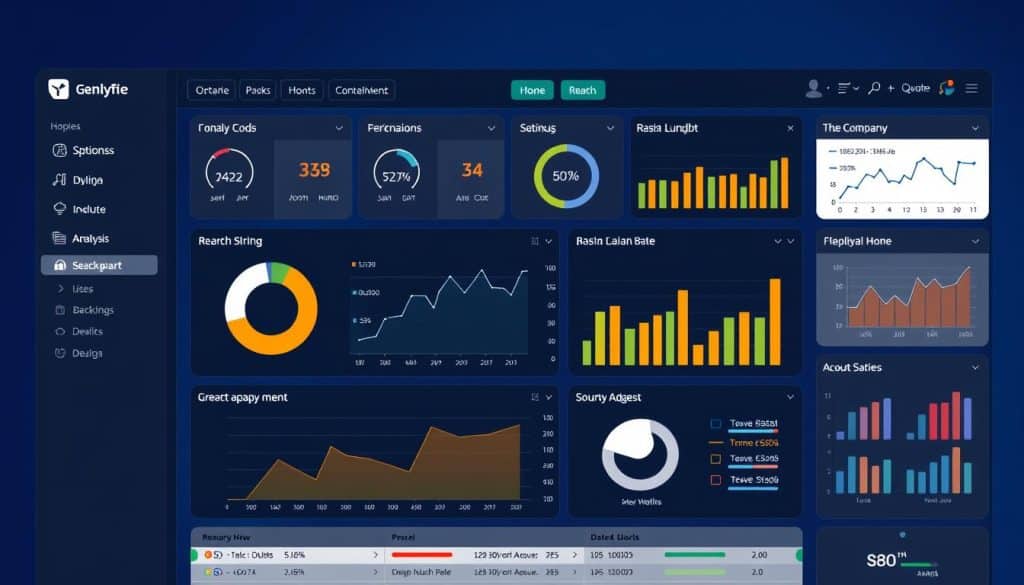
Understanding SEO Reports and Scores
SEO reports and scores generated by these tools help you prioritize improvement efforts. By understanding these reports, you can identify and address critical SEO issues, ultimately enhancing your website’s search engine rankings and overall SEO performance.
Conclusion: Implementing Your SEO Findings
After conducting a thorough SEO evaluation, you’re ready to take action and make data-driven decisions to boost your website’s performance. We’ve summarized the key aspects of evaluating your site’s SEO and will provide a framework for implementing improvements based on your findings.
To effectively address SEO issues, prioritize them based on their potential impact on your website’s search rankings. Create an action plan that tackles the most critical problems first, and be aware that different types of SEO improvements may take varying amounts of time to reflect in search results.
Regular monitoring and re-evaluation of your site’s SEO metrics are crucial. Treat optimization as an ongoing process, and stay updated with evolving SEO best practices and search engine algorithm changes to maintain good SEO practices over time.
FAQ
What are the key indicators of a website with good SEO?
A website with good SEO typically has high-quality, relevant content, a clear structure, and optimized on-page elements like title tags and meta descriptions. It also has a strong backlink profile, is mobile-friendly, and loads quickly.
How do I check my website’s indexability and crawlability?
You can check your website’s indexability and crawlability using Google Search Console. It provides insights into how search engines view your site, including any crawl errors or indexing issues.
What is the importance of keyword research in SEO?
Keyword research is crucial in SEO as it helps identify relevant search queries and phrases your target audience uses. This information enables you to optimize your content and improve your website’s visibility in search engine results.
How often should I audit my website’s SEO performance?
Regular SEO audits are essential to maintaining and improving your website’s search engine rankings. We recommend conducting a comprehensive SEO audit at least quarterly, or whenever you make significant changes to your site.
Can duplicate content harm my website’s SEO?
Yes, duplicate content can negatively impact your website’s SEO. Search engines may struggle to determine which version of the content is original, potentially leading to reduced rankings and visibility.
What role do social media and online presence play in SEO?
While social media signals don’t directly impact SEO, a strong online presence can drive traffic, increase brand awareness, and potentially lead to more backlinks, all of which can positively influence your website’s SEO.
How do I identify and fix technical SEO issues on my website?
To identify technical SEO issues, use tools like Google Search Console, Screaming Frog, or Ahrefs to detect crawl errors, broken links, and other problems. Then, prioritize and address these issues to improve your website’s overall SEO performance.