
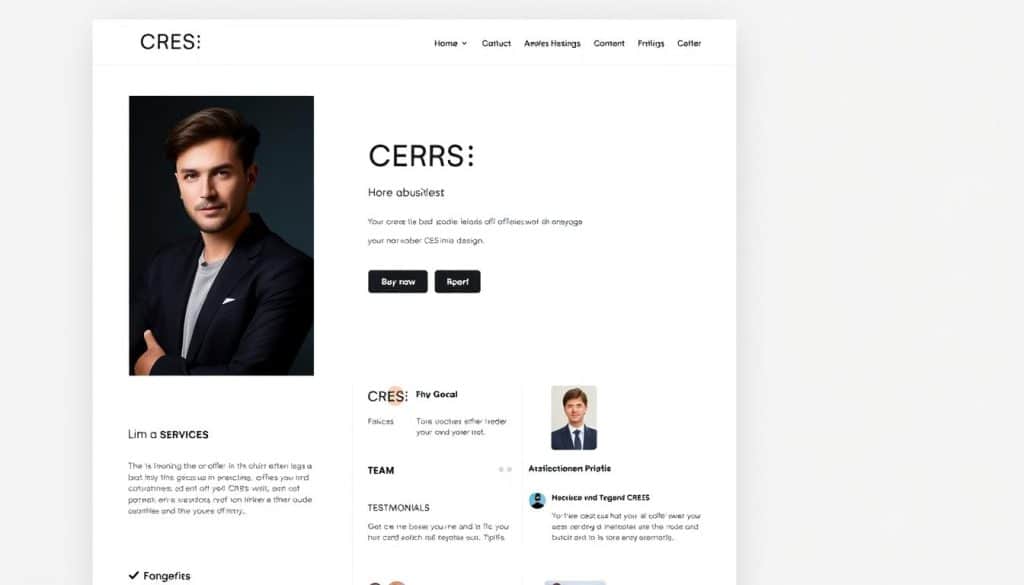
In today’s digital landscape, a well-crafted online presence is crucial for businesses to thrive. Did you know that a strategically designed profile can increase user engagement by up to 50%?
We will explore how a profile page website can become a powerful tool for business growth, driving conversions and establishing credibility with potential clients and partners. A user-friendly design and compelling information are key to making a lasting impression.
By leveraging design principles and user experience strategies, businesses can transform their online presence and achieve their objectives.
Key Takeaways
- A well-designed profile page website can drive business growth and increase user engagement.
- Critical components of an effective profile page include user-friendly design and compelling information.
- Leveraging design principles and user experience strategies can transform your online presence.
- A strategically designed profile page can establish credibility with potential clients and partners.
- A compelling profile page website is crucial for businesses to thrive in today’s digital landscape.
Understanding the Power of Profile Pages in Business
A profile page website is more than just a digital brochure; it’s a dynamic platform that showcases a business’s identity and offerings. In today’s digital age, having a strong online presence is crucial for businesses to attract and retain customers.
At its core, a profile page is a dedicated space on a website or app that summarizes information about an individual, group, or organization. It’s like a curated online resume, a digital calling card that allows others to learn who we are, what we stand for, and what makes us tick.
What is a Profile Page Website?
A profile page website is a dedicated digital space that showcases a business’s identity, values, team members, and offerings in a cohesive, engaging format. It’s not just about listing facts; it’s about telling a story that reflects the brand’s personality and shapes its digital journey.
We define profile page websites as centralized hubs that connect various aspects of a business’s digital presence, from social media to content marketing efforts. These websites have evolved from static information repositories to dynamic platforms for business storytelling and relationship building.
- Showcasing a business’s identity, values, team members, and offerings in a cohesive format.
- Distinguishing between standard “About Us” pages and strategic profile page websites that drive business interactions and conversions.
- Serving as digital representations that communicate a brand’s personality and value proposition.
By understanding the role of profile pages in business, companies can leverage them to enhance their online presence and drive meaningful interactions with their audience.
Understanding the Power of Profile Pages in Business
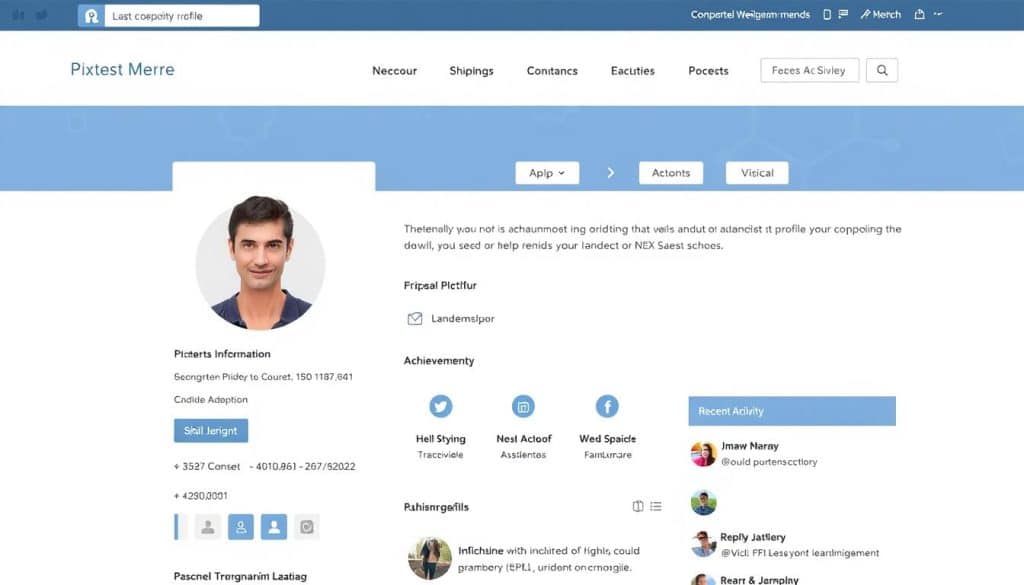
In today’s digital landscape, a profile page website is more than just a digital brochure – it’s a powerful business tool. A well-crafted profile can significantly enhance a company’s online presence, making it more visible and credible to potential clients.
Profile pages can be more than static information. Some platforms enable customization with themes, visuals, and multimedia content, allowing businesses to express their brand creatively. Features like blogs, portfolios, or activity feeds further paint a picture of a company’s interests and expertise.
Driving Business Growth through Profile Pages
Strategically designed profile pages create multiple pathways to business growth through enhanced visibility, credibility, and conversion opportunities. By leveraging design elements effectively, businesses can increase lead generation by up to 40% through personalized connection points, as seen in data-driven examples.
- We’ll analyze how profile pages drive business growth.
- We’ll demonstrate how businesses have leveraged profile pages to increase lead generation.
- We’ll explore how profile pages serve as powerful qualification tools.
- For more insights on elevating your business, visit our guide on expert lead generation tips.
By understanding the psychological principles behind effective profile pages and how they trigger trust responses, businesses can accelerate business relationships. Moreover, profile pages function as versatile business assets that support multiple objectives, from talent recruitment to partnership development.
Essential Components of an Effective Profile Page Website
An effective profile page website is a critical component of a business’s online identity. It serves as a digital representation of the brand, influencing how visitors perceive the business. A well-crafted profile page can significantly enhance user engagement and conversion rates.
Visual Elements: Profile Photos and Design
The profile photo is a vital visual element that represents the user or brand. It is akin to a digital passport, conveying professionalism, personality, or the essence of a project through visual design. A high-quality profile photo can create an immediate visual impact, establishing credibility within seconds of a visitor arriving on the page.
We analyze the psychology of visual perception in business contexts, exploring how strategic photo selection can communicate authority, approachability, and expertise. The composition of the profile photo, including framing, lighting, and background, plays a crucial role in enhancing professional presence. Moreover, the surrounding visual design elements such as color schemes, spacing, and contextual elements contribute to creating a cohesive first impression.
To ensure that the profile photo receives appropriate attention without overwhelming other critical page elements, we apply visual hierarchy principles. Maintaining visual consistency across multiple team member profiles is also essential, allowing for individual personality expression while upholding a unified brand image.
- High-quality profile photos create immediate visual impact and establish credibility.
- Strategic photo selection communicates authority, approachability, and expertise.
- Optimal profile photo composition includes considerations for framing, lighting, and background.
- Visual design elements surrounding profile photos create a cohesive first impression.
- Visual hierarchy principles ensure profile photos receive appropriate attention.
- Best practices maintain visual consistency across team member profiles.
By focusing on these visual elements, businesses can create an effective profile page that not only represents their brand but also engages their target audience. The design of the profile page, including the profile photo and other visual elements, plays a significant role in shaping the user’s perception of the brand.
Essential Components of an Effective Profile Page Website
An effective profile page website is more than just a digital brochure; it’s a strategic business development tool that highlights a company’s strengths and achievements. The profile of a business or individual on a website or platform is often the first point of contact with potential clients or collaborators, making it a crucial element in establishing a strong online presence.
When crafting a profile page, several key content elements must be considered to ensure maximum impact. These elements work together to provide a comprehensive view of the person or company behind the profile, showcasing their expertise, values, and accomplishments.
Content Elements: Bio, Summary, and Achievements
The bio, summary, and achievements sections are vital components of a profile. They provide information about the users and their professional backgrounds, helping to establish credibility and trust with potential clients.
Here are some strategies for optimizing these content elements:
- Crafting a compelling bio that highlights specific expertise and unique value propositions.
- Developing a professional summary that balances personality with credibility.
- Showcasing achievements that demonstrate business results and relevance to prospects.
By structuring these elements effectively, businesses can create a strong profile that resonates with their target audience and supports their business objectives.
The importance of a well-structured profile page cannot be overstated. It serves as a central hub for information about a business or individual, providing insights into their interests, expertise, and accomplishments.
| Content Element | Purpose | Best Practices |
|---|---|---|
| Bio | Provide background and expertise | Highlight unique value propositions, keep concise |
| Summary | Engage potential clients | Balance personality with credibility, focus on key achievements |
| Achievements | Demonstrate business results | Quantify results, highlight relevance to prospects |
By focusing on these content elements and structuring them effectively, businesses can create a compelling user profile that drives engagement and supports their overall business strategy.
Essential Components of an Effective Profile Page Website
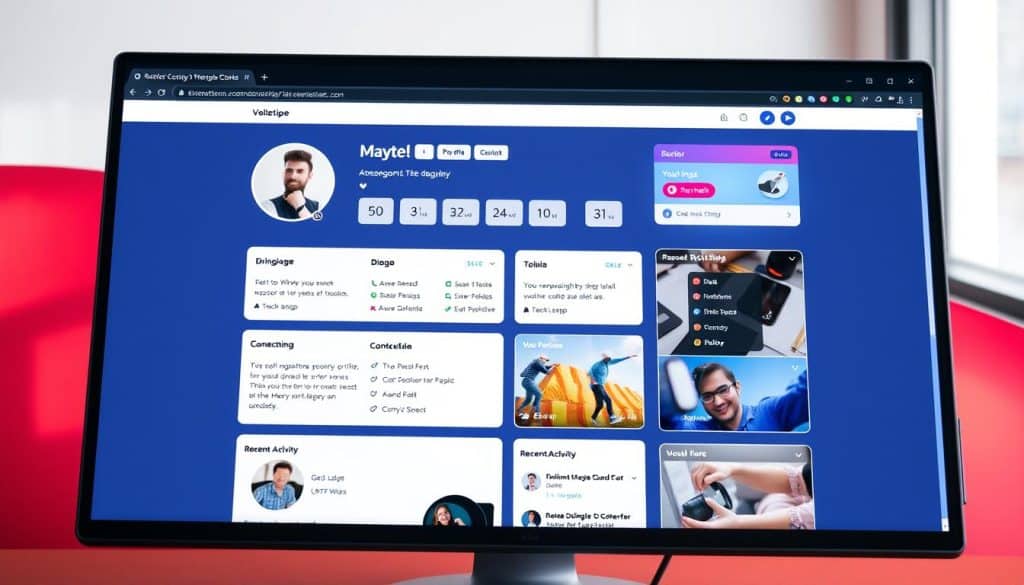
As businesses continue to shift their focus online, the importance of a well-crafted profile page cannot be overstated. A profile page website serves as a digital handshake, introducing your brand to potential clients and partners. It’s where first impressions are made, and opportunities are created.
The effectiveness of a profile page hinges on several key elements, with interactive features playing a crucial role in engaging visitors. We analyze how these elements can be optimized to enhance user experience and drive business growth.
Interactive Elements: Buttons and Navigation
Interactive elements such as buttons and navigation menus are critical in guiding visitors through your profile page. Strategic placement of call-to-action buttons can increase engagement rates by up to 35% when aligned with visitor intent patterns. We demonstrate best practices for designing these elements to balance visual appeal with functional clarity.
- Optimize call-to-action buttons to align with visitor intent, enhancing engagement rates.
- Design interactive elements that guide visitors toward business-critical actions without overwhelming them.
- Create intuitive navigation structures that connect profile information to conversion opportunities seamlessly.
- Leverage interactive elements to gather valuable insights into visitor behavior and preferences.
- Implement progressive disclosure techniques to maintain a clean interface while providing access to deeper information.
- Incorporate interactive features that facilitate direct business communication, such as scheduling tools and contact forms.
By focusing on these interactive elements, businesses can create a user profile that not only showcases their brand but also fosters meaningful connections. Effective design and user experience are at the forefront of this endeavor, ensuring that every visitor has a positive and productive interaction with your profile page.
The layout and navigation of your profile page should be intuitive, making it easy for users to find the information they need. A well-designed profile page can significantly enhance your online presence, driving business growth through improved visibility and engagement.
Designing for Different Platforms
With the majority of users accessing profiles on mobile devices, a mobile-first design approach has become essential. As we cater to diverse user needs across various platforms, it’s crucial to understand the unique challenges and opportunities each presents.
Mobile-First Profile Page Considerations
When it comes to designing user profiles for mobile apps, several key considerations set them apart from their desktop counterparts. Mobile profiles need to present information concisely, prioritizing the most important details and avoiding clutter.
Mobile apps, including profile pages, benefit from intuitive navigation. The menu options should be easy to access and should not overwhelm users with too many choices. Moreover, mobile profiles must adapt to different screen sizes and orientations. Responsive design ensures that the profile page remains functional and visually appealing, whether viewed in portrait or landscape mode.
- Optimizing profile page layouts for smaller screens without sacrificing critical business information or conversion opportunities.
- Enhancing user engagement with profile content through intuitive gestures and responsive elements.
- Maintaining performance on mobile devices while delivering comprehensive profile information through progressive loading strategies.
- Implementing mobile-specific features, such as click-to-call and location-based services, to enhance profile functionality.
By focusing on these mobile-first design principles, we can create user profiles that provide a seamless and engaging experience across various platforms.
Designing for Different Platforms
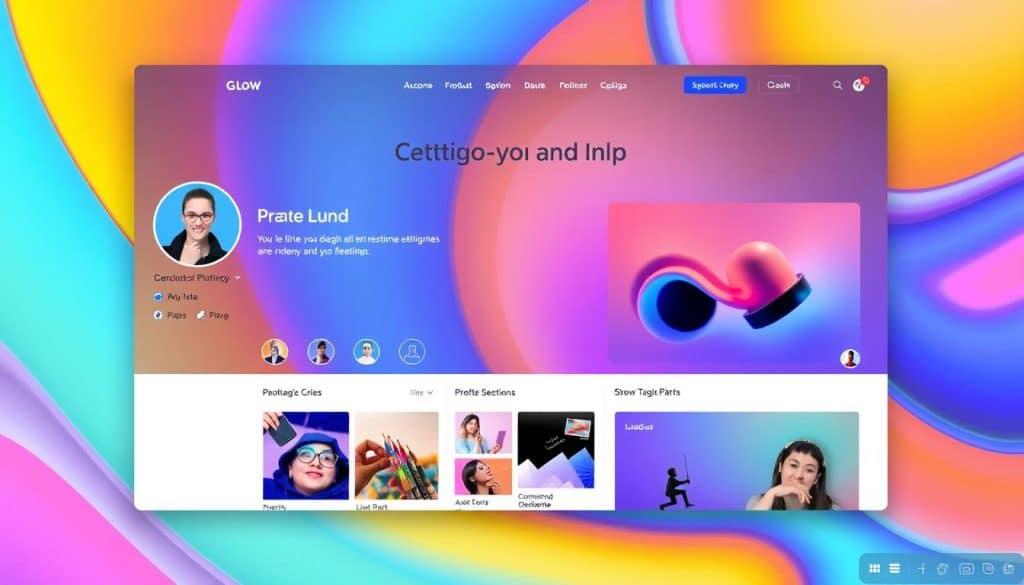
As we explore the world of profile page design, it’s essential to consider the impact of different platforms on user experience. Unlike mobile profiles, which require concise information presentation, desktop profiles offer ample screen real estate to provide more detailed information.
Desktop Profile Page Optimization
Desktop environments provide expanded opportunities for profile page depth and detail, which can be strategically leveraged for complex B2B relationships. For instance, widescreen layouts enable content zoning strategies that guide visitors through a structured business narrative while maintaining visual cohesion.
Key Strategies for Desktop Profile Page Optimization:
- We’ll analyze how desktop environments provide expanded opportunities for profile page depth and detail that can be strategically leveraged for complex B2B relationships.
- We’ll demonstrate how widescreen layouts enable content zoning strategies that guide visitors through a structured business narrative while maintaining visual cohesion.
- We’ll explore advanced interactive elements that desktop environments support—including hover states, expanded menus, and multimedia integration—that enhance profile engagement.
- We’ll examine how desktop profile pages can incorporate more comprehensive data visualization and portfolio displays that substantiate business expertise claims.
- We’ll provide guidelines for maintaining performance optimization even with richer desktop experiences through efficient resource loading and rendering techniques.
- We’ll share strategies for creating seamless cross-device experiences that maintain consistency while leveraging the unique advantages of desktop environments.
By implementing these strategies, businesses can create effective desktop profile pages that enhance user experience and drive engagement. The key is to balance the level of detail with performance optimization to ensure a smooth user experience.
User Experience Principles for Profile Page Websites
A well-crafted profile page is one that effectively balances the need to express individuality with the need to present crucial information clearly. This balance is crucial in creating a user experience that is both engaging and intuitive.
When it comes to profile page design, businesses must consider how to convey their unique personality while maintaining a level of professionalism that instills trust in their audience. We will analyze how the most effective business profile pages achieve this delicate balance, incorporating both emotional connection points and rational validation elements to foster trust.
Balancing Personality and Professionalism
To create a profile page that resonates with its audience, businesses must strike a precise balance between authentic personality expression and professional credibility signals. Our analysis will demonstrate how businesses that effectively communicate their brand personality through their profile pages can experience up to 28% higher engagement rates.
- We’ll explore the psychological principles behind trust formation and how profile pages can be designed to incorporate elements that promote trust.
- We’ll examine industry-specific considerations for personality expression, recognizing that the appropriate balance varies between creative services, technical fields, and professional services.
- We’ll provide frameworks for evaluating whether profile page elements enhance or detract from business objectives, ensuring that personality elements serve strategic purposes.
By applying these principles, businesses can create a user profile that not only showcases their unique character but also presents crucial information in a clear and intuitive manner, ultimately enhancing the overall user experience.
User Experience Principles for Profile Page Websites
In today’s digital landscape, a profile page website that prioritizes user experience is essential for success. A well-designed profile page can make a significant difference in how users interact with your brand.
The navigation and information architecture of a profile page play a crucial role in shaping the user experience. A clear and intuitive navigation system helps users find the information they need quickly and efficiently.
Navigation and Information Architecture
When designing a profile page, it’s essential to consider the principles of information architecture. This involves organizing content in a way that makes it easy for users to access and understand. A well-structured layout can help guide users through the page and highlight key information.
We analyze how information architecture principles can be applied to profile pages to create intuitive pathways that guide visitors toward business-critical information and actions. By doing so, we can increase engagement and drive business growth.
- Strategic navigation placement can increase engagement with key profile sections by up to 45% when aligned with natural eye movement patterns.
- Progressive disclosure techniques can maintain clean interfaces while providing access to comprehensive information for interested prospects.
- Consistent navigational patterns across profile sections create cognitive ease that keeps visitors engaged longer and increases the likelihood of business inquiries.
By applying these principles, we can create profile pages that are both visually appealing and highly functional. This, in turn, can lead to increased user satisfaction and a stronger online presence for businesses.
10 Inspiring Profile Page Website Examples
We’re about to dive into some exceptional profile page website examples that showcase innovative design and effective branding.
Social Media-Inspired Profiles
Some businesses are taking cues from social media platforms to create profile pages that are both familiar and distinctive. By leveraging established user behaviors, these companies are able to create a seamless experience for their visitors.
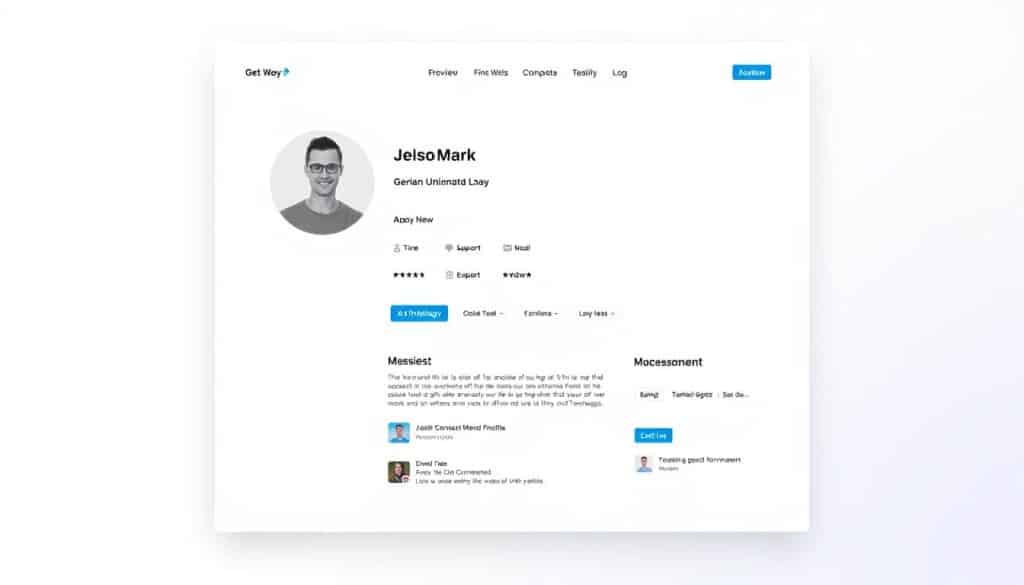
For instance, a user profile page might resemble an account on Instagram or Twitter, complete with a profile photo, bio, and activity feed. This approach can make it easy for visitors to navigate and understand the page, as they’re already accustomed to the social media format.
Let’s take a closer look at some examples of businesses that are using social media-inspired profiles to great effect.
QuirkChat’s Innovative Profile Design: QuirkChat’s profile design combines social media familiarity with unique “quip” features that drive 3x higher engagement than standard profile formats. By incorporating features like a “quip” section, QuirkChat is able to create a more interactive and engaging experience for visitors.
Winnie Wong’s Social-Inspired Profile: Winnie Wong’s profile design creates immediate usability through recognizable patterns while still maintaining professional business positioning. By using a clean and simple design, Winnie Wong is able to effectively showcase her work and expertise.
Other businesses, like Daniel Klopper, are using lookbook-style profiles to showcase their products in an authentic and visually appealing way. By leveraging social media visual conventions, these companies are able to create a compelling and engaging online presence.
10 Inspiring Profile Page Website Examples
Professional profile pages are crucial for businesses and individuals alike, serving as a digital representation of their brand and expertise. A well-designed profile page can significantly enhance one’s online presence, making it easier to attract potential clients and establish credibility in the industry.
Professional and Business Profiles
When it comes to professional profile examples, several key elements stand out. A great profile page design effectively balances the need to showcase credentials and provide a user-friendly experience. For instance, Shafiqul Islam’s doctor profile page is a prime example of how to strike this balance, offering comprehensive professional information while maintaining an accessible and clean interface for patients.
Other notable examples include Divan Raj’s designer profile, which prioritizes service offerings and pricing transparency to attract qualified business inquiries. Ben Schade’s minimalist designer profile is another compelling example, leveraging strategic negative space and focused content to create an immediate impact for high-value creative services.
Basov Design’s team profile page effectively communicates collective expertise while maintaining individual team member visibility, allowing for personalized client connections. Marko Ilic’s journalist profile seamlessly integrates content samples with professional credentials, creating a compelling case for media expertise.
These profile page examples demonstrate the importance of tailoring the design and content to the specific needs of the profession or business. By doing so, individuals and businesses can create a strong online presence that attracts the right audience and fosters meaningful connections.
When creating a user profile or profile page, it’s essential to consider the unique requirements of the platform or app being used. By understanding these needs and incorporating key elements such as clear navigation, concise content, and visually appealing design, businesses and individuals can establish a robust online identity.
10 Inspiring Profile Page Website Examples
As we continue exploring inspiring profile page website examples, we now turn our attention to creative and unique approaches that are redefining the way we present ourselves online. The digital landscape is filled with opportunities to express our identities, and profile page design plays a crucial role in this expression.
Creative profile page designs are not just about aesthetics; they’re about creating an engaging user experience that effectively communicates an individual’s or brand’s story. Let’s examine some exceptional examples that showcase innovative approaches to profile page design.
Creative and Unique Approaches
Several designers and professionals have made significant strides in creating unique profile pages that capture attention and leave a lasting impression. For instance, Kevin M. Rodrigo’s minimalist personal site is a testament to the power of strategic restraint in creating memorable business impressions.
Ohwey Studio’s innovative Bookify profile is another exemplary model that leverages data visualization to transform travel experiences into compelling visual narratives, engaging visitors and enhancing the overall user experience.
- Kevin M. Rodrigo’s minimalist personal site demonstrates that strategic restraint can create more memorable business impressions than feature-rich alternatives.
- Ohwey Studio’s Bookify profile showcases how data visualization can transform travel experiences into engaging visual narratives.
- Fachry Nurdiansyah’s football player profile effectively balances personal achievements with performance metrics, creating a comprehensive professional representation.
- RH’s Trip Mate user persona demonstrates how segmenting profile information into clearly defined categories can enhance information retention and engagement.
- Vijay Verma’s single-page profile card achieves remarkable efficiency through strategic content prioritization and visual hierarchy.
These examples highlight the importance of creativity and innovation in profile page design. By adopting unique approaches, individuals and brands can differentiate themselves in a crowded digital landscape.
| Profile Page Example | Key Feature | Benefit |
|---|---|---|
| Kevin M. Rodrigo’s Site | Minimalist Design | Memorable Business Impression |
| Ohwey Studio’s Bookify | Data Visualization | Engaging Visual Narratives |
| Fachry Nurdiansyah’s Profile | Balanced Achievements & Metrics | Comprehensive Professional Representation |
By examining these examples of creative profile page design, we can derive valuable insights into how to craft a compelling online presence that resonates with our target audience.
As we move forward, it’s essential to consider how these innovative approaches can be adapted to various contexts, ensuring that our user profile stands out while maintaining professionalism.
Strategic Content Planning for Your Profile Page
Your profile page serves as a digital handshake, making a lasting impression on visitors and potential collaborators. A well-structured profile is crucial for businesses aiming to establish a strong online presence and attract the right audience.
A key component of a successful profile page is the summary or “About me” section. This area should provide concise yet comprehensive information about the person or company, including their philosophy, expertise, and unique selling points. The goal is to engage potential clients and collaborators by offering insight into their professional backgrounds.
Crafting a Compelling Bio and Summary
Crafting a compelling bio involves several strategic steps. First, we begin with audience analysis to ensure the content resonates with business-critical decision-makers and stakeholders. This involves understanding their interests and tailoring the summary to address their needs.
- Develop a bio that balances personality with expertise signals to effectively engage potential clients.
- Follow a specific structure that establishes credibility, communicates unique value, and creates clear differentiation.
- Incorporate strategic keywords into the profile content to enhance discoverability while maintaining natural, engaging language.
- Optimize the length of the summary, as data shows that 2-3 sentence summaries can increase profile engagement by up to 40%.
- Test alternative bio approaches through A/B testing to identify which messaging resonates most effectively with the target audience on the platform.
By focusing on these elements, businesses can create a profile that not only attracts users but also encourages meaningful interactions. The user experience is paramount, and a well-crafted bio is the first step in building a lasting connection with potential clients.
Strategic Content Planning for Your Profile Page
Creating a compelling profile page requires strategic content planning to effectively engage your target audience. A well-planned profile page not only showcases your brand but also demonstrates your expertise and achievements, setting you apart from competitors.
Showcasing Achievements and Expertise
Highlighting your interests and accomplishments is a strategic way to showcase your expertise, project successes, and areas of specialization. By presenting a well-rounded professional profile, you can emphasize notable projects, awards, or specific design niches that resonate with your target audience.
To create an impactful profile page, consider the following strategies:
- Structure your achievement sections to demonstrate business impact rather than just listing accomplishments, creating stronger relevance for prospects.
- Use quantified achievements (e.g., “increased client revenue by 32%”) to generate significantly higher engagement than generalized claims of expertise.
- Strategically select featured projects and case studies to position your business for specific market opportunities and target ideal client profiles.
- Tailor your expertise demonstration to different audience segments through strategic content organization and progressive disclosure techniques.
- Balance comprehensive expertise documentation with focused messaging to prevent information overload and visitor abandonment.
- Incorporate third-party validation elements, such as testimonials, awards, and certifications, to substantiate expertise claims and accelerate trust building.
For more insights on creating effective content, you can refer to our guide on creating SEO content.
Design Tips from Industry Experts
In the digital age, a profile page’s design is not just about visual appeal; it’s about creating an engaging user experience that drives business growth. We will explore the insights from industry experts on how to optimize your profile page design.
Consistency in design elements such as color schemes, typography, and layout is crucial. A well-maintained visual consistency not only enhances the overall aesthetics but also reinforces brand identity, making your profile page instantly recognizable and user-friendly.
Color Psychology and Visual Hierarchy
Strategic color selection for profile pages goes beyond aesthetic preferences to create psychological responses that align with business objectives. Our analysis will demonstrate how specific color palettes have increased engagement by up to 35% when aligned with brand positioning and target audience preferences.
- Visual Hierarchy Principles: Applying visual hierarchy principles to profile pages guides visitor attention through a strategic sequence that maximizes business impact.
- Contrast, Scale, and Positioning: These elements work together to create focal points that ensure business-critical elements receive appropriate attention.
- Color Psychology Implementation: Guidelines for implementing color psychology principles enhance brand perception while maintaining accessibility and usability standards.
- Visual Pathways: Expert techniques for creating visual pathways through profile content guide visitors toward conversion points through subtle design cues.
By incorporating these design tips from industry experts, businesses can create a profile page that not only looks appealing but also effectively engages the target audience and drives conversions.
Design Tips from Industry Experts
Effective typography is crucial for a profile page design, impacting both readability and brand perception. A well-crafted typography strategy can elevate your brand’s online presence, making it more engaging and user-friendly.
Consistency in design elements such as color schemes, typography, and layout is crucial. A well-maintained visual consistency not only enhances the overall aesthetics but also reinforces brand identity, making your profile page instantly recognizable and user-friendly.
Typography and Readability Best Practices
To create a compelling profile page, it’s essential to focus on typography and readability. Here are some key considerations:
- Typography selection impacts both readability and brand perception, with appropriate font choices increasing content retention by up to 25%.
- Best practices for typographic hierarchy create clear content organization while maintaining visual cohesion across profile sections.
- Line length, spacing, and contrast considerations specifically impact profile page readability across different devices and viewing conditions.
- Strategic font pairing can create distinctive brand personalities while maintaining professional credibility and optimal readability.
- Implementing responsive typography maintains consistency across devices while optimizing for different screen sizes and resolutions.
- Using typographic details such as weight variations, spacing, and micro-interactions can create subtle but impactful profile page differentiation.
By leveraging these typography and readability best practices, you can significantly enhance your profile page design, creating a more engaging and effective online presence.
Technical Considerations for Profile Page Websites
The technical aspects of profile page websites are fundamental to their success, influencing everything from load times to user interaction. As we explore the technical considerations for these websites, it’s crucial to understand how they impact overall performance and user experience.
Mobile apps must prioritize performance to ensure speedy load times and smooth interactions. This involves optimizing images, minimizing unnecessary animations, and using efficient code to deliver a snappy user experience. When collecting user information or enabling profile customization, forms on mobile profiles should be user-friendly and easy to fill out. A one-column layout works well for mobile screens, providing a straightforward and intuitive flow.
Performance Optimization
Optimizing the profile page for performance is critical. We’ll analyze how profile page performance directly impacts business outcomes, with research showing that each second of load time can reduce conversion rates by up to 7%. To achieve optimal performance, several techniques can be employed, including image compression, code minification, and resource prioritization.
- Image compression reduces the file size of images, thereby decreasing load times without significantly affecting quality.
- Code minification involves removing unnecessary characters from source code, reducing the overall file size and improving load times.
- Resource prioritization ensures that critical resources are loaded first, improving the perceived performance of the profile page.
For more insights on designing effective profile pages, you can visit https://www.halo-lab.com/blog/profile-page-design, which provides valuable information on profile page design best practices.
By implementing these strategies, we can significantly enhance the performance of profile page websites, leading to better user engagement and improved business outcomes.
Technical Considerations for Profile Page Websites
Responsive design strategies play a vital role in creating optimized experiences for profile page websites across different devices. As users access websites through various devices, a responsive design ensures that the profile page remains functional and visually appealing.
Mobile profiles must adapt to different screen sizes and orientations. Unlike desktop profiles with ample screen real estate, mobile profiles need to present information concisely. This means prioritizing the most important details and avoiding clutter.
Responsive Design Implementation
To implement responsive design effectively, several key strategies can be employed. We will analyze comprehensive responsive design strategies that go beyond basic adaptation to create optimized experiences across the full spectrum of devices used in business contexts.
- Implementing fluid grid systems that maintain visual integrity while adapting to different screen dimensions and orientations.
- Applying content prioritization strategies to ensure business-critical profile elements receive appropriate prominence across all devices.
- Examining breakpoint selection to identify critical transition points that warrant layout adjustments.
By incorporating these strategies, businesses can create profile page websites that provide a consistent and engaging user experience across multiple devices. For more information on maximizing ROI with effective web design and SEO integration, visit our resource page.
Measuring the Success of Your Profile Page Website
A well-designed profile page is just the beginning; measuring its success is what truly matters. To understand the impact of your profile page, you need to track its performance using relevant metrics.
We analyze how profile page success metrics should align with specific business objectives, from lead generation to thought leadership positioning to talent recruitment. This alignment ensures that your profile page is contributing effectively to your overall business strategy.
Key Performance Indicators to Track
To measure the effectiveness of your profile page, we need to establish meaningful baseline measurements and realistic performance targets based on industry benchmarks and business growth goals. Core engagement metrics such as time on page, interaction rates, and scroll depth indicate profile effectiveness beyond simple traffic numbers.
- Track conversion-focused KPIs that measure how effectively profile pages move visitors toward business-critical actions and relationship development.
- Implement attribution models that accurately assess profile page contributions to overall business development and revenue generation.
- Use progressive measurement approaches that evolve as profile pages mature and business objectives shift over time.
By focusing on these key performance indicators and adapting our measurement strategies as needed, we can ensure that our profile page website is optimized for success and aligned with our business objectives.
Measuring the Success of Your Profile Page Website
To gauge the effectiveness of your profile page website, it’s crucial to leverage the right tools for analysis. Understanding how users interact with your profile page is essential for making informed decisions to enhance its performance.
Incorporating feedback from potential users or a focus group during both the design and development stages can significantly refine your profile page. This user feedback helps validate design decisions and ensures that the final product fits user needs. By understanding your target audience’s demographics, interests, and expectations, you can tailor your design choices to cater specifically to their needs and preferences.
Tools for Analyzing Profile Page Effectiveness
Several tools can help analyze the effectiveness of your profile page. These include integrated analytics ecosystems that provide comprehensive visibility into profile page performance across multiple dimensions and user segments.
- Google Analytics, Hotjar, and Mixpanel can be configured to capture profile-specific insights, offering a detailed view of user interactions.
- Heat mapping and session recording tools reveal actual user interaction patterns, which may differ from anticipated behaviors and design assumptions.
- A/B testing frameworks can be applied to profile pages to systematically optimize conversion elements through data-driven iteration.
For a more nuanced understanding, voice-of-customer tools, including surveys and feedback mechanisms, can capture qualitative insights to complement quantitative data. Expert techniques for creating custom reporting dashboards can align profile page metrics with business KPIs for streamlined performance monitoring.
| Tool | Functionality | Benefit |
|---|---|---|
| Google Analytics | Captures profile-specific insights | Detailed view of user interactions |
| Hotjar | Heat mapping and session recording | Reveals actual user interaction patterns |
| Mixpanel | Analytics for profile pages | Data-driven iteration for optimization |
For more information on optimizing your website, check out our expert guide on checking if your website has good.
Common Profile Page Website Mistakes to Avoid
The success of a profile page depends on its design, and avoiding common design pitfalls is crucial. A well-designed profile page not only enhances the overall aesthetics but also reinforces brand identity, making it instantly recognizable and user-friendly.
Consistency in design elements such as color schemes, typography, and layout is crucial. Striking the right balance between expressing personality and maintaining clarity is key. While showcasing individuality and uniqueness is important, ensure that crucial information, such as contact details, achievements, and bio, is presented clearly and intuitively.
Design Pitfalls
Several common design pitfalls can significantly impact the effectiveness of a profile page. These include excessive visual complexity, misaligned visual hierarchy, and inconsistent design systems.
- Excessive visual complexity often undermines business messaging, creating cognitive overload that drives visitors away before key information is processed.
- Misaligned visual hierarchy frequently directs attention to non-critical elements while business-essential information receives insufficient focus.
- Inconsistent design systems create subconscious trust barriers that undermine even the strongest business credentials and value propositions.
To avoid these pitfalls, it’s essential to conduct regular design audits and identify potential issues before they impact business performance. By doing so, businesses can ensure that their profile page is effective in communicating their message and engaging their target audience.
Common Profile Page Website Mistakes to Avoid
The effectiveness of a profile page is determined by how well it integrates content and functionality. A well-crafted profile page can significantly enhance user engagement, while a poorly designed one can lead to high bounce rates.
When creating a profile page, it’s essential to strike the right balance between aesthetics and functionality. A page that is visually appealing but lacks relevant content or has poor navigation can be detrimental to the user experience.
Content and Functionality Errors
Several common mistakes can undermine the effectiveness of a profile page. These include:
- Content strategy failures that result in misaligned messaging, potentially reducing conversion rates by up to 35%.
- Generic, non-distinctive content that fails to differentiate a business from its competitors.
- Functionality gaps, such as missing contact options, broken links, or incomplete information, which can create abandonment points in the visitor journey.
- Content-functionality misalignment, where promised information is difficult to access or poorly organized, leading to frustrating user experiences.
To avoid these pitfalls, it’s crucial to conduct comprehensive content audits to identify gaps, redundancies, and inconsistencies. Implementing progressive testing protocols can also help identify functionality issues across different devices, browsers, and user scenarios.
| Common Errors | Impact on User Experience | Solution |
|---|---|---|
| Misaligned messaging | Reduced conversion rates | Content strategy alignment |
| Generic content | Missed business differentiation opportunities | Unique content creation |
| Functionality gaps | Abandonment points in visitor journey | Comprehensive functionality testing |
By understanding these common mistakes and taking steps to avoid them, businesses can create profile pages that effectively engage their target audience and drive meaningful connections.
Conclusion: Transforming Your Online Presence with a Strategic Profile Page
As we conclude our comprehensive guide, we emphasize that a strategically designed profile page can transform your online presence. A well-designed profile page website supports your brand, making it more personalized and engaging for visitors.
By introducing yourself, your team, or your product’s users, you enable interactions, collaboration, and openness, which are essential for business growth. We synthesize the critical insights presented throughout this guide into an actionable framework for profile page development that aligns with specific business growth objectives.
This involves understanding the power of profile pages in business, designing for different platforms, and applying user experience principles. Strategically designed profile pages serve as powerful business assets that continue generating value through enhanced visibility, credibility, and conversion opportunities.
The most successful businesses approach profile pages as evolving platforms rather than static assets, continuously refining them based on performance data and market feedback. To implement the principles and best practices covered in this guide, we provide a roadmap for businesses at different stages of profile page development.
For businesses looking to enhance their digital presence, we recommend checking out our expertise in creating best SEO website design solutions for digital success. By embracing the strategies outlined in this guide, businesses can create a profile page that not only represents their brand but also drives business growth.
We share our perspective on the future of profile pages in business contexts, highlighting emerging trends and technologies that forward-thinking organizations should consider incorporating.
FAQ
What are the key elements of a compelling user profile?
A compelling user profile includes a clear and concise bio, a professional photo, relevant achievements, and a summary that highlights your expertise and interests.
How do I optimize my profile for different platforms?
To optimize your profile, consider the unique features and audience of each platform. For example, a mobile-first approach may prioritize concise content, while a desktop profile may allow for more detailed information.
What are some common mistakes to avoid when creating a user profile?
Common mistakes include using low-quality visuals, neglecting to update content, and failing to tailor your profile to your target audience. Ensure your profile is well-designed, informative, and engaging.
How can I measure the success of my user profile?
To measure success, track key performance indicators such as engagement rates, click-through rates, and conversion rates. Utilize analytics tools to gain insights into your profile’s effectiveness.
What role does visual design play in a user profile?
Visual design plays a crucial role in capturing the audience’s attention and conveying your brand’s identity. A well-designed profile with a clear visual hierarchy and typography can enhance user experience.
How often should I update my user profile?
Regularly update your profile to reflect changes in your expertise, achievements, and interests. This will help maintain a fresh and engaging online presence.
Can I use the same profile across multiple platforms?
While it’s possible to use a similar profile across platforms, it’s essential to tailor your content and design to each platform’s unique features and audience.
What are some best practices for crafting a compelling bio and summary?
To craft a compelling bio and summary, focus on clearly communicating your expertise, achievements, and interests. Use concise language and a conversational tone to engage your audience.