
In Qatar’s rapidly evolving digital ecosystem, having a robust online presence is no longer a luxury, but a necessity for businesses aiming to drive growth and stay competitive.
As website development continues to play a crucial role in this digital transformation, understanding the essentials of creating effective online platforms is vital.
We will explore how custom website solutions can drive business growth and improve customer experiences in Qatar, and provide insights into the fundamental concepts and processes that form the backbone of effective website development.
Key Takeaways
- Understanding the importance of a strong online presence for business growth in Qatar.
- Key elements of effective website development for the Qatari market.
- How custom website solutions can drive business growth and improve customer experiences.
- The role of front-end and back-end development in creating robust online platforms.
- Essential steps in the website development process tailored for Qatar-based businesses.
Understanding Web Development Fundamentals

As businesses in Qatar continue to expand their digital footprint, understanding the fundamentals of web development becomes increasingly crucial. Web development is the backbone of any successful online presence, serving as the bridge between businesses and their online consumers.
What is Web Development?
Web development refers to the process of building and maintaining websites. It combines programming, problem-solving, and creativity to create engaging online experiences. Effective web development is crucial for businesses aiming to establish a strong online presence.
At its core, web development involves several key aspects, including web design, content creation, and coding. By leveraging these elements, businesses can create websites that not only attract but also retain customers.
The Importance of Web Programming for Business Growth
Web programming is vital for business growth in today’s digital age. It enables businesses to create dynamic, interactive websites that engage customers and drive conversions. By investing in web programming, businesses can improve their online visibility, enhance user experience, and ultimately boost their bottom line.
| Benefits of Web Programming | Description |
|---|---|
| Improved Online Visibility | Enhances search engine rankings and attracts more visitors |
| Enhanced User Experience | Creates interactive and engaging online experiences |
| Increased Conversions | Drives sales, leads, and other desired actions |
Web Development Landscape in Qatar
Qatar’s web development landscape is rapidly evolving, driven by the country’s Vision 2030 and its emphasis on digital transformation. The Qatari market presents unique opportunities and challenges for web development, including multilingual requirements and cultural considerations.
The growing ecosystem of tech talent in Qatar provides new opportunities for businesses to find local development expertise. As the country continues to invest in digital infrastructure, the demand for professional web development services is expected to rise.
Essential Programming Languages for Web Development
To build a robust online presence, understanding essential web programming languages is key. Web development is a multifaceted field that requires a combination of skills and knowledge in various programming languages.
HTML: Building the Structure
HTML (Hypertext Markup Language) is the backbone of any website, providing the structure that browsers render to display web pages. Learning HTML is fundamental for web development, as it defines the different elements on a page, such as headings, paragraphs, and links.
For beginners, learning HTML involves understanding tags, attributes, and how to create a basic web page structure. Resources like online tutorials and coding boot camps can provide hands-on experience.
CSS: Styling Your Website
CSS (Cascading Style Sheets) is used to control the layout and visual styling of web pages written in HTML. Understanding CSS basics is crucial for creating visually appealing and user-friendly websites.

CSS tutorials can guide you through selectors, properties, and values, teaching you how to apply styles effectively. Mastering CSS allows developers to create responsive designs that adapt to different screen sizes and devices.
JavaScript: Adding Interactivity
JavaScript is a programming language that adds interactivity to websites, making them more engaging for users. It’s used for creating interactive elements like forms, animations, and dynamic updates.
We leverage JavaScript to transform static websites into dynamic platforms. Its capabilities include:
- Creating responsive user interfaces that enhance user experience.
- Implementing features like form validation and interactive maps.
- Using frameworks like React, Angular, and Vue to accelerate development.
- Enabling analytics tracking and user behavior monitoring.
- Improving conversion rates by creating smoother user journeys.
For e-commerce businesses in Qatar, JavaScript powers essential functionalities like shopping carts and payment processing integrations, making it a vital tool for business growth.
Frontend vs. Backend Development
In the world of web development, understanding the distinction between frontend and backend development is crucial for businesses in Qatar. As we explore these two fundamental aspects, it becomes clear that both are essential for creating a comprehensive web solution.
Frontend Development Explained
Frontend development focuses on creating the user interface and user experience (UI/UX) of a website or web application. It involves using HTML, CSS, and JavaScript to build the client-side of the application. Frontend developers ensure that the website is visually appealing, responsive, and interactive. For businesses in Qatar, a well-designed frontend is crucial for engaging customers and providing a seamless user experience.
Backend Development Essentials
Backend development, on the other hand, involves server-side development, focusing on the logic, database integration, and API connectivity. Backend developers use programming languages like Java, Python, and PHP to create server-side applications. They ensure that the data is properly stored, retrieved, and manipulated, providing the necessary data to the frontend for display. For Qatari businesses, robust backend development is vital for managing data and ensuring the scalability of their web applications.
Full Stack Development: Combining Both Worlds
Full stack development combines both frontend and backend development, enabling developers to work on all layers of a web application. Full stack developers possess a versatile skill set that allows them to handle everything from UI/UX design to server-side logic and database management. For businesses in Qatar, working with full stack developers can streamline the development process, reducing costs and improving project delivery times. Popular full stack technologies include MERN Stack and LAMP Stack, which offer comprehensive solutions for web development. To learn more about web application terminology, visit our resource on web application terminology.
The Web Development Process Step-by-Step
The web development process is a multi-step journey that transforms your business vision into a fully functional online presence. This complex process involves several critical stages, from initial planning to launch and ongoing maintenance.
Planning and Strategy
The first step in the web development process is planning and strategy. We work closely with you to understand your business goals, target audience, and unique requirements. This stage involves market research, competitor analysis, and defining the website’s purpose and functionality.
Wireframing and Prototyping
Once we have a clear strategy, we move on to wireframing and prototyping. This stage involves creating a visual representation of your website, outlining the layout, navigation, and key features. Wireframes and prototypes help us visualize the final product and make necessary adjustments before proceeding to development.
Development and Coding
The development stage is where your website starts to take shape. Our team of skilled developers writes clean, efficient code to bring your site to life. We focus on creating a seamless user experience, ensuring that your website is both visually appealing and highly functional.
Testing and Quality Assurance
Before your website goes live, we conduct thorough testing and quality assurance. This stage involves checking for bugs, ensuring cross-browser compatibility, and verifying that all features work as intended. We also conduct performance optimization to ensure your site loads quickly and efficiently.
Launching and Maintenance
The final step is launching your website and ensuring its ongoing maintenance. We approach website launching as a carefully orchestrated process that includes server configuration, domain setup, content migration, and final quality checks. Post-launch maintenance is crucial for keeping your site secure, updated, and aligned with your evolving business needs. Regular updates and monitoring are essential to maintain performance and ensure your website remains a valuable online asset.
Basic Web Programming Tools and Resources
To accelerate web development, businesses in Qatar can leverage a variety of tools and resources. These tools not only streamline the development process but also enhance the quality and functionality of the final product.
Code Editors and IDEs
For beginners, choosing the right code editor or Integrated Development Environment (IDE) is crucial. Popular choices include Visual Studio Code, Sublime Text, and Atom, which offer a range of features such as syntax highlighting, code completion, and debugging tools. These editors are highly customizable and support a wide range of programming languages, making them ideal for web development projects.
Frameworks and Libraries
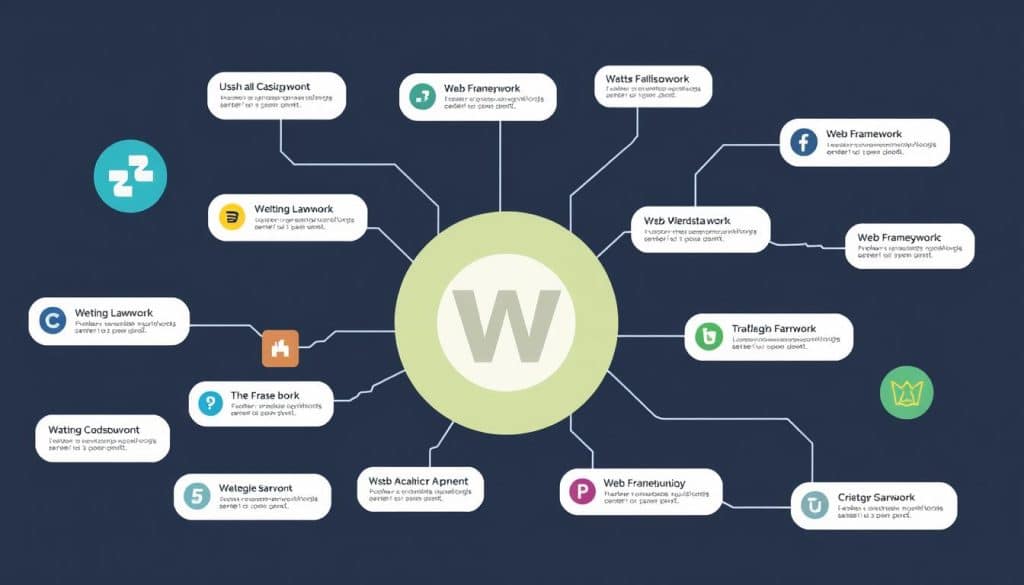
Frameworks and libraries provide pre-written code that developers can use to speed up the development process. They offer templates and functions for common tasks, making it easier to build complex websites. For instance, expert PHP web app development services in utilize frameworks like Laravel to deliver high-quality web applications efficiently.
Learning Resources for Qatar-based Businesses

We’ve curated specific learning resources tailored to Qatar-based businesses looking to develop web programming capabilities or better understand the development process. Online learning platforms like Udemy, Coursera, and LinkedIn Learning offer courses on web development fundamentals, many with Arabic language options or subtitles. Additionally, local resources include workshops and training programs offered by Qatar’s Ministry of Communications and Information Technology and the Digital Incubation Center.
Database Management for Business Websites
In the digital landscape of Qatar, a well-managed database is the backbone of any successful business website. We approach database selection as a strategic business decision that should be based on specific requirements, data characteristics, expected growth, and available technical expertise.
Relational Databases: MySQL and PostgreSQL
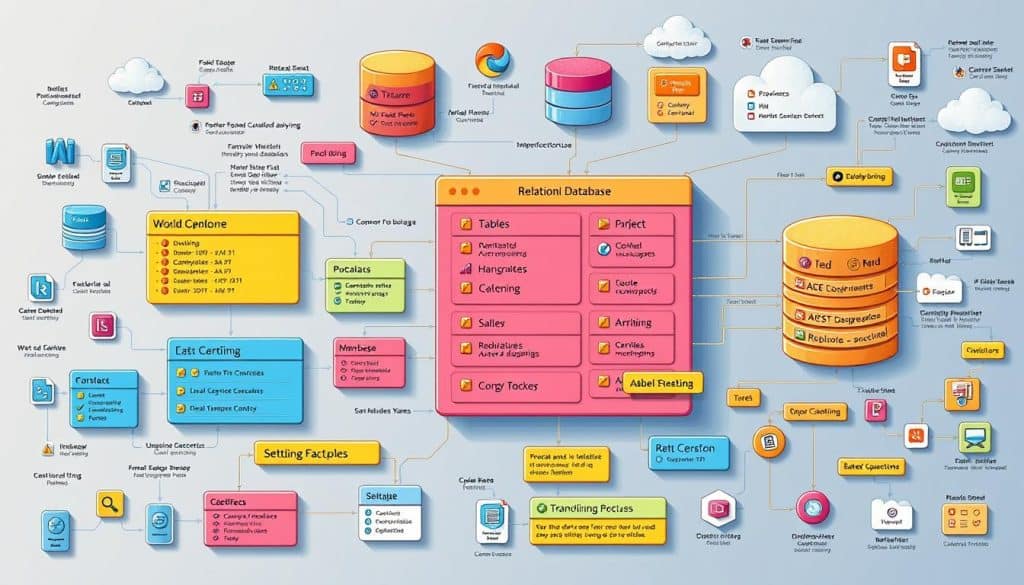
Relational databases like MySQL and PostgreSQL use structured tables and SQL for queries, making them ideal for applications that require data integrity and complex transactions. For instance, a MySQL database tutorial can guide you through setting up and managing your relational database effectively.
NoSQL Databases: MongoDB and Redis
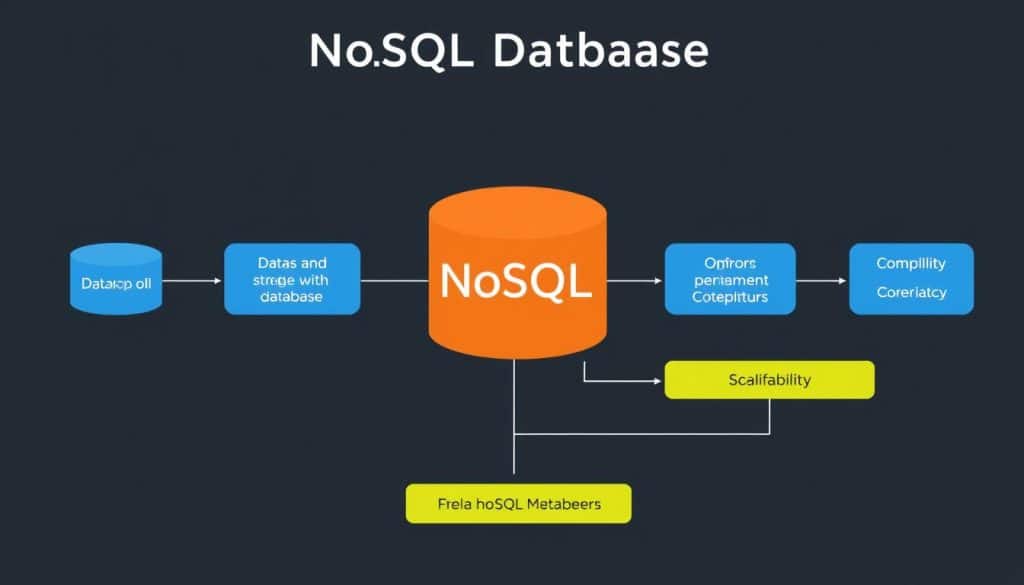
NoSQL databases such as MongoDB and Redis store data in flexible, document-oriented formats, offering advantages for handling unstructured data and achieving horizontal scalability. A MongoDB basics tutorial can help you understand how to leverage NoSQL databases for your business needs.
Choosing the Right Database for Your Business Needs
The right database solution depends on factors including data structure, query patterns, transaction volume, scalability needs, and integration requirements with existing systems. We guide you through evaluating critical factors like performance requirements, data volume projections, backup and recovery needs, and security considerations to make an informed decision.
For Qatar-based e-commerce businesses, databases must efficiently handle product catalogs, customer data, order processing, and payment transactions while maintaining performance under varying loads. Understanding the total cost of ownership, including licensing, hosting, maintenance, and required expertise, helps make economically sound database decisions.
Implementing Web Programming for Business Growth in Qatar
The implementation of web programming is a key factor in driving business growth in Qatar’s competitive market. As we help businesses thrive online, we focus on creating robust web development strategies.
Creating an Effective Online Presence
To establish a strong online presence, Qatar-based businesses must prioritize web development that is both functional and visually appealing. This involves creating websites that are not only aesthetically pleasing but also provide a seamless user experience. Our approach includes optimizing website design for various devices, ensuring that your online presence is accessible to a broad audience.
By focusing on user-centric design and intuitive navigation, we help businesses engage their target audience more effectively. This strategic approach to web development is crucial for building a loyal customer base in Qatar’s digital marketplace.
Localizing Your Website for the Qatari Market
Localizing your website for the Qatari market involves more than just translating content; it requires a deep understanding of local culture, preferences, and regulatory requirements. We ensure that your website is tailored to meet the specific needs of Qatari customers, enhancing its relevance and appeal.
By incorporating local elements and ensuring compliance with regional regulations, we help businesses establish a strong foothold in the Qatari market. This localized approach to web development is essential for attracting and retaining customers in this unique cultural context.
Integrating E-commerce Capabilities
For businesses looking to expand their online presence through e-commerce, we provide comprehensive solutions that cater to the Qatari market. Our e-commerce integration services include developing secure and user-friendly online shopping experiences, complete with product catalog management, shopping cart functionality, and secure payment processing.
By leveraging our expertise in e-commerce integration, Qatar-based retailers can tap into new revenue streams and gain a competitive edge in the digital marketplace. We also ensure that our e-commerce solutions are optimized for mobile devices, reflecting the high smartphone penetration rates in Qatar.
Conclusion: Taking Your Qatar Business Online with Basic Web Programming
As Qatar continues its digital transformation under Vision 2030, understanding web programming basics is becoming increasingly crucial for businesses. We’ve explored the essential web development concepts, languages, and processes that can drive business growth in Qatar’s rapidly evolving digital landscape.
For businesses in Qatar, investing in web programming is not just about creating a digital presence—it’s about establishing a foundation for sustainable growth in an increasingly connected economy. We encourage businesses to start with clear objectives, choose appropriate technologies, and prioritize user experience to maximize the return on their web development investment. For more insights, visit our article on Empowering Digital Growth.
Whether you’re developing in-house capabilities or partnering with professional developers, such as those at Cres VIP, the knowledge gained from this guide provides a solid foundation for successful web programming implementation. The future of business in Qatar is increasingly digital, and basic web programming knowledge is becoming an essential business skill.
FAQ
What are the essential skills required for a full stack developer?
A full stack developer should possess skills in both frontend and backend development, including proficiency in languages like JavaScript, HTML/CSS, and knowledge of frameworks and libraries such as React, Angular, or Vue.js, as well as experience with server-side technologies like Node.js, Ruby on Rails, or Django.
How do I choose the right database for my business website?
Choosing the right database depends on your business needs, including the type of data you need to store, the scalability requirements, and the complexity of your application. Relational databases like MySQL and PostgreSQL are suitable for structured data, while NoSQL databases like MongoDB and Redis are ideal for handling large amounts of unstructured or semi-structured data.
What is the difference between frontend and backend development?
Frontend development focuses on creating the user interface and user experience of a website or application using HTML, CSS, and JavaScript, while backend development involves server-side development, including server-side logic, database integration, and API connectivity, using languages like Java, Python, or Ruby.
How can I ensure my website is optimized for the Qatari market?
To optimize your website for the Qatari market, consider localizing your content, using Arabic language support, and ensuring that your website complies with local regulations and cultural norms. You should also consider factors like payment gateways, shipping options, and customer support tailored to the Qatari market.
What are the benefits of using a Content Management System (CMS) for my business website?
Using a CMS can simplify the process of creating and managing content on your website, allowing you to focus on other aspects of your business. A CMS also provides a user-friendly interface for non-technical users to update content, and it can be easily extended with plugins and modules to add new functionality.
How can I measure the success of my web development project?
To measure the success of your web development project, track key performance indicators (KPIs) such as website traffic, engagement metrics, conversion rates, and return on investment (ROI). You can use analytics tools like Google Analytics to monitor your website’s performance and make data-driven decisions to improve it.