

In Qatar, a staggering 95% of consumers use search engines to find local businesses online, highlighting the critical need for a robust online presence. With internet penetration at 97% and online shopping growth soaring by 30% in 2022, businesses must adapt to the evolving digital landscape.
We provide expert web development services tailored to Qatar’s growing digital marketplace, helping businesses establish powerful online presences. Our team understands the differences between websites and web applications, enabling us to recommend the optimal solution based on your specific business requirements.
Key Takeaways
- Expert web development services for Qatar businesses
- Tailored solutions for the Qatari digital marketplace
- Understanding the differences between websites and web applications
- Optimal solutions based on specific business requirements
- Establishing powerful online presences
Understanding Web Apps and Websites: Key Differences

As Qatar’s business environment continues to evolve, understanding the distinction between web apps and websites becomes essential. In the digital age, both web applications and websites serve as crucial tools for businesses aiming to establish a robust online presence. However, they cater to different needs and offer unique functionalities.
What is a Website?
A website is essentially a collection of related webpages hosted on a server, accessible via a Uniform Resource Locator (URL). It’s primarily designed to provide static content to users, making it an ideal platform for businesses looking to share information about their products, services, mission, and values.
Websites are typically structured around a homepage, about page, services or products pages, and contact information. They are generally straightforward to deploy and require less technical maintenance compared to web applications.
- Primarily informational
- Static content
- Easy to deploy
- Less technical maintenance
What is a Web Application?
A web application, or web app, is a software application that runs on a web server and is accessed through a web browser. Unlike websites, web apps are designed to provide interactive services, allowing users to perform specific tasks, manipulate data, and engage in complex interactions.
Web applications are built using scripting languages like PHP, Perl, or Java and often rely on databases such as MySQL or PostgreSQL to store and manage data. They offer dynamic functionality, enabling personalized user experiences and real-time data processing.
- Interactive and dynamic
- Complex functionalities
- Requires sophisticated development
- Ongoing support necessary
Understanding these key differences is crucial for businesses in Qatar to determine the most suitable digital solution for their operational needs and customer engagement strategies. Whether to opt for a website or a web application depends on the specific goals, budget, and requirements of the business.
The Evolution of Web Technology in Qatar's Business Landscape

Qatar’s business landscape is undergoing a significant transformation, driven by the rapid evolution of web technology. As consumers become more tech-savvy, digital businesses are taking the place of traditional bricks and mortar.
Current Digital Trends in Qatar
The country’s strategic vision for a knowledge-based economy has accelerated the adoption of advanced web technologies across various sectors, including finance, healthcare, retail, and hospitality. Some key trends include:
- Increased adoption of web applications for enhanced customer engagement
- Growing emphasis on mobile responsiveness and user experience
- Rise of progressive web apps and hybrid solutions
We’ve observed a significant shift in how Qatar businesses approach their digital presence, with a greater emphasis on user experience and integration with business systems.
How Qatar Businesses Are Embracing Web Solutions
Modern Qatar businesses are moving beyond basic websites toward more interactive web apps that enable seamless customer engagement and streamlined business operations. The COVID-19 pandemic served as a catalyst for digital adoption, pushing many traditional Qatar businesses to embrace web solutions as essential business infrastructure.
| Industry | Web Technology Adoption | Benefits |
|---|---|---|
| Finance | Advanced web applications | Enhanced security and transaction efficiency |
| Retail | E-commerce platforms and progressive web apps | Increased customer engagement and sales |
| Healthcare | Telemedicine web applications | Improved patient care and accessibility |
Web App vs Website: Technical Comparison
When deciding between a web app and a website, understanding their technical differences is crucial. This comparison will help businesses in Qatar make informed decisions about their digital presence.
Development Technologies and Frameworks
The development of websites typically relies on HTML, CSS, and basic JavaScript, making them relatively straightforward to develop and maintain. In contrast, web applications employ more complex technology stacks, often incorporating backend frameworks like Laravel, Django, or Ruby on Rails, and frontend frameworks such as React, Angular, or Vue.js. For instance, a simple website might use HTML and CSS, while a web app could utilize a range of programming languages, including Python, PHP, C#, TypeScript, Ruby, and Java, depending on the required functionality.
Performance and Functionality Differences
The performance considerations for websites and web applications differ significantly. Websites generally load faster initially but offer limited functionality, whereas web applications may have longer initial load times but provide richer user experiences. To illustrate the differences, consider the following table:
| Characteristics | Websites | Web Applications |
|---|---|---|
| Development Complexity | Relatively simple | More complex |
| Initial Load Time | Faster | Slower |
| Functionality | Limited | Rich user experience |
Security Considerations
Security is a critical aspect when comparing web apps and websites. Web applications, due to their interactive nature and data processing capabilities, require robust authentication systems, data encryption, and regular security audits. For Qatar businesses handling sensitive customer information or financial transactions, the enhanced security protocols available in properly developed web applications often make them the preferred choice, despite higher development costs. For more insights on choosing between a website and a web application, you can visit our detailed guide on what to choose between a website and a web.
5 Key Benefits of Websites for Qatar Businesses
For businesses in Qatar, having a website is no longer a luxury, but a necessity in today’s digital landscape. Websites offer a multitude of benefits that can significantly impact a business’s online presence and overall success.
Cost-Effectiveness and Quick Deployment
Websites are typically less expensive to develop and maintain than web applications, primarily because they require less complex functionality and back-end infrastructure. This cost-effectiveness allows Qatar businesses to establish an online presence quickly, often within weeks. The streamlined web development process for websites enables businesses to launch their digital presence without the lengthy timelines associated with web application development.
Accessibility and User Familiarity
Websites are universally accessible across all devices and browsers, ensuring that Qatar businesses can reach the widest possible audience without technical barriers. Moreover, users are familiar with standard website navigation patterns, which reduces the learning curve for visitors and results in better engagement metrics and lower bounce rates for business websites.
SEO Advantages and Discoverability
Websites excel in search engine optimization (SEO), making them highly discoverable through organic search. This is a critical advantage for Qatar businesses looking to attract new customers through Google and other search engines. By optimizing their website for search engines, businesses can improve their online visibility and drive more traffic to their site.
5 Compelling Reasons to Choose Web Applications
When it comes to establishing a robust online presence, Qatar businesses are increasingly turning to web applications for their dynamic capabilities. Web applications offer a range of benefits that can significantly enhance a business’s digital strategy.
Enhanced User Interaction and Engagement
Web applications deliver superior user engagement through interactive features that transform passive visitors into active participants. This creates more meaningful connections with your Qatar business, fostering a more personalized experience for users. By leveraging web apps, businesses can increase user interaction, leading to higher conversion rates and customer satisfaction.
Scalability and Business Growth Potential
The inherent scalability of properly architected web applications supports business growth without requiring complete rebuilds as user numbers and data processing needs increase. This scalability is crucial for Qatar businesses looking to expand their operations and reach new markets. By choosing a web app, businesses can ensure their digital infrastructure can adapt to growing demands.
Data Management and Processing Capabilities
Web applications offer robust data management capabilities, enabling Qatar businesses to collect, analyze, and leverage customer information for personalized experiences and data-driven decision making. With better control over user data, businesses can enhance their operational efficiency and make informed decisions.
Choosing Between Web App and Website Development for Your Qatar Business
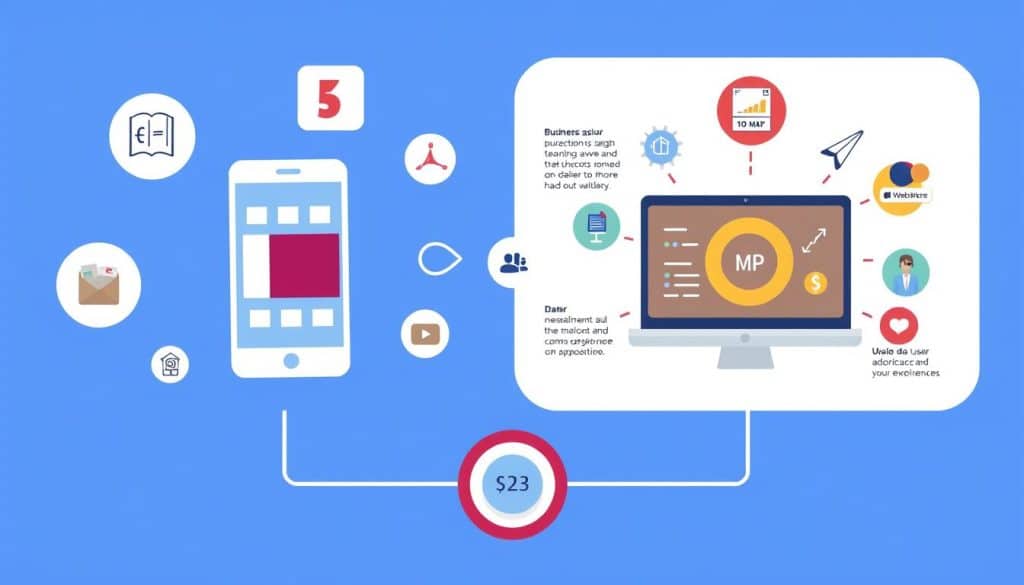
The choice between developing a web application or a website for your Qatar business hinges on several key factors, including your business goals, budget, timeline, and target audience.
Business Goals Assessment
Assessing your business goals is the first step in deciding between a web app and a website. If your primary objective is to inform or provide static content, a website might be the more suitable choice. However, if you aim to engage users with interactive features or enable complex transactions, a web application could be more appropriate. We recommend evaluating whether you need to inform, engage, or enable transactions to determine the best digital solution for your Qatar business.
Budget and Timeline Considerations
Budget and timeline are crucial factors in the decision-making process. Websites typically require less initial investment and can be developed more quickly, often within weeks. In contrast, sophisticated web applications demand more significant upfront investment and may require months of development and testing. For instance, if you’re looking to launch a digital presence quickly, a website might be the more feasible option. However, if you have the budget and are willing to invest time, a web application can offer more advanced functionalities.
Target Audience Analysis
Understanding your target audience is essential when choosing between a website and a web application. Consider their technical proficiency, device preferences, and how they interact with digital content. For businesses targeting a broad audience in Qatar, a website might be more accessible due to its simplicity and SEO advantages. On the other hand, if your audience is tech-savvy and expects interactive features, a web application could provide a more engaging user experience. Conducting a competitive analysis, as seen in our guide on choosing between website, web application, and mobile application, can also help inform your decision.
For many Qatar businesses, the optimal solution may involve a phased approach, starting with a website and gradually incorporating web application features as business needs evolve and budgets allow. Our consultative approach helps Qatar businesses make this critical decision by evaluating specific use cases, technical requirements, and long-term digital strategy objectives.
Custom Development Solutions for Qatar's Unique Market
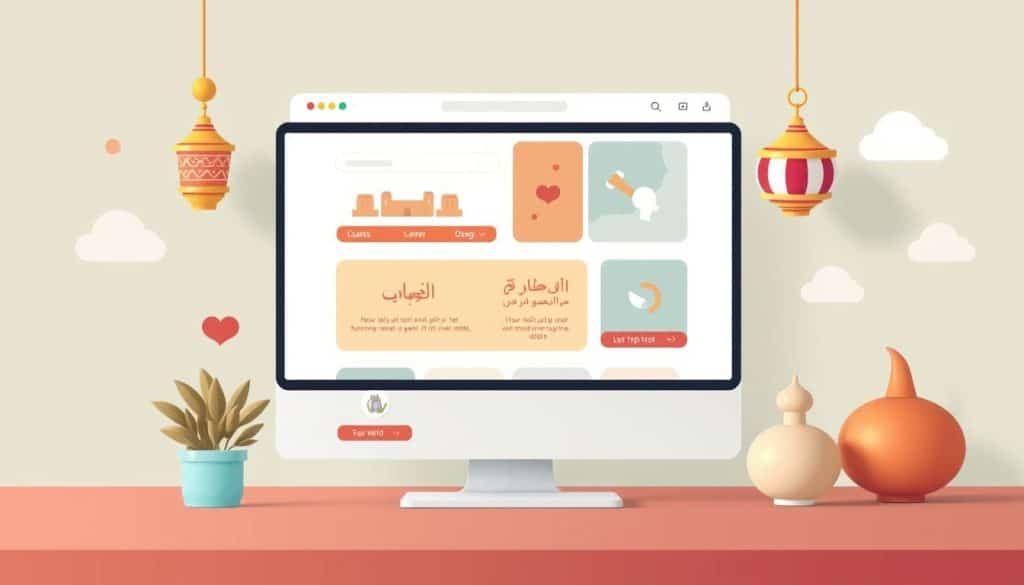
In Qatar’s rapidly evolving digital landscape, custom web development solutions are crucial for businesses aiming to establish a strong online presence. We specialize in creating tailored web applications and websites that not only respect local cultural norms but also comply with Qatar’s digital regulations.
Localization and Cultural Considerations
Our custom development approach ensures that all web solutions are designed with Qatar’s unique cultural context in mind. This includes incorporating Arabic language support and right-to-left (RTL) design considerations to cater to the local population.
We create bilingual web experiences that seamlessly transition between Arabic and English interfaces, maximizing reach across Qatar’s diverse population. Our development team also incorporates Qatar-specific payment gateways, shipping solutions, and business processes that align with local market expectations and requirements.
Compliance with Qatar's Digital Regulations
Our custom development solutions ensure compliance with Qatar’s specific digital regulations and data protection requirements. For businesses operating in regulated industries like finance, healthcare, or education, we implement specialized compliance features that satisfy Qatar’s sector-specific digital regulations.
By leveraging our expertise in custom web development, businesses in Qatar can achieve an outstanding online presence while adhering to local regulations. We improve current systems or build fully bespoke projects, utilizing a range of technologies including PHP, SQL, Javascript, and more. For more information on our professional web design and social media management services, visit our services page.
Progressive Web Apps: The Best of Both Worlds for Qatar Businesses

As Qatar’s digital ecosystem matures, Progressive Web Apps are becoming the go-to solution for businesses seeking to leverage the strengths of both web and mobile applications. Progressive Web Apps (PWAs) represent an innovative hybrid solution that delivers the best aspects of both websites and web applications for forward-thinking Qatar businesses.
PWA Benefits for the Qatar Market
PWAs offer Qatar businesses significant advantages, including offline functionality, push notifications, and app-like experiences without the complexity of native mobile app development. For Qatar’s mobile-first consumer base, PWAs provide superior performance on limited bandwidth connections and lower-end devices, expanding your potential customer reach. Our PWA implementation approach focuses on creating seamless experiences that work across all devices while maintaining the discoverability benefits of traditional websites.
Implementation Strategies and Success Stories
The implementation of PWAs can dramatically improve user engagement metrics for Qatar businesses, with case studies showing increased session duration and return visit rates. We’ve successfully implemented PWA strategies for Qatar businesses across retail, hospitality, and service sectors, creating compelling digital experiences that drive measurable business results. Qatar businesses particularly benefit from PWAs’ reduced data usage and improved loading speeds – critical factors in the region’s mobile usage patterns and connectivity infrastructure.
Conclusion: Making the Right Digital Investment for Your Qatar Business
Qatar businesses face a critical juncture in their digital journey, where the choice between web applications and websites can significantly impact their success. The decision represents a strategic digital investment that will affect online success and operational efficiency.
To make an informed decision, we recommend a thorough assessment of your specific business requirements, considering factors such as user interaction needs, data processing requirements, and long-term scalability goals. Our expertise in both website and web application development enables us to provide unbiased recommendations tailored to your unique situation.
Many successful Qatar businesses adopt hybrid approaches, starting with core website functionality and incorporating web application features as their digital maturity evolves. Security considerations should be paramount, particularly for businesses handling sensitive customer data. Our team offers comprehensive consultation services to help navigate this critical decision, ensuring your digital investment delivers maximum return and positions your company for sustainable growth in line with Qatar’s Vision2030 goals.
FAQ
What is the primary difference between a web application and a website?
A website is primarily used for informational purposes, whereas a web application is designed to provide interactive services, allowing users to perform specific tasks or transactions.
How do I determine whether my Qatar business needs a web application or a website?
We assess your business goals, target audience, and required functionality to recommend the most suitable digital solution, ensuring alignment with your objectives and maximizing ROI.
What are the key security considerations for web applications handling sensitive data?
We prioritize robust security measures, including data encryption, secure authentication, and regular updates, to protect sensitive information and maintain compliance with Qatar’s digital regulations.
Can progressive web apps (PWAs) benefit my Qatar-based business?
Yes, PWAs offer the advantages of both websites and web applications, providing a seamless user experience, improved performance, and enhanced engagement, making them an attractive solution for businesses in Qatar.
How do I ensure my web application or website complies with Qatar’s digital regulations?
We stay up-to-date with Qatar’s regulatory landscape, incorporating necessary compliance measures into our development process to ensure your digital solution meets all relevant standards and requirements.
What factors should I consider when budgeting for web application or website development?
We consider factors such as project complexity, required features, and scalability needs to provide a comprehensive cost estimate, ensuring transparency and alignment with your budget expectations.
How can I measure the success of my web application or website?
We track key performance indicators (KPIs) such as user engagement, conversion rates, and return on investment (ROI) to evaluate the effectiveness of your digital solution and identify areas for improvement.