

Did you know that WordPress powers over 43% of all websites on the internet, making it the most popular content management system for businesses and individuals looking to establish a strong online presence? At WPBeginner, we’ve spent over 16 years helping more than 2 million people build their WordPress websites, and we’re here to guide you through the process.
Creating a professional website that attracts visitors and engages your audience requires selecting the right hosting provider, choosing appropriate themes and plugins, and optimizing your content for search engines. We understand that this can be overwhelming, but with our expertise, you’ll be able to leverage WordPress’s powerful features to enhance your online visibility.
Key Takeaways
- Understand the basics of creating a WordPress website
- Learn how to select the right hosting provider for your site
- Discover the importance of choosing appropriate themes and plugins
- Optimize your website’s content for search engines
- Implement security measures to protect your website
Understanding WordPress and Its Potential
With over 43% of the internet’s websites powered by WordPress, understanding its capabilities is crucial for any online venture. WordPress has become the go-to platform for individuals and businesses seeking to establish a robust online presence.
What is WordPress?
WordPress is an open-source content management system (CMS) that enables users to create and manage digital content. It’s renowned for its flexibility, scalability, and ease of use, making it an ideal choice for websites of all sizes.
One of the key features of WordPress is its extensive ecosystem, which includes thousands of themes and plugins. These allow users to customize their website to match their brand identity and enhance its functionality.
WordPress.org vs WordPress.com: Making the Right Choice
When considering WordPress, it’s essential to understand the difference between WordPress.org and WordPress.com. WordPress.org offers a self-hosted version of WordPress, providing complete control over your website but requiring more technical expertise.
WordPress.com, on the other hand, offers a hosted solution with various plans, including a free option. While it’s more user-friendly, it comes with limitations on customization and monetization.
| Feature | WordPress.org | WordPress.com |
|---|---|---|
| Control and Customization | High | Limited |
| Technical Expertise Required | Yes | No |
| Monetization | Full control | Limited in free and lower-tier plans |
Why WordPress is Ideal for Your Online Presence
WordPress is ideal for your online presence due to its SEO-friendly structure, which helps your content rank better in search engines. Additionally, its scalability and extensive ecosystem make it suitable for businesses of all sizes.
The community support and regular updates ensure your website stays secure and up-to-date with the latest web standards. Whether you’re building a small business website, an online store, or a personal blog, WordPress offers the flexibility and features you need.
Defining Your WordPress Webpage Goals
Defining your WordPress webpage goals is the foundation upon which a successful online presence is built. To create a website that effectively serves your business or personal brand, you must first understand what you aim to achieve online.
Identifying Your Website's Purpose
Identifying your website’s purpose is the first step in creating a focused online strategy. Are you looking to sell products, share information, or build a community? Your website’s purpose will guide the design, content, and functionality of your WordPress website.
To clarify your website’s purpose, consider your target audience and their needs. What problems do they face, and how can your website provide solutions? Understanding your audience will help you tailor your content and features to meet their expectations.
Setting Clear Objectives for Your Online Presence
Once you’ve identified your website’s purpose, it’s crucial to set clear objectives for your online presence. These objectives should be specific, measurable, achievable, relevant, and time-bound (SMART). For example, you might aim to increase website traffic by 20% within the next 6 months or boost sales by 15% within a year.
Mapping Your WordPress Journey
Mapping your WordPress journey involves breaking down the process into manageable steps. This includes defining your website goal, choosing a domain name and hosting, installing WordPress, selecting a theme, creating essential pages, and optimizing your site for search engines.
| Step | Description | Objective |
|---|---|---|
| 1 | Define Your Website Goal | Clarify your website’s purpose and objectives |
| 2 | Choose a Domain Name & WordPress Hosting | Secure your online identity and reliable hosting |
| 3 | Install WordPress | Set up your website’s core platform |
| 4 | Choose a Website Layout | Select a theme that aligns with your brand |
By following these steps and maintaining a clear focus on your goals, you can create a WordPress website that effectively supports your online presence and helps you achieve your objectives.
Essential First Steps: Domain and Hosting
The foundation of a successful WordPress website lies in choosing the perfect domain name and a reliable hosting provider. This crucial first step sets the stage for your online presence, affecting your site’s visibility, performance, and overall user experience.
Choosing the Perfect Domain Name
Selecting a domain name that accurately represents your brand and is easy to remember is vital. When choosing a domain, consider using a .com or .org extension for broader recognition. You can check the availability of your desired domain name using online tools provided by domain registrars.

Selecting a Reliable WordPress Hosting Provider
Your hosting provider plays a significant role in your website’s loading speed, uptime, and security. When selecting a WordPress hosting provider, look for services that offer optimized WordPress hosting plans, reliable customer support, and scalable solutions to accommodate your growing needs.
Setting Up Your Domain and Hosting
Once you’ve selected your domain and hosting provider, the setup process typically involves connecting your domain to your hosting account through nameservers. Most reputable hosting providers offer a user-friendly control panel that simplifies domain management and WordPress installation. Many WordPress-focused hosting services provide one-click WordPress installation tools, making it easier for non-techy users to create their websites.
- Once you’ve selected your domain and hosting provider, the setup process typically involves connecting your domain to your hosting account through nameservers.
- Most reputable hosting providers offer a user-friendly control panel (like cPanel) that simplifies domain management and WordPress installation.
- Many WordPress-focused hosting services provide one-click WordPress installation tools that eliminate the need for manual setup.
- During setup, you’ll create login credentials for both your hosting account and your WordPress admin dashboard – keep these secure.
- Before proceeding with your website development, verify that your domain properly resolves to your hosting account by checking that your site is accessible via your domain name.
After completing your purchase, you’ll receive an email with details on logging in to your web hosting dashboard. This is your hosting account control panel where you manage everything, like getting support, setting up emails, and so on. Most importantly, this is where you’ll install WordPress. When you sign up with Bluehost using our link, they will automatically install WordPress for you. They launched this one-click WordPress installer to make it easier for non-techy users to create their website.
Installing and Setting Up Your WordPress Webpage

Now that you’ve chosen your domain and hosting, it’s time to bring your WordPress webpage to life. Installing WordPress is a straightforward process that sets the stage for your online presence.
Step-by-Step WordPress Installation Guide
Installing WordPress can be accomplished in a few simple steps. First, log in to your hosting account control panel, where you manage various aspects of your hosting, including support, email setup, and most importantly, WordPress installation.
Most hosting providers offer a 1-click WordPress installation process. Look for options like “Softaculous” or “WordPress Installer” in your control panel. Clicking on this will guide you through the installation process, where you’ll need to provide some basic information such as your site name, admin username, and password.
Once installed, you’ll receive login credentials for your WordPress dashboard, the command center of your website.
| Installation Step | Description | Required Information |
|---|---|---|
| 1. Access Control Panel | Log in to your hosting account control panel. | Hosting account credentials |
| 2. Find 1-Click Installer | Locate the 1-click WordPress installer (e.g., Softaculous). | None |
| 3. Install WordPress | Follow the installer’s prompts to install WordPress. | Site name, admin username, password |
Essential Initial Settings to Configure
After installing WordPress, configuring some initial settings is crucial. Start by setting your site title and tagline, which appear in your site’s header and search engine results. Then, ensure your permalink structure is SEO-friendly, typically set to “Post name” for simplicity and readability.
It’s also wise to configure your timezone, date, and time format to match your target audience’s preferences, enhancing user experience.
Understanding the WordPress Dashboard
The WordPress dashboard is your website’s command center, providing access to all aspects of site management through an intuitive interface. The left sidebar contains navigation links to major sections including Posts, Pages, Media, and more.
- The dashboard home screen displays an overview of your site’s activity, recent comments, and WordPress news.
- The top admin bar provides quick access to common tasks and site preview functionality when you’re logged in.
- Understanding how to navigate the dashboard efficiently is fundamental to productive WordPress site management.
By following these steps and understanding the basics of the WordPress dashboard, you’re well on your way to creating a robust and engaging online presence.
Selecting the Right WordPress Theme for Your Brand
Choosing the right WordPress theme is crucial for establishing a strong online presence that reflects your brand’s identity. With thousands of options available, it can be overwhelming to decide on the perfect theme for your website. In this section, we’ll guide you through the process of selecting a WordPress theme that aligns with your brand’s goals and enhances your site’s functionality.
Free vs. Premium WordPress Themes
When it comes to WordPress themes, you have the option to choose between free and premium themes. Free themes are a great starting point, offering basic functionality and design elements. However, they may lack advanced features and customization options. Premium themes, on the other hand, provide more sophisticated design and functionality, along with dedicated support.
Some popular free WordPress themes include Neve and OceanWP, which are highly customizable and available in the official WordPress.org directory. For a more advanced website, consider investing in a premium theme that meets your specific needs.
Key Features to Look for in a Theme
When selecting a WordPress theme, there are several key features to consider. First, ensure that the theme is responsive, meaning it adapts to different screen sizes and devices. Look for themes with clean code, as this improves your site’s performance and SEO. Customization options are also crucial, allowing you to tailor the theme to your brand’s design preferences.
Other important features include demo content importers, which enable you to replicate professional layouts quickly, and compatibility with popular plugins. By considering these factors, you can choose a theme that not only looks great but also enhances your website‘s functionality.
Installing and Customizing Your Theme
Installing a new WordPress theme is a straightforward process. Simply navigate to Appearance » Themes in your WordPress dashboard and click ‘Add New Theme’. You can search the official WordPress.org directory or upload a purchased theme file. Once installed, use the theme customizer to adjust settings like colors, fonts, and layouts to match your brand’s identity.
For more advanced customization, consider using a child theme to make modifications that won’t be lost during theme updates. This ensures that your website remains unique and continues to evolve with your brand.
Creating Essential Pages for Your WordPress Webpage
When building a WordPress webpage, it’s crucial to identify and create the fundamental pages that will form the backbone of your site. A well-designed website is not just about aesthetics; it’s also about functionality and user experience. By default, WordPress shows your latest blog posts on your homepage, but most business websites prefer a custom static front page or a separate page for blog posts. You can easily change this in your settings by following our detailed guide on creating a custom homepage.
Must-Have Pages for Every Website
Every website needs certain essential pages to provide a good user experience and to effectively communicate with visitors. These include a homepage, about page, contact page, and services or products page. The homepage is often the first point of contact, so it should clearly convey your brand’s message and purpose. For businesses, having a clear call-to-action on the homepage can significantly improve conversion rates.
The about page helps build trust and rapport with your audience by sharing your story, mission, and values. It’s an opportunity to humanize your brand and connect with your visitors on a personal level. The contact page is crucial for facilitating communication; it should include your contact information, a contact form, and possibly a map to your location.
Crafting Compelling Content
Crafting compelling content for your essential pages is vital to engage your audience and achieve your website’s goals. Your content should be clear, concise, and focused on the needs of your visitors. For your homepage, consider highlighting your unique selling proposition (USP) and key benefits. Use headings, subheadings, and bullet points to make your content easily scannable.
For example, when creating content for your services page, outline the specific services you offer, the benefits they provide, and any relevant case studies or testimonials. This not only informs your visitors but also helps establish your credibility in the field.
Organizing Your Site Structure
A logical site structure is crucial for both user experience and SEO. It improves user experience by making information easy to find and enhances SEO by creating clear content hierarchies. To achieve this, plan your navigation menu carefully to include your most important pages and create intuitive pathways for visitors to follow.
- Consider using parent-child page relationships for related content, creating organized sections within your website.
- Implement breadcrumb navigation to help users understand their location within your site structure and navigate between related pages.
- Create a sitemap to help both users and search engines discover and understand all the content on your website.
By organizing your site structure effectively, you can improve user engagement, reduce bounce rates, and increase the overall effectiveness of your WordPress website.
Mastering the WordPress Block Editor
Mastering the WordPress block editor is crucial for creating engaging and dynamic websites. The block editor, also known as Gutenberg, has transformed the way we create and manage content on our website. With its intuitive interface and powerful features, it allows users to craft complex layouts with ease.
Understanding Gutenberg Basics
The WordPress block editor is built around the concept of blocks, which are individual elements that make up the content on your website. These can range from simple text blocks to more complex elements like galleries and videos. Understanding how to effectively use these blocks is key to mastering the editor.
One of the fundamental aspects of the block editor is its flexibility. Users can easily add, remove, and rearrange blocks to create a unique layout that suits their needs. This flexibility makes it an ideal tool for creating engaging and interactive content.
Essential Blocks for Engaging Content
To create compelling content, it’s essential to familiarize yourself with the various blocks available in the WordPress block editor. Some of the most useful blocks include:
- Reusable blocks that can be used across your website for consistent design.
- Group blocks that enable you to combine multiple blocks into a single unit for easier manipulation.
- Block patterns that allow you to save and reuse complex arrangements of blocks.
By leveraging these blocks, you can create a cohesive and engaging user experience on your website.
Advanced Editing Techniques
Beyond the basics, the WordPress block editor offers several advanced features that can enhance your content creation workflow. For instance, the full-site editing feature, available in compatible themes, extends block editing capabilities to headers, footers, and other template parts. Additionally, keyboard shortcuts and block transformation options can significantly speed up your content creation process.
By mastering these advanced techniques, you can further streamline your workflow and create even more sophisticated content on your website.
Enhancing Your WordPress Webpage with Plugins
Enhancing your WordPress webpage with the right plugins can transform it into a powerful online presence. With a vast array of plugins available, it’s essential to identify those that will significantly impact your site’s performance, security, and visibility.
Must-Have Plugins for Every WordPress Site
Every WordPress site benefits from a set of essential plugins that enhance functionality, security, and user experience. These must-have plugins address common needs such as SEO optimization, security threats, and performance enhancement.
For instance, plugins like Wordfence Security and Sucuri Security provide comprehensive protection against malware, brute force attacks, and vulnerabilities. WP Rocket and LiteSpeed Cache are performance plugins that optimize your website’s loading speed through caching, lazy loading, and code optimization.
SEO Plugins to Boost Visibility
SEO plugins are crucial for improving your website’s visibility on search engines. A well-optimized site can significantly increase organic traffic and enhance your online presence. We recommend using plugins like WordPress SEO to streamline your SEO efforts.
These plugins offer features such as keyword optimization, meta tags management, and content analysis, making it easier to implement SEO best practices. For expert insights, you can refer to resources like SEO Plugin for WordPress.
Security and Performance Plugins
Security and performance are intertwined aspects of a successful WordPress site. Security plugins like Wordfence and Sucuri offer firewall protection, malware scanning, and login security measures to safeguard your site. Meanwhile, performance plugins like WP Rocket and LiteSpeed Cache ensure your site loads quickly and efficiently, improving user experience and search engine rankings.
By combining these plugins, you can significantly enhance your site’s overall health and resilience. Regularly updating and monitoring these plugins is crucial to maintaining a secure and high-performing website.
Optimizing Your WordPress Webpage for Search Engines
Enhancing your WordPress website’s SEO can drive more traffic and increase online presence. A well-optimized website is more likely to rank higher in search engine results, making it visible to potential visitors.
WordPress SEO Fundamentals
Understanding the basics of SEO is crucial for any WordPress website. This includes knowing how search engines crawl and index your site, as well as understanding the importance of keyword research and implementation.
To start with, ensure that your website is easily crawlable by search engines. This involves optimizing your site’s structure and content to make it more search engine friendly.
Keyword Research and Implementation
Effective keyword research is the foundation of a successful SEO strategy. Identify relevant keywords that your target audience uses to search for content like yours. Tools like Google Keyword Planner can help in finding the right keywords.
Once you have identified your keywords, implement them strategically throughout your website‘s content. This includes using them in page titles, meta descriptions, headings, and within the body content.
For more detailed tips on SEO content writing, you can refer to our guide on boosting rankings with SEO content writing.
Technical SEO for WordPress
Technical SEO focuses on optimizing the infrastructure of your WordPress website to improve crawling, indexing, and ranking. Key aspects include:
- Page speed optimization through image compression, caching, and code minification.
- Ensuring mobile responsiveness, as Google primarily uses mobile-first indexing.
- Implementing structured data markup to help search engines understand your content.
- Proper handling of duplicate content, canonical tags, and redirect management.
By focusing on these technical aspects, you can significantly improve your website‘s visibility on search engines.
Creating a Content Strategy for Your WordPress Site
To maximize your WordPress site’s potential, a thoughtful content strategy is essential. This involves planning, creating, and promoting content that resonates with your target audience and drives meaningful engagement.
Planning Your Blog Content Calendar
Planning your blog content in advance is crucial for consistency and efficiency. A content calendar helps you organize your ideas, schedule posts, and ensure that you’re covering a variety of topics that appeal to your audience. By doing so, you can maintain a steady stream of content that keeps your website fresh and relevant.
To create an effective content calendar, start by identifying key themes and topics relevant to your business and audience. Then, decide on the frequency of your posts and the channels you’ll use to promote them. This strategic approach ensures that your content is well-distributed and maximizes your online visibility.
Content Types That Drive Traffic
Different types of content can drive traffic to your website in various ways. For instance, informative blog posts can attract organic search traffic, while engaging videos can draw in audiences on social media platforms. Understanding the strengths of different content formats allows you to diversify your strategy and reach a broader audience.
Some effective content types include:
- Informative blog posts that address common questions or pain points
- Engaging videos that showcase products or services
- Infographics that present data in a visually appealing way
- Podcasts that offer in-depth discussions on industry topics
| Content Type | Primary Benefit | Distribution Channel |
|---|---|---|
| Blog Posts | Establishes authority and expertise | Website, Social Media |
| Videos | Engages audience visually | YouTube, Social Media |
| Infographics | Presents complex data simply | Social Media, Blogs |
| Podcasts | Offers in-depth insights | Audio Platforms, Website |
Promoting Your Content Effectively
Promotion is a critical step in your content strategy, as even high-quality content needs visibility to drive results. Utilizing social media platforms is an effective way to reach specific audience segments. Additionally, email marketing remains a powerful tool for promoting content to an engaged audience of subscribers.
For more insights on digital marketing strategies, you can visit our detailed guide on the topic.
By repurposing content into different formats and leveraging strategic partnerships, you can further expand your content’s reach and maximize its value.
Making Your WordPress Webpage Mobile-Friendly
Making your WordPress webpage mobile-friendly is a critical step in enhancing user experience and search engine rankings. With the majority of online users accessing websites through mobile devices, a mobile-optimized site is no longer optional.
Responsive Design Importance
A responsive design is the foundation of a mobile-friendly website. It ensures that your WordPress site automatically adjusts its layout, content, and visual elements to fit various screen sizes and devices. This adaptability is crucial for providing a seamless user experience across different platforms.
Key benefits of responsive design include:
- Improved user engagement
- Enhanced SEO due to Google’s preference for mobile-friendly sites
- Increased conversions through better usability
Testing and Optimizing for Mobile Devices
Testing your WordPress website on various mobile devices is essential to identify and fix any usability issues. Tools like Google’s Mobile-Friendly Test can help assess your site’s mobile compatibility.
| Device | Screen Size | Optimization Tips |
|---|---|---|
| Smartphones | Small to medium | Ensure touch-friendly navigation and readable content |
| Tablets | Medium to large | Optimize images and leverage browser caching |
Mobile-Specific Features to Implement
To further enhance your WordPress website’s mobile experience, consider implementing the following features:
- Touch-friendly navigation with appropriately sized buttons
- Responsive images that balance quality and loading speed
- Click-to-call functionality for phone numbers
- AMP (Accelerated Mobile Pages) for content-focused pages
By incorporating these mobile-specific features and ensuring a responsive design, you can significantly improve your WordPress website’s mobile-friendliness, leading to better user engagement and search engine rankings.
Speeding Up Your WordPress Webpage
In today’s digital landscape, a swift WordPress webpage is no longer a luxury, but a necessity. As we strive to provide the best user experience, optimizing our website’s speed becomes paramount.
Why Page Speed Matters for Online Presence
A fast-loading website is crucial for user engagement and retention. Studies have shown that a delay of even one second in page loading time can result in a significant drop in conversions. Moreover, search engines like Google consider page speed as a ranking factor, making it essential for Search Engine Optimization (SEO).
Page speed is not just about user experience; it also affects your website’s visibility on search engines. By optimizing your WordPress webpage’s speed, you can improve your online presence and reach a wider audience.
Image Optimization Techniques
Images are a crucial aspect of any website, but they can also be a significant contributor to page load times. To optimize images, you can use compression tools that reduce the file size without compromising on quality. Additionally, using the correct image format, such as WebP, can also help in reducing file sizes.
By implementing these image optimization techniques, you can significantly reduce the load time of your WordPress webpage and enhance the overall user experience.
Caching and Performance Plugins
Caching plugins are a highly effective way to improve your WordPress webpage’s speed. These plugins create static versions of your dynamic content, reducing the server processing time and improving load speeds. Some popular caching plugins include:
- WP Rocket: Offers a user-friendly caching solution with additional performance features like lazy loading and minification.
- W3 Total Cache: Provides more granular control over different caching types, ideal for technically inclined users.
- LiteSpeed Cache: Delivers exceptional performance for websites hosted on LiteSpeed servers with features like server-level caching.
By leveraging these caching and performance plugins, you can significantly enhance your WordPress webpage’s speed and provide a better user experience for your visitors.
Implementing Security Measures for Your WordPress Site
In the ever-evolving world of cybersecurity, safeguarding your WordPress website is a top priority. As we navigate the complexities of online security, it’s crucial to implement robust measures to protect your site from various threats.
Common WordPress Security Threats
Understanding the common security threats is the first step in protecting your WordPress site. Malware and brute-force attacks are among the most prevalent threats. Malware can compromise your site’s integrity, while brute-force attacks can lock you out of your own site.
Other threats include SQL injection and cross-site scripting (XSS), which can lead to data breaches and compromised user information. Being aware of these threats is crucial for implementing effective security measures.
Essential Security Plugins and Tools
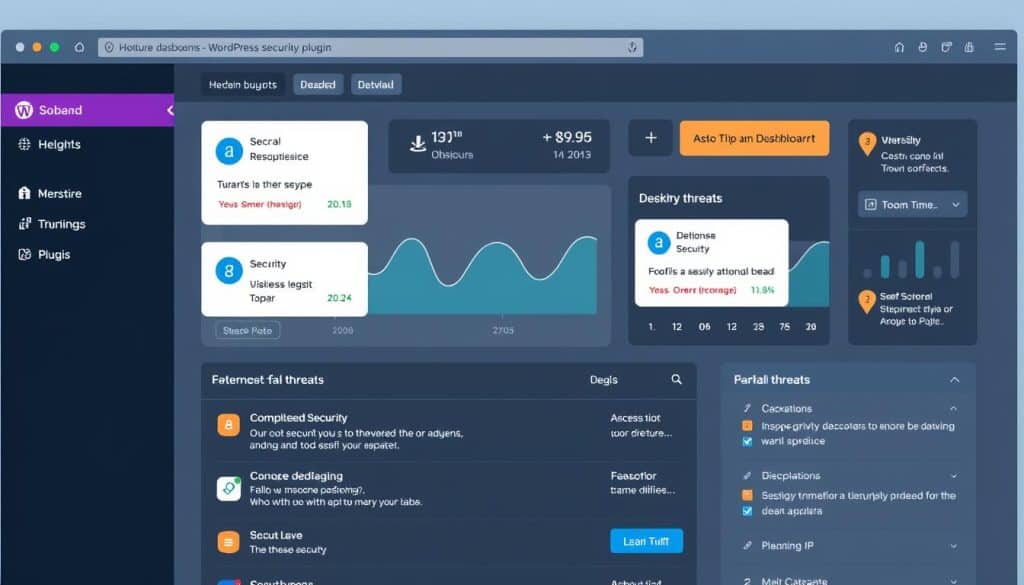
To combat these threats, we recommend utilizing essential security plugins and tools. Wordfence and MalCare are two highly-regarded security plugins that offer comprehensive protection, including malware scanning, firewall protection, and login security.
When selecting a security plugin, consider features such as real-time threat detection, automatic updates, and security hardening. These features can significantly enhance your site’s security posture.
Regular Maintenance for Site Security
Regular maintenance is key to ensuring your WordPress site remains secure. This includes regular updates to the WordPress core, themes, and plugins, as well as database cleanup and scheduled security scans.
- Regular WordPress core, theme, and plugin updates are essential for patching security vulnerabilities as they’re discovered.
- Implementing automatic background updates for minor WordPress releases helps ensure security patches are applied promptly.
- Regular database cleanup removes unnecessary data that could contain security vulnerabilities.
- Scheduled security scans help identify potential issues before they can be exploited by attackers.
- Creating and maintaining secure backups ensures you can quickly restore your site in case of a security breach.
Integrating Social Media with Your WordPress Webpage
To maximize your online visibility and engagement, integrating your WordPress site with social media is no longer optional but essential. This integration not only expands your reach but also fosters a more cohesive online presence.
Social Media Plugins for WordPress
Social media plugins play a crucial role in seamlessly integrating your WordPress webpage with various social platforms. These plugins enable features such as social sharing buttons, login options, and content syndication, enhancing user engagement and simplifying content distribution.
Some of the most popular social media plugins for WordPress include those that offer customizable social sharing buttons, social media login capabilities, and advanced analytics to track social media traffic to your website.
Creating Shareable Content
Crafting content that is shareable across social media platforms is key to amplifying your online presence. This involves understanding your audience’s preferences and creating content that is not only relevant but also engaging.
By focusing on high-quality visuals, compelling narratives, and timely updates, you can significantly increase the shareability of your content across different social media platforms.
Building a Social Media Strategy
An effective social media strategy is one that aligns your social presence with your overall business goals and target audience preferences. It’s about identifying the right platforms for your audience and creating content that resonates.
Key elements include establishing a consistent posting schedule, using analytics to track engagement, and adjusting your strategy accordingly. By doing so, you can maintain visibility without overwhelming your audience on your website.
Analyzing and Improving Your WordPress Webpage Performance
To maximize your WordPress website’s potential, it’s crucial to analyze its performance regularly. This involves understanding how visitors interact with your site, identifying areas of improvement, and making data-driven decisions to enhance user experience and conversion rates.
Setting Up WordPress Analytics
To analyze your website’s performance, you need to set up analytics tools. One of the most popular choices is Google Analytics. To integrate it with your WordPress site, you can use plugins like MonsterInsights or Google Analytics Dashboard for WP. These plugins simplify the process of connecting your site to Google Analytics and provide insights directly within your WordPress dashboard.
When selecting a WordPress analytics plugin, consider features such as ease of setup, data accuracy, and additional insights like e-commerce tracking or user behavior analysis.
Key Metrics to Track
Once your analytics are set up, focus on key metrics that provide insights into your website’s performance. These include:
- Page views and unique visitors
- Bounce rate and average session duration
- Conversion rates for specific goals
- User demographics and behavior
By monitoring these metrics, you can understand how users interact with your site and identify areas that need improvement.
Making Data-Driven Improvements
With your analytics data in hand, you can start making informed decisions to improve your website. Here are some strategies to consider:
- Use heatmap tools like Hotjar to visualize exactly how visitors interact with your pages and identify usability issues.
- Analyze your top-performing content to understand what resonates with your audience and create more similar material.
- Identify high-exit pages and optimize them to better guide visitors toward your conversion goals.
- Test different calls-to-action, headlines, and page layouts to determine which variations drive better results.
- Implement user feedback mechanisms to gather qualitative insights that complement your quantitative analytics data.
By implementing these strategies, you can enhance your website’s performance, improve user experience, and drive more conversions.
Conclusion: Maximizing Your WordPress Webpage Potential
Maximizing your WordPress webpage potential is a continuous process that involves learning, optimization, and adaptation. As you have learned throughout this article, creating a successful WordPress website requires a multifaceted approach that includes technical excellence, compelling content, and strategic marketing.
The flexibility and extensibility of WordPress make it an ideal platform for growing your online presence as your business evolves. By staying current with WordPress updates, industry trends, and best practices, you can ensure your website remains competitive and effective.
A successful website is built on a foundation of technical excellence, with a focus on creating a seamless user experience. This involves optimizing your site for search engines, ensuring mobile-friendliness, and implementing security measures to protect your users.
As you continue on your WordPress journey, remember that your website is a dynamic entity that requires ongoing attention and improvement. The WordPress community offers abundant resources for continued learning and improvement, helping you to maximize your WordPress webpage potential and achieve your online goals.
By combining technical expertise with compelling content and strategic marketing, you can unlock the full potential of your website, driving revenue growth and achieving digital excellence. As you move forward, we encourage you to stay focused on your online presence, continually adapting and improving your WordPress website to meet the evolving needs of your audience.
FAQ
What is managed WordPress hosting, and how does it differ from regular hosting?
Managed WordPress hosting is a type of hosting service that is specifically optimized for WordPress sites, offering enhanced performance, security, and support. We handle technical tasks, allowing you to focus on content creation and growth.
How do I choose the right theme for my WordPress site?
When selecting a theme, consider your site’s purpose, target audience, and desired features. Look for responsive design, customization options, and compatibility with plugins. We recommend exploring both free and premium themes to find the best fit.
What are the essential plugins I need for my WordPress site?
Must-have plugins include security tools like Wordfence, SEO optimization plugins like Yoast SEO, and performance enhancers like WP Rocket. The specific plugins you need may vary depending on your site’s goals and requirements.
How can I optimize my WordPress site for search engines?
To optimize your site for search engines, focus on keyword research, on-page optimization, and technical SEO. Utilize plugins like Yoast SEO to streamline the process, and ensure your site is mobile-friendly and loads quickly.
What is the WordPress block editor, and how do I use it?
The WordPress block editor, also known as Gutenberg, is a content creation tool that allows you to build and design your pages using blocks. Familiarize yourself with the basics of block usage, and explore advanced techniques to create engaging content.
How do I ensure my WordPress site is mobile-friendly?
To make your site mobile-friendly, choose a responsive theme, test your site on various devices, and optimize images and content for smaller screens. Consider implementing mobile-specific features, such as click-to-call buttons, to enhance user experience.
What are the best practices for WordPress site security?
To secure your WordPress site, use strong passwords, keep plugins and themes up-to-date, and install security plugins like Wordfence. Regularly monitor your site for malware and suspicious activity, and consider implementing a web application firewall (WAF).
How can I improve my WordPress site’s loading speed?
To speed up your site, optimize images, leverage caching and performance plugins like WP Rocket, and minify CSS and JavaScript files. Regularly review your site’s performance and make data-driven improvements.
What are the key metrics I should track for my WordPress site?
Key metrics to track include website traffic, engagement metrics like bounce rate and time on site, and conversion rates. Use analytics tools like Google Analytics to monitor your site’s performance and make informed decisions.