

Are you missing out on potential traffic because your WordPress site isn’t optimized for search engines? In today’s digital landscape, having a website that’s visible and easily discoverable is crucial for business success.
We will explore comprehensive strategies to optimize your WordPress presence, helping you achieve higher rankings and increased organic traffic. By understanding how search engines crawl and index your site, you can unlock the full potential of your online presence.
For a deeper dive into the world of SEO, check out our comprehensive guide on how to do SEO for a. Effective optimization techniques can significantly improve your site’s visibility in search results.
Key Takeaways
- Understand how search engines crawl and index your WordPress site
- Leverage WordPress’s built-in SEO advantages
- Implement technical SEO best practices
- Optimize your content for better search engine rankings
- Improve your site’s visibility and drive more organic traffic
Understanding WordPress SEO Fundamentals
Understanding the fundamentals of SEO is crucial for any WordPress website aiming to achieve online visibility. At its core, SEO is about optimizing your website to rank higher in search engine results, thereby increasing your online presence and driving more traffic to your site.
What is SEO and Why It Matters for WordPress Sites
SEO, or Search Engine Optimization, is the process of improving the quality and quantity of website traffic by ranking higher in search engines for specific keywords. For WordPress sites, SEO is particularly important because it helps to increase visibility, drive more traffic, and ultimately boost conversions. WordPress, with its clean code structure and extensive content management capabilities, offers a solid foundation for SEO. However, understanding how to leverage these features is key to maximizing your site’s potential.
WordPress SEO differs from general SEO practices in several ways. For instance, WordPress’s architecture allows for easier optimization of meta tags, titles, and descriptions, which are crucial for search engine ranking. Moreover, the platform’s vast array of SEO plugins can significantly enhance a site’s optimization capabilities. As John Mueller, a Search Advocate at Google, once noted, “SEO is not just about search engines, it’s about understanding your users and providing them with the content they’re looking for.”
“SEO is not just about search engines, it’s about understanding your users and providing them with the content they’re looking for.”
How Search Engines Crawl and Index WordPress Websites
Search engines like Google, Bing, and Yahoo use crawlers or spiders to continuously scan and index the web for new and updated content. For WordPress websites, this process involves crawling the site’s structure, including its pages, posts, and other content, to understand its relevance and authority on a particular topic.
| Step | Description |
|---|---|
| Crawling | Search engines discover new content on your WordPress site through links or sitemaps. |
| Indexing | The crawled content is then analyzed and stored in massive databases called indexes. |
| Retrieval | When a user searches for something, the search engine retrieves relevant results from its index. |
WordPress’s clean code and well-structured content make it easier for search engines to crawl and index its sites. However, factors like site speed, mobile responsiveness, and the presence of SEO plugins can also significantly impact how effectively a WordPress site is crawled and indexed.
Essential WordPress SEO Setup
A well-configured WordPress site is the foundation of a successful SEO strategy. To get started, you’ll need to ensure that your site is set up correctly from the beginning.
Checking Your Site’s Visibility Settings
WordPress comes with a built-in option to hide your website from search engines. This feature allows you to work on your site before making it public. However, it’s easy to accidentally leave this setting enabled, making your site unavailable to search engines. To check your site’s visibility settings, navigate to your WordPress dashboard, go to Settings > Reading, and ensure that the “Search Engine Visibility” checkbox is not selected.
Choosing Between WWW and Non-WWW URLs
Deciding between WWW and non-WWW URLs is a crucial step in setting up your WordPress site. Both versions have their implications, and choosing the right one is essential to avoid duplicate content issues. You can set your preferred URL structure in the WordPress dashboard under Settings > General. For more detailed guidance, you can refer to our comprehensive guide on WordPress SEO.
Setting Up SEO-Friendly Permalinks
Permalinks are the URLs of your individual pages and posts. WordPress allows you to customize your permalink structure, which is crucial for SEO. To set up SEO-friendly permalinks, go to Settings > Permalinks and choose a structure that includes the post title. This makes your URLs more readable and keyword-rich, improving your site’s visibility in search engine results.
Selecting a Reliable WordPress Hosting Provider
Your WordPress hosting provider plays a significant role in your site’s SEO performance. Factors such as site speed, uptime, and security are directly influenced by your hosting quality. When selecting a hosting provider, look for one that offers high performance, reliable uptime, and robust security features. Some top recommendations include providers that specialize in WordPress hosting and offer optimized plans for SEO.
Choosing the Right WordPress SEO Plugin
Selecting the ideal WordPress SEO plugin is a crucial step in optimizing your website for search engines. With so many options available, it can be challenging to determine which plugin best suits your needs.
We will compare the leading WordPress SEO plugins, including Yoast SEO, All in One SEO (AIOSEO), Rank Math, and SEOPress, analyzing their features, performance impact, and value proposition.
Top WordPress SEO Plugins Compared
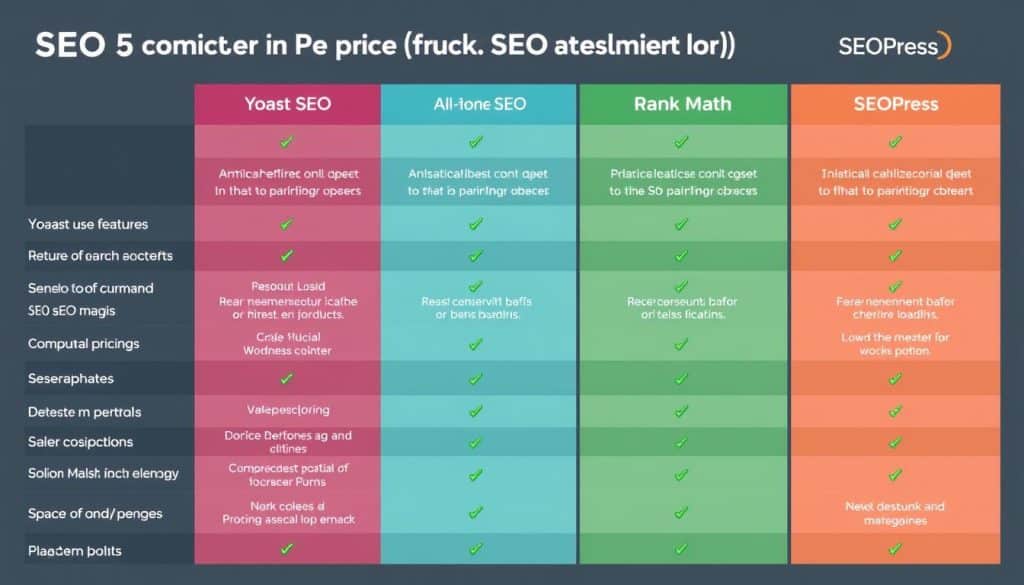
The market is dominated by a few key players, each offering unique features and benefits. Yoast SEO is renowned for its comprehensive on-page optimization capabilities, while AIOSEO offers advanced features like video SEO and WooCommerce optimization.
Rank Math stands out with its modular design, allowing users to enable or disable features based on their needs. Meanwhile, SEOPress offers a straightforward, user-friendly interface that simplifies SEO optimization.
When choosing a plugin, consider factors such as ease of use, compatibility with your theme, and the level of support provided. For instance, if you’re using a WooCommerce site, you’ll want a plugin that integrates well with it. You can find more insights on optimizing e-commerce sites on our page about the best SEO plugin for PHP website.
Setting Up Your SEO Plugin for Maximum Performance
Once you’ve selected your SEO plugin, setting it up correctly is crucial for maximizing its effectiveness. Start by configuring the basic settings, such as setting your site’s title and meta description templates.
Next, focus on advanced settings like schema markup and social metadata. These features can enhance your site’s visibility in search results and improve click-through rates. Be sure to avoid common configuration mistakes that can harm your SEO efforts.
Finally, integrate your SEO plugin with other WordPress tools and analytics platforms to track your site’s performance comprehensively. This will help you identify areas for improvement and make data-driven decisions to boost your SEO strategy.
Technical SEO for WordPress Websites
Optimizing your WordPress site for search engines involves more than just content creation; it requires a solid technical foundation. Technical SEO encompasses various elements that help search engines understand, crawl, and index your website efficiently.
Implementing SSL and HTTPS for Your WordPress Site
Having an SSL (Secure Sockets Layer) certificate is no longer a choice but a necessity for any website. Google considers HTTPS a ranking signal, and modern browsers warn users about insecure sites. To implement SSL, you’ll need to obtain a certificate from a trusted Certificate Authority (CA), install it on your server, and update your WordPress site to use HTTPS.
To ensure a smooth transition, update your site’s URL in WordPress settings, and consider using plugins like Really Simple SSL to handle mixed content issues.
Creating and Submitting XML Sitemaps
An XML sitemap is crucial for helping search engines discover and index your site’s content. To create a sitemap for your WordPress site, you can use SEO plugins like Yoast SEO or Google XML Sitemaps. These plugins automatically generate and update your sitemap as you add new content.
Once your sitemap is created, submit it to Google Search Console to ensure it’s crawled and indexed correctly.
Optimizing Site Speed and Performance
Site speed is a critical factor for both user experience and search engine rankings. To optimize your WordPress site’s speed, start by choosing a reliable hosting provider. Use caching plugins like W3 Total Cache or WP Super Cache to reduce the load on your server.
Additionally, optimize images using tools like TinyPNG or ShortPixel, and consider using a Content Delivery Network (CDN) to distribute your content globally.
Mobile Optimization for WordPress Sites
With the majority of web traffic coming from mobile devices, ensuring your WordPress site is mobile-friendly is crucial. Use a responsive WordPress theme that adapts to different screen sizes, and test your site’s mobile usability using Google’s Mobile-Friendly Test tool.
Ensure that your site’s content, including images and videos, is optimized for mobile devices to provide a seamless user experience.
On-Page SEO Optimization Techniques
To maximize your WordPress website’s potential, mastering on-page SEO optimization is essential. On-page SEO involves optimizing individual web pages to rank higher in search engines, driving more traffic to your site.
Crafting SEO-Friendly Titles and Meta Descriptions
Compelling title tags and meta descriptions are crucial for improving click-through rates from search results pages. Your title tag should be descriptive, concise, and include your target keyword. Meta descriptions should provide a clear summary of the page’s content, enticing users to click through.
Optimizing Content with Proper Heading Structure (H1-H6)
A well-structured heading hierarchy is vital for both readability and SEO. Use H1 for the main title, and subsequent headings (H2-H6) to organize and structure your content logically. This not only improves user experience but also helps search engines understand your content’s organization.
Keyword Research and Implementation Strategies
Effective keyword research is the foundation of successful on-page SEO. Utilize tools like Ahrefs Keyword Explorer or SEMrush to identify relevant keywords for your content. Implement these keywords naturally throughout your content, avoiding over-optimization.

Internal Linking Best Practices
Internal linking helps distribute page authority throughout your site and creates clear topical clusters, enhancing your semantic relevance. Link to relevant, related content on your site to improve user experience and search engine crawling.
Content Optimization for WordPress SEO
High-quality, optimized content is the backbone of a successful WordPress SEO strategy. Whether you’re writing blog posts or creating sales copy, your goal is to create content that outperforms your competition and meets the needs of your visitors. We will provide a framework for creating high-quality, SEO-optimized content specifically for WordPress sites, focusing on both user engagement metrics and search engine ranking factors.
Creating High-Quality SEO Content
To create effective content, you need to understand your audience and their needs. High-quality content is not just about using the right keywords; it’s about providing value to your readers. We recommend conducting thorough keyword research to identify relevant terms and phrases your target audience uses. By incorporating these keywords naturally into your content, you can improve your site’s visibility in search engine results.
Moreover, using a clear and concise writing style, along with proper heading structures (H1-H6), enhances the readability and SEO-friendliness of your content. As Moz notes, “Content is the reason search engines were created in the first place.” Therefore, focusing on creating comprehensive, engaging, and well-structured content is crucial.
Using Categories and Tags Effectively
Categories and tags are essential for organizing your WordPress content. They help improve site navigation, user experience, and topical relevance signals for search engines. When using categories and tags, it’s essential to be strategic. Categories should be broad and used to group related content, while tags should be more specific, highlighting key topics within that content.
For instance, a blog about digital marketing might have a category for “SEO” and use tags like “keyword research,” “on-page optimization,” and “link building” to further categorize posts. This approach not only enhances user experience but also helps search engines understand your site’s structure and content hierarchy.
Image Optimization Techniques
Images play a crucial role in enhancing the visual appeal of your content, but they can also impact your site’s performance if not optimized correctly. To optimize images for WordPress SEO, start by using the right file formats (JPEG for photographs, PNG for graphics) and compressing images to reduce file size without compromising quality.

Additionally, using descriptive file names and alt tags that include target keywords can improve your images’ visibility in search engine image results. Implementing structured data for images can also enhance their discoverability.
Avoiding Duplicate Content Issues
Duplicate content can negatively impact your WordPress site’s SEO, as search engines may struggle to determine which version of the content is original. Common sources of duplicate content include archives, pagination, and taxonomy pages. To avoid these issues, use canonical URLs to specify the preferred version of a page, and consider using plugins that help manage duplicate content.
Regularly auditing your content and ensuring that each page offers unique value can also help mitigate duplicate content problems. As
“Content is king, but duplication is its arch-nemesis.”
By being proactive about content uniqueness, you can protect your site’s SEO integrity.
Advanced WordPress SEO Techniques
Elevate your WordPress site’s performance with cutting-edge SEO techniques that can drive more traffic and boost your search engine rankings. As we explore these advanced strategies, you’ll learn how to optimize your site for maximum visibility and impact.
Implementing Schema Markup and Rich Snippets
Schema markup is a powerful tool for enhancing your site’s search engine results page (SERP) appearance. By adding schema markup to your WordPress site, you can create rich snippets that provide users with more information about your content directly in the search results.

To implement schema markup, you can use plugins like Schema Pro or WP Schema Markup. These plugins simplify the process, allowing you to add schema markup to your site without needing to edit code. For more detailed guidance, check out this resource on advanced SEO techniques.
Optimizing for Featured Snippets
Featured snippets are a coveted spot in Google’s search results, providing a summary of the content that answers a user’s query. To optimize for featured snippets, focus on creating high-quality, concise content that directly addresses common questions in your niche.
Use a clear, structured format, including headings and bullet points, to make your content more snippet-friendly. By doing so, you can increase your chances of being featured and drive more traffic to your site.
Managing External Links with NoFollow Attributes
When adding external links to your posts, you have the option to mark them as “nofollow” or “followed.” By default, WordPress follows all external links, but using “nofollow” can be beneficial in certain situations, such as with affiliate links or links to untrusted sites.
Using “nofollow” links helps prevent potential negative SEO impacts on your site. It’s a good practice to use “nofollow” for links that you don’t want to endorse or for paid links.
Using AI Tools for WordPress SEO
Artificial intelligence (AI) is revolutionizing the way we approach SEO. AI tools can help with content generation, optimization, and technical SEO analysis. For WordPress users, there are several AI-powered SEO tools available, such as SEOPress and Rank Math.
These tools can help you analyze your site’s performance, identify areas for improvement, and optimize your content for better search engine rankings.
Local SEO for WordPress Websites
To capture local search traffic, WordPress site owners must prioritize local SEO strategies. This involves optimizing your website to rank higher in local search results, making it more visible to potential customers in your area.
Setting Up Google Business Profile for Local SEO
Setting up a Google Business Profile is a foundational step in local SEO. This free listing allows businesses to manage their online presence across Google, including Search and Maps. To set it up, claim your business listing, verify your business, and complete your profile with accurate and up-to-date information, including your business name, address, and hours of operation. Effective local SEO starts with a well-optimized Google Business Profile.
Adding Location-Based Schema Markup
Schema markup helps search engines understand your business’s location and services. By adding location-based schema markup to your WordPress site, you can improve your visibility in local search results. This involves using schema types like LocalBusiness or Service to provide search engines with detailed information about your business, including address, phone number, and service areas.
| Schema Type | Description | Benefits |
|---|---|---|
| LocalBusiness | Provides detailed information about a local business, including address and contact details. | Improves local search visibility and provides users with essential business information. |
| Service | Highlights specific services offered by a business, along with their descriptions and areas served. | Enhances search engine understanding of your business services and can improve service-specific search rankings. |
Optimizing for “Near Me” Searches
“Near me” searches are increasingly common, with users seeking local businesses and services. To optimize for these searches, focus on location-specific keyword research and incorporate relevant terms into your content. Ensure your WordPress site is mobile-friendly and has a fast loading speed, as these are key factors in search engine rankings.
By implementing these local SEO strategies, WordPress site owners can significantly improve their online visibility and attract more local customers.
Monitoring and Improving Your WordPress SEO
A well-executed WordPress SEO strategy is not a one-time task, but rather an ongoing effort that requires regular monitoring and adjustments. To ensure your site remains competitive and continues to attract organic traffic, it’s essential to stay on top of your SEO performance.
Setting Up Google Search Console for WordPress
Google Search Console is a powerful tool that provides insights into how your site is performing in search results. To set it up for your WordPress site, you’ll need to verify your site’s ownership and integrate it with your SEO plugin.
Using Analytics to Track SEO Performance
To effectively track your SEO performance, you’ll need to implement analytics that focus on SEO-relevant metrics. This includes monitoring traffic, engagement, conversion, and revenue attribution from organic search.
Regular SEO Audits and Maintenance
Conducting regular SEO audits is crucial for identifying and addressing issues that could impact your site’s search engine ranking. This involves a comprehensive review of your site’s technical SEO, content quality, and link equity.
E-commerce SEO for WordPress (WooCommerce)
WooCommerce SEO is a specialized field that requires a deep understanding of WordPress optimization techniques to drive sales and growth. We will provide you with specialized SEO strategies for WooCommerce stores, addressing the unique challenges of e-commerce SEO within the WordPress ecosystem.
Product Page Optimization Techniques
To balance conversion optimization with search visibility, we’ll cover advanced product page optimization techniques. This includes strategic approaches to product descriptions, specifications, and reviews. For more on SEO basics, you can refer to WooCommerce’s guide on SEO basics for e-commerce.
Category and Filter Page SEO
Category page optimization is crucial for both user navigation and search engine crawling. We’ll discuss strategies to improve category pages while avoiding common pagination and filtering issues that can harm e-commerce SEO. Effective category and filter page SEO can significantly enhance your site’s visibility.
Structured Data for Products
Implementing product-specific structured data enables rich results in search, including price, availability, reviews, and other commercial attributes that drive higher click-through rates. This is a critical step in making your WooCommerce store more discoverable.
By implementing these strategies, you’ll be able to optimize your WooCommerce store’s entire e-commerce conversion funnel through SEO, from discovery and consideration to purchase and retention phases.
Common WordPress SEO Mistakes to Avoid
Effective WordPress SEO involves more than just optimization techniques; it requires avoiding common mistakes that can derail your strategy. When it comes to optimizing your WordPress site, even the most experienced professionals can overlook critical details that impact search engine rankings.
Technical SEO Pitfalls
Technical SEO pitfalls can significantly impact your WordPress site’s visibility. Common issues include improper redirects, broken canonical implementation, and plugin conflicts. For instance, a misconfigured redirect can lead to crawl errors, while a broken canonical tag can cause duplicate content issues. To avoid these pitfalls, ensure that your site’s technical SEO is regularly audited and optimized. We recommend checking out our comprehensive guide on launching a new website with the best SEO to get started.
| Technical SEO Issue | Description | Impact |
|---|---|---|
| Improper Redirects | Misconfigured redirects leading to crawl errors | Negatively affects crawl budget and indexing |
| Broken Canonical Implementation | Incorrect canonical tags causing duplicate content | Confuses search engines, diluting page authority |
| Plugin Conflicts | Conflicts between SEO plugins and other plugins | Can lead to SEO metadata issues and performance problems |
Content-Related SEO Errors
Content-related SEO errors are another common issue on WordPress sites. These include thin content, keyword cannibalization, improper heading structure, and meta tag implementation issues. To avoid these errors, focus on creating high-quality, engaging content that targets specific keywords. Ensure that your content is well-structured with proper headings and meta tags. As an example, a well-structured article with a clear heading hierarchy can improve readability and SEO.
“Content is king, but context is queen, and together they can rule the SEO world.”
Plugin and Theme SEO Issues
The choice of plugin and theme can also create hidden SEO problems. Performance bottlenecks, security vulnerabilities, and code bloat are common issues associated with poorly chosen plugins and themes. To mitigate these risks, select lightweight, SEO-friendly themes and plugins that are regularly updated and well-maintained. For instance, choosing a theme like Divi that balances design options with performance can be beneficial.

By understanding and avoiding these common WordPress SEO mistakes, you can improve your site’s search engine rankings and drive more traffic to your site. Regular audits and maintenance are key to ensuring your site remains optimized and competitive.
WordPress SEO Tools and Resources
WordPress SEO tools and resources are vital for enhancing your site’s visibility and driving organic traffic. With the right tools, you can optimize your site effectively, improve your search engine rankings, and stay ahead of the competition.
Free WordPress SEO Tools
Free WordPress SEO tools can provide significant value without any investment. Some of the most useful free tools include:
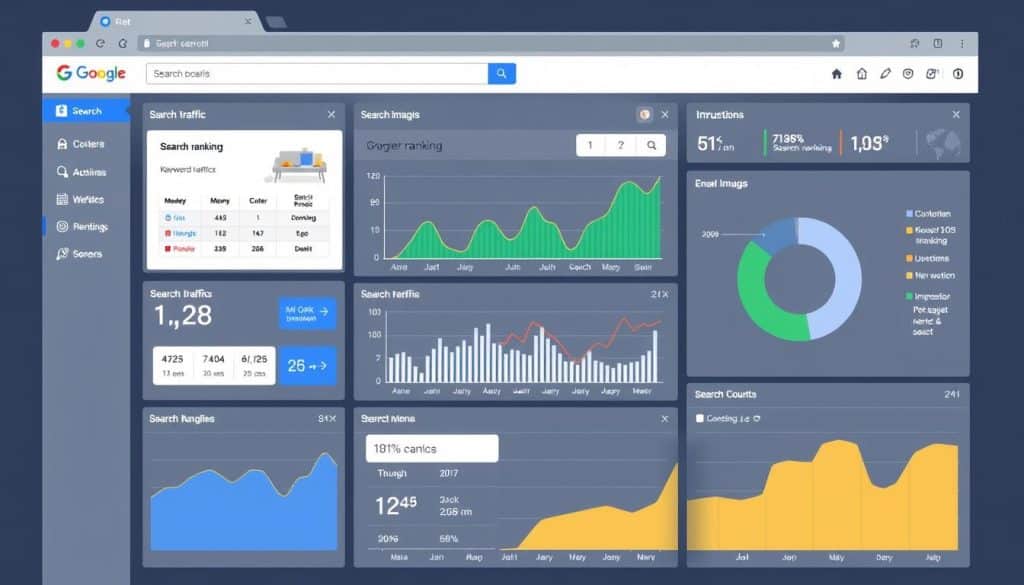
- Google Search Console: A must-have for monitoring your site’s search engine performance.
- Yoast SEO Plugin: Offers comprehensive SEO analysis and optimization suggestions.
- Google Keyword Planner: Helps with keyword research and planning.
Premium SEO Services and Tools
For those looking to take their SEO to the next level, premium SEO services and tools offer advanced features and support. Some top options include:
- Ahrefs: Provides comprehensive backlink analysis, keyword research, and content optimization tools.
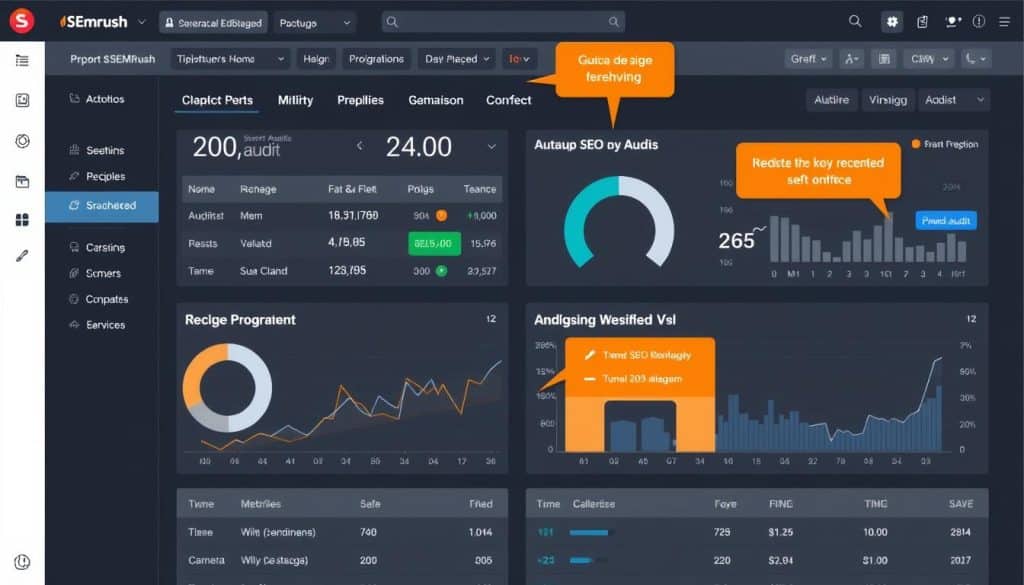
- SEMrush: Offers an all-in-one SEO solution with technical SEO audits, competitor analysis, and more.
By leveraging both free and premium WordPress SEO tools and resources, you can significantly improve your site’s SEO performance and drive more traffic to your site.
Future-Proofing Your WordPress SEO Strategy
The landscape of SEO is constantly evolving, and future-proofing your WordPress site is crucial for maintaining search visibility. To achieve this, we must focus on emerging trends and algorithm changes that will impact WordPress sites in the coming years.
Building a sustainable SEO approach is key. This involves focusing on fundamental quality signals rather than tactical tricks that may become obsolete with algorithm updates. Your WordPress site should be adapted for evolving search experiences, including voice search optimization, visual search, and AI-driven search results.
Core Web Vitals and user experience signals are likely to evolve, and positioning your WordPress site to excel in these metrics is essential. Implementing a testing framework allows you to safely experiment with new SEO approaches while maintaining existing search visibility.
By following a strategic roadmap for continuously improving your WordPress SEO, you can balance quick wins with long-term structural improvements, building lasting search authority.

Conclusion
As we’ve explored throughout this guide, optimizing your WordPress site for search engines is a multifaceted process that requires attention to both technical foundations and content quality. Effective WordPress SEO involves a range of strategies, from fundamental setup requirements to advanced optimization techniques.
By implementing the strategies outlined in this guide, you’ll be well-positioned to improve your website’s visibility in search results and drive more organic traffic. SEO for WordPress websites is an ongoing process that demands consistent effort, but the rewards are significant. Remember, search engines reward sites that provide the best user experience and most relevant content.
We encourage you to start with the fundamentals and progressively implement more advanced SEO techniques as you build your expertise. With patience and persistence, your WordPress website can achieve higher rankings and become a sustainable source of traffic.
FAQ
How do I optimize my WordPress site’s URL structure?
To optimize your URL structure, we recommend using descriptive, concise URLs that include target keywords. You can achieve this by setting up SEO-friendly permalinks in your WordPress dashboard.
What is the importance of mobile optimization for my WordPress site?
Mobile optimization is crucial, as it directly impacts user experience and search engine rankings. With most users accessing websites through mobile devices, a responsive, mobile-friendly design ensures that your site is accessible and usable across various devices.
How can I improve my WordPress site’s page speed?
To improve page speed, we suggest optimizing images, leveraging browser caching, and using a reliable WordPress hosting provider. You can also utilize plugins that help optimize site performance, such as caching and minification plugins.
What is the role of internal linking in WordPress SEO?
Internal linking helps search engines understand your site’s structure and content hierarchy. By linking to relevant pages, you can improve user experience, increase engagement, and enhance your site’s visibility in search results.
How do I conduct keyword research for my WordPress site?
To conduct keyword research, we recommend using tools like Google Keyword Planner, Ahrefs, or SEMrush to identify relevant keywords and phrases. You can then incorporate these keywords strategically into your content, meta tags, and other on-page elements.
What are the benefits of using schema markup on my WordPress site?
Schema markup provides search engines with additional context about your content, enabling them to display rich snippets in search results. This can improve your site’s visibility, click-through rates, and overall SEO performance.
How can I track my WordPress site’s SEO performance?
To track your site’s SEO performance, we suggest setting up Google Search Console and Google Analytics. These tools provide valuable insights into your site’s traffic, rankings, and other key SEO metrics.
What are some common WordPress SEO mistakes to avoid?
Common mistakes to avoid include keyword stuffing, duplicate content, and poor mobile optimization. You should also be cautious when installing plugins and themes, as they can sometimes introduce SEO issues if not properly configured.