

In today’s interconnected world, the question isn’t whether digital marketing is necessary, but how effectively you’re leveraging it to reach your target audience. With an estimated 5.5 billion internet users globally in 2024, having a robust online presence is no longer optional.
As more than 67% of the world’s population uses the internet to find information and connect on social media, businesses must adapt their marketing strategies to meet consumers where they spend most of their time: online.
Digital marketing encompasses a broad range of channels and techniques, from content creation and social media engagement to search engine optimization and paid advertising. By understanding and utilizing these tools effectively, businesses can drive growth, enhance their online visibility, and achieve measurable results.
Key Takeaways
- Understand the importance of having a robust online presence in today’s digital-first world.
- Learn how to leverage various digital marketing channels to reach your target audience effectively.
- Discover the role of content creation in digital marketing strategies.
- Explore the potential of social media and search engine optimization for business growth.
- Gain insights into measuring the success of your digital marketing efforts.
What is Digital Marketing?
Digital marketing has become the backbone of modern business strategies, revolutionizing how companies connect with their audience. As businesses continue to shift their focus towards online platforms, understanding the fundamentals of digital marketing is crucial.
Definition and Core Concepts
Digital marketing refers to all marketing efforts that occur on the internet. Businesses leverage digital channels such as search engines, social media, email, and other websites to connect with current and prospective customers. This includes communication through text or multimedia messages. At its core, digital marketing involves content creation, audience targeting, channel selection, and performance measurement.
Evolution of Digital Marketing
The evolution of digital marketing began as the internet gained popularity in the 1990s and early 2000s. Initially, it involved simple website banners and basic email marketing. Over time, it has transformed into complex, multi-channel strategies that leverage data and automation. Today, businesses use various digital channels to reach their target audience, making marketing more efficient and measurable.
By understanding the evolution and core concepts of digital marketing, businesses can better navigate the online landscape and develop effective marketing strategies.
The Importance of Digital Marketing in Today's Business Landscape

As we navigate the digital age, the importance of digital marketing in business cannot be overstated. The way companies interact with their customers has fundamentally changed, and digital marketing has become the cornerstone of modern business strategies.
In 2024, there were an estimated 5.5 billion internet users globally. This vast online population presents a significant opportunity for businesses to expand their reach and engage with their target audience more effectively.
Global Internet Usage Statistics
The sheer scale of internet usage underscores the need for businesses to adopt digital marketing strategies. With over 5.5 billion people online, the potential audience for any business is vast and geographically diverse.
| Region | Internet Users (2024) | Percentage of Global Population |
|---|---|---|
| Asia | 2.5 billion | 45% |
| Europe | 1.2 billion | 22% |
| North America | 0.8 billion | 15% |
Shift from Traditional to Digital Marketing
The shift from traditional marketing to digital marketing has been driven by changing consumer behaviors and the increasing time people spend on digital devices. Businesses are now leveraging digital channels to reach their target audience more effectively.
By adopting a robust digital marketing strategy, businesses can enhance their brand visibility, drive customer engagement, and ultimately, boost revenue growth. As the business landscape continues to evolve, the importance of marketing in the digital realm will only continue to grow.
Key Benefits of Digital Marketing
Digital marketing has revolutionized the way businesses operate, offering a multitude of benefits that traditional marketing can’t match. With the ability to reach a global audience, track results in real-time, and adjust strategies accordingly, digital marketing provides a level of flexibility and effectiveness that traditional marketing methods struggle to achieve.
Cost-Effectiveness Compared to Traditional Marketing
One of the significant advantages of digital marketing is its cost-effectiveness. Unlike traditional marketing, which often requires substantial upfront costs, digital marketing allows businesses to start with a relatively small budget and scale their campaigns as needed. Techniques like SEO require little monetary spending and can generate increasing returns over time. By leveraging digital marketing, businesses can achieve a higher return on investment (ROI) compared to traditional marketing channels, as highlighted in our comprehensive guide on how to maximize ROI with our digital marketing.
Measurable Results and Analytics
Digital marketing offers a wealth of data and analytics to monitor campaign performance. Marketers can track website clicks, email open rates, social media shares, and other key metrics to assess their performance. This level of measurability allows businesses to make data-driven decisions, optimize their marketing strategies, and ultimately drive better results. As noted by experts, “data is the backbone of digital marketing,” enabling businesses to refine their approaches and achieve greater ROI.
Global Reach and Targeting Capabilities
Digital marketing provides businesses with the ability to reach a global audience while also offering sophisticated targeting options. Through digital channels, businesses can segment their audience based on demographics, interests, behaviors, and purchase intent, ensuring that their marketing efforts are highly targeted and effective. This capability to transcend geographical boundaries and connect with potential customers worldwide is a significant advantage of digital marketing.
Types of Digital Marketing Channels
In the ever-evolving landscape of digital marketing, understanding the various channels available is crucial for businesses aiming to thrive online. Digital marketing encompasses a range of strategies and channels, each designed to achieve specific marketing objectives and reach target audiences effectively.
Search Engine Optimization (SEO)
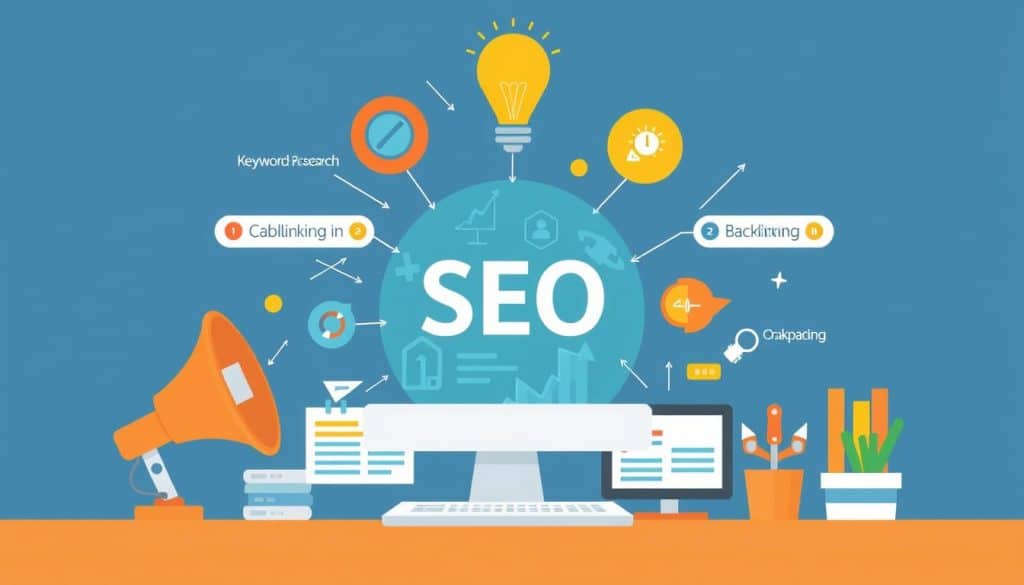
Search Engine Optimization (SEO) is a critical digital marketing channel that focuses on improving a website’s visibility in search engine results pages (SERPs) through strategic keyword targeting and technical optimization. By enhancing a website’s SEO, businesses can increase their organic traffic and drive qualified leads.
Content Marketing
Content Marketing is a foundational channel that supports all other digital efforts by providing valuable information that attracts, engages, and converts the target audience. Through various content formats such as blogs, whitepapers, and videos, businesses can establish their brand voice and build trust with their audience.
Social Media Marketing
Social Media Marketing enables brands to build communities, increase engagement, and leverage both organic and paid opportunities across various platforms. By selecting the right social media channels for their audience, businesses can promote their products and services effectively.
Email Marketing
Email Marketing is a high-ROI channel that facilitates direct communication with prospects and customers throughout their journey, from awareness to loyalty. By using email marketing software, businesses can create targeted campaigns that drive conversions and foster customer loyalty.
By understanding and leveraging these digital marketing channels, businesses can develop a comprehensive marketing strategy that drives growth, enhances brand visibility, and achieves measurable results.
Pay-Per-Click Advertising and Display Ads
As a key aspect of digital marketing, pay-per-click (PPC) advertising allows marketers to place their ads in prominent positions on search engine results pages. Companies pay a small fee whenever a user clicks on the link, making it a cost-effective way to drive traffic and conversions.
How PPC Works
PPC advertising operates on an auction system, where businesses bid on specific keywords to have their ads displayed. The advertising platform, such as Google Ads, determines ad placement based on factors like bid amount, ad quality, and relevance. This means that businesses can gain immediate visibility in search results by creating effective PPC campaigns.
Effective PPC Campaign Strategies
To maximize the return on ad spend (ROAS) for PPC investments, businesses should focus on several key strategies. These include conducting thorough keyword research, crafting compelling ad copy, and creating targeted landing pages. By optimizing these elements, businesses can improve their ad performance and achieve better results from their marketing efforts.
Some key aspects to consider when creating effective PPC campaigns include:- Understanding how the PPC auction system works, including bid strategies and quality scores.- Exploring different types of PPC campaigns, such as search ads, display ads, shopping ads, and video ads.- Implementing proven strategies for keyword research, ad copywriting, and conversion tracking.- Managing budgets and optimizing bids to maximize ROAS.
All You Need to Know About Digital Marketing Strategy Development

Developing a digital marketing strategy is crucial for businesses aiming to thrive in today’s competitive online landscape. We guide you through the essential process of creating a comprehensive strategy that aligns with your business objectives and maximizes resource utilization.
Setting Clear Marketing Objectives
To develop an effective digital marketing strategy, we must start by setting SMART (Specific, Measurable, Achievable, Relevant, Time-bound) marketing objectives. These objectives provide clear direction and enable performance evaluation. By establishing clear goals, we can focus our efforts on the most impactful digital marketing channels and tactics.
Identifying Target Audiences
Understanding our target audience is vital to the success of our marketing strategy. We identify and understand our target audiences through demographic research, behavioral analysis, and customer journey mapping. This insight allows us to tailor our messaging and choose the most effective digital channels to reach and engage with our audience.
Budget Allocation and ROI Considerations
Strategic budget allocation across different digital channels is based on audience presence, channel performance, and business priorities. We provide frameworks for calculating and forecasting return on investment (ROI) for our digital marketing initiatives, helping us justify spending and optimize resource allocation. By doing so, we ensure that our digital marketing efforts drive meaningful results for our business.
Content Marketing: The Backbone of Digital Marketing
Content marketing is the backbone of digital marketing, providing value to audiences and supporting all other marketing channels. We create content, such as blogs, whitepapers, videos, and email copy, to attract customers’ interest and encourage specific actions.
By developing a robust content marketing strategy, businesses can inform customers on topics relevant to their brand, driving engagement and conversion. Our approach to content marketing involves understanding the various types of content that effectively drive engagement, including blog posts, videos, infographics, ebooks, case studies, and interactive tools.
Types of Content That Drive Engagement
Different content formats serve specific purposes throughout the customer journey, from awareness and consideration to decision and loyalty. For instance, blog posts are ideal for raising awareness, while case studies are more suited for the consideration stage.
| Content Type | Purpose | Customer Journey Stage |
|---|---|---|
| Blog Posts | Awareness and Education | Awareness |
| Case Studies | Credibility and Consideration | Consideration |
| Ebooks | In-depth Information | Decision |
Content Distribution Strategies
To maximize reach and impact, we distribute content across owned, earned, and paid media channels. This strategic approach ensures that our content resonates with the target audience. For more insights on developing a comprehensive content strategy, visit our page on boosting revenue with content brand strategy.
By measuring content performance through engagement metrics, conversion attribution, and content ROI calculation methods, we can refine our content marketing strategy to achieve better results.
Social Media Marketing Tactics

In the realm of digital marketing, social media marketing stands out as a pivotal strategy for businesses aiming to enhance their online presence. Social media marketing involves leveraging various social media platforms to engage with the target audience, increase brand awareness, and drive conversions.
To effectively implement social media marketing, businesses must consider several key factors, including the type of business, audience demographics, content format, and marketing objectives. Here are some strategic approaches to consider:
Platform Selection Based on Business Type
Different social media platforms cater to different business types and audience demographics. For instance, visually-oriented businesses may thrive on Instagram, while B2B companies might find more value on LinkedIn. According to marketers, the social media channels that resulted in the biggest ROI in 2024 are Facebook followed by Instagram.
- Facebook: Ideal for a wide range of businesses due to its vast user base and diverse advertising options.
- Instagram: Suitable for businesses with strong visual content, particularly those in fashion, beauty, and lifestyle.
- LinkedIn: Effective for B2B marketing, professional networking, and thought leadership.
Organic vs. Paid Social Media Strategies
Businesses can adopt either organic or paid social media strategies, or a combination of both, depending on their marketing objectives and budget.
Organic social media strategies focus on creating and sharing content to engage with followers and build a community. This approach requires consistent content planning, community management, and an understanding of algorithmic changes that affect content visibility.
Paid social media campaigns, on the other hand, can amplify reach, target specific audience segments, and achieve measurable business outcomes through various ad formats. Here are some key considerations:
- Targeting capabilities: Paid social media ads allow for precise targeting based on demographics, interests, and behaviors.
- Ad formats: Various ad formats, such as image, video, and carousel ads, can be used to capture audience attention.
- Budget allocation: Businesses can control their ad spend and adjust budgets based on campaign performance.
By understanding the strengths and limitations of both organic and paid social media strategies, businesses can develop a comprehensive social media marketing plan that drives engagement, conversions, and ultimately, revenue growth.
Search Engine Optimization Fundamentals
In the digital landscape, search engine optimization (SEO) stands as a cornerstone for businesses aiming to enhance their online presence. As we explore the fundamentals of SEO, you’ll gain insights into how to improve your website’s visibility and drive organic traffic.
On-Page SEO Techniques
On-page SEO involves optimizing individual web pages to rank higher in search engines. Key techniques include keyword research, content optimization, meta tag creation, and technical elements that improve your website’s relevance to search queries. For instance, optimizing your page titles, meta descriptions, and headings with target keywords can significantly enhance your search engine rankings.
| On-Page SEO Element | Description | Best Practice |
|---|---|---|
| Keyword Research | Identifying relevant keywords for your content | Use tools like Google Keyword Planner |
| Content Optimization | Optimizing content to match target keywords | Use keywords naturally throughout your content |
| Meta Tags | Providing search engines with information about your page | Write compelling and descriptive meta titles and descriptions |
Off-Page SEO and Link Building
Off-page SEO refers to actions taken outside of your website to improve your rankings. A crucial aspect of off-page SEO is link building, which involves acquiring high-quality backlinks from other reputable websites. This can be achieved through guest blogging, creating shareable content, and leveraging relationships with other websites in your niche. For more insights on boosting your rankings, check out our tips on SEO content writing.
By understanding and implementing these SEO fundamentals, you can significantly improve your website’s search engine rankings and drive more organic traffic to your site.
Email Marketing Best Practices
Email marketing is a powerful strategy that allows businesses to build strong relationships with their customers and drive revenue growth. By leveraging email marketing effectively, companies can promote their products or services, share valuable content, and stay top-of-mind with their audience.
Building and Segmenting Email Lists
Building a high-quality email list is foundational to successful email marketing. This involves using ethical, permission-based methods to grow your list, ensuring compliance with regulations such as GDPR and CAN-SPAM. Segmenting your email list based on demographics, behaviors, and preferences allows for more targeted and personalized messaging, increasing the likelihood of engagement.
Crafting Effective Email Campaigns
Crafting compelling email campaigns requires attention to detail and a deep understanding of your audience. This includes optimizing subject lines to improve open rates, personalizing content to resonate with recipients, and incorporating clear calls-to-action to drive conversions. By analyzing email marketing metrics such as open rates, click-through rates, and conversion rates, businesses can refine their strategies and improve campaign effectiveness.
Essential Digital Marketing Tools and Platforms
In the realm of digital marketing, having the right tools and platforms is crucial for campaign success. Digital marketers rely on various tools to manage their marketing campaigns efficiently.
Analytics and Tracking Tools
Analytics tools help digital marketers understand how clients interact with their marketing campaigns, tracking engagement, conversions, and ROI. Google Analytics is a prominent example, providing critical insights into website traffic, user behavior, and campaign performance.

Marketing Automation Platforms
Marketing automation platforms streamline workflow, enable personalized customer journeys, and improve efficiency through triggered communications and lead nurturing sequences. These platforms are essential for managing complex digital marketing strategies.

By leveraging these essential digital marketing tools and platforms, businesses can optimize their marketing efforts, improve performance, and drive revenue growth.
Digital Marketing for Different Business Types
The versatility of digital marketing allows it to be effective across different industries and business types. Whether you’re a business-to-business (B2B) or business-to-consumer (B2C) company, your digital marketing strategies should be tailored to your specific needs and goals.
B2B Digital Marketing Strategies
For B2B companies, digital marketing efforts often focus on online lead generation, aiming to get potential customers to speak with a salesperson. Effective strategies include content marketing, LinkedIn engagement, and targeted email campaigns. These approaches help build relationships and guide leads through longer sales cycles.
B2C Digital Marketing Approaches
In contrast, B2C companies typically use digital marketing to attract customers directly to their website and facilitate a seamless purchase journey. This can be achieved through social media marketing, influencer partnerships, and e-commerce optimization. The goal is to create brand awareness, foster an emotional connection with customers, and drive direct sales of products services.
To learn more about the fundamentals of digital marketing, you can visit Investopedia’s comprehensive guide.
Measuring Digital Marketing Success
To gauge the effectiveness of digital marketing efforts, businesses must adopt a data-driven approach to measuring success. Digital marketing offers a wealth of data to monitor campaigns’ performance, allowing marketers to track website clicks, email open rates, social media shares, and other metrics to assess their performance.
Unlike most offline marketing efforts, digital marketing allows marketers to see accurate results in real time. This enables businesses to make informed decisions and optimize their marketing strategies accordingly.
Key Performance Indicators (KPIs)
Identifying and tracking the most relevant KPIs is crucial for measuring digital marketing success. These KPIs vary based on marketing objectives, such as awareness, engagement, conversion, and retention. Common KPIs include website traffic, social media engagement metrics, email open rates, and conversion rates.
| Marketing Objective | Relevant KPIs |
|---|---|
| Awareness | Website traffic, social media reach |
| Engagement | Social media engagement metrics, email open rates |
| Conversion | Conversion rates, lead generation |
| Retention | Customer retention rates, repeat business |
Attribution Models and Reporting
Attribution models play a critical role in understanding how different marketing channels contribute to conversions. Various attribution models, including first-touch, last-touch, linear, and multi-touch approaches, can be used to accurately credit marketing channels. For more insights on measuring the success of marketing campaigns, visit Invoca’s blog post on the topic.
Effective reporting frameworks can transform complex marketing data into actionable insights for stakeholders. By establishing meaningful benchmarks and setting realistic targets, businesses can continuously optimize their campaigns to improve marketing ROI.
Emerging Trends in Digital Marketing
Emerging trends in digital marketing are revolutionizing how businesses connect with their audiences. As technology continues to advance and consumer behaviors shift, staying ahead of these trends is crucial for success in the digital landscape.
We are witnessing significant transformations in digital marketing, driven by innovations such as artificial intelligence (AI) and machine learning (ML). These technologies are not only enhancing marketing automation but also improving content creation, predictive analytics, and personalization at scale.
Artificial Intelligence and Machine Learning
AI and ML are transforming digital marketing by enabling more efficient and effective marketing strategies. These technologies help in automating repetitive tasks, analyzing large datasets, and predicting consumer behavior, thereby allowing marketers to make data-driven decisions.
Voice Search Optimization
With the rise of smart speakers and voice assistants, voice search optimization has become increasingly important. Marketers must now optimize their content to accommodate voice search queries, which are typically more conversational and longer than traditional text-based searches.
Video Marketing Growth
Video marketing continues to grow in popularity, with brands leveraging various formats such as short-form social videos, live streaming, and interactive video experiences to engage their audiences. The use of video content is expected to increase, driven by its ability to convey complex information in an engaging and easily digestible format.
| Trend | Description | Impact |
|---|---|---|
| Artificial Intelligence | Enhances marketing automation and personalization | Improved efficiency and effectiveness |
| Voice Search Optimization | Optimizes content for voice search queries | Better search engine rankings |
| Video Marketing | Increases engagement through various video formats | Enhanced audience interaction |
For more insights on optimizing your digital marketing strategy, check out our guide on SEO keyword research strategies for business.
Digital Marketing Career Opportunities
As businesses continue to shift their focus to online platforms, the demand for skilled digital marketers is on the rise. The field of digital marketing offers a wide range of career options, from entry-level positions to specialized roles and executive leadership opportunities.
In-Demand Digital Marketing Roles
Some of the most sought-after roles in digital marketing include SEO specialists, content marketers, social media managers, PPC specialists, email marketers, and analytics professionals. Entry-level jobs include digital marketing analyst, content strategist, and email marketing specialist.
Skills Needed for Digital Marketing Success
To succeed in digital marketing, professionals need to possess a combination of skills, including analytical thinking, creative problem-solving, communication abilities, technical aptitude, and adaptability. As the field continues to evolve, staying up-to-date with the latest trends and technologies is crucial.
| Role | Key Skills | Growth Prospects |
|---|---|---|
| SEO Specialist | Keyword research, on-page optimization | High |
| Content Marketer | Content creation, distribution strategies | High |
| Social Media Manager | Platform management, engagement strategies | High |
Conclusion
With the digital marketing arena constantly evolving, staying ahead of the curve requires a deep understanding of its core principles and emerging trends. We’ve explored the vast landscape of digital marketing, from foundational concepts to advanced strategies that drive business growth. A well-crafted marketing strategy is essential for reaching and engaging with your target audience across various channels.
Digital marketing offers several advantages to brands that use it effectively. With a robust digital marketing strategy, the size of your audience is unlimited, allowing you to reach people worldwide through digital platforms, including the internet, email, and social media. This expanded reach offers more opportunities for customer engagement and conversion.
To establish a strong online presence and drive sustainable business growth, we encourage you to implement the digital marketing principles and best practices outlined in this guide. By doing so, you’ll be able to connect meaningfully with your target audience and deliver measurable returns on investment through effective use of various marketing channels and compelling content.
By embracing the power of digital marketing and staying informed about the latest trends and technologies, you’ll be well-positioned to achieve your business objectives and maintain a competitive edge in an increasingly digital marketplace.
FAQ
What is the primary goal of a digital marketing strategy?
The primary goal of a digital marketing strategy is to drive revenue growth through digital excellence while maintaining social responsibility and community impact.
How does search engine optimization (SEO) impact a company’s online presence?
SEO improves a company’s online visibility, driving organic traffic and increasing brand awareness by optimizing website content and structure to rank higher in search engine results pages (SERPs).
What is the role of content marketing in a digital marketing campaign?
Content marketing is a crucial component of digital marketing, focusing on creating and distributing valuable, relevant, and consistent content to attract and retain a clearly defined target audience.
How can social media marketing benefit a business?
Social media marketing enables businesses to engage with their target audience, build brand awareness, drive website traffic, and generate leads through various social media platforms.
What is pay-per-click (PPC) advertising, and how does it work?
PPC advertising is a model of online advertising where advertisers pay each time a user clicks on their ad, allowing businesses to drive targeted traffic to their website and achieve measurable results.
How can email marketing be used effectively?
Email marketing can be used effectively by building and segmenting email lists, crafting compelling email campaigns, and personalizing content to drive engagement and conversion.
What are the key performance indicators (KPIs) for measuring digital marketing success?
Key performance indicators for measuring digital marketing success include metrics such as website traffic, conversion rates, social media engagement, and return on investment (ROI).
How can businesses stay up-to-date with the latest digital marketing trends?
Businesses can stay up-to-date with the latest digital marketing trends by attending industry events, following industry leaders, and leveraging marketing automation platforms to stay informed.