

In today’s fast-paced digital landscape, businesses in Qatar are rapidly adopting new technologies to stay ahead. But, are they leveraging the full potential of marketing to drive growth?
As we explore the world of content creation and dissemination through various media channels, it becomes clear that a well-crafted digital marketing strategy is no longer a luxury, but a necessity.
Marketing efforts across social media and other channels can significantly enhance your brand‘s visibility and engagement with the target audience. By understanding the intricacies of marketing and its impact on business outcomes, marketers can drive real results in less time.
Key Takeaways
- Understand the foundational concepts of digital marketing and its role in business growth.
- Explore the essential channels and techniques used by successful marketers.
- Discover how content creation and dissemination drive business results.
- Learn how to align your marketing strategies with your business objectives.
- Gain insights into the impact of social media on your brand‘s visibility.
What is Digital Marketing?

Digital marketing has revolutionized the way businesses interact with their audience, making it a vital component of modern marketing strategies. At its core, digital marketing involves the use of various digital channels to promote products, services, and brands.
Definition and Core Concepts
Digital marketing encompasses all marketing efforts that use electronic devices or the internet to connect with current and potential customers through various digital channels. It leverages digital technologies to deliver targeted, measurable, and interactive marketing messages that help businesses build their brand and drive conversions.
| Digital Marketing Aspect | Description |
|---|---|
| Channels | Websites, apps, social media, search engines |
| Core Focus | Targeted, measurable, interactive marketing |
| Benefits | Measurability, flexibility, cost-effectiveness |
Digital Marketing vs. Traditional Marketing
Unlike traditional marketing, which relies on print, television, and radio, digital marketing offers unprecedented ability to target specific audience segments with personalized content that resonates with their needs and interests. The fundamental difference lies in the measurability, flexibility, and cost-effectiveness that digital channels provide to marketers seeking to optimize their strategies.
For businesses looking to maximize their ROI, a well-crafted digital marketing strategy is essential. By understanding the core concepts and benefits of digital marketing, businesses can make informed decisions about their marketing efforts.
The Importance of Digital Marketing in Today's Business Landscape

With the global digital landscape evolving rapidly, businesses must adapt by prioritizing digital marketing. In 2024, an estimated 5.5 billion internet users globally underscore the need for a robust online presence. This shift towards digitalization has transformed how companies communicate with and deliver value to their customers.
Global Digital Adoption Statistics
The digital revolution has led to a significant increase in internet users worldwide, reaching 5.5 billion in 2024. This surge in digital adoption has made digital marketing not just beneficial but essential for business survival. As more people come online, businesses must establish a strong digital presence to remain competitive.
Why Businesses Need Digital Marketing
Digital marketing enables companies to establish brand awareness, generate qualified leads, and drive conversions at a fraction of the cost of traditional marketing methods. It delivers a superior ROI that directly impacts bottom-line results. Moreover, the ability to precisely target audience segments, track performance in real-time, and adjust strategies based on data insights makes digital marketing indispensable for businesses seeking sustainable growth.
Digital Marketing in Qatar
In Qatar, digital adoption has accelerated rapidly, with smartphone penetration exceeding 95%. This creates unprecedented opportunities for businesses to reach local customers through targeted digital marketing initiatives. As consumers increasingly search for products and services online before making purchasing decisions, having a robust website and effective digital marketing strategy is crucial for companies operating in Qatar.
Types of Digital Marketing You Should Know
The world of digital marketing encompasses a wide range of techniques, each designed to achieve specific goals. As businesses navigate this complex landscape, understanding the different types of digital marketing is crucial for developing effective strategies.
Search Engine Optimization (SEO)
SEO forms the foundation of digital visibility, focusing on optimizing website content to rank higher in organic search results. This is achieved through strategic keyword implementation, technical optimization, and quality backlink acquisition. For those new to SEO, utilizing the best SEO tools for beginners can significantly enhance your optimization efforts.

Content Marketing
Content marketing drives engagement through valuable, relevant content creation that attracts and retains a clearly defined audience. This approach ultimately leads to profitable customer action without directly selling the brand. By focusing on quality content, businesses can establish themselves as industry thought leaders.
Social Media Marketing
Social media marketing leverages platforms like Facebook, Instagram, and LinkedIn to build brand awareness, drive website traffic, and engage with customers. Through organic posts and paid advertising campaigns, businesses can target specific demographic segments. To maximize their efforts, marketers often explore the top social media marketing platforms to reach their audience effectively.

Email Marketing
Email marketing remains one of the highest ROI digital channels, allowing businesses to nurture leads and maintain customer relationships. Through personalized, automated communication, businesses can drive conversions and customer loyalty. By segmenting their email lists and crafting compelling content, marketers can significantly improve their campaign results.
Pay-Per-Click (PPC) Advertising
PPC advertising offers immediate visibility through paid placements on search engines and social media platforms. Marketers only pay when users click on their ads, making it a highly measurable and cost-effective digital marketing tactic. By carefully selecting keywords and ad copy, businesses can optimize their PPC campaigns for better ROI.
In conclusion, understanding the various types of digital marketing is essential for businesses aiming to thrive in today’s digital landscape. By incorporating these strategies into their marketing mix, businesses can enhance their online presence, engage with their target audience, and drive conversions.
How Digital Marketing Works
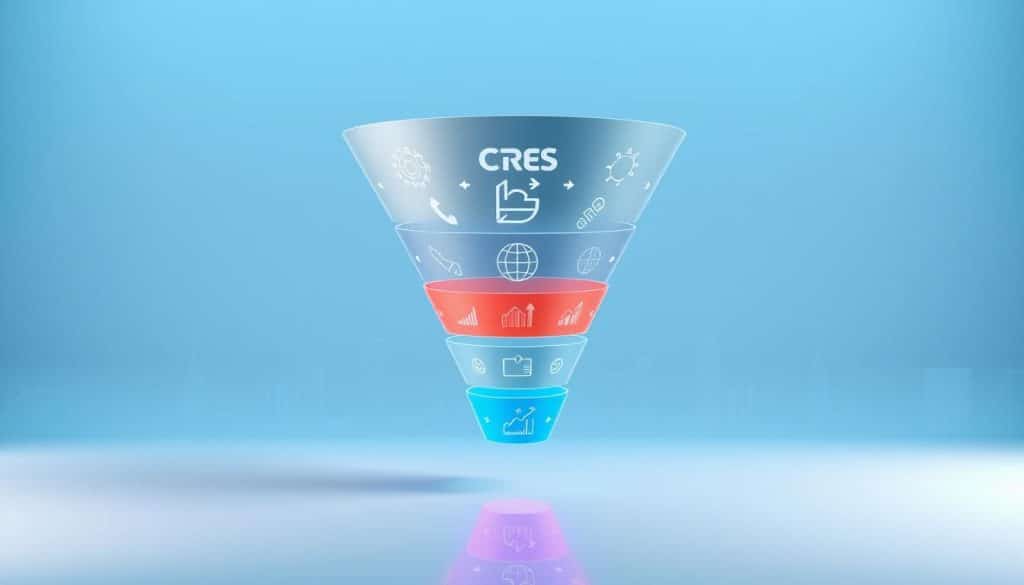
Understanding how digital marketing works is crucial for businesses aiming to thrive in today’s competitive online landscape. Digital marketing operates through a multi-faceted approach that involves several key steps.
The Digital Marketing Funnel
The digital marketing funnel is a model that visualizes the customer journey from initial awareness to conversion. It starts with broad awareness campaigns that capture attention, narrows to consideration where prospects evaluate options, and culminates in conversion activities that drive purchase decisions.
Effective use of the digital marketing funnel requires understanding your audience’s online behaviors, preferences, and pain points to deliver the right content at the right time through the channels they most frequently engage with.
| Stage | Description | Marketing Actions |
|---|---|---|
| Awareness | Capturing attention through broad campaigns | Social media campaigns, content marketing |
| Consideration | Prospects evaluate options | Email marketing, targeted advertising |
| Conversion | Driving purchase decisions | Promotions, call-to-actions |
Customer Journey in Digital Marketing
Modern digital marketing recognizes that customer journeys are rarely linear, with prospects often moving back and forth between stages and across multiple touchpoints before making a decision. Success in marketing comes from creating seamless experiences that maintain consistent messaging while adapting content formats to suit different channels and stages of the customer journey.
To effectively guide potential customers through this journey, businesses must identify their target audience, develop and optimize content and messaging for each channel, and measure campaign performance across key metrics.
Essential Digital Marketing Channels
To maximize their online presence, businesses must leverage essential digital marketing channels effectively. These channels serve as the backbone of any digital marketing strategy, enabling companies to reach, engage, and convert their target audience.
Website and Blog
Your website is the central hub of your digital marketing ecosystem. It provides a controlled environment where you can showcase your brand, products, and services. By deploying strategic content, you can capture valuable visitor data. A blog enhances your website by providing fresh, relevant content that attracts and retains a clearly defined audience.
Social Media Platforms
Social media platforms offer unprecedented access to targeted audience segments. Each platform, such as Facebook, Instagram, LinkedIn, and Twitter, provides unique opportunities to engage with different demographics through both organic content and paid advertising. By leveraging these platforms, businesses can build brand awareness and drive website traffic.
Email remains one of the most direct and effective digital marketing channels. It delivers an average ROI of $36 for every $1 spent, allowing for personalized communication with prospects and customers at various stages of their journey. By segmenting email lists and tailoring content, businesses can significantly enhance engagement and conversion rates.
Search Engines
Search engines drive high-intent traffic to your digital properties. Organic search results (SEO) build long-term visibility, while paid search (SEM/PPC) offers immediate placement for competitive keywords that align with your business offerings. For a deeper dive into SEO, you can refer to our comprehensive guide on how to do SEO for your.
Video Platforms
Video platforms, such as YouTube, have become essential channels for digital marketing success. With YouTube alone reaching over 2 billion logged-in monthly users, video content drives higher engagement rates across all digital touchpoints in the customer journey. By incorporating video marketing into their strategy, businesses can enhance brand storytelling and customer engagement.
| Channel | Description | Benefits |
|---|---|---|
| Website and Blog | Central hub for brand showcase and content deployment | Captures visitor data, enhances brand visibility |
| Social Media | Access to targeted audience segments | Builds brand awareness, drives website traffic |
| Direct and personalized communication | High ROI, enhanced engagement and conversion | |
| Search Engines | Drives high-intent traffic | Long-term visibility through SEO, immediate placement through SEM/PPC |
| Video Platforms | Engaging visual content | Higher engagement rates, enhanced brand storytelling |
Creating a Digital Marketing Strategy
To succeed in the digital landscape, businesses must create a tailored digital marketing strategy that aligns with their overall objectives. A well-crafted strategy helps marketers define goals, target the right audience, and develop a digital marketing plan that effectively reaches and engages that audience.
Setting Clear Goals and Objectives
Creating an effective digital marketing strategy begins with establishing clear, measurable goals that align with your broader business objectives. Whether it’s increasing brand awareness, generating leads, or driving direct sales, these goals provide direction for your marketing efforts. We recommend setting specific, achievable targets that can be tracked and measured over time.
Identifying Your Target Audience
Successful digital marketers develop detailed audience personas based on demographic, psychographic, and behavioral data. This ensures that their messaging resonates with the specific needs, pain points, and preferences of their target customers. By understanding your ideal customer, you can tailor your marketing efforts to effectively reach and engage them.
Selecting the Right Channels
Channel selection should be driven by audience research rather than trends. We focus our resources on the digital platforms where our ideal customers spend their time and are most receptive to our type of content. This targeted approach ensures that our marketing efforts are seen by the right people, at the right time, on the channels they prefer.
Budget Allocation
Budget allocation requires balancing short-term performance marketing with long-term brand building. We typically follow the 70/20/10 rule: 70% on proven channels, 20% on emerging opportunities, and 10% on experimental tactics. For more insights on creating a comprehensive digital marketing plan, you can explore additional resources.
By incorporating regular measurement and optimization cycles, we can quickly identify what’s working, what isn’t, and make data-driven adjustments to improve campaign performance over time. This iterative approach ensures that our digital marketing strategies remain effective and aligned with our overall business objectives.
Content Creation for Digital Marketing
In the realm of digital marketing, content creation stands as a pivotal element that drives engagement and conversion. Effective content creation forms the backbone of successful digital marketing strategies, enabling businesses to connect with their audience across various channels.
Types of Content That Drive Engagement
The types of content that drive engagement are diverse, ranging from email copy and landing pages to infographics, ebooks, and videos. Each type serves a specific purpose throughout the customer journey, from awareness-building blog posts to decision-driving case studies. By leveraging these different content types, businesses can cater to the varied needs of their audience.
| Content Type | Purpose | Example |
|---|---|---|
| Blog Posts | Awareness Building | Industry Insights |
| Case Studies | Decision Driving | Success Stories |
| Infographics | Information Sharing | Data Visualization |
Content Planning and Calendar
Content planning involves developing a comprehensive editorial calendar that balances timely, trending topics with evergreen content that continues to drive traffic and engagement long after publication. This strategic approach ensures that content remains relevant and effective in achieving marketing goals.
Content Distribution Strategies
Content distribution requires a multi-channel approach that adapts formats for different platforms while maintaining consistent messaging. By doing so, businesses can ensure that their valuable content reaches their audience wherever they spend their digital time, maximizing the impact of their digital marketing efforts.
Learn More About Digital Marketing Analytics and Measurement
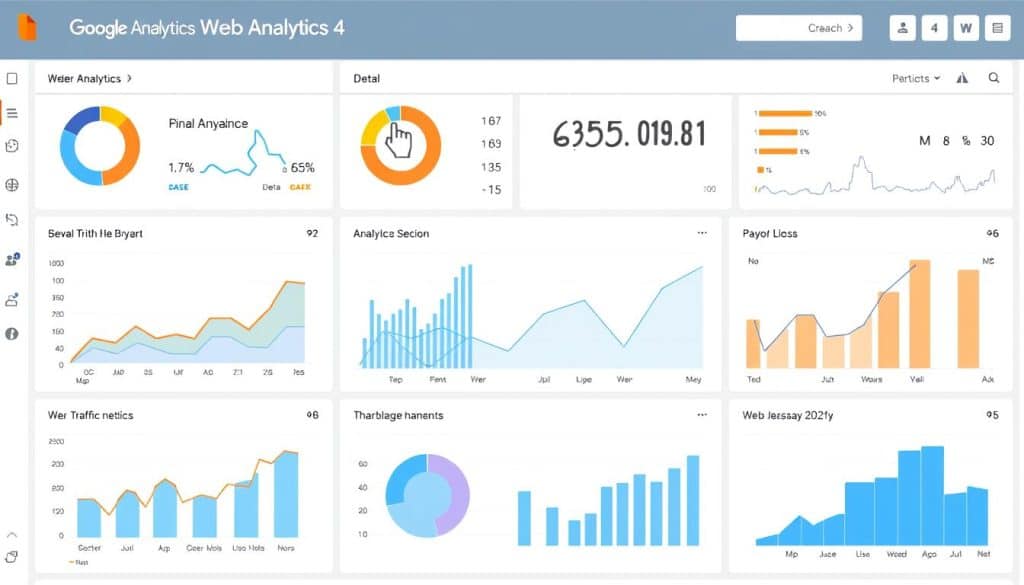
Digital marketing analytics provide the foundation for data-driven decision-making, enabling marketers to refine their strategies and improve results. To effectively measure the success of digital marketing initiatives, businesses must leverage key performance indicators (KPIs) and utilize advanced analytics tools.
Key Performance Indicators (KPIs)
KPIs are quantifiable measures used to evaluate the success of digital marketing campaigns. Essential KPIs include returning visitors to the website, first visit, web traffic sources, total visits, total unique visits, click-through rate (CTR), average time on page, and Marketing ROI (return on investment). By tracking these metrics, marketers can gain insights into customer behavior and campaign effectiveness.
Analytics Tools and Platforms
Modern analytics platforms such as Google Analytics 4, HubSpot, and Adobe Analytics offer powerful capabilities for tracking user behavior across multiple touchpoints. These tools provide comprehensive data about the entire customer journey, enabling marketers to attribute specific business outcomes to particular marketing activities. When searching for the best digital marketing analytics tools, it’s essential to consider the features and capabilities that align with your business objectives.
Interpreting Data for Decision Making
Effective data interpretation requires looking beyond surface-level metrics to understand the relationships between different marketing activities and how they collectively influence customer behavior and conversion patterns. By implementing attribution modeling, sophisticated digital marketing teams can accurately value each touchpoint in complex customer journeys, moving beyond last-click attribution. This enables marketers to make informed decisions and optimize their campaigns for better performance.
Digital Marketing for Different Business Types
Different businesses require tailored digital marketing approaches to effectively reach their target audience. The diverse needs of B2B, B2C, and small businesses demand unique strategies that cater to their specific goals and customer interactions.
Understanding these differences is crucial for creating effective digital marketing campaigns. Let’s explore how different business types can leverage digital marketing to achieve their objectives.
B2B Digital Marketing
B2B digital marketing focuses on driving high-quality leads to sales teams, ensuring higher conversion rates. This involves thought leadership content, detailed case studies, and relationship-building through channels like LinkedIn and email marketing. B2B buying cycles are often lengthy due to the complexity and cost of products or services, requiring a strategic approach to nurturing leads.
B2C Digital Marketing
B2C digital marketing targets individual consumers, aiming to create immediate brand connections and drive direct sales. This is achieved through visually engaging content on platforms like Instagram and Facebook, leveraging emotional triggers to prompt faster purchasing decisions.
Small Business Digital Marketing
Small businesses can effectively compete by focusing on local SEO, targeted social media campaigns, and content marketing that highlights their unique value proposition. By building personal customer relationships and utilizing digital marketing, small businesses can carve out their niche in competitive markets.
In conclusion, different business types require customized digital marketing strategies. By understanding the specific needs and behaviors of their target audience, businesses can align their channel selection, content creation, and messaging to achieve the best results.
Digital Marketing Tools and Software
In the rapidly evolving landscape of digital marketing, leveraging the right tools and software is crucial for success. As marketers, we are constantly seeking ways to streamline our operations, enhance our strategies, and ultimately drive revenue growth.
Marketing Automation Platforms
Marketing automation refers to the software that automates basic marketing operations, such as email newsletters, social media post scheduling, lead-nurturing workflows, and campaign tracking and reporting. Platforms like HubSpot, Marketo, and Pardot have transformed digital marketing by allowing teams to scale personalized communication across thousands of contacts.
SEO and Content Tools
SEO tools such as Semrush, Ahrefs, and Moz provide critical insights into keyword opportunities, competitor strategies, and technical website issues, giving marketers a competitive edge in organic search visibility. For more on creating effective content, check out our guide on SEO content writing tips.
Social Media Management Tools
Social media management platforms like Hootsuite, Buffer, and Sprout Social enable marketing teams to plan, schedule, and analyze content across multiple platforms from a single dashboard, dramatically improving efficiency and performance tracking.
By integrating these digital marketing tools and software into our strategies, we can automate repetitive tasks, gain valuable insights, and focus more on creative work and strategy. This not only enhances our marketing efforts but also allows us to measure our success more accurately.
The Future of Digital Marketing
Digital marketing’s future is being shaped by innovations that are redefining how brands interact with their audiences. The rise of mobile technology has already significantly impacted digital marketing, changing consumer behavior and creating new opportunities for marketers to engage with customers in real-time.
As we move forward, several key trends are expected to dominate the marketing landscape. Emerging technologies such as artificial intelligence (AI) and machine learning are set to play a crucial role in enabling hyper-personalization at scale.
Revolutionizing Marketing with Emerging Technologies
Emerging technologies in marketing are transforming the way businesses approach customer engagement. Technologies like augmented and virtual reality are creating immersive brand experiences, allowing customers to interact with products in entirely new ways.
AI and Machine Learning Applications
The integration of AI and machine learning in digital marketing is revolutionizing how businesses predict customer needs and personalize their content. By leveraging these technologies, marketers can now deliver highly targeted campaigns that resonate with their audiences.
Preparing for Future Digital Marketing Trends
To stay ahead, marketers must be prepared to adapt to future trends in digital marketing. This includes focusing on privacy-focused marketing strategies, optimizing for voice search, and leveraging data to inform decision-making. For more insights on how digital marketing will evolve, visit TBS News.
By understanding these shifts and preparing accordingly, businesses can position themselves for success in a rapidly changing digital marketing landscape.
Common Digital Marketing Challenges and Solutions
One of the biggest hurdles digital marketers face is standing out in a crowded digital space. As the digital landscape continues to evolve, marketers must navigate various challenges to achieve their goals.
Digital marketing is a multifaceted field that requires a comprehensive approach. To succeed, marketers must be aware of the common challenges and implement effective solutions.
Staying Ahead of Algorithm Changes
Algorithm changes across search engines and social platforms represent one of the most persistent challenges in digital marketing. To maintain visibility and performance, teams must stay continuously informed and adaptable. This involves:
- Regularly updating knowledge on the latest algorithm changes
- Adjusting SEO strategies to align with new guidelines
- Monitoring performance metrics to gauge the impact of algorithm changes
For more insights on staying ahead with SEO, visit our guide on SEO Mastery.
Managing Multiple Channels Effectively
The proliferation of marketing channels creates significant complexity in campaign management. Marketers need to balance resources across multiple platforms while maintaining consistent messaging and tracking cross-channel customer journeys. Effective channel management involves:
- Identifying the most effective channels for your target audience
- Coordinating campaigns across different platforms
- Utilizing tools that help in managing and tracking channel performance
Measuring ROI Accurately
Accurate ROI measurement remains challenging in digital marketing due to attribution difficulties. Customers typically interact with multiple touchpoints before conversion, and traditional models often overvalue either first or last interactions. To measure ROI accurately, marketers should:
- Implement advanced attribution modeling
- Use data analytics to understand customer journeys
- Continuously refine measurement strategies based on performance data
By addressing these common challenges, digital marketers can enhance their strategies and improve overall performance. It’s crucial to stay informed, be adaptable, and leverage the right tools and techniques to succeed in the ever-evolving digital landscape.
Conclusion
Digital marketing has revolutionized the way businesses operate, making it an indispensable tool for success in the modern marketplace. By leveraging digital marketing strategies, companies can now reach a larger audience than ever before, targeting prospects who are most likely to buy their product or service.
The most successful marketing approaches integrate multiple channels into a cohesive ecosystem, guiding customers through their buying journey with relevant content at each stage. This not only enhances brand awareness but also drives sales and fosters lasting customer relationships.
For businesses in Qatar and beyond, digital marketing provides a level playing field where companies of all sizes can compete effectively by focusing on audience needs and delivering exceptional value. By implementing the strategies outlined in this guide, businesses can develop a marketing approach that drives sustainable growth and achieves measurable results.
As digital technologies continue to evolve, understanding your audience, communicating clear value propositions, and measuring results to continuously improve performance remain the fundamentals of successful marketing. By doing so, businesses can ensure they stay ahead of the curve and achieve their goals.
FAQ
What is the primary goal of a digital marketing strategy?
The primary goal of a digital marketing strategy is to drive revenue growth through online channels, such as search engines, social media, and email, while maintaining a strong brand awareness and customer engagement.
How do I measure the success of my digital marketing efforts?
To measure the success of your digital marketing efforts, you should track key performance indicators (KPIs) such as website traffic, conversion rates, click-through rates, and return on investment (ROI).
What is the role of content in digital marketing?
Content plays a crucial role in digital marketing, as it helps attract and engage target audiences, build brand awareness, and drive conversions. High-quality, relevant, and consistent content is essential for a successful digital marketing strategy.
How do I choose the right social media platforms for my business?
To choose the right social media platforms for your business, you should consider your target audience’s demographics, preferences, and behaviors, as well as your business goals and objectives.
What is SEO, and why is it important?
SEO (Search Engine Optimization) is the process of optimizing your website and online content to rank higher in search engine results pages (SERPs). It’s essential for increasing online visibility, driving organic traffic, and boosting brand credibility.
How can I improve my email marketing campaigns?
To improve your email marketing campaigns, you should focus on building a targeted email list, creating engaging and personalized content, and optimizing your email design and delivery.
What is PPC advertising, and how does it work?
PPC advertising (Pay-Per-Click) is a form of online advertising where you pay each time a user clicks on your ad. It works by bidding on specific keywords, creating ad copy, and setting a budget for your campaigns.
How do I stay ahead of the latest digital marketing trends?
To stay ahead of the latest digital marketing trends, you should continuously educate yourself on the latest industry developments, attend conferences and workshops, and experiment with new strategies and technologies.