

Are you leveraging the full potential of digital channels to drive your business forward? In today’s fast-paced digital landscape, having a robust digital marketing plan is no longer a luxury, but a necessity.
As consumers and businesses alike are increasingly online, a well-crafted marketing strategy can be the key differentiator between success and stagnation. We will explore how a data-driven approach can transform your business outcomes.
By integrating data across all marketing channels, businesses can create a cohesive strategy that maximizes ROI and customer engagement. This guide will walk you through the essential components of building an effective data-driven approach.
Key Takeaways
- Understand the importance of transitioning from intuition-based marketing to evidence-based decision making.
- Learn how to leverage data at every stage of your marketing efforts.
- Discover the key components of a successful digital marketing strategy.
- Gain insights into measuring performance with analytics.
- Develop a clear roadmap for implementing a data-driven marketing strategy tailored to your business goals.
Understanding Data-Driven Online Marketing
In today’s digital landscape, a data-driven online marketing strategy is crucial for businesses aiming to thrive. Data analytics play a pivotal role in tracking traffic, analyzing campaign resonance, and pinpointing user drop-off points. Moreover, data analytics enable businesses to understand user behavior, preferences, and predict future trends.
Data-driven marketing fundamentally changes how businesses approach their online presence, shifting from intuition-based decisions to evidence-based strategies. At its core, it involves collecting, analyzing, and applying customer and market data to inform marketing decisions. This approach allows marketers to understand the effectiveness of their tactics and make data-informed decisions.
What Makes Marketing “Data-Driven”
Data-driven marketing is characterized by its reliance on data collection, analysis, and application to guide marketing strategies. It leverages multiple data sources, including website analytics, social media metrics, and customer relationship management systems. The key difference between traditional and data-driven marketing lies in its continuous feedback loop, enabling real-time optimization.
| Data Source | Marketing Insight | Actionable Outcome |
|---|---|---|
| Website Analytics | User behavior and traffic patterns | Optimized user experience and content |
| Social Media Metrics | Engagement rates and audience demographics | Targeted social media campaigns |
| Customer Relationship Management (CRM) | Customer interactions and purchase history | Personalized marketing and customer service |
The Difference Between Marketing Strategies and Tactics
In the realm of digital marketing, understanding the distinction between strategy and tactics is crucial for success. As we navigate the complexities of digital marketing, it’s essential to recognize that a marketing strategy serves as the overarching plan, while tactics are the specific actions taken to execute that plan.
As emphasized by experts, “strategy is planning, and tactic is doing.” Having a strategy without ways to act on it is mere daydreaming, while taking actions without a common goal or plan wastes valuable time and resources. A well-crafted marketing strategy provides the direction and goals for marketing efforts, answering the “why” and “what” questions of the marketing approach.
There are three essential components to any effective strategy: a diagnosis of the challenge, a guiding policy for dealing with the challenge, and a set of targeted actions necessary to accomplish the policy. Effective marketing strategies include a comprehensive analysis of market position, clear objectives aligned with business goals, and a defined value proposition.
- A marketing strategy provides the overarching direction and goals for marketing efforts.
- Effective strategies are adaptable yet consistent, allowing for tactical adjustments based on performance data.
- A well-crafted strategy serves as the foundation for all marketing activities, ensuring cohesion across channels and campaigns.
Characteristics of an Effective Strategy
An effective strategy is characterized by its ability to provide a stable framework while allowing for flexibility in response to market changes. It includes a thorough diagnosis of current challenges, a guiding policy, and coordinated actions to execute the policy.
By understanding the difference between marketing strategies and tactics, businesses can develop a coherent marketing approach that drives results. As we continue to explore the nuances of digital marketing, it’s clear that a well-defined strategy is essential for achieving success in today’s competitive landscape.
The Difference Between Marketing Strategies and Tactics
Understanding the distinction between marketing strategies and tactics is crucial for any business aiming to thrive in the digital landscape. While strategies provide a framework for your overall vision, tactics determine the specific steps taken to execute that vision. In essence, your marketing strategy outlines where you want to go, and your tactics detail how you plan to get there.
Effective digital marketing relies heavily on the ability to differentiate between these two concepts. A marketing strategy is about setting long-term goals and defining the overall approach to achieve them. On the other hand, tactics are the specific actions and tools you implement to execute your strategy – they answer the “how” question of your marketing approach.
How Tactics Support Your Strategy
For tactics to be successful, they must directly support your strategic objectives, creating a clear line of sight from action to outcome. This means that every tactic you employ should be specific, actionable, and measurable, with a relatively short timeframe for execution.
- Effective tactics are those that align with the overall strategy, ensuring that every action contributes to the larger goals.
- Digital marketing offers a wide array of tactical options across owned, earned, and paid media channels, allowing businesses to select the most appropriate tactics for their goals.
- The best marketing tactics are those that are measurable, allowing you to track their performance and contribution to your strategic goals.
By understanding the difference between marketing strategies and tactics, businesses can create a cohesive digital marketing strategy that drives results. Regular monitoring and optimization of campaigns are crucial to ensure that tactics remain aligned with strategic goals.
Setting SMART Goals for Your Online Marketing Strategy
Crafting a successful online marketing strategy requires the development of specific, measurable, achievable, relevant, and time-bound (SMART) goals. To build an effective digital strategy, you first need to lay out your main goals and specific objectives. Goals are big-picture ideas, while objectives are more detailed and easier to measure.
For instance, a goal might be to increase brand awareness, while an objective could be to grow your social media following by 20% within the next quarter. This distinction is crucial because it allows you to define and measure success through clear criteria.

- Setting clear, measurable goals is the foundation of any successful online marketing strategy, providing direction and a benchmark for success.
- Business objectives should cascade from your overall business strategy, ensuring marketing activities directly contribute to company growth and profitability.
- The SMART framework provides a proven structure for creating effective marketing objectives that are specific, measurable, achievable, relevant, and time-bound.
Defining Clear Business Objectives
Defining clear business objectives is a critical step in developing your online marketing strategy. Your business objectives should reflect both short-term wins and long-term strategic positioning in your market. Different types of business objectives might include increasing market share, entering new markets, improving customer retention, or launching new products/services.
Effective goal-setting requires input from multiple stakeholders, including sales, product, and executive teams, to ensure alignment across the organization. By documenting your objectives clearly, you provide clarity and accountability for your marketing team, ensuring everyone works towards common goals.
Setting SMART Goals for Your Online Marketing Strategy
In the realm of online marketing, setting SMART goals is the linchpin that connects marketing activities to business outcomes. We emphasize the importance of creating Specific, Measurable, Achievable, Relevant, and Time-bound goals that align with your overall business objectives. This alignment is crucial for demonstrating the value of your marketing efforts and securing continued investment.
Your marketing goals should always be tied back to the fundamental goals of your business. For instance, if your business aims to increase online revenue by 20%, your marketing team’s goal might be to generate 50% more leads via the website than the previous year to contribute to that success. This direct line of sight between marketing activities and business outcomes ensures that every campaign contributes to organizational success.
Aligning Marketing Goals with Business Goals
Alignment between marketing and business goals is critical for demonstrating marketing’s value and securing continued investment in your initiatives. We explore how to create a direct line of sight between marketing activities and business outcomes, ensuring every campaign contributes to organizational success.
- Common marketing goals include increasing brand awareness, generating qualified leads, improving conversion rates, and enhancing customer loyalty.
- Each marketing goal should have clear KPIs (Key Performance Indicators) that allow you to track progress and demonstrate impact on business objectives.
- Digital marketing offers unique advantages for goal alignment through its highly measurable nature and ability to attribute results directly to specific activities.
By creating a goal hierarchy that connects tactical metrics (like click-through rates or engagement) to strategic outcomes (like revenue growth), we can ensure that our marketing efforts are always aligned with business priorities. Regular review and adjustment of marketing goals are essential to maintain this alignment as business priorities and market conditions evolve.
Building Comprehensive Buyer Personas
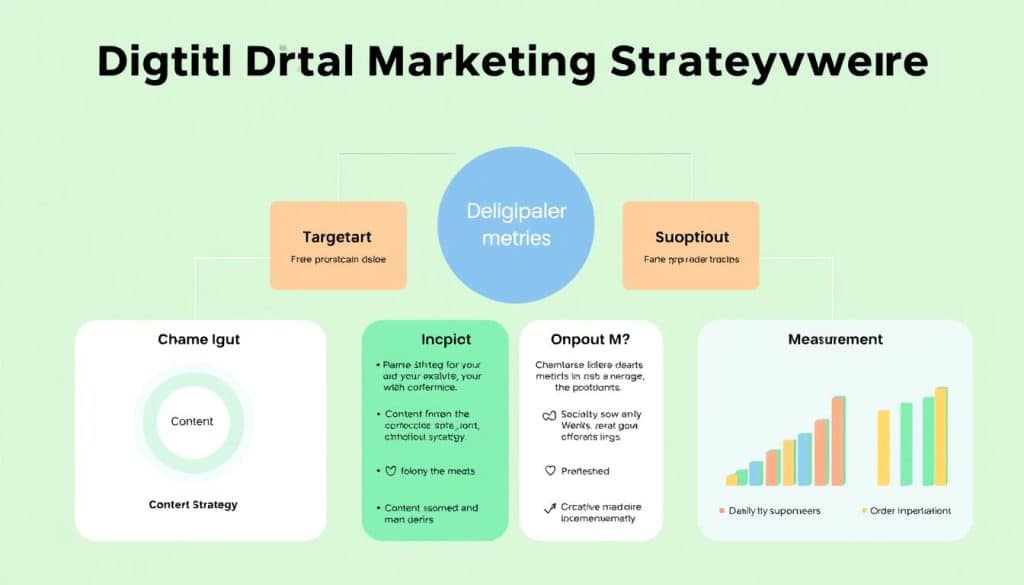
The foundation of any successful marketing strategy is a deep understanding of your customer base. For any digital marketing strategy — digital or not — you need to know who you’re marketing to. The best digital marketing strategies are built upon detailed buyer personas; creating them is your first step.
Buyer personas represent your ideal customer(s) and can be created by researching, surveying, and interviewing your business’s target audience. It’s crucial that the information you gather is based on real data whenever possible. Making assumptions about your audience can cause your marketing strategy to go wrong.
Collecting Demographic and Psychographic Data
To create comprehensive buyer personas, you need to gather both demographic and psychographic data. Demographic data includes age, location, income, and job title, while psychographic information encompasses values, interests, pain points, and goals.
- Comprehensive buyer personas form the foundation of effective data-driven marketing, providing detailed insights into who your customers are and what motivates them.
- We’ll guide you through systematic approaches to gathering both demographic data and psychographic information.
- Effective data collection combines multiple research methods, including customer interviews, surveys, website analytics, social media insights, and sales team feedback.
- We’ll explore how to leverage your CRM data to identify patterns and commonalities among your most valuable customers.
- Third-party research and industry reports can supplement your primary research, providing broader context and validation for your findings.
- Competitive analysis can reveal valuable insights about customer segments that might be underserved in your market.
- The most effective buyer personas are based on actual data rather than assumptions, requiring ongoing research to maintain accuracy.
- We’ll provide practical templates and questionnaires you can immediately implement to gather relevant customer data for your personas.
- Modern data collection must balance depth of insight with privacy considerations, especially with evolving regulations like GDPR and CCPA.
For more information on building customer personas, you can visit Qualaroo’s guide on building customer personas.
Building Comprehensive Buyer Personas

In the realm of digital marketing, building comprehensive buyer personas is essential. Buyer personas are especially helpful if you have a niche audience. For instance, a column focused on minority business owners and entrepreneurs requires a more specific understanding of their interests, needs, and challenges.
Once you’ve collected customer data, the real work begins in analyzing and synthesizing this information into actionable buyer personas. Effective personas go beyond basic demographics to capture motivations, challenges, goals, and objections that influence purchasing decisions.
Using Data to Refine Your Target Audience
Data analysis often reveals surprising insights that challenge existing assumptions about your target audience. We’ll demonstrate how to identify patterns and segments within your customer base that represent your most valuable audience groups.
To refine your target audience, you can use progressive refinement to continuously improve your personas based on ongoing data collection and campaign performance. Modern marketing automation platforms allow for dynamic segmentation based on behavioral data, enabling increasingly personalized marketing approaches.
The most valuable personas include specific details about how your customers make decisions, including their information sources, evaluation criteria, and potential objections. Properly documented personas should be living documents that evolve as you gather more data and as market conditions change.
Auditing Your Current Digital Marketing Efforts
Auditing your existing digital marketing channels is a pivotal step in creating a data-driven online marketing strategy. To begin, it’s essential to take stock of your current digital landscape.
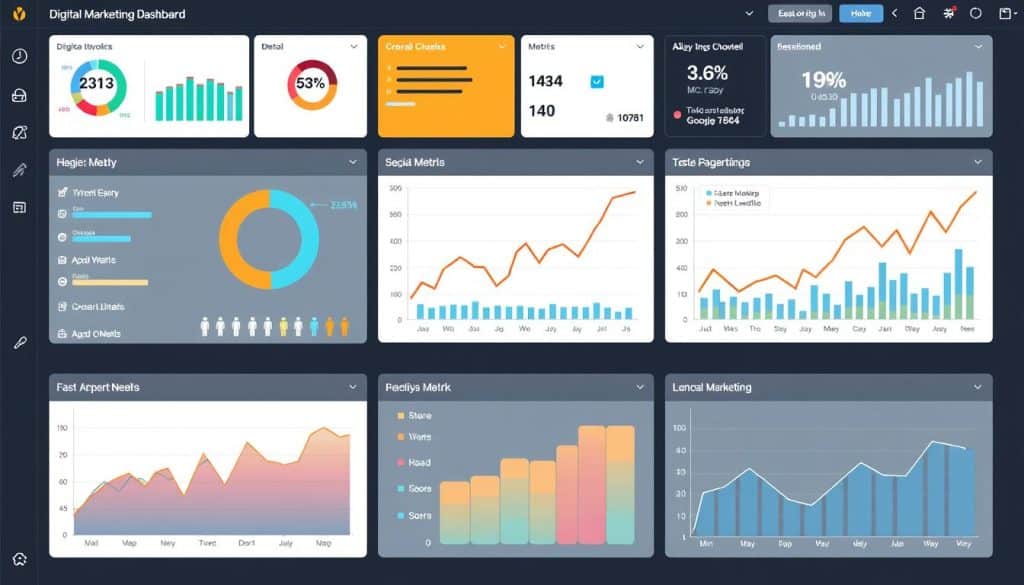
When reviewing your existing digital marketing channels and assets, consider the big picture to avoid feeling overwhelmed. Gather your assets and categorize them into a spreadsheet to have a clear picture of your owned, earned, and paid media.
Evaluating Owned, Earned, and Paid Media
Owned media includes digital assets your brand owns, such as your website, social media profiles, blog content, and imagery. Earned media refers to anything written about or created about your business without paid advertising. Paid media involves any channel you spend money on to reach your buyer personas.
- A comprehensive audit reveals strengths to leverage and gaps to address in your digital marketing strategy.
- We’ll guide you through evaluating your marketing activities across owned, earned, and paid media.
- Owned media assessment includes analyzing your website, blog, and social media profiles.
- Earned media evaluation examines brand mentions, reviews, and social shares.
- Paid media analysis reviews advertising performance across search engines and social platforms.
- Effective audits combine quantitative metrics with qualitative assessment of content quality and user experience.
By evaluating your digital marketing efforts across these categories, you’ll identify which channels drive the most value and which need optimization.
Auditing Your Current Digital Marketing Efforts
Auditing your digital marketing efforts requires a comprehensive approach that assesses your current strategy and identifies areas for improvement. To do this effectively, we recommend using the owned, earned, and paid media framework to categorize the digital “vehicles,” assets, or channels you’re already using and decide what’s a good fit for your digital marketing strategy.
For instance, if you have an owned piece of content on a landing page on your website that’s been created to help generate leads, ensuring it’s shareable so your audience can distribute it via their social media profiles is crucial. This amplifies the number of leads the content generates and increases traffic to your landing page, incorporating the earned media component.
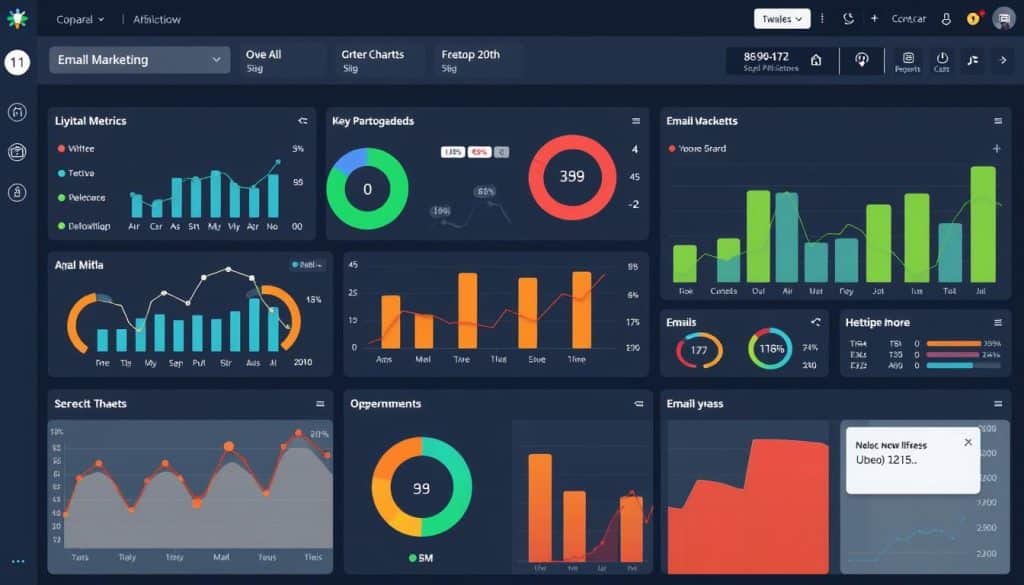
Identifying Gaps and Opportunities
Beyond assessing current performance, your digital marketing audit should identify specific gaps and opportunities to inform your strategy development. This involves conducting a competitive analysis to identify market opportunities your competitors may have missed.
- Gap analysis helps identify missing elements in your marketing mix, whether it’s underutilized channels, content types, or audience segments.
- Opportunity identification focuses on areas where small improvements could yield significant results based on your current data.
- We’ll explore how to prioritize opportunities based on potential impact, resource requirements, and alignment with business objectives.
- The most valuable opportunities often emerge at the intersection of customer needs, competitive gaps, and your unique capabilities.
- Technical SEO audits can reveal hidden opportunities to improve search visibility and website performance.
- Content gap analysis identifies topics and formats your audience seeks but your current content doesn’t adequately address.
By using these frameworks, you can document and prioritize the opportunities identified through your audit process, ultimately refining your digital marketing efforts to achieve better results.
Developing Your Online Marketing Strategy Framework
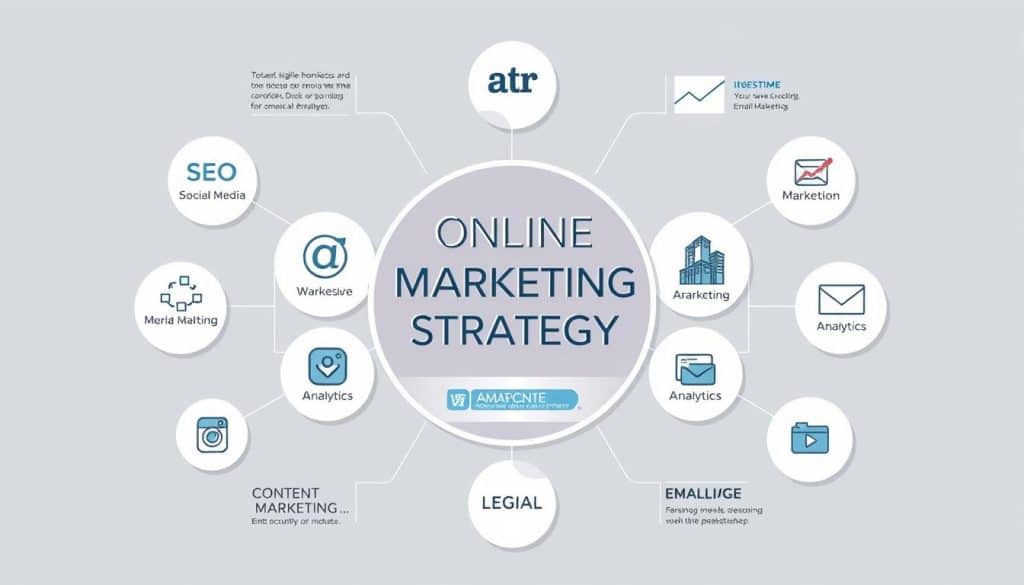
A well-structured framework is essential for a successful online marketing strategy, enabling businesses to navigate the complexities of digital marketing. Our RACE Growth System provides a proven approach to structuring your online marketing efforts.
The RACE Planning Framework is a crucial component of this system, defining the essential activities and measures businesses need to master to survive and thrive in today’s marketing world. It covers four critical stages: Reach, Act, Convert, and Engage.
The RACE Planning Framework
The RACE Planning Framework provides a comprehensive approach to digital marketing strategy, ensuring that businesses address all stages of the customer journey. The framework is designed to help businesses build awareness, drive engagement, facilitate conversion, and foster long-term customer relationships.
- A structured framework is essential for developing a comprehensive online marketing strategy that addresses all stages of the customer journey.
- The RACE Planning Framework provides a proven approach to digital marketing strategy, covering Reach, Act, Convert, and Engage stages.
- The Reach stage focuses on building awareness and visibility among your target audience through various digital channels.
- Act (or Interact) encourages website or social media engagement, moving prospects closer to conversion through valuable content and experiences.
- Convert represents the critical transaction point, whether that’s a purchase, sign-up, or other defined conversion action.
- Engage focuses on building long-term relationships with customers through ongoing communication and value delivery.
- We’ll demonstrate how to set appropriate KPIs and metrics for each stage of the RACE framework to measure success.
- This framework ensures your strategy addresses the complete customer lifecycle rather than focusing solely on acquisition or conversion.
- The RACE approach integrates seamlessly with data-driven marketing by establishing clear metrics for each stage of the customer journey.
By utilizing the RACE Planning Framework, businesses can develop a robust marketing strategy that drives growth and improves customer engagement. This framework is particularly relevant for businesses operating in Qatar, where understanding local market dynamics is crucial.
Developing Your Online Marketing Strategy Framework

As we continue to develop your online marketing strategy framework, it’s essential to understand the role of PPC advertising platforms. A well-structured digital marketing strategy incorporates various channels, including PPC, to drive business growth and maximize ROI.
The RACE OSA growth process is designed to help businesses improve their results from marketing, customized to their needs based on the size and type of business, their personal experience, and needs. By using our learning paths, tools, and templates, you can create a prioritized plan and roadmap for success.
The OSA Improvement Process
The OSA Improvement Process (Opportunity, Strategy, Action) provides a structured approach to continuous marketing optimization. This cyclical process ensures that your marketing strategy evolves based on performance data and changing market conditions.
- Beyond the strategic framework, a systematic improvement process ensures your marketing strategy evolves based on performance data and changing market conditions.
- The Opportunity phase involves auditing current performance, reviewing the marketplace, summarizing key issues, and setting clear objectives.
- The Strategy phase focuses on evaluating options, assessing budgets and business cases, and prioritizing strategic initiatives based on potential impact.
- The Action phase involves planning 90-day activities, implementing plans, and reviewing results to inform the next cycle.
- This cyclical process creates a feedback loop that continuously improves marketing performance over time.
By implementing the OSA Improvement Process, businesses can achieve a balanced approach to strategic direction and tactical agility, allowing for regular course corrections based on performance data. This process works effectively for both comprehensive marketing strategies and individual channel optimizations.
Content Marketing: Creating Value-Driven Content
To elevate your brand’s online presence, a well-crafted content marketing strategy is indispensable. Content marketing uses storytelling and information sharing to increase brand awareness, ultimately driving readers to take action toward becoming customers. This can be achieved through various content forms such as blog posts, white papers, e-books, digital videos, and podcasts.
The essence of content marketing lies in providing value to the consumer, rather than merely advertising the brand or attempting to make a sale. It works in symbiosis with other types of digital marketing, incorporating search engine optimization (SEO) into fresh website content and sharing created content as social media posts and in email marketing publications.
Content Audit and Gap Analysis
A comprehensive content audit is crucial for evaluating existing content assets against performance metrics, audience relevance, and strategic alignment. This process involves:
- Conducting a systematic content inventory that catalogs all content across digital properties.
- Performance analysis to examine metrics like traffic, engagement, conversions, and sharing.
- Content gap analysis to compare the current content library against audience needs, competitor offerings, and strategic objectives.
- Evaluating content quality, accuracy, brand consistency, and technical SEO factors.
- Content mapping to visualize how existing content supports different stages of the customer journey and different buyer personas.
By implementing these steps, businesses can identify content opportunities through keyword research, customer questions, and sales team insights. For more insights on elevating your business, visit our guide on elevating your business with expert lead generation.
Prioritizing content creation and optimization based on potential impact and resource requirements is key to a successful content marketing strategy. By doing so, businesses can ensure their content marketing efforts are aligned with their overall digital marketing strategy, driving meaningful engagement and conversions.
Content Marketing: Creating Value-Driven Content
To leverage the full power of content marketing, businesses must develop a strategic approach that resonates with their target audience, particularly when exploring affiliate marketing programs.
A well-crafted content strategy is the backbone of any successful digital marketing effort. It involves understanding your audience, creating content that resonates with them, and delivering it through the most effective channels. Your content must inform, entertain, and engage your audience, making it crucial to “spy” on their preferences and behaviors.
Here are the key elements to focus on when developing your content strategy:
- A strategic content calendar transforms your content marketing from reactive to proactive, ensuring consistent delivery of valuable content aligned with business objectives.
- Effective content calendars align with your marketing campaigns, seasonal trends, industry events, and product launches.
- Content pillars provide thematic structure to your calendar, ensuring comprehensive coverage of topics relevant to your audience.
- We’ll demonstrate how to balance content formats (blog posts, videos, infographics, podcasts) and funnel stages (awareness, consideration, decision) in your calendar.
Developing a Content Calendar
A content calendar is a crucial tool for organizing and scheduling content in advance. It helps in maintaining consistency and ensuring that your content is aligned with your overall digital marketing strategy.
To develop an effective content calendar, consider the following:
- Resource allocation planning ensures your content ambitions align with available team capacity and skills.
- The most effective content calendars include distribution and promotion planning alongside content creation schedules.
- We’ll explore tools and templates for managing your content calendar, from simple spreadsheets to specialized content management platforms.
- Regular performance reviews should inform calendar adjustments, doubling down on successful content types and topics.
By focusing on these elements and creating a robust content calendar, businesses can enhance their content marketing efforts, improve engagement, and drive meaningful results.
Search Engine Optimization for Increased Visibility
Search engine optimization remains a vital component of digital marketing, enabling businesses to increase their visibility and reach their target audience more effectively. To accomplish this, SEO marketers research words and phrases consumers are using to search for information online and use those terms in their own content.
According to leading SEO software company Moz’s “Beginners Guide to SEO,” SEO encompasses many elements, from the words on your web pages to the way other sites link to you on the web to how your website is structured. Effective SEO strategies involve comprehensive keyword research, identifying the terms and phrases your target audience uses when searching for solutions you provide.
Keyword Research and Implementation
Comprehensive keyword research forms the foundation of effective SEO. This involves a systematic process that balances search volume, competition, and commercial intent. Modern keyword research goes beyond traditional tools to incorporate customer interviews, support tickets, and sales conversations for insight into actual customer language.
- Effective keyword implementation requires strategic placement in page titles, headings, content, URLs, and meta descriptions without sacrificing readability.
- Organizing keywords into thematic clusters signals topical authority to search engines.
- Keyword prioritization should consider both short-term opportunities (lower competition terms) and long-term strategic terms (higher value but more competitive).
The most effective SEO strategies balance targeting specific keywords with creating comprehensive, valuable content that naturally incorporates relevant terminology. Regular keyword performance analysis ensures your SEO strategy evolves with changing search trends and algorithm updates.
Search Engine Optimization for Increased Visibility
To maximize online visibility, businesses must adopt a comprehensive search engine optimization (SEO) strategy that incorporates both on-page and off-page tactics. Effective SEO is crucial for improving a website’s ranking on search engines, driving more qualified leads, and ultimately increasing conversions.
The complexity of SEO lies in its constant evolution, with search engines continually updating their algorithms. According to Moz, two critical aspects that SEO strategists must focus on are content indexing and good link structure. Content indexing involves making it easy for search engines to “read” and understand the content on a website by using techniques like alt text for images and text transcripts for video and audio content.
A well-structured website with a clear link structure is also vital, as it enables search engines to crawl and index all the content on the site efficiently. By focusing on these elements, businesses can improve their website’s visibility and drive more organic traffic.
On-Page and Off-Page SEO Tactics
Effective SEO requires a combination of on-page optimization and off-page factors. On-page SEO includes technical elements like site speed, mobile responsiveness, structured data, and secure connections (HTTPS). It’s also crucial to balance keyword usage with user experience, ensuring that content is both search-engine friendly and valuable to readers.
Some essential on-page elements to focus on include title tags, meta descriptions, heading structure, internal linking, and image optimization. Off-page SEO, on the other hand, focuses primarily on building authoritative backlinks from relevant websites in your industry. Strategies for link building include content marketing, guest posting, resource link building, and digital PR campaigns.
- On-page SEO includes technical elements like site speed and mobile responsiveness.
- Content optimization balances keyword usage with user experience.
- Off-page SEO focuses on building authoritative backlinks.
Email Marketing Strategies That Convert
As a key component of a comprehensive digital marketing strategy, email marketing offers unparalleled opportunities for personalized customer interaction. Despite the emergence of new marketing channels, email remains one of the most effective techniques for providing value to consumers and converting audiences into customers over time.
Email marketing professionals not only craft compelling campaigns but also understand how to reach their audience optimally. They analyze customer interactions and data to make strategic decisions, as noted by the American Marketing Association (AMA). To leverage email marketing effectively, businesses must focus on building a quality email list and segmenting it to deliver targeted communications.
Building and Segmenting Your Email List
Building a quality email list is foundational to successful email marketing. This process begins with creating compelling opt-in incentives that offer immediate value to your target audience. Effective list-building tactics include using lead magnets, content upgrades, webinars, contests, and strategic form placement.
Segmentation is crucial for transforming generic broadcasts into targeted communications that resonate with specific audience segments. Criteria for segmentation can include demographics, purchase history, engagement level, content preferences, and the customer’s position in their journey. By combining explicit data (information subscribers provide directly) with implicit data (behavioral information from interactions), businesses can create highly targeted campaigns.
To illustrate the effectiveness of different email marketing strategies, consider the following comparison:
| Strategy | Description | Conversion Rate |
|---|---|---|
| Personalized Emails | Emails tailored to individual preferences | 25% |
| Segmented Campaigns | Campaigns targeted at specific audience segments | 30% |
| Automated Emails | Emails triggered by subscriber behavior | 40% |
By implementing these strategies and maintaining regular list hygiene practices, businesses can significantly improve their email marketing performance. Leveraging automation to create triggered emails based on subscriber behavior can increase relevance and conversion rates, driving revenue growth through digital excellence.
Email Marketing Strategies That Convert
In the realm of digital marketing, email campaigns stand out as a powerful tool for connecting with customers and driving business growth. To maximize the potential of email marketing, businesses must focus on crafting campaigns that resonate with their target audience.
Effective email marketing is about more than just sending messages; it’s about creating a strategic dialogue with your customers. By leveraging email marketing strategies, businesses can drive opens, clicks, and conversions.

Creating Compelling Email Campaigns
To create compelling email campaigns, several key elements must be considered. These include crafting attention-grabbing subject lines, designing mobile-first layouts, and using clear call-to-action buttons.
- Crafting email content that delivers immediate value while guiding subscribers toward conversion goals.
- Using personalization beyond first names, including content recommendations and behavioral triggers.
- Implementing A/B testing to optimize subject lines, send times, and call-to-action placement.
By integrating email marketing with your broader marketing strategy, you can maintain a consistent brand voice and messaging across all channels. This cohesive approach enhances the overall effectiveness of your digital marketing strategy.
Social Media Marketing for Business Growth
Social media marketing is no longer a peripheral aspect of marketing but a central component of most business growth strategies. To be effective, efforts must be coordinated and consistent rather than an afterthought. This involves not just creating posts for social channels and responding to comments, but a comprehensive approach that aligns with the company’s overall marketing strategy.
To help keep posts consistent, there are many online tools available to automate and schedule social media posts. However, marketers should use automation as a tool, not a “set it and forget it” solution. Users will quickly figure out if there’s no real person behind the posts. Social media marketers should work closely with the company’s wider marketing team to coordinate their message across all platforms, online and offline, ensuring every part of the brand tells the same story.
Choosing the Right Social Platforms
The selection of social media platforms should be driven by specific business objectives, target audience demographics, and content capabilities. Different platforms offer different benefits for various business types. For instance, B2B companies typically find more value in LinkedIn, Twitter, and increasingly YouTube, while B2C brands often prioritize Instagram, Facebook, TikTok, and Pinterest.
The most effective social strategies focus on dominating 2-3 platforms rather than maintaining a mediocre presence across all available channels. To achieve this, businesses should analyze platform demographics, engagement patterns, and advertising options to identify the most valuable channels for their business.
| Platform | B2B | B2C |
|---|---|---|
| High Value | Low Value | |
| Low Value | High Value | |
| YouTube | Moderate Value | High Value |
| High Value | Moderate Value |
By understanding the strengths of each platform and aligning them with business goals, companies can create a focused social media marketing strategy that drives business growth.
Social Media Marketing for Business Growth
In the realm of social media, crafting content that resonates with your audience is key to a successful marketing strategy. As we explore the nuances of social media marketing, it’s essential to understand that analytics play a crucial role in shaping our approach. By analyzing the performance of our current social media posts, we can create data-driven strategies that drive business growth.
According to Statista, a significant majority of industry professionals (86%) reported that an increase in exposure to their company was the leading benefit of social media marketing in 2023, followed by an increase in website traffic (76%). These statistics underscore the importance of having a well-crafted social media strategy in place.
Creating Engaging Social Content
Once you’ve selected your priority platforms, creating engaging content that resonates with your audience is critical for social media success. Effective social content strikes a balance between brand messaging and audience interests, providing value beyond promotional content.
- Developing a content mix that includes educational, entertaining, inspirational, and promotional content in appropriate proportions.
- Platform-specific content optimization to leverage the unique features and audience expectations of each channel.
- Utilizing visual content (images, videos, infographics) that consistently outperforms text-only content across most social platforms.
To further enhance your social media marketing efforts, consider the following table that outlines the benefits and strategies for creating engaging social content:
| Content Type | Benefits | Strategy |
|---|---|---|
| Educational Content | Establishes authority and trust | Share industry insights and tips |
| Entertaining Content | Increases engagement and shareability | Use humor, memes, or interactive content |
| Inspirational Content | Motivates audience and creates brand affinity | Share success stories, customer testimonials |
By incorporating these strategies into your digital marketing plan, you can create a robust social media presence that drives business growth and aligns with your overall marketing strategy.
Pay-Per-Click Advertising for Immediate Results
In the fast-paced digital landscape, pay-per-click (PPC) advertising stands out as a potent tool for businesses aiming to drive immediate results. Unlike organic strategies that take time to build momentum, PPC provides instant visibility and traffic. This form of digital marketing is particularly valuable for businesses looking to quickly amplify their online presence.
Effective PPC campaigns are built on clear objectives that determine the choice of platform, bidding strategy, and metrics for success. By understanding these elements, businesses can tailor their PPC efforts to achieve specific marketing goals, whether it’s driving sales, generating leads, or increasing brand awareness.
Major PPC platforms include Google Ads, Microsoft Advertising, social media advertising, and programmatic display networks. Each platform offers unique benefits and targeting options, allowing businesses to reach their ideal audience effectively. For instance, Google Ads provides extensive reach through search engine results, while social media platforms offer granular targeting based on demographics, interests, and behaviors.
Setting Up Effective PPC Campaigns
To set up successful PPC campaigns, businesses must focus on several key areas. First, campaign structure best practices dictate logical account organization, targeted ad groups, and keyword relevance. This not only improves quality scores but also reduces costs. Keyword selection is another critical aspect, requiring a balance between search volume, competition, and commercial intent to identify cost-effective targeting opportunities.
| PPC Campaign Element | Description | Benefits |
|---|---|---|
| Campaign Structure | Logical account organization and targeted ad groups | Improved quality scores, reduced costs |
| Keyword Selection | Balancing search volume, competition, and commercial intent | Cost-effective targeting |
| Ad Copy | Crafting compelling ad copy that drives clicks | Higher click-through rates, improved conversion rates |
| Landing Page Optimization | Ensuring the post-click experience guides visitors toward conversion | Improved conversion rates, better ROI |
By focusing on these elements and leveraging audience targeting alongside keywords, businesses can create highly effective PPC campaigns that drive meaningful results. Proper conversion tracking is also essential to measure campaign performance beyond clicks and optimize toward business outcomes.
Pay-Per-Click Advertising for Immediate Results
To achieve immediate results in the competitive digital landscape of Qatar, businesses are increasingly turning to pay-per-click advertising. This form of digital marketing allows companies to drive traffic and conversions quickly by appearing at the top of search engine results pages.
The cost of pay-per-click advertising can vary significantly, from a few hundred dollars for small campaigns to tens of thousands of dollars for larger enterprises. The primary factor influencing the cost is the level of competition for specific keywords. High competition keywords, which are frequently searched and targeted by many sites, are more expensive, while lower competition terms are generally more affordable.
Optimizing Ad Spend for Maximum ROI
To maximize the return on investment (ROI) from pay-per-click advertising, ongoing optimization is crucial. This involves several key strategies:
- Data-Driven Bid Management: Adjusting bids based on performance patterns across different devices, locations, times, and audience segments.
- Systematic Testing Framework: Implementing a framework for continuous improvement of targeting, ad creative, and landing pages.
- Budget Allocation Strategies: Ensuring that the investment flows to the highest-performing campaigns, ad groups, and keywords.
- Advanced Audience Targeting: Leveraging first-party data, lookalike audiences, and in-market segments to improve targeting precision.
- Attribution Modeling: Accurately valuing touchpoints throughout the customer journey.
Effective pay-per-click advertising also involves remarketing campaigns that target previous site visitors with tailored messaging, significantly improving conversion rates. Moreover, sophisticated PPC strategies integrate with CRM data to optimize campaigns based on lead quality and customer lifetime value.
| Strategy | Description | Benefit |
|---|---|---|
| Data-Driven Bid Management | Adjusts bids based on performance patterns | Improved ROI |
| Systematic Testing Framework | Continuously improves targeting and ad creative | Enhanced campaign performance |
| Budget Allocation Strategies | Directs investment to high-performing areas | Maximized ROI |
By implementing these strategies, businesses in Qatar can optimize their pay-per-click advertising campaigns for maximum ROI, driving immediate results and long-term success in their digital marketing efforts.
Mobile Marketing in a Smartphone-First World
With the majority of internet users accessing online content through their mobile devices, a mobile-first approach to marketing is no longer a choice, but a necessity. As Statista’s survey in February 2021 revealed, 46% of respondents spent between five to six hours a day on their phones for personal use, while 22% stated they spent 3 to 4 hours a day on their phone. This significant shift in consumer behavior demands that businesses adapt their digital marketing strategy to cater to the mobile-centric audience.
Mobile marketing encompasses a range of channels, including text messages, social media, websites, email, and mobile applications. By leveraging these channels, marketers can tailor offers or special content to a geographic location or time, such as when a customer walks into a store or enters an event. As noted by experts, “Mobile has transformed from a secondary consideration to the primary platform for digital engagement, requiring a mobile-first approach to marketing.”
Mobile-Optimized Content and Experiences
To effectively engage with their target audience, businesses must prioritize mobile optimization. This begins with responsive website design that adapts seamlessly to different screen sizes and device capabilities. By implementing mobile UX best practices, such as touch-friendly navigation, simplified forms, and accelerated loading times, businesses can significantly improve the user experience. For more insights on optimizing your mobile marketing efforts, visit Ecommerce Bridge’s mobile marketing resources.
Furthermore, content optimization for mobile involves using shorter paragraphs, scannable formatting, and strategic use of visuals that enhance rather than impede the experience. By leveraging mobile-specific content formats like vertical video, stories, and interactive elements, businesses can engage smartphone users more effectively. As mobile continues to dominate the digital landscape, it’s essential for businesses to stay ahead of the curve by adopting a mobile-first approach to their digital marketing efforts.
- Mobile optimization begins with responsive website design.
- Content optimization for mobile includes shorter paragraphs and scannable formatting.
- Progressive web apps (PWAs) offer app-like experiences without requiring downloads.
Mobile Marketing in a Smartphone-First World
As mobile continues to dominate the digital landscape, leveraging location-based marketing opportunities becomes increasingly crucial for business success. By 2024, the average time spent on the phone daily in the U.S. is expected to reach 4 hours and 39 minutes, reports Statista. This shift in consumer behavior underscores the need for businesses to adapt their digital marketing strategies to effectively target customers on their mobile devices.
The rise of e-commerce has also been significant, with retail e-commerce sales estimated to surpass $6.3 trillion worldwide in 2024, according to Statista. Marketers understand that to reach potential customers, they must take their message to where their audience is – on their mobile phones. Location-based marketing emerges as a key strategy in this context, enabling businesses to deliver highly relevant, contextual marketing messages based on a customer’s physical location.
Location-Based Marketing Opportunities
Several strategies can be employed to capitalize on location-based marketing:
- Leverage mobile devices’ GPS capabilities to deliver targeted marketing messages.
- Utilize geofencing to create virtual boundaries around specific locations, triggering marketing messages when customers enter or exit these areas.
- Implement beacon technology for micro-location targeting within physical spaces like retail stores or event venues.
- Optimize for location-based search to ensure visibility in “near me” searches and map results.
- Use mobile ad platforms that offer location-targeting options to focus advertising spend on specific geographic areas.
By combining location data with other contextual factors such as time of day, weather, and previous behavior, businesses can create highly effective, personalized marketing campaigns. Moreover, location-based analytics can provide valuable insights into customer movement patterns and visit frequency, helping to refine marketing strategies further.
Affiliate Marketing and Influencer Partnerships
Affiliate marketing, a cornerstone of modern digital marketing strategies, enables businesses to tap into new audiences through partnerships with influencers. By collaborating with industry experts and social media influencers, organizations can promote their products or services to potential customers, driving business growth and generating new leads.
The essence of affiliate marketing lies in its ability to leverage the credibility and reach of third-party influencers, thereby extending a brand’s audience and fostering trust among new customer segments. This form of marketing is particularly effective when there’s alignment between the brand’s values, its target audience, and the demographics of the influencer’s followers.
Criteria for Evaluating Potential Partners
To maximize the effectiveness of affiliate marketing campaigns, it’s crucial to develop clear criteria for evaluating potential partners. This involves assessing factors such as:
- Audience quality and engagement rates
- Content style and relevance to your brand
- Alignment between the partner’s audience demographics and your target audience
Different partnership models can be employed, including commission-based affiliates, flat-fee sponsorships, product-for-content exchanges, and hybrid arrangements. Notably, micro-influencers often deliver a better return on investment (ROI) compared to macro-influencers, due to their highly engaged, albeit smaller, audiences.
When conducting due diligence on potential partners, we assess audience authenticity and content quality. Effective partnership outreach requires personalized approaches that demonstrate an understanding of and value for the partner’s platform and audience. The most successful brand-partner relationships are built on mutual value exchange, rather than transactional arrangements.
By structuring partnership agreements that protect your brand while providing partners with necessary creative freedom, you can foster long-term collaborations that drive business success.
Affiliate Marketing and Influencer Partnerships
Affiliate marketing’s growing importance in the digital landscape demands a data-driven approach to campaign assessment and optimization. As the industry continues to expand, reaching an estimated $13 billion in 2023, the need for precise measurement and evaluation of affiliate marketing campaigns becomes increasingly critical. We will guide you through the process of setting up and analyzing your affiliate marketing efforts to maximize your brand’s performance.
The affiliate marketing industry has seen significant growth with the rise of new media platforms like TikTok, Instagram, YouTube, and blogs. This growth has made affiliate marketing one of the more popular forms of digital marketing. According to Influencer Marketing Hub, the industry’s expansion is a testament to its effectiveness in reaching and engaging target audiences.
To effectively measure campaign success, brands must employ both standard marketing metrics and partnership-specific KPIs. This dual approach ensures a comprehensive understanding of campaign performance.
Measuring Affiliate Campaign Success
Measuring the success of affiliate campaigns involves several key steps. First, attribution tracking is essential for accurately crediting conversions to specific partners. This is typically achieved through unique tracking links or promo codes. We will explore how to set up proper tracking systems that capture both direct conversions and assisted conversions influenced by partners.
Performance metrics should include both quantitative measures (such as clicks, conversions, and revenue) and qualitative assessments (like content quality and brand alignment). When calculating ROI for partnerships, it’s crucial to consider all associated costs, including product samples, management time, and platform fees, not just direct payments.

By analyzing partner performance data, brands can identify their most valuable relationships and optimize their partnership strategy. Comparative analysis between different partner types reveals which formats work best for the brand. The most sophisticated affiliate programs use performance data to create tiered commission structures that reward top-performing partners.
We will leverage partnership insights to inform broader marketing strategies, product development, and audience understanding. This holistic approach ensures that affiliate marketing efforts contribute to overall business objectives.
Marketing Analytics: Measuring What Matters
As digital marketing continues to evolve, the importance of analytics in informing strategy cannot be overstated. The ability to track and measure the performance of digital marketing efforts is a significant advantage, allowing businesses to make data-driven decisions. With the vast amount of data available, marketers can now gain insights into user behavior at a highly detailed level, including how many times they click on a link, how much time they spend on a web page, and how often they open emails.
Marketing analytics transforms data collection into actionable insights that drive strategic decision-making and continuous improvement. By leveraging these insights, businesses can optimize their digital marketing strategies to achieve better outcomes. It’s essential to establish clear Key Performance Indicators (KPIs) for each marketing channel to measure what truly matters.
Key Performance Indicators for Each Channel
Channel-specific KPIs ensure that you’re measuring the most relevant metrics for each marketing tactic. For instance, website analytics should track both traffic metrics (visitors, sources, behavior) and conversion metrics (leads, sales, micro-conversions). In search marketing, KPIs include ranking positions, organic traffic, click-through rates, and conversion rates for target keywords.
To effectively measure performance across different channels, including social media, email, content, and paid advertising, it’s crucial to go beyond vanity metrics. For example, social media analytics should measure meaningful engagement and business impact, while email marketing measurement should extend to conversion tracking and subscriber lifetime value. By connecting channel-specific metrics to overall business objectives through clear attribution models, businesses can gain a comprehensive understanding of their marketing performance.
By implementing a robust analytics framework, businesses can reveal how different marketing touchpoints work together throughout the customer journey, ultimately driving revenue growth through digital excellence.
Marketing Analytics: Measuring What Matters
Marketing analytics is not just about measuring performance; it’s about using data to inform strategic adjustments that drive business growth. In today’s digital landscape, marketers have access to a vast array of data that can be leveraged to optimize their digital marketing strategies. By understanding and effectively utilizing marketing analytics, businesses can significantly enhance their competitive edge.
One of the most powerful tools in marketing analytics is Google Analytics, which allows marketers to track a wide range of metrics, from website traffic to conversion rates. This data is crucial for understanding consumer behavior and preferences, enabling marketers to tailor their strategies to better meet their audience’s needs.
Using Analytics to Inform Strategy Adjustments
The true value of marketing analytics lies in its ability to drive continuous improvement. By regularly reviewing analytics data, marketers can identify areas of strength and weakness, and make informed decisions about where to allocate resources. This process involves several key steps:
- Regular analytics reviews to assess performance against benchmarks and historical data.
- Comparative analysis to understand how different marketing channels are performing.
- Using predictive analytics to forecast future performance and adjust strategies accordingly.
To illustrate the impact of marketing analytics on strategy, consider the following table, which outlines the performance of different digital marketing channels across key metrics:
| Channel | Traffic | Conversion Rate | ROI |
|---|---|---|---|
| Social Media | 10,000 | 2% | 150% |
| Email Marketing | 5,000 | 5% | 200% |
| Paid Search | 8,000 | 3% | 120% |
By analyzing this data, marketers can identify which channels are driving the most valuable traffic and conversions, and adjust their strategies to maximize ROI. This data-driven approach to digital marketing ensures that efforts are focused on the most effective tactics, ultimately driving business growth and revenue.
Integrating Your Digital Marketing Channels
The key to a successful digital marketing strategy lies in effectively integrating multiple marketing channels. As digital marketers strive to be the voice for the customer, understanding how they want to interact with a brand digitally is paramount. This involves strategically approaching the brand’s channels to maximize investments, drive traffic and conversions, and manage integrated digital content.
Channel integration transforms siloed marketing activities into a cohesive experience that guides customers smoothly through their buying journey. To achieve this, effective integration begins with mapping the customer journey across all touchpoints to identify opportunities for cross-channel coordination.
Creating a Cohesive Cross-Channel Experience
To create a cohesive cross-channel experience, we need to develop consistent messaging, visual identity, and value propositions across all marketing channels. This can be achieved through:
- Content repurposing strategies that maximize the value of core content assets across multiple channels while maintaining consistency.
- Cross-channel attribution models that help understand how different channels work together to influence conversions.
- Implementing cross-channel remarketing that reinforces messaging as customers move between platforms.
- Utilizing marketing automation platforms to orchestrate multi-channel campaigns that respond to customer behavior across touchpoints.
The most effective integrated strategies balance channel-specific optimization with cross-channel consistency and coordination. By structuring marketing teams and workflows to support cross-channel collaboration, businesses can ensure a seamless customer experience.
Integrating Your Digital Marketing Channels
In today’s fast-paced digital landscape, integrating online and offline marketing channels is crucial for a cohesive brand experience. As businesses expand their digital footprint, ensuring that all channels work in harmony becomes increasingly vital.
Effective integration begins with a unified marketing strategy that encompasses both online and offline efforts. This involves creating consistent brand identity, messaging, and customer experience standards across all touchpoints.
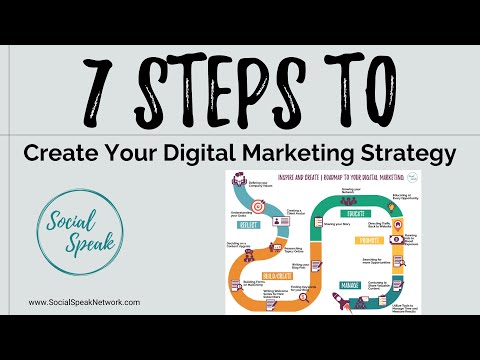
- Use tracking mechanisms like QR codes, unique URLs, and promo codes to connect offline interactions to digital analytics.
- Leverage location-based digital marketing to bridge the online-offline gap by delivering relevant messages based on physical presence.
- Implement digital-to-physical strategies such as “click and collect” or “research online, purchase offline” to support natural customer behavior patterns.
Aligning Online and Offline Marketing Efforts
Aligning online and offline marketing efforts requires a comprehensive approach. By leveraging customer data from both online and offline sources, businesses can create a unified customer view that informs personalization and enhances the overall customer experience.
Integrated campaigns that combine digital marketing and traditional channels often outperform single-channel approaches by reinforcing messages across touchpoints. The most effective businesses recognize that customers expect consistent experiences regardless of how they engage.
Conclusion: Implementing Your Data-Driven Strategy for Success
The path to a successful online marketing strategy involves continuous execution, measurement, and refinement. As we’ve outlined throughout this guide, implementing a data-driven approach is not a one-time project but an ongoing process that requires clear ownership, accountability, and cross-functional collaboration across your organization.
To ensure success, it’s crucial to develop a phased implementation plan that balances quick wins with longer-term strategic initiatives. This involves allocating resources effectively, ensuring the right mix of team skills, technology tools, and budget to execute your digital marketing strategy effectively.
Change management is also a critical consideration, including training, process development, and cultural shifts needed to support a data-driven approach. By establishing a regular review cadence, you can keep your strategy on track while allowing for agile adjustments based on performance data.
In the rapidly evolving digital marketing landscape, continuous learning and adaptation are essential. This requires ongoing investment in team development and trend monitoring to maintain a balance between tactical execution and strategic vision, never losing sight of overall business objectives.
By following the frameworks and approaches outlined in this guide, you’ll be well-positioned to develop and implement a data-driven online marketing strategy that drives sustainable business success. We’ll explore how to document and communicate your strategy’s impact, building organizational support for continued investment in data-driven marketing.
FAQ
What is a data-driven digital marketing approach?
A data-driven digital marketing approach involves using data and analytics to inform and optimize marketing decisions, rather than relying on intuition or anecdotal evidence. We use data to understand our audience, track performance, and adjust our tactics accordingly.
How do I set SMART goals for my digital marketing efforts?
To set SMART goals, we need to make sure they are Specific, Measurable, Achievable, Relevant, and Time-bound. This involves identifying clear business objectives, understanding our target audience, and establishing key performance indicators (KPIs) to track progress.
What is the difference between a marketing strategy and tactics?
A marketing strategy outlines our overall approach to achieving our business goals, while tactics are the specific actions we take to execute that strategy. We use tactics like email marketing, social media marketing, and search engine optimization to support our overall marketing strategy.
How do I build comprehensive buyer personas?
To build comprehensive buyer personas, we need to collect demographic and psychographic data about our target audience. This involves researching their needs, preferences, and behaviors, as well as understanding their pain points and motivations.
What is the RACE planning framework, and how can it help my digital marketing efforts?
The RACE planning framework is a structured approach to digital marketing that involves four stages: Reach, Act, Convert, and Engage. It helps us plan and execute a cohesive digital marketing strategy that drives real results.
How do I measure the success of my digital marketing campaigns?
To measure the success of our digital marketing campaigns, we track key performance indicators (KPIs) like conversion rates, click-through rates, and return on investment (ROI). We also use analytics tools to monitor our performance and make data-driven decisions.
What is the importance of content marketing in a digital marketing strategy?
Content marketing is crucial in a digital marketing strategy because it helps us attract and engage our target audience, build trust and credibility, and drive conversions. We create value-driven content that resonates with our audience and supports our overall business goals.
How do I optimize my website for search engines?
To optimize our website for search engines, we need to conduct keyword research, optimize our on-page elements like titles and meta descriptions, and build high-quality backlinks from other reputable sites. We also ensure our website is mobile-friendly and has a good page speed.
What is the role of social media in a digital marketing strategy?
Social media plays a critical role in a digital marketing strategy because it allows us to connect with our target audience, build brand awareness, and drive website traffic and conversions. We use social media to share our content, engage with our audience, and run targeted ads.