
Can a business thrive in today’s digital landscape without a strong online presence? The answer is unequivocally no. As we navigate the complexities of the digital world, having a solid understanding of web development is crucial for success.
At its core, web development encompasses the processes involved in creating and maintaining a website. This includes everything from markup and coding to scripting and CMS development. As businesses look to establish a robust online presence, understanding the fundamental concepts of web development becomes essential.
With the right web development basic knowledge, businesses can make informed decisions about their digital assets, whether they’re outsourcing development or building in-house capabilities.
Key Takeaways
- Understanding web development is crucial for digital success.
- Web development encompasses creating and maintaining websites.
- Having the right knowledge enables informed decisions about digital assets.
- Web development combines technical expertise with creative problem-solving.
- It’s essential for businesses to establish a strong online presence.
Understanding Web Development Fundamentals
With the internet connecting over 5.52 billion people worldwide, the importance of understanding web development cannot be overstated. As we navigate the complexities of the digital landscape, it’s crucial to grasp the basics of web development to stay ahead in the competitive online market.
What is Web Development?
Web development refers to the process of building, maintaining, and updating websites and web applications. It encompasses a range of tasks, from simple static pages to complex dynamic applications that power the digital economy. At its core, web development involves coding in various programming languages to create interactive and engaging online experiences.
Web development is not just about creating visually appealing websites; it’s about crafting digital solutions that meet the needs of users and businesses alike. It involves a deep understanding of both the technical and design aspects of creating a website or web application. As such, web developers must be proficient in a variety of skills, including HTML, CSS, and JavaScript, to name a few.
The Evolution of Web Development
The evolution of web development has been nothing short of remarkable. From the early days of static HTML pages to the current era of dynamic, interactive web applications, the industry has transformed dramatically. This transformation has been driven by changing user expectations, technological advancements, and the increasing importance of digital presence for business success.
Let’s examine the key developments that have shaped the web development landscape:
| Era | Characteristics | Technologies |
|---|---|---|
| Early Web | Static HTML pages, minimal functionality | HTML, basic CSS |
| Modern Web | Dynamic, interactive applications, responsive design | HTML5, CSS3, JavaScript, frameworks like React and Angular |
| Current Trends | Mobile-first design, AI integration, progressive web apps | Advanced JavaScript frameworks, PWA technologies, machine learning libraries |
For more insights into the terminology used in web development and to stay updated with the latest trends, you can refer to resources that explain web application terminology, which is essential for digital growth.
Understanding this evolution provides context for current best practices and helps businesses anticipate future trends in web development. As we continue to push the boundaries of what’s possible online, the role of web development in shaping our digital experiences will only continue to grow.
Why Web Development is Crucial for Business Growth

In today’s digital landscape, a robust web presence is no longer a luxury, but a necessity for businesses aiming for growth. A well-designed website is fundamental to this presence, serving as the digital face of your business and the first point of contact for many potential customers.
Building a Strong Online Presence
A strong online presence is built on a website that is both visually appealing and functionally robust. Effective web development ensures that your site is responsive, meaning it provides a seamless user experience across all devices. This is crucial in today’s multi-device world, where potential customers may visit your site on a smartphone, tablet, or desktop.
- A responsive website adapts to different screen sizes, ensuring that your content is always accessible and engaging.
- By incorporating intuitive navigation and fast-loading pages, web development enhances the overall user experience, encouraging visitors to explore your site further.
Enhancing Brand Credibility and Trust
Web development plays a critical role in establishing and enhancing your brand’s credibility and trustworthiness. A professionally developed website communicates professionalism and reliability, signaling to potential customers that your business is established and trustworthy.
- Consistent visual identity and attention to detail in web design and development reflect your business standards, further establishing credibility.
- The strategic implementation of security features protects user data and builds customer confidence in your digital platforms.
By focusing on quality web development, businesses can create a site that not only attracts visitors but also fosters trust and credibility, ultimately driving business growth.
Web Development Basic Knowledge: Core Concepts
The foundation of web development lies in understanding how websites work and the protocols that govern them. As we dive into the core concepts, we’ll explore the essential elements that make up the web.
How Websites Work
A website is essentially a collection of files stored on a server, which is a powerful computer that hosts and manages data. When you type a website’s URL into your browser, it sends a request to the server, which then retrieves the necessary files and sends them back to your browser for display. This process is facilitated by the internet, a global network of interconnected computers.
IP Addresses and Domain Names
Every device connected to the internet has a unique IP address, which serves as its identifier. However, remembering IP addresses can be challenging, so domain names were introduced as a more user-friendly alternative. A domain name is mapped to an IP address, allowing users to access websites using easy-to-remember names instead of complex IP addresses.
HTTP and HTTPS Protocols
The HTTP (Hypertext Transfer Protocol) is a set of rules that governs how data is communicated between a client (usually a web browser) and a server. It defines how messages are formatted and transmitted over the internet. HTTPS (HTTP Secure) is an extension of HTTP that adds an extra layer of security by encrypting data in transit. Understanding HTTP and HTTPS is crucial for web development, especially when handling sensitive information.
The evolution from HTTP to HTTPS represents a significant advancement in web security. HTTPS encrypts data transfers, protecting sensitive information from interception. Modern browsers flag non-HTTPS websites as “not secure,” making the implementation of proper security protocols a business necessity.
By grasping these core concepts, you’ll be well on your way to becoming proficient in web development and creating effective, secure websites that meet modern standards.
Web Development vs. Web Design: Understanding the Difference
While often used interchangeably, web development and web design represent two distinct aspects of creating a website. Understanding their differences is crucial for businesses and individuals looking to establish a strong online presence.
Web design primarily focuses on the aesthetic appeal and user experience of a website. It encompasses the visual elements, layout, and overall look and feel of the site.
The Role of Web Designers
Web designers are responsible for crafting the visual identity of a website. They use design principles, color theory, and typography to create an engaging user interface. Their goal is to make the site visually appealing and user-friendly.
- Designing the layout and visual elements
- Creating wireframes and prototypes
- Ensuring a responsive design for various devices
The Tasks of Web Developers
Web developers, on the other hand, bring the design to life through coding and programming. They focus on the functionality, performance, and technical reliability of the website.
- Transforming design concepts into functional websites through coding
- Working with programming languages like HTML, CSS, and JavaScript
- Ensuring website functionality, performance, and security
In summary, while web design focuses on the visual and aesthetic aspects, web development is about building the functional and technical backbone of a website. Both are essential for creating a successful online presence.
Types of Web Development
As the digital landscape evolves, different types of web development have emerged to cater to diverse needs. Web development is a multifaceted field that encompasses various specialties, each contributing to the creation of robust, user-friendly websites and web applications.
Front-End Development
Front-end development focuses on the client-side of web development, dealing with the user interface and user experience (UI/UX). Front-end developers use HTML, CSS, and JavaScript to create visually appealing and interactive web pages. Their primary goal is to ensure that the website is responsive and provides a seamless user experience across various devices.
Back-End Development
Back-end development involves server-side development, focusing on the behind-the-scenes functionality of a website. Back-end developers work with databases, server-side languages like PHP and Python, and frameworks to ensure that the website’s server, database, and applications work together seamlessly. Their work is crucial for the website’s performance, security, and scalability.
Full-Stack Development
Full-stack developers are proficient in both front-end and back-end development. They have a comprehensive understanding of the entire web development process, allowing them to handle all layers of a web application. Full-stack development is particularly valuable for smaller projects or startups where versatility is key.
Other Specialized Types
Beyond the core types, web development includes several specialized fields. For instance, mobile web development focuses on creating websites optimized for smartphones and tablets. Progressive Web App (PWA) development combines the best features of websites and mobile applications, offering fast, reliable experiences that work offline. Other specialized areas include e-commerce development, Content Management System (CMS) development, API development, and security-focused web development.
| Type of Development | Focus | Key Technologies/Skills |
|---|---|---|
| Front-End | User interface and experience | HTML, CSS, JavaScript |
| Back-End | Server-side functionality | PHP, Python, Ruby, Databases |
| Full-Stack | Both front-end and back-end | HTML, CSS, JavaScript, Server-side languages |
| Specialized Types | Mobile, PWA, E-commerce, CMS, API, Security | Varies by specialization |
In conclusion, the diverse types of web development cater to different aspects of creating a comprehensive online presence. Understanding these types is crucial for businesses and individuals looking to develop or improve their digital footprint.
Essential Programming Languages for Web Development
Web development is heavily reliant on a few critical programming languages that every developer should know. These languages form the backbone of the web, enabling the creation of dynamic, interactive, and visually appealing websites.
HTML: The Structure of the Web
HTML (Hypertext Markup Language) is the standard markup language used to create web pages. It provides the structure of the content on the web, making it essential for web development. To learn HTML for beginners, one should start with understanding the basic elements and tags that HTML offers.
CSS: Styling and Visual Design
CSS (Cascading Style Sheets) is a styling language used to control the layout and appearance of web pages written in HTML or XML. CSS is crucial for creating visually appealing and user-friendly interfaces. For those looking for CSS tutorials for web development, it’s essential to understand how to use CSS to style HTML elements, manage layouts, and create responsive designs.
JavaScript: Adding Interactivity
JavaScript is a dynamic programming language that adds interactivity to web pages, enhancing the user experience. It’s used for client-side scripting, creating interactive elements such as dropdown menus, sliders, and animations. JavaScript is vital for web development as it enables the creation of responsive and engaging web applications.
Some key points about JavaScript include:
- JavaScript transforms static websites into interactive applications, enabling dynamic content updates without requiring page reloads.
- As the only programming language natively supported by web browsers, JavaScript is essential for creating responsive user interfaces.
- Modern JavaScript frameworks and libraries like React, Angular, and Vue have revolutionized front-end development.
- The introduction of Node.js has extended JavaScript’s capabilities to server-side programming, allowing for a unified language across the entire application stack.
For those interested in JavaScript basics for web developers, understanding its syntax, data types, functions, and how it interacts with HTML/CSS is fundamental.
Front-End Web Development in Detail
In the realm of web development, front-end development plays a pivotal role in crafting engaging and responsive web applications. It involves creating the client-side of a website, ensuring a smooth and intuitive user interface that enhances user experience.
Front-End Development Roadmap
To become proficient in front-end development, one should follow a structured roadmap. This includes learning the basics of HTML, CSS, and JavaScript, and then diving into more advanced topics such as responsive design, front-end frameworks, and state management. For a comprehensive guide on front-end development, we recommend checking out resources like Cloudinary’s Front-End Development Guide.
Popular Front-End Frameworks and Libraries
Some popular front-end frameworks and libraries include React, Angular, and Vue.js. These frameworks provide pre-built components, templates, and styles to help front-end developers build web pages quickly and efficiently.
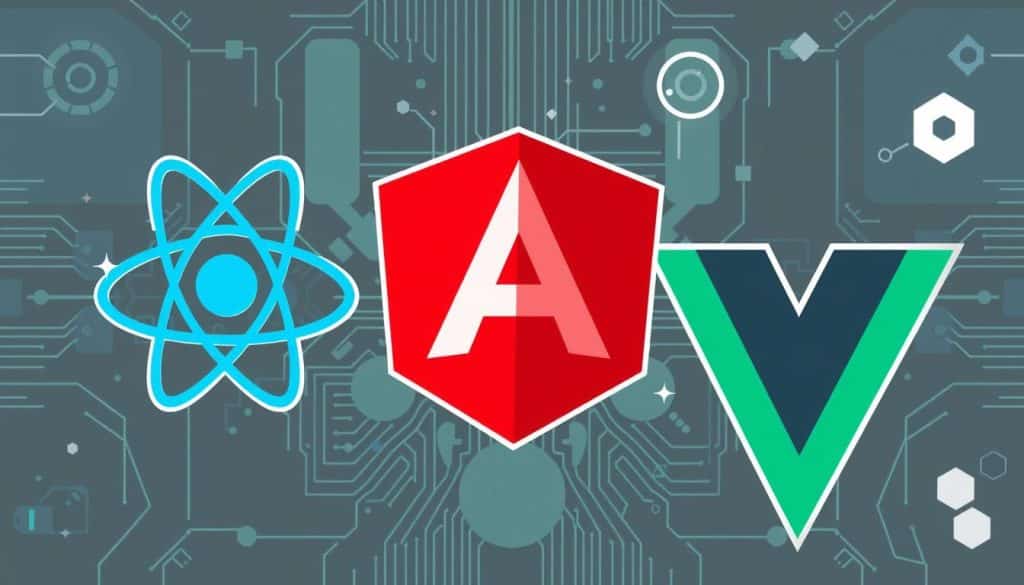
For instance, React, developed by Facebook, has become one of the most widely adopted front-end libraries, offering a component-based architecture. Angular, maintained by Google, provides a complete framework solution with built-in features for routing and state management. Vue.js has gained popularity for its gentle learning curve and flexible integration options.
Other notable frameworks include Bootstrap and Tailwind CSS, which offer responsive grid systems and pre-styled components that accelerate development and ensure consistent designs across different devices and browsers.
Back-End Web Development Explained
As we dive into the world of web development, understanding back-end development becomes essential. Back-end web development refers to the server-side logic, database integration, and API connectivity that powers a web application. It’s the behind-the-scenes functionality that enables users to interact with a website or application seamlessly.
Back-end development involves working with server-side languages, databases, and frameworks to create a robust and scalable architecture. This layer of web development is crucial for handling complex computations, data storage, and retrieval, ensuring that the front-end, or user interface, remains responsive and efficient.
Back-End Development Roadmap
A back-end development roadmap typically includes acquiring skills in server-side programming languages such as Python, Java, or Ruby. Understanding database management systems, including relational databases like MySQL and NoSQL databases like MongoDB, is also crucial. Familiarity with frameworks like Django, Ruby on Rails, or Spring Boot can significantly accelerate development.
Additionally, knowledge of API design, security practices, and deployment strategies is essential for building robust back-end applications. Continuous learning and adaptation to new technologies and trends are vital in this rapidly evolving field.
Popular Back-End Languages and Frameworks
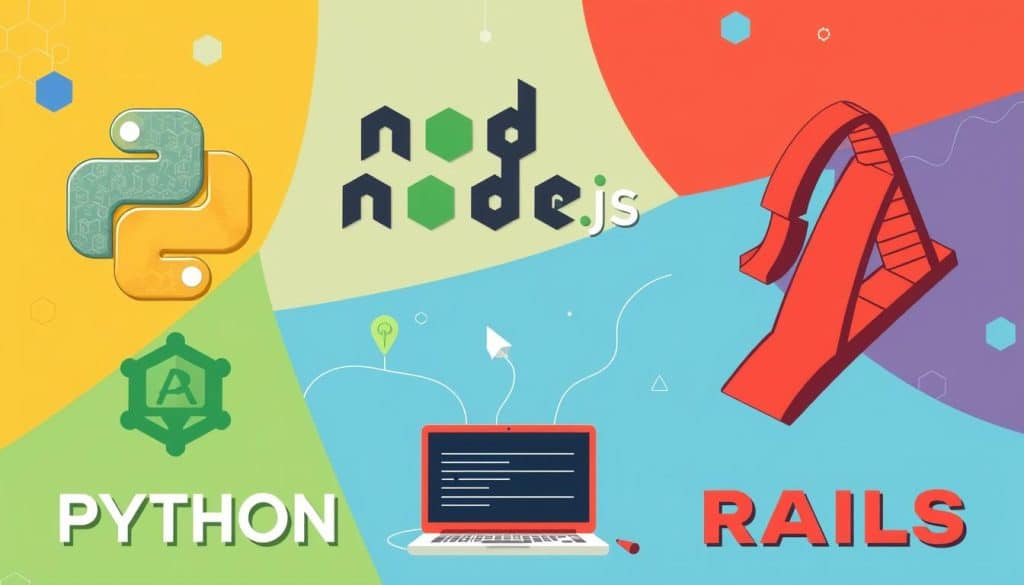
Several back-end programming languages and frameworks have gained popularity due to their efficiency and scalability. Python, with frameworks like Django and Flask, is renowned for its readability and versatility. Node.js, with Express.js, brings JavaScript to the server-side, enabling a unified language across the stack.
Ruby on Rails is another influential framework that pioneered the convention-over-configuration philosophy, enhancing developer productivity. Java, with Spring Boot, remains a staple in enterprise environments, simplifying the development of production-ready applications. These technologies, among others, provide developers with the tools needed to build complex, scalable web applications efficiently.
The Web Development Process Step by Step
The journey from conceptualizing a website to its launch involves several key stages that are critical to its success. We will walk you through the essential steps of the web development process, from initial planning to ongoing maintenance.
Planning and Strategy
The first step in the web development process is planning and strategy. This involves defining the project’s objectives, identifying the target audience, and determining the required functionalities of the website. A well-thought-out strategy ensures that the final product meets the business needs and provides a good user experience.
Design and Prototyping
Once the planning phase is complete, the next step is design and prototyping. This stage involves creating visual representations of the website, including its layout, color scheme, and overall aesthetic. Prototyping allows for testing the usability and flow of the site before actual development begins.
Development and Testing
The development phase is where the website starts to take shape. This involves both front-end and back-end development, bringing together the design elements and functionalities planned earlier. Following development, thorough testing is conducted to identify and fix any bugs or issues, ensuring the site works as expected across different browsers and devices.
Deployment and Maintenance
After successful testing, the website is ready for deployment. This involves moving the site from the development environment to the production server, configuring hosting environments, and ensuring all components are functioning correctly. Post-launch, maintenance is crucial, involving regular updates to content, security patches, and performance optimization to keep the website relevant and secure. For a detailed guide on making a website, you can refer to our step-by-step tutorial on HTML code to make a website.
By following these steps, businesses can ensure their web presence is both effective and sustainable, supporting their overall digital strategy.
Essential Web Development Tools
Web development tools play a pivotal role in determining project outcomes. The right tools can significantly enhance productivity, code quality, and collaboration among development teams.
Code Editors and IDEs
Choosing the right code editor or Integrated Development Environment (IDE) is crucial for efficient web development. Popular choices include Visual Studio Code, Sublime Text, and Atom, which offer features like syntax highlighting, code completion, and debugging tools.
These editors support various programming languages and are highly customizable, making them suitable for different development needs. For instance, Visual Studio Code has a vast extension library that can enhance its functionality.
Version Control Systems
Version control systems like Git have become essential tools for modern web development, enabling teams to track changes, collaborate effectively, and maintain code history.
- Collaboration and Code Quality: Platforms like GitHub, GitLab, and Bitbucket facilitate code reviews and improve overall code quality.
- Branching Strategies: Allow developers to work on features or fixes in isolation, enabling parallel development workflows.
- Commit History: Creates an audit trail of changes, making troubleshooting and knowledge transfer more efficient.
- Continuous Integration: Pipelines integrated with version control automate testing and deployment processes, ensuring code quality and streamlining releases.
- Disaster Recovery: Version control provides businesses with the capability to restore code history if problems occur.
Content Management Systems (CMS) in Web Development
With the rise of digital content, the importance of a robust CMS cannot be overstated. A Content Management System (CMS) simplifies the process of creating, editing, and managing content on a website, making it an indispensable tool for businesses and individuals alike.
Popular CMS Platforms
When it comes to choosing a CMS, several popular options are available, each with its unique features and benefits. For instance, WordPress is a widely-used CMS known for its flexibility and extensive plugin library, making it an ideal choice for many businesses.
Other notable CMS platforms include Joomla and Drupal, which offer robust security features and scalability. The choice of CMS depends on the specific needs of the business, including the type of content, expected traffic, and required functionality.
When to Use a CMS vs. Custom Development
Deciding between using a CMS and opting for custom development depends on several factors. CMS platforms are ideal when content updates need to be handled by non-technical staff, providing intuitive interfaces for managing text, images, and other media without coding knowledge.
On the other hand, custom development becomes necessary when businesses require unique functionality, integrations, or workflows that aren’t readily available through existing CMS plugins or modules. Budget and timeline considerations also play a crucial role in this decision, as CMS implementations typically require less development time and lower initial investment than custom solutions.
Scalability needs, security requirements, and long-term maintenance strategy are other key factors to consider when deciding between a CMS and custom development.
Responsive Web Design and Mobile Optimization
As mobile internet usage continues to surge, the importance of responsive web design and mobile optimization cannot be overstated. With over 60% of web traffic now coming from mobile devices in many markets, businesses must ensure their websites provide a seamless experience across various devices.
Responsive web design is an approach that enables websites to adapt to different screen sizes, ensuring that users have a smooth browsing experience regardless of whether they’re using a smartphone, tablet, or desktop computer. This adaptability is crucial for maintaining user engagement and search engine rankings.
Principles of Responsive Design
Responsive design involves several key principles, including fluid grids, flexible images, and media queries. These elements work together to create a website that can adjust its layout and visual elements based on the user’s device.
Key components of responsive design include:
- Fluid grids that adjust to different screen sizes
- Flexible images that scale appropriately
- Media queries that apply different styles based on device characteristics
| Device Type | Screen Size | Design Considerations |
|---|---|---|
| Smartphones | Small (e.g., 320px) | Simplified navigation, large touch targets |
| Tablets | Medium (e.g., 768px) | Balancing content and navigation for larger screens |
| Desktops | Large (e.g., 1920px) | Enhanced features, detailed content |
Mobile-First Development Approach
Adopting a mobile-first development approach has become a best practice in web development. This methodology involves designing and building for the smallest screens first, which forces prioritization of content and features based on limited space.
By starting with mobile constraints, developers create leaner, faster-loading websites that benefit all users, regardless of their device. This approach also aligns with search engine priorities, as Google now uses mobile-first indexing to determine search rankings based on the mobile version of websites.
“Mobile-first design is not just about making your website work on mobile devices; it’s about creating a better user experience for everyone.”
We incorporate mobile-first development into our web development process to ensure that our clients’ websites are optimized for the majority of users who access the web through mobile devices.
Web Development Security Best Practices
With the rise of cyber threats, adopting robust web development security practices is vital for safeguarding user data and maintaining trust. As we develop websites and web applications, it’s crucial to integrate security measures from the outset to protect against various threats.
Common Security Threats
Web applications face numerous security threats, including man-in-the-middle attacks, injection attacks, and cross-site scripting (XSS) attacks. These threats can compromise user data, disrupt service, and damage reputation. For instance, secure web application development practices can mitigate these risks by incorporating robust security protocols.
Security Measures for Websites
To counter these threats, several security measures can be implemented:
- Implementing HTTPS through SSL/TLS certificates to encrypt data transmission between servers and users.
- Input validation and sanitization on both client and server sides to prevent malicious data from being processed.
- Proper authentication systems with strong password policies, multi-factor authentication, and secure session management.
- Regular security audits and penetration testing to identify vulnerabilities before they can be exploited.
- Content Security Policy (CSP) headers to restrict which resources can be loaded, preventing XSS attacks.
- Database security measures, including parameterized queries, least privilege access, and encryption of sensitive data.
By incorporating these security best practices into web development, we can significantly enhance the security and reliability of web applications, protecting user data and maintaining trust.
Testing and Quality Assurance in Web Development
Testing and quality assurance are vital components of the web development process. We ensure that a website functions as expected, providing a good user experience and achieving business goals.
Types of Website Testing
Different types of testing are crucial for ensuring a website’s overall quality. These include functional testing, performance testing, security testing, and usability testing.
Functional testing verifies that the website’s features work correctly, while performance testing evaluates how well the site handles traffic and loads. Security testing identifies vulnerabilities, and usability testing ensures a smooth user experience.
Tools for Website Testing
Various tools are available to facilitate website testing. These include:
- Browser developer tools like Chrome DevTools and Firefox Developer Tools for inspecting elements, debugging JavaScript, and analyzing network performance.
- Automated testing frameworks such as Selenium, Cypress, and Playwright for creating repeatable test scripts across different browsers.
- Performance testing tools like Lighthouse, WebPageTest, and GTmetrix for analyzing loading speeds and identifying bottlenecks.
- Accessibility evaluation tools including WAVE, axe, and Lighthouse’s accessibility audits for ensuring compliance with WCAG standards.
- Visual regression testing tools like Percy and BackstopJS for detecting unintended visual changes.
- Load testing platforms such as JMeter, LoadRunner, and k6 for simulating high traffic scenarios.

Working with Web Development Agencies
Navigating the world of web development requires expertise, and that’s where a reliable agency comes in. When you’re looking to develop or revamp a website, partnering with a web development agency can provide you with the necessary expertise and resources to achieve your online goals.
When to Hire a Web Development Agency
Deciding when to hire a web development agency depends on several factors, including the complexity of your project, your in-house expertise, and your business objectives. If you’re looking to launch a new website or undertake a significant revamp, it’s likely time to consider hiring professionals.
Evaluating your project’s requirements and comparing them against your in-house capabilities will help you determine the right time to seek external expertise. Agencies like scandiweb offer a range of services, from technology solutions to customer acquisition strategies, making them a one-stop-shop for businesses looking to enhance their online presence.
Choosing the Right Agency for Your Project
Selecting the right web development agency is crucial for the success of your project. To make an informed decision, consider evaluating the agency’s portfolio for projects similar to yours, as this provides insight into their technical capabilities and design aesthetic.
- Technical Expertise: Ensure the agency has expertise in the specific platforms or technologies relevant to your project.
- Client Testimonials and Case Studies: These offer valuable perspectives on the agency’s process and ability to deliver results.
- Project Management Approach: Understand their workflow and communication protocols to ensure a smooth development experience.
- Pricing Structures: Carefully evaluate what’s included and how change requests are handled.
- Post-Launch Support: Consider the agency’s offerings for ongoing maintenance, updates, and performance optimization.
Conclusion
Web development is a multifaceted discipline crucial for businesses aiming to establish a strong online presence. It encompasses a wide range of skills, tools, and techniques, from understanding the basics of HTML, CSS, and JavaScript to mastering the process of planning, designing, building, and maintaining a website.
By grasping the fundamental concepts and processes of web development, business leaders can make informed decisions about their digital assets. Investing in quality web development yields measurable returns through improved user experiences and stronger brand positioning, driving business growth and digital success.
FAQ
What is the primary role of a web developer in creating a website?
A web developer is responsible for building and maintaining the core structure of a website, using programming languages like HTML, CSS, and JavaScript to bring the site to life.
How does Cascading Style Sheets (CSS) contribute to web development?
CSS is a styling language that enables web developers to control the layout, visual design, and user experience of a website, making it a crucial aspect of front-end web development.
What is the difference between front-end and back-end web development?
Front-end development focuses on the client-side of the website, dealing with user interface, user experience, and visual design, whereas back-end development involves server-side programming, database integration, and API connectivity.
What are some essential programming languages for web development?
HTML, CSS, and JavaScript are the fundamental languages used in web development, with other languages like Python, Ruby, and PHP also being used for back-end development.
How does responsive web design impact user experience?
Responsive web design ensures that a website adapts to different screen sizes, devices, and orientations, providing an optimal user experience and improving engagement.
What is the significance of testing and quality assurance in web development?
Testing and quality assurance are critical steps in the web development process, ensuring that a website is stable, secure, and functions as intended, meeting the required standards and user expectations.
How do Content Management Systems (CMS) simplify web development?
A CMS allows users to create, manage, and modify website content without requiring extensive coding knowledge, streamlining the web development process and reducing maintenance costs.
What are some common security threats in web development, and how can they be mitigated?
Common security threats include SQL injection, cross-site scripting (XSS), and cross-site request forgery (CSRF); these can be mitigated by implementing secure coding practices, using HTTPS, and regularly updating software and plugins.