

Are businesses in Qatar and beyond leveraging the right frontend development strategies to drive digital growth?
The development of an application’s user interface is crucial, as it directly impacts user engagement and conversion rates. Frontend languages play a pivotal role in creating robust, interactive, and attractive UI/UX.
Our analysis examines how the right frontend technology stack impacts digital performance metrics. By evaluating multiple frontend technologies based on performance benchmarks and community support, we provide authoritative recommendations for businesses seeking digital excellence.
Key Takeaways
- Understanding the impact of frontend development on digital success
- Evaluating frontend technologies for optimal performance
- Identifying the right frontend stack for business needs
- Leveraging data-driven insights for frontend development
- Enhancing user engagement through effective frontend strategies
Understanding Frontend Development in the Digital Landscape

As businesses strive for digital success, the importance of frontend development cannot be overstated. Frontend development is a critical component of creating digital products that are not only visually appealing but also provide seamless user experiences.
What is Frontend Development?
Frontend development focuses on creating the user interface and user experience (UI/UX) of web applications using programming languages like HTML, CSS, and JavaScript. It’s about building the parts of a website or application that users interact with directly. Efficient frontend development is crucial for engaging users and driving business growth.
The Role of Frontend Languages in Digital Success
The choice of frontend languages significantly impacts the development efficiency, application performance, and maintenance costs. Languages with robust ecosystems enable businesses to develop digital products faster and with more innovative features. Our analysis shows that selecting the right frontend language is a strategic business decision that influences market positioning and digital competitiveness.
| Aspect | Importance | Impact |
|---|---|---|
| Development Efficiency | High | Faster Time-to-Market |
| Application Performance | High | Better User Experience |
| Maintenance Costs | Medium | Reduced Long-term Costs |
Frontend languages play a significant role in shaping the digital landscape. By understanding their importance and choosing the right tools, businesses can achieve digital excellence.
The Foundation: Core Frontend Languages
The foundation of a successful digital presence lies in the core frontend languages that power the web. We leverage these fundamental technologies to build robust, interactive, and user-friendly web applications.
HTML: The Structure of the Web
HTML (Hypertext Markup Language) is the backbone of any web page, providing the structure and content that users interact with. To learn HTML for beginners, one should start with understanding the basic tags and attributes that form the HTML document. We emphasize the importance of semantic HTML to improve accessibility and SEO.
HTML is not just about displaying content; it’s about creating a structured, meaningful representation of that content. By using the right HTML elements, developers can enhance the user experience and improve the website’s visibility on search engines.
CSS: Styling for User Experience
CSS (Cascading Style Sheets) is used to control the layout and visual styling of web pages, making them more engaging and user-friendly. For those looking for CSS tutorials for web development, understanding selectors, properties, and the box model is crucial. We utilize CSS to create responsive designs that adapt to various screen sizes and devices.
With CSS, we can implement a wide range of visual effects and layouts, from simple color schemes to complex grid systems. By mastering CSS, developers can significantly enhance the aesthetic appeal and usability of web applications.
JavaScript: Adding Interactivity and Functionality
JavaScript is a robust client-side programming language that adds interactivity to web pages. For those interested in a JavaScript fundamentals course, understanding variables, functions, and DOM manipulation is key. We harness JavaScript‘s power to create dynamic, interactive web applications that drive user engagement.
By modifying the Document Object Model (DOM), JavaScript enables developers to respond to user actions like clicks and keyboard inputs, creating a more immersive experience. Our development team uses JavaScript to build cross-browser compatible solutions that perform consistently across all platforms, enhancing the overall features and applications.
What Makes a Great Frontend Programming Language?

In the realm of frontend development, the choice of programming language is pivotal, and certain characteristics distinguish great languages from good ones. We consider several factors when evaluating frontend programming languages for digital success.
Performance and Efficiency
A great frontend programming language must deliver high performance and efficiency. This means that the language should enable the development of applications that are not only fast but also consume fewer resources, thereby enhancing the overall user experience. Efficient code execution is crucial for maintaining smooth interactions and reducing bounce rates.
Community Support and Resources
The availability of community support and resources is another critical factor. A language with an active community and extensive resources, such as documentation, tutorials, and libraries, facilitates easier learning and troubleshooting for developers. This support ecosystem is vital for the widespread adoption and continuous improvement of a frontend language.
Cross-Browser and Cross-Platform Compatibility
Cross-browser and cross-platform compatibility is essential for ensuring that web applications function seamlessly across different devices and browsers. HTML and JavaScript are exemplary in this regard, as they are supported by all modern web browsers, making them versatile choices for web development. We prioritize languages that support responsive design principles and minimize the need for browser-specific code.
| Key Characteristics | Description | Benefits |
|---|---|---|
| Performance and Efficiency | Enables fast and resource-efficient applications | Enhanced user experience, lower bounce rates |
| Community Support and Resources | Provides extensive documentation and libraries | Easier learning curve, faster troubleshooting |
| Cross-Browser and Cross-Platform Compatibility | Ensures functionality across devices and browsers | Broader audience reach, consistent user experience |
The Best Frontend Programming Language for Web Applications
The best frontend programming language for web applications is one that balances performance, efficiency, and maintainability. When building web applications, the choice of frontend programming language can significantly impact the user experience and overall success of the project.
JavaScript: The Undisputed King
JavaScript remains the undisputed king of frontend programming languages for web applications. Its versatility, extensive libraries, and frameworks make it an ideal choice for building complex and interactive web applications. Advanced JavaScript features enable developers to create dynamic and responsive user interfaces, enhancing the overall user experience.
With JavaScript, developers can leverage its vast ecosystem of libraries and frameworks, such as React and Angular, to build scalable and maintainable web applications. However, as applications grow in complexity, managing code quality and reducing errors become increasingly important.
TypeScript: JavaScript with Enhanced Safety
TypeScript, a superset of JavaScript, introduces static typing, making it an attractive choice for large-scale web applications. By adding optional static typing, TypeScript enables developers to catch errors early, improving code maintainability and reducing the likelihood of runtime errors.
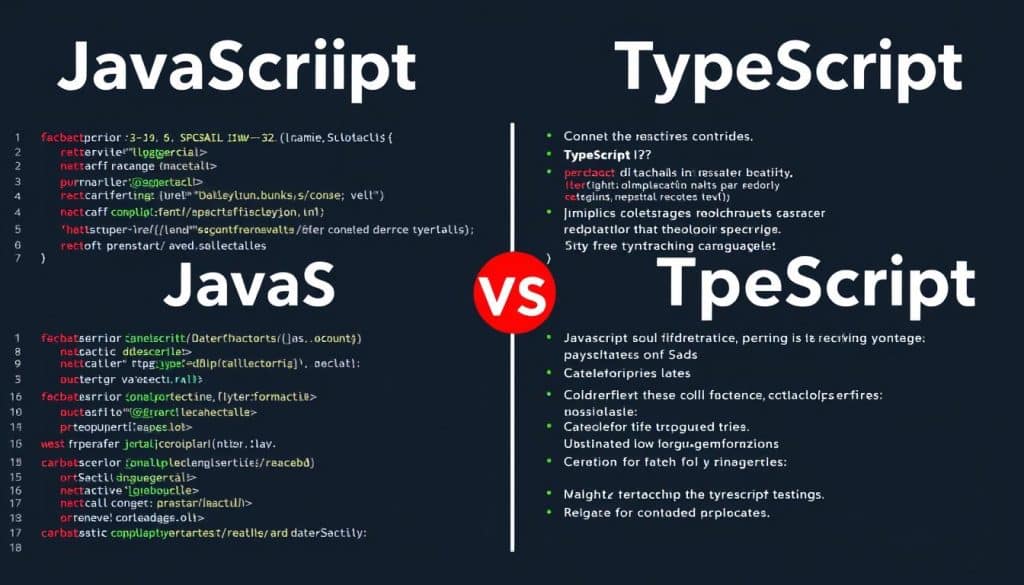
Our experience shows that TypeScript’s static typing system can catch up to 15% of common bugs during development, substantially reducing production issues and associated costs. Additionally, TypeScript’s enhanced IDE support accelerates development through improved autocompletion, navigation, and refactoring capabilities, boosting developer productivity.
We recommend TypeScript as the premier choice for enterprise-level applications where code maintainability and error prevention deliver significant business value. Its seamless integration with existing JavaScript codebases allows for gradual adoption, minimizing disruption to ongoing projects.
Advanced JavaScript Frameworks for Modern Web Development
The landscape of web development is continually evolving, with advanced JavaScript frameworks leading the charge.
These frameworks have become indispensable tools for developers, enabling them to build complex, interactive web applications efficiently. In this section, we will explore three of the most popular JavaScript frameworks: React, Angular, and Vue.js.
React: Building Interactive UIs
React has revolutionized the way developers build user interfaces by introducing a component-based architecture. This allows for the creation of reusable UI components, making development faster and more efficient.
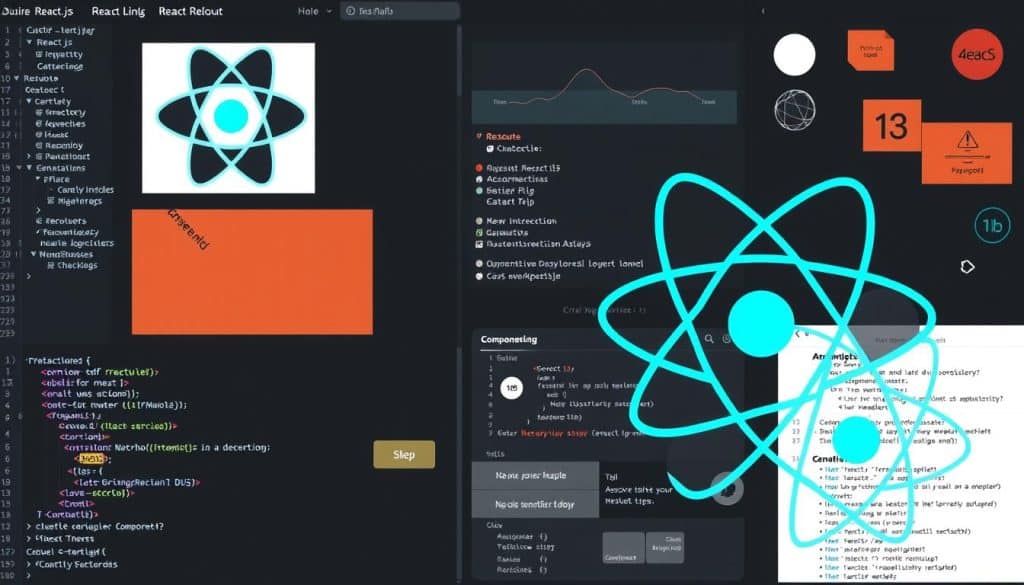
For those new to React, numerous React.js tutorials for beginners are available, providing a gentle learning curve and comprehensive understanding of the framework.
Angular: Google's Complete Solution
Angular is a full-fledged JavaScript framework developed by Google, offering a comprehensive solution for building complex web applications. It provides a robust set of features, including dependency injection and a powerful templating engine.
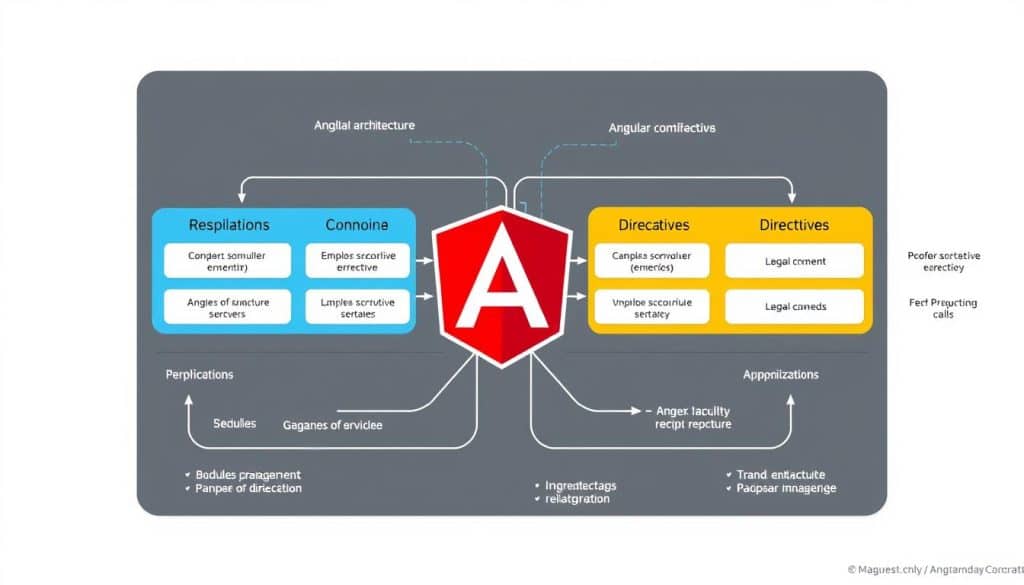
Developers can leverage Angular framework tutorials to master its capabilities and build sophisticated applications.
Vue.js: The Progressive Framework
Vue.js is a progressive JavaScript framework that has gained popularity due to its simplicity, flexibility, and ease of integration. It allows developers to create interactive web applications with a minimal learning curve.
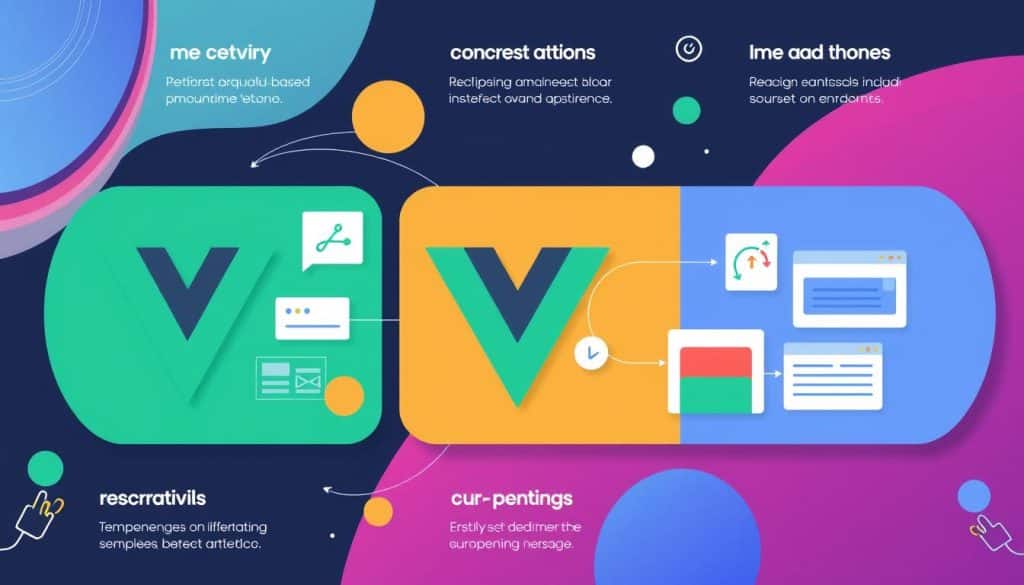
Vue.js is particularly appealing for businesses seeking a balance between development simplicity and application sophistication. Our implementations of Vue.js leverage its incremental adoption model, allowing for seamless integration into existing projects without requiring complete rewrites.
We utilize Vue’s intuitive template syntax and reactivity system to create dynamic interfaces that respond instantly to user interactions and data changes. Our development teams appreciate Vue’s comprehensive documentation and logical architecture, enabling faster onboarding and more efficient development cycles.
By implementing Vue’s single-file component structure, we create highly maintainable codebases where styling, logic, and markup are cohesively organized. Our Vue.js projects benefit from its lightweight footprint, delivering excellent performance metrics even on mobile devices with limited processing power.
Specialized Frontend Languages for Mobile Development
With the majority of internet users accessing the web through mobile devices, the need for efficient mobile development languages has become paramount. As developers, we require frontend languages that can handle the unique demands of mobile development, delivering high-performance and responsive applications.
Swift: Apple's Solution for iOS

Swift is Apple’s preferred language for developing iOS applications, known for its modern design, safety features, and high-performance capabilities. We leverage Swift to build robust, scalable, and maintainable iOS apps that provide seamless user experiences.
Swift’s concise syntax and powerful features enable us to create complex functionalities with ease, ensuring our iOS applications meet the highest standards of quality and reliability.
Kotlin: The Modern Choice for Android

Kotlin is a cross-platform, statically typed language that has become Google’s preferred choice for Android app development. We utilize Kotlin for its concise syntax, null safety features, and seamless interoperability with Java, allowing us to develop robust and maintainable Android applications.
Our Kotlin development practices emphasize its extension functions, coroutines for asynchronous programming, and a growing ecosystem of libraries and tools, ensuring we deliver high-quality Android apps that meet user expectations.
Both Swift and Kotlin represent the pinnacle of modern frontend language design for mobile development, offering developers the tools needed to create high-performance, responsive applications. By leveraging these languages, we can ensure our mobile applications are not only functional but also provide exceptional user experiences.
Emerging Frontend Technologies and Languages
Emerging frontend technologies and languages are revolutionizing the way we build and interact with web applications. As we continue to push the boundaries of what’s possible in web development, it’s crucial to stay informed about the latest advancements that are shaping the future of frontend development.
High-Performance Web Applications with WebAssembly
WebAssembly (WASM) is a binary instruction format that allows developers to build high-performance web applications. By compiling code in languages like C, C++, and Rust to run on the web, WebAssembly enables developers create applications that were previously impossible to run in a browser.
With WebAssembly, developers build applications that can run at near-native speeds, making it an attractive option for complex web applications. This technology is particularly useful for applications that require intense computations, such as video editing, 3D modeling, and scientific simulations.
Cross-Platform Development with Dart and Flutter
Dart is a modern, multi-purpose programming language designed for building high-quality applications on various platforms. It offers features such as sound null safety, object-oriented programming (OOP), and pattern matching, enabling developers create robust software. Dart is the primary language for Flutter, a cross-platform runtime environment that enables compilation to native code.
With Flutter, we can build applications across web and mobile platforms using a single codebase. This approach significantly reduces development time and costs while maintaining native performance. Our expertise in Dart and Flutter enables us to deliver consistent user experiences across iOS, Android, web, and desktop, maximizing development efficiency.
- We leverage Dart and Flutter to create truly cross-platform applications that maintain native performance.
- Our Flutter implementation strategy enables us to deliver consistent user experiences across all platforms.
- We utilize Flutter’s rich widget library to create visually stunning user interface that maintain brand consistency.
- Our development teams appreciate Dart’s modern language features, including null safety and strong typing.
Frontend Libraries That Enhance Development
The right frontend libraries can significantly improve the efficiency and quality of web development projects. By leveraging these libraries, developers can simplify complex tasks, reduce development time, and enhance the overall user experience.
Frontend libraries provide pre-written code that developers can use to perform common tasks, thereby streamlining the development process. Two notable examples are jQuery and HTMX, each offering unique benefits that cater to different aspects of frontend development.
jQuery: Simplifying DOM Manipulation
jQuery is a popular JavaScript library that simplifies DOM manipulation, event handling, and AJAX interactions. It provides an easy-to-use interface for developers to navigate and manipulate the Document Object Model (DOM) efficiently.
With jQuery, developers can write less code to achieve more, thanks to its concise and intuitive syntax. This library has been a staple in web development for years, making it easier for developers to create dynamic web pages.
Key Features of jQuery:
- Simplified DOM manipulation
- Efficient event handling
- Robust AJAX support
HTMX: Modern Interactivity with Less JavaScript

HTMX is a modern frontend library that allows developers to achieve rich interactivity with significantly less JavaScript. It introduces new attributes to HTML, making it possible to handle complex UI requirements without extensive JavaScript coding.
By leveraging HTMX, we can create dynamic interfaces that were previously only possible with complex JavaScript frameworks. This results in more maintainable and accessible web applications.
Benefits of Using HTMX:
- Reduced JavaScript complexity
- Improved performance
- Enhanced accessibility
Our experience with HTMX has shown that it aligns well with the “HTML-first” approach, bringing simplicity back to web development while maintaining the rich interactivity that users expect from modern web applications.
Choosing the Right Frontend Language for Your Project
When embarking on a new project, selecting the appropriate frontend language is crucial for its success. The choice of frontend language significantly influences the development process, impacting both the project’s timeline and its final outcome.
Project Requirements and Complexity
Understanding the project’s requirements and complexity is the first step in choosing the right frontend language. For simple projects, basic web development languages like HTML, CSS, and JavaScript might suffice. However, more complex projects may require more advanced programming languages or frameworks.
Target Platform Considerations
The target platform is another critical factor. For web applications, JavaScript and its frameworks are often the go-to choice. For mobile app development, languages like Swift for iOS or Kotlin for Android are preferred. Developers must consider the platform’s requirements when selecting the frontend language.
Team Expertise and Learning Curve
The development team’s expertise and the learning curve associated with the chosen language or programming tools are also vital considerations. We factor in the team’s existing expertise and balance it with the need for innovation, ensuring that the chosen tools and languages align with the team’s capabilities and the project’s needs.
By carefully evaluating project requirements, target platforms, and team expertise, developers can make an informed decision when choosing a frontend language. This decision is crucial for the project’s success, impacting both its immediate outcome and long-term maintainability.
Frontend Development Best Practices for Digital Success
In the realm of frontend development, best practices are the cornerstone of digital success. As we strive to create engaging and effective web experiences, adhering to established guidelines becomes crucial. This involves a multifaceted approach that encompasses performance optimization, responsive design, and accessibility.
Performance Optimization Techniques
Optimizing the performance of frontend applications is vital for retaining users and enhancing the overall user experience. Techniques such as code splitting, lazy loading, and minification of assets can significantly improve load times. Efficient use of resources not only boosts performance but also contributes to a more sustainable web.
We employ various strategies to optimize performance, including:
- Minimizing HTTP requests
- Utilizing caching mechanisms
- Optimizing images and other media
Responsive Design and Accessibility
With the diverse range of devices available, responsive design has become a fundamental aspect of frontend development. Ensuring that websites are accessible and usable across different screen sizes and devices is crucial for reaching a wider audience.
Our approach to responsive design and accessibility includes:
| Strategy | Description | Benefit |
|---|---|---|
| Responsive Design Principles | Implementing flexible grids and layouts | Optimal viewing experience across devices |
| WCAG Guidelines | Following accessibility standards for inclusive design | Enhanced usability for users with disabilities |
| Semantic HTML and ARIA Attributes | Utilizing semantic elements and ARIA attributes for screen reader compatibility | Improved accessibility for visually impaired users |
By integrating these best practices into our frontend development workflow, we can create digital experiences that are not only visually appealing but also highly functional and accessible to a broad audience.
Future Trends in Frontend Development
Frontend development is on the cusp of a revolution, driven by advancements in AI, serverless architectures, and micro frontends. As we embrace these emerging technologies, we’re witnessing a significant shift in how web applications are built, deployed, and maintained.
AI Integration in Frontend Technologies
The integration of Artificial Intelligence (AI) in frontend development is transforming the way we create user interfaces and user experiences. AI-powered tools are enabling developers to craft more intuitive, personalized, and responsive web applications. For instance, AI-driven chatbots and virtual assistants are becoming increasingly common, enhancing user engagement and support.
We’re also seeing the rise of AI-assisted development tools that help in code completion, debugging, and optimization, thereby improving developer productivity and reducing time-to-market for web applications.
Serverless Architectures and Micro Frontends
Serverless architectures and micro frontends are revolutionizing how applications are built and deployed. We’re implementing serverless architectures to create more scalable, cost-effective frontend solutions that automatically adjust to traffic demands without manual intervention. Our micro frontend approach enables independent deployment of application sections, allowing teams to update and scale different parts of the application independently.
| Trend | Description | Benefits |
|---|---|---|
| Serverless Architectures | Scalable, cost-effective frontend solutions | Automatic scaling, reduced costs |
| Micro Frontends | Independent deployment of application sections | Improved scalability, faster updates |
| Edge Computing | Delivering content from servers closer to users | Reduced latency, improved performance |
As we continue to adopt these trends, we’re seeing significant improvements in the performance, scalability, and maintainability of our web applications. The combination of serverless and micro frontend approaches is particularly promising, offering unprecedented flexibility and scalability for the next generation of web applications.
Career Opportunities in Frontend Development
The demand for skilled frontend developers continues to grow, driven by the digital transformation across industries. As businesses in Qatar increasingly focus on their online presence, the need for professionals who can create engaging, responsive, and accessible websites has never been more critical.
In-Demand Frontend Skills in Qatar
In Qatar’s competitive job market, frontend developers must possess a diverse skill set to stand out. Proficiency in frameworks and libraries such as React, Angular, and Vue.js is highly valued, alongside a strong understanding of JavaScript and TypeScript. Our analysis shows that employers in Qatar prioritize developers who can create performance-optimized web applications.
| Skill | Demand Level | Relevance to Web Development |
|---|---|---|
| JavaScript | High | Critical for interactive web pages |
| React | High | Popular for building UI components |
| Responsive Design | High | Essential for cross-device compatibility |
Building a Competitive Frontend Developer Portfolio
Building a strong portfolio is crucial for enhancing job prospects. We advise aspiring frontend developers to create portfolio projects that demonstrate proficiency across multiple frameworks and libraries, rather than specializing too narrowly. Our hiring experience shows that portfolios featuring responsive, accessible, and performance-optimized projects stand out significantly.
Conclusion: Selecting Your Frontend Technology Stack
In the ever-evolving landscape of web development, choosing the optimal frontend technology stack is a strategic business decision that directly impacts development efficiency, user experience, and long-term maintenance costs.
Mastering the top frontend languages—HTML, CSS, and JavaScript—is fundamental for any aspiring web developer. These languages form the backbone of web development, enabling the creation of structured, styled, and interactive web pages. Advanced frameworks like React, Angular, and Vue further enhance development capabilities, allowing for the creation of complex and efficient user interfaces.
Our approach to technology selection balances immediate project requirements with long-term business objectives, creating sustainable solutions that grow with your organization. We recognize that while JavaScript remains the foundation of frontend development, the ecosystem of frameworks and tools continues to evolve rapidly, requiring careful evaluation of options.
To achieve digital success, businesses must focus on creating cohesive development processes that support continuous improvement. Our commitment is to guide you through the complex frontend technology landscape with clear, business-focused recommendations that drive measurable results for your organization.
By choosing the right frontend technology stack and staying updated with the latest trends, businesses in Qatar can deliver exceptional user experiences efficiently while maintaining the agility to adapt to changing requirements. This strategic approach enables companies to achieve digital excellence and drive revenue growth.
FAQ
What is the role of HTML in frontend development?
HTML, or Hypertext Markup Language, is the backbone of any website, providing the structure and content that users interact with. We use HTML to define the different elements on a web page, such as headings, paragraphs, and images, creating a solid foundation for other frontend technologies to build upon.
How does CSS contribute to user experience?
Cascading Style Sheets, or CSS, is a styling language that controls the layout, visual styling, and user experience of web applications. By applying CSS, we can create visually appealing and responsive designs that adapt to various devices and screen sizes, enhancing the overall user experience.
What makes JavaScript a crucial frontend programming language?
JavaScript is a versatile and widely-used programming language that adds interactivity and dynamic functionality to web applications. We utilize JavaScript to create responsive and engaging user interfaces, animate elements, and respond to user interactions, making it an essential tool for frontend development.
How do frameworks like React and Angular simplify frontend development?
Frameworks and libraries like React and Angular provide pre-built components, tools, and structures that streamline the development process. By leveraging these frameworks, we can build complex web applications more efficiently, with improved maintainability and scalability.
What is data binding, and how is it used in frontend development?
Data binding is a technique that connects the user interface to the underlying data, ensuring that changes to the data are reflected in the UI. We use data binding to simplify the development process, reduce errors, and improve the overall performance of web applications.
How do we choose the right frontend technology stack for a project?
When selecting a frontend technology stack, we consider factors such as project requirements, complexity, target platform, and team expertise. By carefully evaluating these factors, we can choose the most suitable technologies to meet the project’s needs and ensure its success.
What are some emerging trends in frontend development?
Emerging trends in frontend development include the integration of AI and machine learning, serverless architectures, and micro frontends. These technologies have the potential to revolutionize the way we build and interact with web applications, enabling us to create more sophisticated, efficient, and user-friendly experiences.