
Are you navigating the complex world of digital marketing and finding it challenging to keep up with the ever-evolving terminology? With the rise of online marketing, understanding the language of this dynamic field is crucial for businesses to stay ahead.
We have compiled a comprehensive glossary to help you grasp the fundamental concepts, strategies, and metrics that drive successful marketing campaigns. Our expert insights will empower you to make informed decisions and communicate effectively with marketing professionals.
By exploring our glossary, you’ll gain a deeper understanding of the terms and techniques used in online marketing, from basic definitions to advanced strategies that can transform your digital presence.
Key Takeaways
- Understand the fundamental concepts and terminology used in digital marketing.
- Learn how to leverage online marketing strategies to reach your target audience.
- Discover the key metrics and tools used to measure the success of your marketing campaigns.
- Gain insights into the latest trends and techniques in online marketing.
- Improve your communication with marketing professionals and make informed decisions.
Understanding the Fundamentals of Online Marketing
In today’s digital landscape, understanding the fundamentals of online marketing is crucial for businesses to thrive. Online marketing has become an essential channel for businesses to reach their target audience and promote their products and services.
What is Online Marketing?
Online marketing refers to the strategic use of digital channels to promote products and services to potential customers through websites, social media, email, and search engines. It involves creating and implementing campaigns to drive traffic, generate leads, and boost sales. By leveraging online marketing, businesses can increase their online visibility, engage with their target audience, and ultimately drive revenue growth.
The Evolution of Digital Marketing
The evolution of digital marketing has been rapid, transforming from simple website presence and email campaigns to sophisticated, data-driven multi-channel strategies. Today, businesses can use a range of online marketing channels to reach their target audience, including social media, search engines, and email marketing. This evolution has enabled businesses to track their performance in real-time, making data-driven decisions to optimize their marketing efforts.
Traditional vs. Online Marketing
Traditional marketing methods, such as print, broadcast, and direct mail, have limitations in terms of cost, measurability, and targeting capabilities. In contrast, online marketing offers a more cost-effective, measurable, and targeted approach to reaching customers. By leveraging online marketing channels, businesses can reach highly specific audience segments with personalized messaging, driving better engagement and conversion rates.
By understanding the fundamentals of online marketing, businesses can develop effective marketing strategies that drive growth, improve brand awareness, and increase customer engagement. As the digital landscape continues to evolve, staying ahead of the curve in online marketing is crucial for businesses to remain competitive.
Key Concepts about Online Marketing
Mastering key online marketing concepts is the foundation upon which successful digital campaigns are built. To get started with online marketing, it’s essential to evaluate your business goals and ensure they are measurable.
Digital Marketing Strategy
A well-crafted digital marketing strategy is crucial for achieving your business objectives. This involves setting clear, measurable goals and selecting the most appropriate channels for your target audience. By doing so, you can create a focused marketing approach that drives results. For expert tips on elevating your business, consider exploring resources on lead generation.
Target Audience and Buyer Personas
Understanding your audience is vital in online marketing. Developing detailed buyer personas helps tailor your marketing messages to specific customer needs and behaviors, thereby improving the effectiveness of your campaigns.
Digital Sales Funnel
The digital sales funnel illustrates how prospects move from awareness to consideration to decision-making. Different marketing tactics apply at each stage, and understanding this process is key to optimizing your sales process.
By grasping these key concepts, businesses can allocate resources more effectively and achieve higher returns on their marketing investments. Our expert analysis provides practical frameworks for developing these foundational elements in your own marketing approach.
Essential Online Marketing Channels
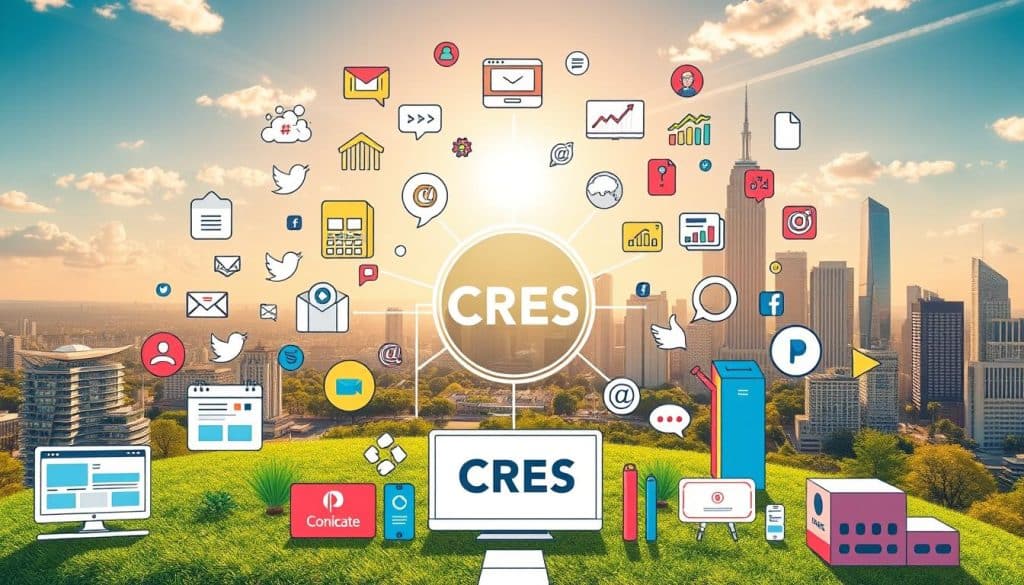
In the realm of online marketing, several key channels form the backbone of a successful digital strategy. Companies often use their own website as the centerpiece of their digital marketing activities. The most effective websites represent the brand and its products and services in a clear and memorable way.
Website Marketing
Website marketing is fundamental to establishing a digital presence. A website today must be fast-loading, mobile-friendly, and easy to navigate. It serves as the central hub where customers can learn about products and services.
Search Engine Optimization
Search Engine Optimization (SEO) is crucial for improving a website’s visibility in search engine results. By optimizing technical aspects, creating high-quality content, and building authoritative backlinks, businesses can enhance their organic search rankings.
Pay-Per-Click Advertising
Pay-Per-Click (PPC) advertising enables marketers to reach audiences on news and other websites and digital platforms through paid ads. This method provides immediate visibility by bidding on relevant keywords.
Social Media Marketing
Social media marketing aims to build brand awareness and establish trust. As businesses delve deeper, they can use it to obtain leads and as a direct marketing or sales channel. Different platforms require tailored strategies and content types.
Email Marketing
Email marketing involves building a list, segmenting it, automating campaigns, and crafting messages that generate high open and click-through rates. It’s a powerful tool for nurturing leads and driving conversions.
| Channel | Purpose | Key Benefits |
|---|---|---|
| Website Marketing | Establish digital presence | Central hub for product/service information |
| SEO | Improve search visibility | Enhanced organic search rankings |
| PPC Advertising | Immediate visibility | Targeted reach through keyword bidding |
| Social Media Marketing | Build brand awareness | Community building and lead generation |
| Email Marketing | Nurture leads and drive conversions | High open and click-through rates |
These online marketing channels work both independently and synergistically to create comprehensive marketing coverage across the customer journey. By understanding and leveraging these channels, businesses can achieve their marketing objectives and drive growth.
Content Marketing Terminology

The goal of content marketing is to attract and retain a clearly defined audience through the creation and distribution of valuable, relevant content.
Understanding the terminology associated with content marketing is crucial for developing effective marketing strategies. This includes concepts related to content strategy, various forms of content creation, and distribution channels.
Content Strategy
A well-planned content strategy involves the planning, development, and management of content that aligns with business objectives while meeting audience needs at different stages of the buyer’s journey. This strategic approach ensures that the content created is not only valuable but also relevant to the target audience, ultimately driving profitable customer action.
Blogging and Article Writing
Blogging and article writing are foundational content marketing tactics that help build authority, improve search engine visibility, and provide educational value to potential customers. By creating high-quality, engaging content, businesses can establish themselves as thought leaders in their industry.
Video Marketing
Video marketing has become increasingly important in content marketing strategies, offering a dynamic way to engage audiences and drive traffic. Various formats and platforms are available for video content, and measuring its effectiveness is crucial for optimizing marketing efforts.
By understanding and leveraging these key concepts in content marketing, businesses can develop effective strategies that resonate with their target audience and drive meaningful results.
Social Media Marketing Glossary

Understanding social media marketing terminology is the foundation upon which successful campaigns are built. As we navigate the ever-evolving landscape of social media marketing, it’s crucial to grasp the language that drives this industry.
Platform-Specific Terms
Different platforms have their own unique vocabulary. For instance, on Instagram, “Stories” refer to ephemeral content that disappears after 24 hours, while on Twitter, “Threads” are used to connect multiple tweets. Familiarizing yourself with these platform-specific terms is essential for creating effective content.
Engagement Metrics
Measuring engagement is critical in social media marketing. Key metrics include impressions, reach, engagement rate, shares, and comments. These metrics help gauge audience connection and campaign effectiveness.
Influencer Marketing
Influencer marketing involves partnering with individuals who have a significant following on social media. It’s essential to understand influencer tiers, collaboration models, and how to measure the effectiveness of these partnerships.
| Term | Definition |
|---|---|
| Impressions | The number of times content is displayed |
| Engagement Rate | The percentage of audience that interacts with content |
| Influencer Tier | Categorization of influencers based on their follower count |
By understanding these key terms and concepts, businesses can navigate the complex world of social media marketing with confidence and create effective campaigns that drive brand awareness and engagement.
Search Engine Marketing Terms
Effective search engine marketing requires a comprehensive understanding of its key concepts and techniques. As businesses strive to improve their online visibility, they must navigate a complex landscape of terminology related to search engine optimization (SEO), pay-per-click (PPC) advertising, and local SEO strategies.
SEO Terminology
SEO involves various techniques to increase website traffic and improve search engine rankings. Key terms include technical optimization, on-page factors, off-page strategies, and algorithm considerations. Understanding these concepts is crucial for developing an effective SEO strategy.
PPC and Google Ads Vocabulary
PPC advertising enables businesses to reach their target audience through paid ads on search engines and other digital platforms. Important terms in this domain include bidding models, campaign structures, quality scores, ad extensions, and targeting options. Familiarity with these concepts helps advertisers optimize their campaigns for better performance.
Local SEO Terms
For businesses with physical locations, local SEO is vital for attracting nearby customers. Key terms in local SEO include Google Business Profile optimization, local citations, proximity factors, and review management. Mastering these concepts can significantly enhance a business’s local search visibility.
| Term | Description |
|---|---|
| Technical Optimization | The process of improving a website’s technical aspects to enhance its search engine ranking. |
| Bidding Models | Strategies used in PPC advertising to determine ad placement based on bid amounts. |
| Local Citations | Mentions of a business’s name, address, and phone number on other websites, which can improve local SEO. |
Analytics and Measurement Terminology
Effective marketing strategies rely heavily on a deep understanding of analytics and measurement terminology. In today’s data-driven marketing landscape, being able to measure and analyze the performance of marketing campaigns is crucial for making informed decisions and optimizing future efforts.
Key Performance Indicators (KPIs)
Digital marketers use Key Performance Indicators (KPIs) to measure the long-term performance of their marketing initiatives. Common KPIs include click-through rate (CTR) and conversion rate, which help marketers gauge the effectiveness of their campaigns. For instance, CTR measures the percentage of people who clicked on an ad, while conversion rate measures the percentage of people who took a desired action, such as making a purchase.
To maximize ROI, it’s essential to understand how to leverage KPIs effectively. For more insights on digital marketing terms, visit our blog on key digital marketing terms.
Conversion Metrics
Conversion metrics go beyond KPIs by tracking and analyzing user actions that represent business value. This includes micro-conversions, such as signing up for a newsletter, and ultimate goals like purchases or lead submissions. By understanding conversion metrics, businesses can optimize their marketing strategies to drive more conversions.
Web Analytics Tools
Web analytics tools provide insights into website performance, user behavior, and marketing effectiveness. Google Analytics is a popular choice, offering a wealth of data on website traffic, engagement, and conversion rates. Other platforms also provide valuable insights, helping businesses refine their marketing strategies.
To further enhance your digital marketing strategy and maximize ROI, consider exploring our resources on maximizing ROI with digital marketing.
| Metric | Description | Example |
|---|---|---|
| Click-through Rate (CTR) | Percentage of people who clicked on an ad | 5% |
| Conversion Rate | Percentage of people who took a desired action | 2% |
| Bounce Rate | Percentage of visitors who left a website without taking further action | 30% |
Advanced Online Marketing Concepts
The digital landscape is constantly evolving, and staying ahead of the curve requires a deep understanding of advanced online marketing concepts. As technology continues to advance, businesses must adapt their marketing strategies to remain competitive.
Marketing Automation
Marketing automation refers to the use of software to automate repetitive marketing tasks, such as email marketing and social media posting. By leveraging marketing automation, businesses can streamline their marketing processes, improve efficiency, and personalize customer communications. According to a report, companies that use marketing automation see a significant increase in their conversion rates.
Affiliate Marketing
Affiliate marketing is a form of online marketing that involves partnering with affiliates who promote a company’s products or services in exchange for a commission. This performance-based marketing model allows businesses to expand their reach and drive sales through partnerships with influencers and content creators. As stated by a marketing expert, “Affiliate marketing is a powerful way to drive revenue and grow your customer base.”
“The future of marketing lies in the intersection of technology and creativity.”
Remarketing and Retargeting
Remarketing and retargeting involve targeting users who have previously interacted with a brand or visited a website. By using cookies and other tracking technologies, businesses can serve targeted ads to these users as they browse other websites or social media platforms. This helps to keep the brand top of mind and encourages users to return to the website and complete a purchase.
| Advanced Concept | Description | Benefits |
|---|---|---|
| Marketing Automation | Automates repetitive marketing tasks | Improved efficiency, personalized customer communications |
| Affiliate Marketing | Partners with affiliates to promote products | Increased reach, driven sales |
| Remarketing and Retargeting | Targets users who have previously interacted with a brand | Increased brand awareness, encouraged conversions |
By understanding and leveraging these advanced online marketing concepts, businesses can stay ahead of the competition and drive growth in the digital marketplace. For more information on how to boost your rankings with SEO content writing tips, visit our SEO content writing guide.
Conclusion: Staying Updated with Online Marketing Terminology
To navigate the complex digital marketing landscape, marketers must commit to ongoing learning and terminology mastery. The digital world poses special challenges, including rapidly proliferating channels and an overwhelming amount of data.
Continuous learning is crucial in this environment. We recommend leveraging industry publications, professional organizations, and certification programs to stay updated.
By adopting a systematic approach to knowledge management, businesses can balance innovative marketing approaches with proven fundamentals, ensuring consistent results and effective strategy implementation.
FAQ
What is the primary goal of Search Engine Optimization (SEO)?
The primary goal of SEO is to increase the quality and quantity of website traffic by ranking higher in search engines for specific keywords, thereby improving brand awareness and driving sales.
How does Pay-Per-Click (PPC) Advertising work?
PPC Advertising is a model where advertisers pay each time a user clicks on their ad, typically displayed on search engines or social media platforms, allowing for targeted advertising and measurable ROI.
What is the role of Content Marketing in a digital strategy?
Content Marketing involves creating and distributing valuable, relevant, and consistent content to attract and retain a clearly defined audience, driving profitable customer action and enhancing brand credibility.
How can Social Media Marketing benefit a business?
Social Media Marketing can benefit a business by increasing brand awareness, generating leads, and driving website traffic through targeted advertising and engaging content on various social media platforms.
What is Email Marketing and how is it effective?
Email Marketing involves sending targeted and personalized messages to customers or potential customers via email, nurturing leads, and driving conversions, making it an effective channel for customer retention and acquisition.
What are Key Performance Indicators (KPIs) in digital marketing?
KPIs are measurable values that demonstrate how effectively an organization is achieving key business objectives, such as website traffic, conversion rates, or social media engagement, helping marketers evaluate their campaign performance.
How does Affiliate Marketing work?
Affiliate Marketing is a performance-based marketing model where an affiliate earns a commission by promoting a product or service, typically through a unique referral link, allowing businesses to expand their reach and drive sales.
What is the purpose of Marketing Automation?
Marketing Automation involves using software to automate repetitive marketing tasks, such as email campaigns, lead nurturing, and social media posting, streamlining processes, and improving efficiency, allowing marketers to focus on strategic initiatives.