

Can your e-commerce site afford to be invisible in search engine results? In today’s digital landscape, a well-optimized website is crucial for driving sustainable traffic and revenue growth.
We explore comprehensive SEO strategies designed to transform your online store from obscurity to prominence. By implementing fundamental and advanced tactics, you can improve your search visibility and stay ahead of the competition.
A robust SEO strategy combines technical, on-page, and content optimization to enhance your site’s ranking. By leveraging these proven tactics, you can establish a strong online presence and drive business growth.
Key Takeaways
- Comprehensive SEO strategies for e-commerce websites
- Fundamental and advanced SEO tactics for improved search visibility
- The importance of combining technical, on-page, and content optimization
- Establishing a strong online presence through SEO
- Driving business growth with proven SEO tactics
Understanding E-commerce SEO and Its Importance
To thrive in the digital marketplace, understanding and implementing e-commerce SEO is essential. E-commerce SEO is the practice of fine-tuning your website to meet search engine best practices and updating your content to reflect what your customers are searching for.
What is E-commerce SEO?
E-commerce SEO is the process of increasing the visibility of an online store in search engine results pages (SERPs). It involves creating content that satisfies keyword queries typed into search engines, optimizing the site structure, and improving user experience signals. Effective e-commerce SEO requires a multifaceted approach, including technical setup, content optimization, and user experience factors.
How Search Engines Rank Online Stores
Search engines evaluate e-commerce sites differently than content-based websites, with particular attention to product relevance and user experience signals. They analyze product pages, category structures, and navigation patterns when determining rankings. A well-structured site with clear navigation and relevant content is crucial for achieving higher rankings.
Differences Between B2B and B2C E-commerce SEO
The approach to e-commerce SEO differs significantly between B2B and B2C models. B2B e-commerce SEO tends to focus on educational content, targeting longer buying cycles and more complex decision-making processes. In contrast, B2C e-commerce SEO prioritizes emotional triggers and immediate purchasing decisions, often relying on promotional content and user-friendly site design.
Key Benefits of SEO for E-commerce Websites
The importance of SEO for e-commerce websites cannot be overstated, as it drives organic traffic and enhances user experience. By optimizing their websites for search engines, e-commerce businesses can enjoy sustained growth and increased brand visibility. Effective e-commerce SEO is crucial for attracting potential customers who are actively searching for products or services related to their business.
Increased Organic Traffic Without Paid Ads
One of the primary benefits of SEO is the ability to attract organic traffic without the need for paid advertisements. Unlike paid ads, which stop generating traffic once the budget is depleted, SEO efforts continue to yield results long after the initial optimization. This sustainable approach to traffic generation not only reduces marketing costs but also provides a higher return on investment (ROI) over time.
Better User Experience and Higher Conversion Rates
SEO-driven improvements to site structure and content naturally enhance user experience, leading to higher engagement metrics and conversion rates. Properly optimized product pages not only rank better in search engine results but also convert better by addressing customer questions and concerns more effectively.
Building Brand Authority and Trust
Consistent SEO efforts help build cumulative brand authority in your niche, establishing your store as a trusted resource in your industry. Appearing in organic search results builds consumer trust more effectively than paid placements, as users tend to perceive organic results as more credible and relevant to their search queries.
| Benefits of SEO | Description | Impact |
|---|---|---|
| Increased Organic Traffic | Attracts visitors without paid ads | Higher ROI, sustained traffic |
| Better User Experience | Enhances site structure and content | Higher engagement, conversion rates |
| Brand Authority and Trust | Establishes credibility in the industry | Increased consumer trust, brand loyalty |

Developing an Effective E-commerce SEO Strategy
In the competitive world of e-commerce, a tailored SEO strategy can be a game-changer. We help e-commerce businesses thrive by crafting a comprehensive SEO plan that aligns with their unique goals and resources.
Setting Clear SEO Goals for Your Online Store
Setting specific, measurable SEO goals is crucial for the success of your e-commerce website. We emphasize the importance of focusing on goals that directly impact revenue rather than vanity metrics. For instance, increasing organic traffic by 20% within the next quarter is a more effective goal than simply aiming to improve search engine rankings.
Understanding Your Target Audience in Qatar
Understanding your target audience is vital for any successful SEO strategy. In Qatar, regional search preferences and cultural considerations play a significant role in shaping consumer behavior. We conduct thorough research to identify the unique search behaviors of your target audience, ensuring that your SEO strategy resonates with them. For example, a study on consumer behavior in Qatar might reveal a preference for mobile shopping, informing your SEO strategy to prioritize mobile optimization.
| Aspect | Description | Importance |
|---|---|---|
| Clear SEO Goals | Specific, measurable objectives | High |
| Target Audience Understanding | Researching consumer behavior | High |
| Competitive Analysis | Analyzing competitors’ strategies | Medium |
Competitive Analysis for E-commerce Websites
A thorough competitive analysis is essential for identifying gaps and opportunities in your competitors’ SEO strategies. By leveraging competitor insights, we can inform your keyword targeting and content development priorities. For businesses looking to enhance their SEO, we offer small business SEO services that can help improve your online presence.
By following these steps and creating a sustainable, long-term SEO strategy, e-commerce businesses can achieve lasting success and drive revenue growth.
Keyword Research for E-commerce Success
Keyword research for e-commerce is a nuanced process that goes beyond traditional SEO practices. While most sites focus solely on informational keywords, e-commerce businesses need to target a mix of informational and commercial keywords to drive both traffic and sales.
Finding Product-Focused Keywords
To identify product-focused keywords, we can leverage tools like Amazon’s search suggestions, Google Keyword Planner, and competitor analysis. These tools help us understand what potential customers are searching for and how competitive those keywords are.
For instance, using Amazon’s search bar, we can find related products and long-tail keywords that have lower competition but higher conversion potential. Google Keyword Planner, on the other hand, provides insights into search volume and trends, helping us refine our keyword strategy.
Category Page Keyword Research
Category page keyword research involves identifying broader commercial intent keywords that capture a range of related products. This helps in organizing site architecture and improving user experience. By targeting the right category-level keywords, e-commerce sites can enhance their visibility in search engine results.
Understanding Search Intent for E-commerce
Understanding search intent is crucial for e-commerce SEO. It involves analyzing SERPs to comprehend what Google believes users want for specific queries. By mapping different types of search intent to appropriate pages on our e-commerce site, we can improve our site’s relevance and ranking.
For example, if a user searches for “best running shoes,” the search intent is likely informational, seeking reviews or comparisons. However, a search for “buy Nike running shoes” indicates a transactional intent. By understanding these nuances, we can tailor our content and product offerings to match user intent.
By implementing a systematic approach to keyword research, focusing on both informational and commercial keywords, e-commerce businesses can drive more targeted traffic and increase sales. It’s about striking a balance between understanding customer needs and optimizing for search engines.
Optimizing Site Architecture for SEO
Optimizing site architecture is a foundational step in e-commerce SEO, directly impacting how easily users and search engines can access product pages. A well-structured site architecture serves as the backbone of e-commerce SEO success, facilitating efficient crawling and indexing by search engines.
Creating a Simple and Scalable Structure
A simple and scalable site structure is crucial for e-commerce websites. It allows for easy navigation and ensures that both users and search engines can find products without difficulty. We recommend creating a logical category and subcategory structure that is easy to follow and understand. This not only improves user experience but also enhances the site’s crawlability.
The Three-Click Rule for E-commerce Navigation
The three-click rule is a guideline that suggests users should be able to find any product on your site within three clicks. This principle is essential for e-commerce navigation, as it ensures that users can quickly locate products, thereby improving their overall shopping experience. By adhering to this rule, you can also improve your site’s SEO, as search engines favor sites that are user-friendly.
Internal Linking Strategies for Product Pages
Internal linking is a powerful SEO strategy that helps distribute link equity across your site, improving the visibility of product pages. By linking to relevant products or categories from your product pages, you can guide users through your conversion funnel while strengthening the SEO value of key pages. For instance, using a comprehensive e-commerce SEO strategy can further enhance your site’s performance.
To illustrate, consider implementing breadcrumb navigation, which not only enhances user experience but also clarifies the hierarchical structure of your site for search engines. This can be particularly beneficial for e-commerce sites with complex product catalogs. Additionally, avoiding common site architecture mistakes, such as deep hierarchies or overly complex navigation, is crucial for maintaining a site structure that supports both user experience and SEO goals.

- A well-planned site architecture improves crawlability and indexing.
- Simple navigation enhances user experience and conversion rates.
- Strategic internal linking boosts the SEO value of product pages.
For more insights on launching a successful SEO strategy, consider visiting resources dedicated to e-commerce SEO. By focusing on these aspects, e-commerce businesses can significantly improve their site’s SEO performance and overall user experience.
Technical SEO for E-commerce Websites
Technical SEO is the backbone of a successful e-commerce website, ensuring that it is both crawlable by search engines and provides a seamless user experience.
Site Speed Optimization
Site speed is a critical factor in both search engine rankings and user experience. A slow-loading website can lead to higher bounce rates and lower conversion rates. To optimize site speed, e-commerce websites can leverage various techniques such as image compression, code minification, and browser caching.
Image compression reduces the file size of images without compromising their quality, thereby reducing the overall page load time. Code minification involves removing unnecessary characters from the website’s code to make it more compact. Browser caching allows frequently-used resources to be stored locally in the user’s browser, reducing the need for repeat requests to the server.
Mobile-Friendly Design Implementation
With Google’s mobile-first indexing, having a mobile-friendly design is no longer optional but a necessity. A mobile-friendly design ensures that your e-commerce website provides an optimal experience across all devices, improving user engagement and conversion rates.
To implement a mobile-friendly design, e-commerce websites should focus on responsive design principles that adapt to different screen sizes and devices. This includes using flexible grids, images, and media queries to create a seamless user experience.
Handling Duplicate Content Issues
Duplicate content is a common issue in e-commerce websites, particularly when dealing with product variations, filtered navigation, and pagination. Duplicate content can confuse search engines and dilute the ranking potential of your pages.
To handle duplicate content issues, e-commerce websites can use canonical tags to specify the preferred version of a page. Structured data and XML sitemaps can also help search engines understand the site structure and reduce the impact of duplicate content.
Implementing schema markup on product pages can enhance rich snippets in search results, providing users with more information about the product and improving click-through rates.
On-Page SEO for Product Pages
On-page SEO for product pages involves several key strategies that can enhance your e-commerce site’s performance. Optimizing these pages is crucial for improving search engine rankings and driving more conversions. In this section, we’ll explore the essential elements of on-page SEO for product pages and how to implement them effectively.
Crafting Compelling Title Tags with Modifiers
Crafting compelling title tags is a critical step in on-page SEO for product pages. A well-written title tag should include primary keywords and persuasive modifiers like “best,” “affordable,” or “professional.” For example, instead of just using “Nike Running Shoes,” a more effective title tag could be “Best Nike Running Shoes for Men – Affordable Prices.” This approach not only incorporates primary keywords but also captures additional long-tail search traffic. You can learn more about optimizing title tags in our detailed guide on optimizing website titles.
- Use primary keywords relevant to the product.
- Incorporate persuasive modifiers to attract more clicks.
- Keep title tags concise and descriptive.
Writing Unique Product Descriptions
Writing unique and detailed product descriptions is vital for both SEO and user experience. Avoid copying and pasting descriptions from manufacturers or suppliers, as this can lead to duplicate content issues. Instead, focus on creating comprehensive descriptions that capture readers’ interest and include lots of details about your products. For instance, describe the product’s features, benefits, and how it can solve the customer’s problems. This approach not only satisfies search engines but also helps potential customers make informed purchasing decisions.
Some key points to consider when writing product descriptions include:
- Incorporate primary and secondary keywords naturally.
- Highlight the unique selling points of the product.
- Use a persuasive tone to encourage purchases.
Optimizing Product Images for Search
Product images play a crucial role in e-commerce, and optimizing them for search is essential. Start by using descriptive file names that include target keywords. For example, instead of “IMG12345.jpg,” use “Nike-Running-Shoes-Men.jpg.” Additionally, optimize image size for faster loading times without compromising quality. Use alt text that includes target keywords to help search engines understand the content of the images. Finally, consider using structured data markup to provide additional context to search engines.
By implementing these on-page SEO strategies for product pages, you can significantly improve your e-commerce site’s visibility, drive more organic traffic, and increase conversions. Remember, a comprehensive approach that balances SEO requirements with conversion optimization principles is key to achieving online success.
Category Page Optimization Techniques
Category pages are crucial for e-commerce SEO, offering significant opportunities for online stores to increase their visibility. These pages often have higher search volumes than individual product terms, making them a valuable asset for businesses looking to drive more traffic to their websites.
Structuring Category Pages for Maximum Visibility
To maximize the potential of category pages, it’s essential to structure them in a way that enhances their visibility to search engines. This involves creating a clear hierarchy of categories and subcategories, making it easier for both users and search engines to navigate the site. A well-structured category page should have a descriptive title that includes target keywords, a compelling meta description that encourages click-throughs, and header tags (H1, H2, etc.) to organize the content.
We recommend using a simple and intuitive URL structure for category pages, incorporating relevant keywords. For instance, a URL like “example.com/mens-clothing/shirts” is more descriptive and SEO-friendly than “example.com/cat=123.” This structure helps search engines understand the page’s content and relevance to user searches.
Balancing Products and Content on Category Pages
One of the challenges of optimizing category pages is striking the right balance between showcasing products and providing sufficient content for search engines to crawl and index. While it’s essential to display a range of products to engage users, the page should also include unique, high-quality content that adds value to the user’s shopping experience.
To achieve this balance, e-commerce businesses can create category page templates that include product listings along with informative descriptions, customer testimonials, and other relevant content. This approach not only enhances the user experience but also provides search engines with the content they need to rank the page effectively.
By implementing these strategies, e-commerce businesses can improve the performance of their category pages, driving more traffic and sales through enhanced search engine rankings.
Content Marketing for E-commerce SEO
Content marketing is a crucial element in e-commerce SEO, serving as a powerful complement to product and category page optimization. By integrating a well-planned content marketing strategy, e-commerce businesses can enhance their online visibility, drive sales, and build brand authority.
Creating a Blog Strategy for Your Online Store
Developing a blog strategy is essential for e-commerce businesses aiming to boost their SEO. This involves identifying topics that resonate with your target audience in Qatar and creating content that addresses their needs and interests. A successful blog strategy should focus on providing value to customers, thereby establishing your brand as a credible source in the market.
To create an effective blog strategy, consider the following:
- Identify relevant topics that align with your products and customer interests.
- Develop a content calendar to ensure consistent posting.
- Optimize blog posts with relevant keywords, including LSI keywords.
Developing Content That Drives Sales
The ultimate goal of content marketing is to drive sales. To achieve this, e-commerce businesses should focus on creating content that naturally leads to product pages and conversions. This can be accomplished by developing content types such as buying guides, comparison posts, and how-to content that serve specific purposes in the e-commerce funnel.
For instance, a buying guide on “The Best Smartphones for Business Use” can include product recommendations from your store, subtly guiding readers toward making a purchase.
Using Latent Semantic Indexing (LSI) Keywords
LSI keywords are related terms and phrases that help search engines understand the context and relevance of your content. By incorporating LSI keywords, you can expand the semantic relevance of your content and rank for a broader range of related terms.
For example, if your primary keyword is “men’s running shoes,” LSI keywords could include “athletic footwear,” “sports shoes for men,” or “running shoe reviews.”
| Content Type | Purpose | Example |
|---|---|---|
| Buying Guides | Inform customers about product options | “The Ultimate Guide to Choosing the Best Running Shoes” |
| Comparison Posts | Compare different products | “Nike vs. Adidas Running Shoes: Which is Better?” |
| How-to Content | Educate customers on product usage | “How to Choose the Right Running Shoe Size” |
By leveraging these content types and incorporating LSI keywords, e-commerce businesses can create a robust content marketing strategy that drives both traffic and revenue.
Link Building Strategies for E-commerce Sites
In the ever-evolving landscape of e-commerce SEO, link building remains a cornerstone of online success. As search engines continue to refine their algorithms, the quality and relevance of links pointing to your site play a crucial role in determining your website’s authority and ranking.
We will explore effective link building strategies that can help e-commerce businesses improve their online visibility and drive more sales. One of the key aspects of successful link building is creating high-quality backlinks from authoritative sources.
Building High-Quality Backlinks
To build high-quality backlinks, you need to identify relevant sources that can link back to your e-commerce site. One effective way to do this is by using backlink analysis tools to analyze your competitors’ link profiles and identify potential link opportunities.
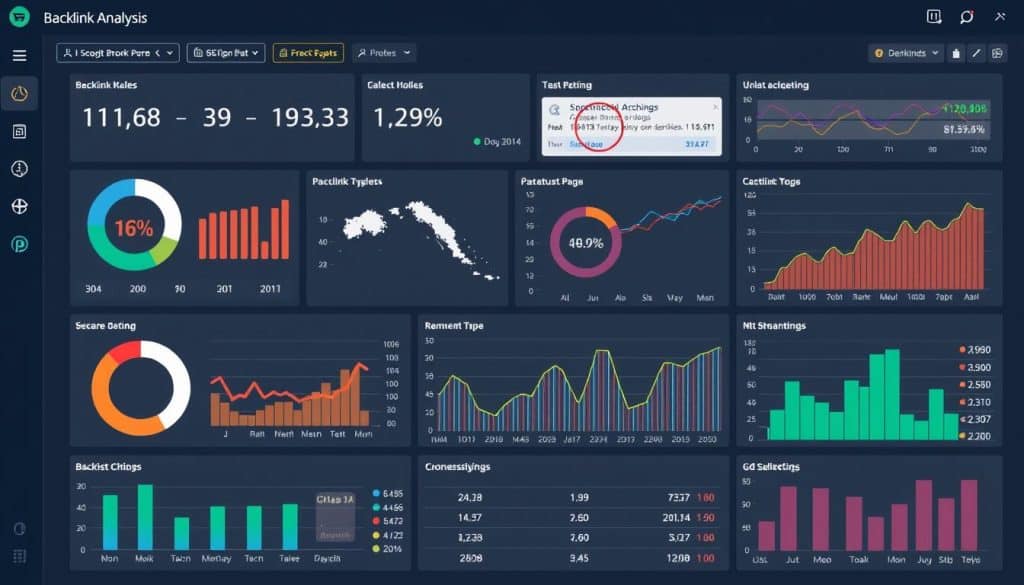
These tools can help you understand which websites are linking to your competitors and what types of content are attracting links. By leveraging this information, you can create a targeted link building strategy that focuses on acquiring high-quality links from relevant sources.
Guest Posting and PR Opportunities
Guest posting and digital PR are effective ways to acquire high-quality backlinks while also increasing your brand’s visibility. By contributing valuable content to reputable sites in your niche, you can attract links from authoritative sources and build relationships with other industry players.
To maximize the impact of guest posting, focus on creating high-quality, engaging content that adds value to the host site’s audience. This not only helps you secure links but also establishes your brand as a thought leader in the industry.
Leveraging Partnerships for Link Building
Another effective link building strategy is to leverage partnerships with suppliers, manufacturers, and other business partners. By collaborating with these partners, you can create opportunities for natural, relevant links that enhance your website’s authority.
For example, you can work with suppliers to create co-branded content or product pages that link back to your site. This not only helps with link building but also strengthens your relationships with key partners.
By implementing these link building strategies, e-commerce businesses can improve their online visibility, drive more sales, and stay ahead of the competition. Effective link building requires ongoing effort and creativity, but the rewards are well worth it.
User Experience and Its Impact on SEO
Providing a seamless user experience is no longer a nicety but a necessity for e-commerce sites aiming to improve their SEO. One of Google’s key ranking factors is providing users with a good user experience. If your site is targeting the right keywords for your target audience and answering queries that website visitors might have, then Google sees that as a positive experience and your ranking will consequently go up.
Design Principles for Reducing Bounce Rates
To reduce bounce rates, e-commerce sites should focus on clear value propositions and intuitive visual hierarchies. A well-designed site encourages deeper exploration and engagement. We recommend implementing design principles that facilitate easy navigation and highlight key products or offers.
- Use clear and concise headings
- Implement intuitive navigation menus
- Highlight key products or promotions
For more insights on enhancing user experience, visit Lumar’s blog on user experience and website.
Improving Navigation and Search Functionality
Optimizing navigation and search functionality is crucial for helping users quickly find the products they’re looking for. A simple and scalable site structure, coupled with effective internal linking, can significantly enhance the user experience. We should also consider implementing features like autocomplete and filtering to streamline the product discovery process.
- Simplify your site structure
- Use internal linking to connect related products
- Implement autocomplete and filtering features
For e-commerce businesses in Qatar, creating a user-friendly website is crucial for digital success. Check out our solutions at Cres VIP for expert guidance.
Optimizing the Checkout Process
Streamlining the checkout process not only improves conversion rates but also sends positive user experience signals to search engines. By reducing friction points and making the checkout process as seamless as possible, e-commerce businesses can enhance both conversions and SEO performance.
- Minimize the number of steps to checkout
- Offer guest checkout options
- Ensure mobile optimization for checkout
Measuring E-commerce SEO Success
E-commerce SEO success is not just about rankings; it’s about driving business impact through data-driven decisions. To achieve this, you need to track the right metrics and adjust your strategy accordingly.
Key Performance Indicators to Track
To measure the success of your e-commerce SEO efforts, focus on key performance indicators (KPIs) such as organic traffic, conversion rate, revenue, and return on investment (ROI). These metrics provide insights into how your SEO strategy is impacting your business.
Using Google Analytics for E-commerce
Google Analytics is a powerful tool for tracking e-commerce SEO performance. By setting up enhanced e-commerce tracking, you can accurately attribute sales and revenue to organic search efforts. This allows you to understand the true impact of your SEO strategy on your bottom line.
Adjusting Strategy Based on Performance Data
Once you have the right tracking in place, use the performance data to refine your SEO strategy. Analyze your KPIs to identify areas for improvement and adjust your tactics to maximize effectiveness. This might involve optimizing product pages, improving site architecture, or enhancing content marketing efforts.
Common E-commerce SEO Challenges and Solutions
E-commerce websites often face unique SEO challenges that can impact their online visibility and sales. Two significant issues that online retailers encounter are managing out-of-stock products and seasonal product fluctuations.
Dealing with Out-of-Stock Products
Out-of-stock products can lead to a poor user experience and negatively affect SEO. To address this, e-commerce sites can either remove the product page, use a 301 redirect, or keep the page live with alternative product recommendations. Keeping the page live with a notification about the product’s unavailability is often the best approach, as it maintains the SEO value of the page while providing a good user experience.
Managing Seasonal Product Fluctuations
Seasonal products present another challenge, as their demand varies throughout the year. To manage this, e-commerce businesses can plan content and link-building campaigns around seasonal peaks to maximize visibility when demand is highest. During off-seasons, they can maintain SEO value by keeping product pages updated with relevant information or alternative products.
Conclusion: Implementing a Sustainable SEO Strategy for Your E-commerce Business
Implementing a sustainable SEO strategy is the key to unlocking your e-commerce business’s full potential in the competitive online market. To achieve this, it’s essential to integrate technical, on-page, and content approaches effectively.
A successful e-commerce SEO strategy involves several key components. First, technical SEO lays the foundation by ensuring your website is crawlable, mobile-friendly, and has a good site speed. On-page SEO focuses on optimizing product pages, category pages, and other content to make it search engine friendly. Content marketing plays a crucial role in attracting and engaging your target audience.
To implement a prioritized roadmap for SEO improvements, start by addressing the most critical issues that impact your website’s visibility and user experience. This may include optimizing your site architecture, improving page load times, and enhancing product page content. By tackling these high-priority tasks first, you can quickly improve your search engine rankings and drive more organic traffic to your site.
Consistency and patience are vital in e-commerce SEO. It’s essential to understand that meaningful results won’t happen overnight. A well-planned SEO strategy requires ongoing effort and optimization. Businesses should be prepared to invest time and resources into their SEO efforts, balancing quick wins with long-term strategic investments.
To create sustainable SEO processes, focus on building a strong foundation that can adapt to your e-commerce business’s growth and evolution. This includes regularly updating product information, expanding your content marketing efforts, and staying up-to-date with the latest SEO best practices.
Resource allocation is another critical aspect of ongoing SEO efforts. Determine when to handle tasks in-house and when to seek expert assistance. For instance, tasks like keyword research and content creation can often be managed internally, while technical SEO audits and link building may require specialized expertise.
Staying current with search algorithm changes is crucial without constantly chasing trends or implementing risky tactics. Focus on established best practices and be prepared to adjust your strategy as needed. By doing so, you’ll be able to maintain a competitive edge in the ever-evolving e-commerce landscape.
Inspirational examples of e-commerce businesses that have achieved significant growth through committed, strategic SEO implementation can be seen in various industries. For instance, companies that have prioritized SEO have seen substantial increases in organic traffic and conversion rates. By following the strategies outlined in this article, you can begin implementing a successful SEO approach tailored to your e-commerce business.
To get started, review your current SEO strategy and identify areas for improvement. Develop a comprehensive plan that incorporates technical, on-page, and content SEO. By doing so, you’ll be well on your way to driving revenue growth and achieving long-term success in the competitive e-commerce market.
FAQ
How often should we update our e-commerce website’s content to improve search engine rankings?
We recommend updating your content regularly, ideally when there’s a change in your product offerings or when new information becomes available. Regular updates signal to search engines that your site is active and relevant, which can positively impact your rankings.
What is the ideal keyword density for product descriptions, and how can we optimize them?
The ideal keyword density is up to 2%, meaning no more than two repetitions of a keyword per 100 words. To optimize product descriptions, we focus on creating unique, descriptive content that includes relevant keywords naturally, while ensuring a clear and concise narrative that resonates with your target audience.
How do we handle duplicate content issues on our e-commerce site, particularly with product variations?
To handle duplicate content, we use canonical URLs to specify the preferred version of a page. We also utilize meta tags and structured data to help search engines understand the context and differences between product variations, ensuring that the most relevant content is indexed.
What role does site speed play in e-commerce SEO, and how can we improve it?
Site speed is crucial for e-commerce SEO, as it directly impacts user experience and search engine rankings. To improve site speed, we optimize images, leverage browser caching, and minimize HTTP requests, ensuring a fast and seamless browsing experience for your customers.
How can we measure the success of our e-commerce SEO efforts, and what metrics should we track?
To measure e-commerce SEO success, we track key performance indicators such as organic traffic, conversion rates, and keyword rankings. We also use tools like Google Analytics to monitor site performance, understand user behavior, and make data-driven decisions to adjust our SEO strategy.
What are the benefits of using internal linking strategies on our e-commerce site?
Internal linking strategies help improve user experience, increase site engagement, and enhance search engine crawlability. By linking to relevant product and category pages, we can distribute link equity, reduce bounce rates, and improve overall site visibility.
How can we optimize our product pages for better search engine visibility?
To optimize product pages, we focus on crafting compelling title tags, writing unique product descriptions, and optimizing product images. We also ensure that each product page has a clear and concise narrative, relevant keywords, and high-quality content that resonates with your target audience.
What is the significance of understanding search intent in e-commerce SEO, and how can we apply it?
Understanding search intent is crucial in e-commerce SEO, as it helps us create content that resonates with your target audience. By analyzing search queries and understanding the intent behind them, we can develop targeted content that meets the needs of your customers, driving more conversions and sales.