
Choosing the right programming language for mobile app development is crucial for delivering high-quality, scalable, and secure applications.
The decision significantly impacts performance, user experience, and development efficiency.
We examine the critical role of programming languages in app development, exploring how the right choice enhances performance, scalability, and security.
Our expert insights will help you navigate the complex ecosystem of mobile development technologies.
Key Takeaways
- Factors to consider when choosing a programming language for mobile web applications.
- The impact of programming language on development timelines and budget.
- Expert recommendations for selecting the most suitable language for your project.
- The role of frameworks in mobile application development.
- Balancing technical capabilities with business objectives.
Understanding Mobile Web Application Development

As mobile devices continue to dominate the digital landscape, understanding mobile web application development has become crucial for businesses aiming to thrive in Qatar’s competitive market. We recognize the significance of adapting to this trend by leveraging the right programming languages and development approaches.
The Growing Importance of Mobile Web Applications
Mobile web applications have seen a significant rise in importance as more users access the internet through mobile devices. This shift has made it essential for businesses to invest in mobile web application development to stay competitive. The choice of programming language and development framework plays a critical role in this process.
Different Types of Mobile Applications
We categorize mobile applications into three primary types: native, cross-platform/hybrid, and progressive web applications (PWAs). Each type has distinct development approaches and language requirements.
- Native applications are developed for a single platform using the platform’s preferred programming languages, offering optimal performance.
- Cross-platform applications allow developers to write code once and deploy across multiple platforms, reducing development time and resources.
- Progressive Web Applications use modern web capabilities to deliver app-like experiences through browsers, representing a significant evolution in web technologies.
The selection between these application types influences the programming languages and development frameworks that will be most appropriate for a given project. By understanding these differences, businesses can make informed decisions about their mobile web application development strategies.
Native Mobile App Development Languages
Native mobile app development requires a deep understanding of the right programming languages. The choice of language can significantly impact the performance, user experience, and maintenance of the application.
iOS Development: Swift and Objective-C
For iOS app development, Swift and Objective-C are the primary languages used. Swift, introduced by Apple, offers a more modern and safe approach to app development.
It provides concise syntax and powerful features that enhance developer productivity. Objective-C, on the other hand, is a mature language with a large community and extensive libraries.
The choice between Swift and Objective-C depends on the project requirements and the development team’s expertise. Swift is generally recommended for new projects due to its performance and safety features.
Android Development: Kotlin and Java
For Android app development, Kotlin and Java are the dominant languages. Kotlin, endorsed by Google, offers improved syntax and features compared to Java.
Kotlin’s null safety features, extension functions, and coroutines make it a preferred choice for many developers. Java, however, remains popular due to its maturity and large ecosystem.
The interoperability between Kotlin and Java allows developers to integrate both languages in a single project, making it easier to adopt Kotlin in existing Java-based projects.
Both iOS and Android development environments offer extensive support and resources, including libraries, frameworks, and tooling, that facilitate the development process.
Cross-Platform and Hybrid Development Languages
The demand for mobile applications that work seamlessly across different platforms has driven the evolution of cross-platform development languages. This shift is largely driven by the need for businesses to reach a broader audience without the expense of developing separate applications for each platform.
JavaScript and React Native
JavaScript remains a popular choice for cross-platform development, particularly with frameworks like React Native. This framework allows developers to build native mobile applications using JavaScript and React, providing a fast development cycle and cost-effective solution. React Native enables the sharing of code across platforms, reducing development time and increasing productivity.

Dart and Flutter
Flutter, powered by the Dart language, has emerged as a significant player in cross-platform development. It offers a rich set of widgets and tools for building natively compiled applications for mobile, web, and desktop from a single codebase. Flutter’s hot reload feature significantly accelerates the development process, allowing for rapid iteration and testing.

C# with Xamarin/.NET MAUI
For organizations invested in Microsoft’s ecosystem, C# with Xamarin and its successor, .NET MAUI, presents a compelling cross-platform solution. This approach enables developers to share up to 90% of their code across platforms, leveraging native UI components. C# offers powerful features like strong typing and async/await patterns, enhancing developer productivity and code quality.
- We’ve observed that C# with Xamarin and its evolution to .NET MAUI offers a compelling cross-platform solution for organizations already invested in Microsoft’s technology ecosystem.
- Microsoft’s approach allows developers to share up to 90% of code across platforms while still leveraging native UI components.
- The C# language offers powerful features including strong typing, async/await patterns, and LINQ that enhance developer productivity and code quality.
For more insights on cross-platform development, you can explore this article on top programming languages for native and cross-platform.
Language Used for Developing Mobile Web Applications: PWA Approach
PWAs have emerged as a preferred choice for mobile web application development, providing a seamless user experience across devices. We will explore the key technologies and frameworks that make PWAs a viable option for businesses seeking to enhance their mobile presence.
HTML, CSS, and JavaScript for PWAs
At the core of PWA development are HTML, CSS, and JavaScript, which together enable the creation of fast, reliable, and engaging web applications. HTML provides the structure, CSS handles the styling, and JavaScript adds interactivity to the application. Single-page application (SPA) frameworks like Angular, React, and Vue are particularly useful for building highly responsive web apps that work well on mobile devices.
Developers use JavaScript or TypeScript to complete SPAs, which can be turned into PWAs with additional effort, ensuring improved offline mode and notifications. For instance, a React-based SPA can be transformed into a mobile app using React Native, expanding its reach.
TypeScript with Angular, React, and Vue
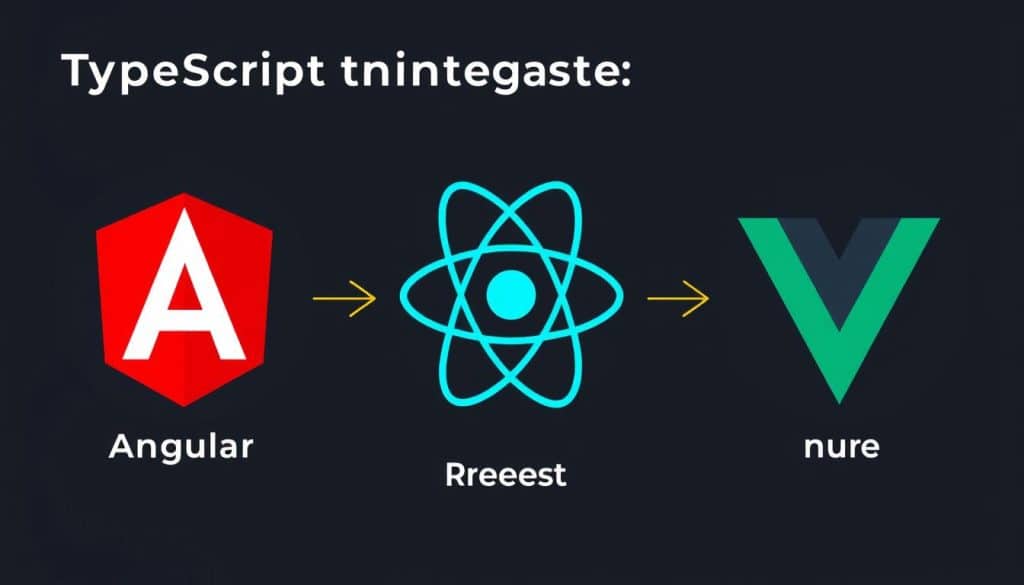
TypeScript has emerged as a game-changer for complex PWA projects, offering static typing and advanced object-oriented features that enhance code quality and maintainability. Major JavaScript frameworks have embraced TypeScript, with Angular making it the default language and React and Vue offering excellent TypeScript integration.
- TypeScript’s static type checking reduces bugs in production applications and improves the developer experience, especially in large teams.
- Angular leverages TypeScript’s decorators and dependency injection patterns for enterprise-grade PWAs with built-in solutions for routing, forms, and state management.
- React’s component-based architecture pairs well with TypeScript, enabling strongly-typed props and state that enhance code reliability.
- Vue3’s rewrite in TypeScript demonstrates its growing importance, offering improved type inference and better developer tooling.
Key Factors for Choosing the Right Programming Language
Several factors influence the selection of a programming language for mobile web application development. When developing a mobile app, it’s crucial to consider these factors to ensure the project’s success.
Project Requirements and Complexity
The complexity and requirements of the project play a significant role in determining the appropriate programming language. For instance, if the app requires complex computations or high-performance rendering, languages like C++ or Rust might be more suitable. On the other hand, for simpler applications, JavaScript with React Native could be sufficient. We need to assess the project’s needs and choose a language that aligns with those needs.
Budget and Timeline Considerations
Budget and timeline are critical factors that influence the choice of programming language. Some languages have more extensive community support and resources, which can reduce development time and costs. For example, using a cross-platform framework like Flutter can save time and resources by allowing developers to build apps for both iOS and Android simultaneously. We should consider the available budget and timeline when selecting a language for our project, ensuring that we develop secure web app code solutions within the given constraints.
Team Expertise and Available Resources
The expertise of the development team and the availability of resources are vital considerations. When two programming languages offer similar benefits, the team’s expertise becomes the deciding factor to maintain high productivity. We recognize that leveraging the current skills of our team can dramatically reduce learning curves and accelerate development timelines. It’s essential to evaluate the availability of qualified developers, development environments, and tooling quality to make an informed decision.
By considering these key factors, we can make an informed decision when choosing a programming language for our mobile web application development project, ensuring that we select the most appropriate language for our needs.
Performance and Scalability Considerations
As mobile web applications continue to evolve, prioritizing performance and scalability is essential for delivering seamless user experiences and supporting future expansion. We recognize that a well-planned development strategy is crucial for achieving this goal.
Optimizing for Speed and Efficiency
Optimizing for speed and efficiency is critical in mobile web application development. Efficient code and the right programming language can significantly enhance the performance of an application. We consider factors such as load times, responsiveness, and resource utilization to ensure that our applications meet the highest standards of performance.
To achieve optimal performance, we focus on:
- Minimizing latency and maximizing throughput
- Utilizing caching and content delivery networks (CDNs)
- Optimizing database queries and schema design
- Streamlining code and reducing unnecessary computations
Planning for Future Growth and Updates
Planning for future growth and updates is equally important as optimizing for current performance. We adopt a forward-thinking approach to app development, selecting programming languages and frameworks that support scalability and ease of maintenance. This involves designing a modular architecture that allows for incremental updates and feature additions without requiring significant overhauls.
| Consideration | Importance | Strategy |
|---|---|---|
| Scalability | High | Modular architecture, cloud services |
| Maintainability | High | Clean code, documentation, automated testing |
| Flexibility | Medium | Cross-platform development, adaptable frameworks |
By focusing on both current performance and future scalability, we ensure that our mobile web applications remain competitive and continue to meet user needs over time. For businesses looking to maximize ROI with web-responsive app solutions, our approach to performance and scalability is crucial.
Conclusion: Making the Right Choice for Your Mobile Web Application
As we conclude our exploration ofprogramming languagesfor mobile web application development, it’s clear that the bestchoicedepends on specific project needs. We’ve explored the diverse landscape ofmobile app development, from native solutions to cross-platform frameworks.
The optimallanguagechoice emerges from a careful analysis of project requirements, including performance needs and target platforms.Developmentcosts, timeline pressures, and available expertise must be balanced against technical considerations.
For projects prioritizing performance, nativedevelopment languageslike Swift and Kotlin are ideal. Cross-platform frameworks such as React Native and Flutter offer compelling alternatives that reducedevelopmentcosts.Progressive Web Applicationsare viable for content-focused applications, providing maximum reach with minimal investment.
By understanding your project’s unique needs and leveraging the rightprogramming language, you can ensure the success of yourmobile web application.
FAQ
What are the most popular programming languages for mobile app development?
The most popular programming languages for mobile app development are Swift and Objective-C for iOS, and Kotlin and Java for Android. For cross-platform development, JavaScript with React Native, Dart with Flutter, and C# with Xamarin/.NET MAUI are popular choices.
How do I choose the right programming language for my mobile web application?
To choose the right programming language, consider your project requirements, complexity, budget, timeline, and team expertise. You should also think about the scalability and performance needs of your application.
What is the difference between native, cross-platform, and hybrid mobile app development?
Native development involves building apps using platform-specific languages and tools. Cross-platform development allows you to build apps using a single codebase that can run on multiple platforms. Hybrid development combines elements of both native and cross-platform approaches.
What are the benefits of using Progressive Web Apps (PWAs) for mobile web application development?
PWAs offer several benefits, including improved user experience, increased engagement, and better scalability. They also provide a cost-effective solution, as they can be built using standard web technologies like HTML, CSS, and JavaScript.
How do I ensure the security of my mobile web application?
To ensure the security of your mobile web application, consider implementing robust security measures, such as data encryption, secure authentication, and regular updates. You should also follow best practices for secure coding and testing.
What are the key considerations for optimizing the performance of my mobile web application?
To optimize the performance of your mobile web application, consider factors like page load times, rendering, and resource utilization. You should also test your application on different devices and platforms to ensure smooth performance.
Can I use a single programming language for both iOS and Android app development?
Yes, you can use a single programming language for both iOS and Android app development with cross-platform frameworks like React Native, Flutter, and Xamarin/.NET MAUI. These frameworks allow you to share code between platforms, reducing development time and costs.