

The digital signage market is on a trajectory to reach a staggering $35.94 billion by 2026, underscoring its growing role in revolutionizing the advertising landscape. As we explore the potential of digital signage, it becomes clear that it offers unprecedented flexibility, engagement, and targeting capabilities compared to traditional advertising methods. Businesses are increasingly adopting digital signage solutions to create dynamic, attention-grabbing campaigns that drive customer engagement and boost sales.
By leveraging digital signage advertising networks, businesses can enjoy real-time content updates, data-driven targeting, and enhanced visual impact. For businesses in Qatar’s rapidly developing market, digital signage presents unique opportunities to stand out in high-traffic areas. To learn more about maximizing your digital marketing efforts, visit our comprehensive guide on digital marketing expert insights.
Key Takeaways
- Digital signage is transforming the advertising landscape with its flexibility and targeting capabilities.
- Businesses can create dynamic campaigns that drive engagement and sales.
- Real-time content updates and data-driven targeting are key benefits of digital signage advertising.
- Digital signage presents unique opportunities in high-traffic areas like malls and airports.
- Strategic implementation is crucial for maximizing digital signage investment.
Understanding Digital Signage in Modern Advertising

Digital signage has revolutionized the advertising landscape, offering businesses a dynamic way to engage with their audience. As we explore the concept and evolution of digital signage, it becomes clear that this technology is not just a trend, but a significant shift in how businesses communicate with their customers.
What is Digital Signage?
Digital signage refers to the use of digital displays, such as LED screens, LCD monitors, or projection technology, to display multimedia content for advertising, information, or entertainment purposes. This form of signage allows for real-time updates, flexibility in content management, and the ability to target specific audiences.
The Evolution of Digital Advertising Displays
The evolution of digital advertising displays has been rapid, with advancements in technology leading to higher resolution screens, more sophisticated content management systems, and increased integration with other digital marketing tools. This evolution has transformed digital signage into a powerful tool for businesses, enabling them to create engaging, dynamic campaigns that capture the attention of their target audience.
Digital Signage Market in Qatar and Beyond
The digital signage market is experiencing significant growth, driven by major infrastructure projects, retail expansion, and the increasing adoption of digital technologies. In Qatar, for instance, the market is booming, with digital signage being adopted in luxury retail, hospitality, transportation hubs, and sports venues. The global market is projected to reach $35.94 billion by 2026, indicating a substantial opportunity for businesses and investors. Key factors driving this growth include the integration of digital signage with smart city initiatives and the increasing recognition of its ROI potential.
Types of Digital Signage Advertising Networks
As digital signage continues to grow, understanding the different types of advertising networks becomes crucial for effective marketing strategies. The evolution of digital signage has led to the development of various advertising networks, each catering to specific business needs and audience demographics.
Digital Out-of-Home (DOOH) Broadcasting
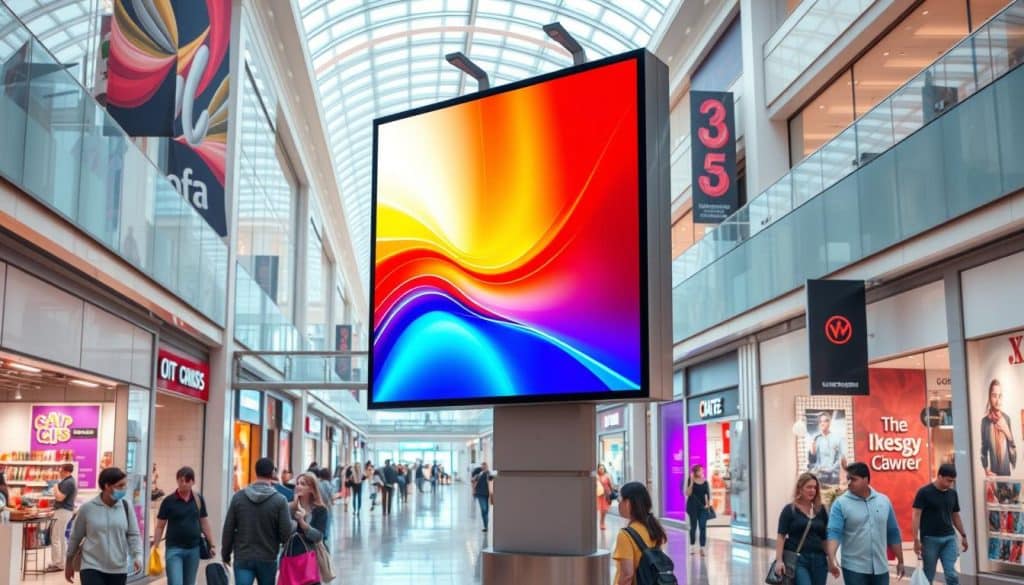
Digital Out-of-Home (DOOH) broadcasting refers to the use of digital signage to reach audiences outside their homes. This form of advertising is particularly effective in high-traffic areas such as shopping malls, airports, and public transportation hubs. Effective paid media strategies often incorporate DOOH broadcasting to amplify their reach.
Indoor Narrowcasting for Targeted Messaging
Indoor narrowcasting involves using digital signage to deliver targeted messages to specific audiences within indoor environments such as retail stores, restaurants, and corporate offices. This type of advertising allows businesses to tailor their content based on the demographics and interests of their audience.
Interactive and Programmatic Advertising Displays
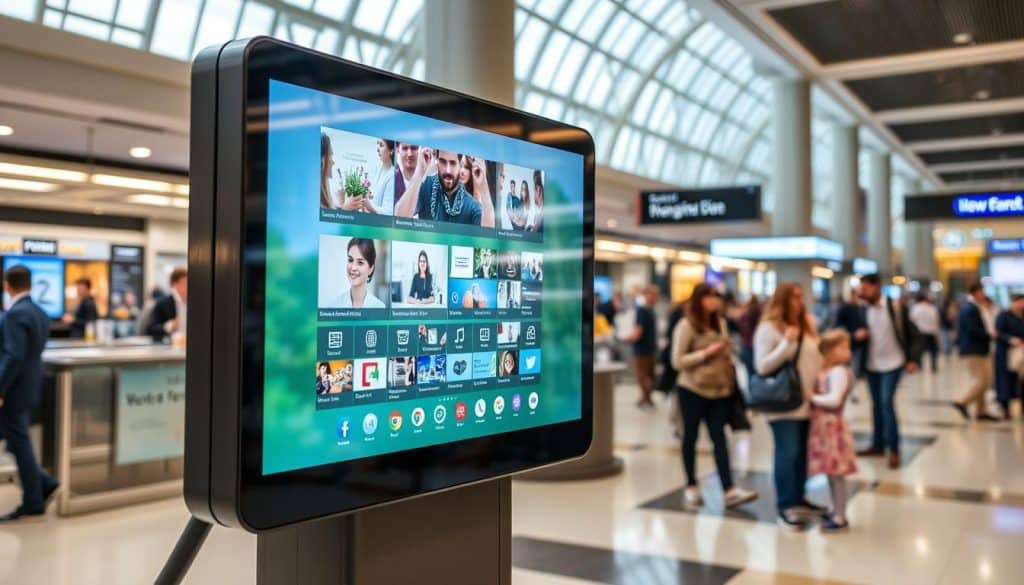
Interactive and programmatic advertising displays represent the cutting edge of digital signage technology. These displays combine audience analytics with responsive content delivery systems, enabling businesses to create highly personalized advertising experiences. Programmatic advertising involves tailor-fitting ads to the audience through software programming, while interactive displays encourage active engagement through touchscreens and other technologies.
- Interactive displays transform passive viewers into active participants.
- Programmatic advertising allows for automated buying and selling of display time based on audience characteristics and environmental triggers.
- Studies indicate that interactive advertising experiences generate significantly higher recall rates.
Key Benefits of Advertising with Digital Signage
In the realm of modern advertising, digital signage stands out as a powerful tool, enabling companies to convey their messages more effectively. As we explore the benefits of this technology, it becomes clear that digital signage offers a multifaceted approach to capturing audience attention and driving engagement.
Enhanced Visual Impact and Customer Engagement
Digital signage is renowned for its ability to captivate audiences with vibrant visuals and dynamic content. By leveraging high-resolution displays and interactive technologies, businesses can create immersive experiences that draw in potential customers. This enhanced visual impact not only grabs attention but also fosters a deeper level of engagement, encouraging viewers to interact with the advertised content.
Real-Time Content Updates and Flexibility
One of the significant advantages of digital signage is its capacity for real-time content updates. This flexibility allows advertisers to respond promptly to changing market conditions, update promotions, or adjust messaging according to the time of day or audience demographics. For instance, a digital billboard can change its advertisement based on the time of day or weather conditions, ensuring the content remains relevant and engaging.
Data-Driven Targeting and Analytics
The integration of data analytics with digital signage enables advertisers to target their audience more effectively. Advanced systems can measure viewer demographics, track engagement patterns, and analyze response rates. This data-driven approach allows for the optimization of advertising campaigns in real-time, ensuring that the messaging resonates with the target audience. Moreover, the ability to attribute in-store actions to digital signage exposure provides valuable ROI metrics.
| Benefits | Description | Impact |
|---|---|---|
| Enhanced Visual Impact | Vibrant visuals and dynamic content | Higher audience engagement |
| Real-Time Updates | Flexibility in content management | Relevant and timely messaging |
| Data-Driven Targeting | Analytics for audience insights | Optimized advertising campaigns |
By harnessing the power of digital signage, businesses can revolutionize their advertising strategies, creating more impactful, engaging, and measurable campaigns. As the digital signage network continues to evolve, its role in modern advertising will only continue to grow, offering new opportunities for businesses to connect with their audience.
Building an Effective Digital Signage Infrastructure
To leverage digital signage effectively, businesses must first establish a solid infrastructure that supports their advertising goals. The foundation of a successful digital signage advertising network lies in its infrastructure.
Essential Hardware Components
Building a digital signage advertising network requires reliable hardware components, including high-quality digital signage screens, media players, and servers. The choice of hardware depends on the specific requirements of the signage installation, such as screen size, resolution, and environmental conditions.
When selecting hardware, we consider factors such as display brightness, connectivity options, and durability to ensure optimal performance. For instance, outdoor digital signage requires higher brightness to combat sunlight, while indoor signage may prioritize sleek design and compact size.
Software and Content Management Systems
A robust content management system (CMS) is crucial for managing and updating digital signage content efficiently. We look for a CMS that offers features such as content scheduling, real-time updates, and analytics to maximize the impact of our advertising efforts.
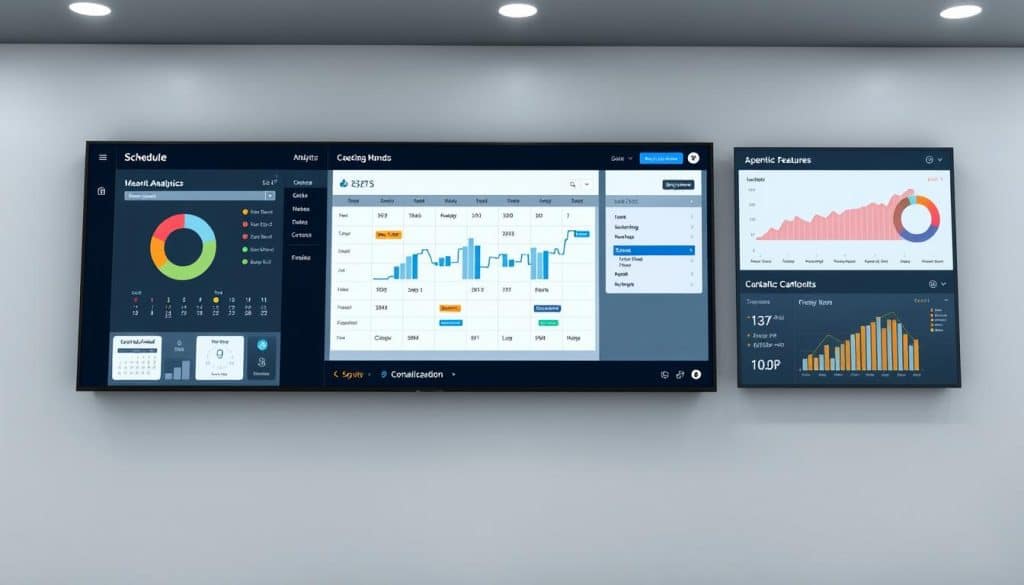
The CMS should be user-friendly, allowing for easy content creation, management, and distribution across the digital signage network. This enables us to keep our messaging fresh and relevant, engaging our audience effectively.
Network Connectivity and Maintenance Considerations
Reliable network connectivity is vital for ensuring that digital signage content is delivered smoothly and without interruption. We consider various connectivity options, including wired Ethernet, Wi-Fi, cellular, and hybrid solutions, depending on the location and requirements of the signage installation.
- Reliable network connectivity forms the backbone of effective digital signage operations.
- Content delivery networks (CDNs) optimize the distribution of large media files.
- Failover systems and offline content caching capabilities maintain advertising continuity.
- Remote monitoring tools provide proactive alerts about potential issues.
- Preventative maintenance schedules extend system lifespan and minimize costly repairs.
- Planning for future connectivity needs and technology upgrades ensures compatibility with emerging standards.
- Security considerations, including network encryption and regular software updates, protect digital signage systems.
By focusing on these aspects, we can build a digital signage infrastructure that is not only effective but also resilient and adaptable to future needs.
Content Strategies for Maximum Impact
To maximize the impact of digital signage, a well-thought-out content strategy is crucial. We need to consider how to engage our audience effectively and create a lasting impression. Effective digital signage is not just about displaying information; it’s about crafting an experience that resonates with viewers.
Creating Compelling Visual Content
The visual appeal of digital signage is paramount. High-quality images and videos can capture attention and convey messages more effectively than text alone. We should focus on creating content that is not only visually appealing but also relevant to our target audience. For instance, incorporating user-generated content can make the messaging more relatable and engaging.
Strategic Content Scheduling and Rotation
Strategic content scheduling is vital to keep the messaging fresh and relevant. By rotating content regularly, we can prevent viewer fatigue and maintain audience interest. This can be achieved through a content calendar that outlines what content will be displayed and when. Data-driven insights can help in determining the best times to display specific content for maximum impact.
Integrating Social Media and Interactive Elements
Integrating social media and interactive elements into digital signage can significantly enhance customer engagement. By using QR codes and NFC technologies, we can create seamless connections between digital signage and mobile devices, enabling deeper engagement with advertising content. For example, a campaign that encourages viewers to share their experiences on social media using a specific hashtag can be displayed on the digital signage, creating a sense of community.
| Content Strategy | Description | Benefits |
|---|---|---|
| Compelling Visual Content | High-quality images and videos | Captures attention, conveys messages effectively |
| Strategic Content Scheduling | Regular rotation of content | Prevents viewer fatigue, maintains interest |
| Social Media Integration | Incorporating social media elements | Enhances customer engagement, creates a sense of community |
By implementing these content strategies, we can maximize the impact of our digital signage and create a more engaging customer experience. For more insights on boosting your online presence through effective content strategies, visit our SEO content writing tips.
Conclusion: Maximizing Your Digital Signage Investment
The rise of digital signage is transforming the way businesses approach advertising, offering a dynamic and engaging way to connect with customers. As we embrace this technology, it’s essential to develop a strategy that balances technology investments, content quality, and ongoing optimization.
To maximize the effectiveness of digital signage, businesses must establish clear objectives and key performance indicators from the outset. This framework enables the evaluation of signage effectiveness and guides continuous improvement. Regular content refreshes and technology updates are also crucial to keep digital signage networks engaging and capable of supporting evolving advertising requirements.
For businesses in Qatar, digital signage represents not just an advertising channel but a statement of technological sophistication. By leveraging digital signage as a strategic marketing asset, businesses can create compelling experiences that drive meaningful outcomes. The scalable nature of signage allows businesses to start with focused implementations and expand their networks as they validate performance.
As competition intensifies, digital signage provides a powerful differentiation tool. Forward-thinking businesses are exploring emerging technologies like AI-powered content optimization and programmatic DOOH to further enhance their signage effectiveness. By investing in digital signage now, businesses can establish a competitive advantage that drives long-term business success.
In conclusion, a well-planned digital signage investment can yield significant returns for businesses. By adopting a strategic approach and staying ahead of the curve, companies can harness the full potential of digital signage to drive business growth and achieve their marketing objectives.
FAQ
What is the primary benefit of using digital displays for business marketing?
The primary benefit is the ability to display dynamic content that can be easily updated in real-time, allowing businesses to keep their messaging fresh and relevant to their target audience.
How do I measure the effectiveness of my digital signage campaign?
To measure effectiveness, we recommend tracking key metrics such as customer engagement, sales, and brand visibility, which can be monitored through data analytics tools integrated with your content management system.
Can I customize the content displayed on my digital screens?
Yes, we offer content management solutions that enable you to easily create, schedule, and deploy customized content across your network of displays, ensuring that your messaging is tailored to your specific marketing goals.
What are the key considerations when selecting hardware for my digital signage installation?
When selecting hardware, consider factors such as screen size, resolution, and connectivity options, as well as the overall visibility and impact of the display in its intended space.
How can I ensure that my digital signage is integrated with my overall marketing strategy?
To integrate your digital signage with your marketing strategy, we recommend aligning your content and messaging with your broader brand goals, and using data-driven insights to inform your marketing decisions.
What are the benefits of using programmatic advertising on digital signage?
Programmatic advertising on digital signage enables targeted messaging and real-time updates, allowing businesses to reach their desired audience more effectively and maximize their return on investment.