

Can your non-profit organization truly make a difference if it’s invisible online? In today’s digital landscape, having a robust online presence is crucial for non-profits to reach more donors, volunteers, and beneficiaries.
We explore how implementing effective search engine optimization strategies can significantly boost your organization’s online visibility. By understanding how search engines evaluate your website and optimizing your content, you can amplify your message and extend your reach.
Key Takeaways
- Understand the fundamentals of search engine algorithms and their impact on non-profit visibility.
- Learn how to optimize your website and content for better search engine rankings.
- Discover strategies to increase online presence and reach more stakeholders.
- Maximize your organization’s impact through targeted digital marketing.
- Enhance your non-profit’s online engagement and community involvement.
Understanding SEO for Non-Profit Organizations
SEO is not just a buzzword; it’s a strategic necessity for non-profits aiming to amplify their voice and reach a wider audience. As we explore the world of search engine optimization, it’s crucial to understand its fundamentals and how it can be a game-changer for non-profit organizations.
What is SEO and Why It Matters for Non-Profits
SEO stands for “Search Engine Optimization.” It’s the process of making changes to your website design and content to help it appear in search engines like Google, Yahoo, or Bing. This helps you get traffic from “organic” or “natural” search results. For non-profits, SEO is vital as it involves strategically optimizing website content and structure to improve visibility in organic search results, helping organizations connect with potential supporters searching for related causes.
How Search Engines Evaluate Non-Profit Websites
Understanding how search engines evaluate non-profit websites is crucial. They assess factors like content quality, user experience, mobile responsiveness, and the organization’s overall online authority and trustworthiness. This evaluation process is key to determining the relevance and ranking of a non-profit’s website in search results.
| Evaluation Factor | Description | Importance Level |
|---|---|---|
| Content Quality | Relevance, accuracy, and usefulness of the content. | High |
| User Experience | Ease of navigation, accessibility, and overall user satisfaction. | High |
| Mobile Responsiveness | How well the website adapts to different screen sizes and devices. | High |
| Online Authority | The credibility and trustworthiness of the organization online. | High |
The Search Journey of Potential Donors and Volunteers
The search journey of potential donors and volunteers typically begins with informational queries about causes they care about. Making it essential for non-profits to appear in these initial searches to capture interest early. By optimizing their online presence, non-profits can attract supporters who are actively searching for their cause.
By understanding and implementing SEO strategies, non-profits can significantly enhance their online visibility, attract more supporters, and ultimately drive their mission forward.
The Unique Benefits of SEO for Non-Profit Organizations
The power of SEO for non-profits lies in its ability to increase online visibility, drive traffic, and attract potential donors and volunteers. By optimizing their online presence for search, non-profit organizations can reach a wider audience and achieve their goals more effectively.
Increasing Visibility and Awareness for Your Cause
Implementing strategic SEO creates a sustainable channel for increasing visibility and awareness without the ongoing costs associated with paid advertising campaigns. Effective search optimization helps your organization appear in results when potential donors are actively searching for causes to support.

Attracting Donors and Volunteers Through Search
By appearing prominently in search results for cause-related queries, your organization can connect with motivated individuals at the perfect moment in their decision-making process. This not only drives traffic to your website but also increases the likelihood of securing donations and engaging volunteers.
Building Credibility and Trust in Qatar and Beyond
In Qatar’s competitive philanthropic landscape, strong SEO positioning builds credibility and trust by signaling to potential supporters that your organization is established, relevant, and worthy of their attention. This enhanced online presence allows your non-profit to expand its impact both locally and internationally.
By leveraging SEO, non-profits can achieve long-term benefits that continue to drive traffic, awareness, and potential donations over time. This strategic approach to online presence is crucial for the success and growth of non-profit organizations in today’s digital age.
Essential SEO Ranking Factors for Non-Profits in 2023
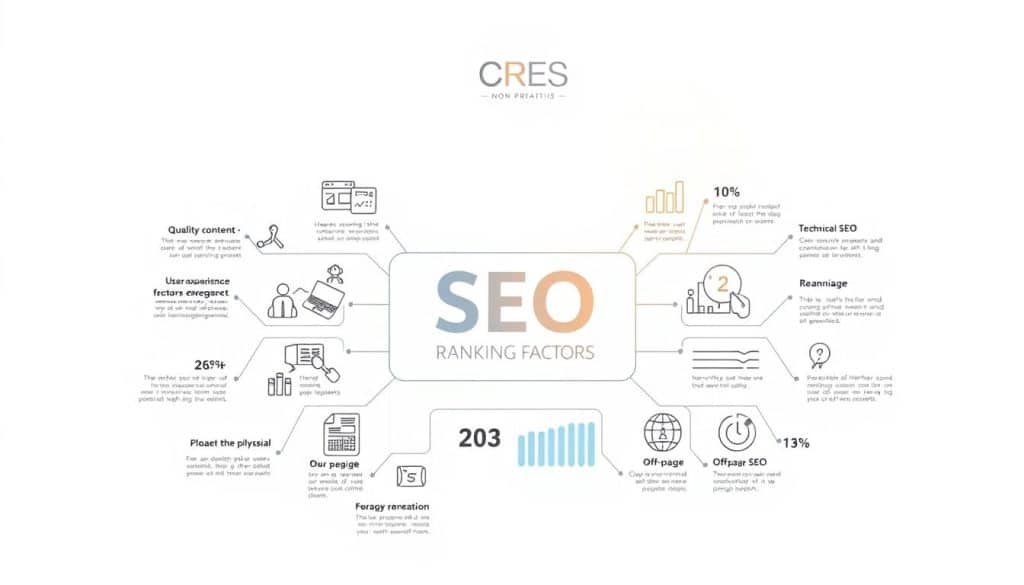
As we navigate the digital landscape in 2023, understanding the essential SEO ranking factors becomes crucial for non-profit organizations aiming to maximize their online impact. The digital visibility of non-profits is significantly influenced by how well their websites are optimized for search engines.
Content Quality and Relevance
Content quality remains the foundation of effective SEO for non-profits. Search engines prioritize comprehensive, accurate, and mission-aligned content that genuinely serves user needs. To achieve this, non-profits should focus on creating in-depth, high-quality content that addresses the needs of their audience.
| Content Aspect | Description | Importance Level |
|---|---|---|
| Comprehensiveness | Covers the topic thoroughly | High |
| Accuracy | Provides correct and up-to-date information | High |
| Mission Alignment | Aligns with the non-profit’s mission and goals | Medium |
User Experience and Page Speed
User experience metrics have become increasingly important ranking factors, with page speed, intuitive navigation, and engagement metrics directly impacting how search engines evaluate a website’s value to visitors. Ensuring a seamless user experience is crucial for retaining visitors and improving search engine rankings.
Mobile Optimization
Mobile optimization is no longer optional; Google’s mobile-first indexing means a site’s mobile experience is the primary factor in determining rankings. A responsive design is essential for non-profit organizations to ensure their website is accessible and user-friendly across various devices.
E-E-A-T (Experience, Expertise, Authoritativeness, Trustworthiness)
The E-E-A-T framework has special significance for non-profits, as demonstrating credibility in their cause area directly influences search visibility. For organizations addressing sensitive social issues, establishing trustworthiness and expertise is particularly crucial.
To learn more about enhancing your online presence through effective SEO strategies, visit our page on SEO Mastery: Elevate Your Online Presence.
Keyword Research Strategies for Non-Profit Organizations

Non-profit organizations can significantly improve their online presence by leveraging well-informed keyword research strategies. Effective keyword research is the backbone of a successful SEO campaign, enabling non-profits to understand what potential supporters are searching for online.
Identifying Mission-Relevant Keywords
The first step in any keyword research strategy is to identify terms that are relevant to your mission and cause. This involves brainstorming a list of keywords that potential donors, volunteers, and supporters might use when searching for organizations like yours.
Understanding Search Intent for Your Cause
Understanding search intent is crucial. It’s not just about attracting traffic; it’s about attracting the right kind of traffic. Distinguishing between informational, navigational, and transactional queries helps tailor your content to meet the needs of your audience.
Tools for Effective Keyword Research
Leveraging the right keyword research tools can provide valuable insights into search volume and competition. Tools like Google Keyword Planner, Ahrefs, SEMrush, and Ubersuggest are invaluable for discovering relevant keywords and phrases. For instance, you can use expert SEO services to optimize your keyword strategy.
Qatar-Specific Keyword Considerations
For non-profits operating in Qatar, it’s essential to consider local search patterns and cultural nuances. Incorporating Arabic terms alongside English can maximize regional visibility. Long-tail keywords, which are longer and more specific phrases, often present the best opportunities as they have lower competition and attract highly engaged visitors.
By balancing aspirational keywords with attainable ones, non-profits can create a comprehensive SEO strategy. Seasonal and event-based keyword research also helps capitalize on timely opportunities when search interest in certain cause-related topics naturally increases.
Implementing SEO for Non-Profit Organizations
Implementing SEO for non-profit organizations requires a strategic approach that balances immediate optimization needs with long-term content development. As we explore the implementation of SEO strategies, it’s essential to understand that a successful SEO strategy is crucial for non-profits to enhance their online presence and achieve their goals.
Creating a Sustainable SEO Strategy
Creating a sustainable SEO strategy involves several key considerations. We must balance short-term optimization needs with long-term content development goals. This approach ensures consistent progress despite limited resources. A sustainable SEO strategy should focus on:
- Identifying high-potential keywords and phrases that align with our mission and target audience.
- Developing a content calendar that balances timely, seasonal content with evergreen resources.
- Optimizing existing content to improve search engine rankings and drive organic traffic.
Optimizing Existing Content
Optimizing existing content often yields the quickest results. We recommend conducting a content audit to identify high-potential pages and updating them with improved keywords, headings, meta descriptions, and internal linking. This can significantly boost our search engine rankings and drive more traffic to our website.
When optimizing existing content, we should focus on:
- Improving the relevance and quality of our content to better address the needs of our target audience.
- Enhancing the user experience by ensuring that our content is easily accessible and navigable.
- Using SEO optimization techniques to improve our search engine rankings and drive more traffic to our website.
Developing New Mission-Driven Content
Developing new mission-driven content is essential for non-profits to showcase their unique perspective and impact. We should focus on creating content that addresses the specific questions and needs of our target audiences while naturally incorporating relevant keywords. This approach not only enhances our search engine rankings but also helps to establish our organization as a thought leader in our field.
Educational and Statistical Content Opportunities
Educational and statistical content presents exceptional opportunities for non-profits to demonstrate expertise while targeting valuable keywords. Comprehensive guides, research findings, and data visualizations often attract both organic traffic and quality backlinks. By creating high-quality, informative content, we can establish our organization as a trusted resource and improve our online visibility.
By implementing these strategies, non-profit organizations can improve their online presence, drive more traffic to their website, and ultimately achieve their mission. A well-planned SEO strategy is essential for non-profits to maximize their impact and reach their target audience.
Technical SEO Essentials for Non-Profits

For non-profit organizations, having a technically sound website is crucial for search engine visibility and user experience. A well-structured website not only improves search engine rankings but also enhances the overall user experience, driving more donations and volunteer engagements.
Website Health and Structure
A well-organized website structure is vital for both users and search engines. It facilitates easy navigation and helps search engines understand the site’s hierarchy and content relevance. Technical SEO fundamentals form the foundation of search visibility for non-profit organizations, starting with proper website health and structure that enables search engines to efficiently crawl and index your content.
Mobile Responsiveness
With Google’s mobile-first indexing, having a mobile-responsive website is no longer optional. Your site must provide an excellent experience on smartphones and tablets, including touch-friendly navigation, readable text without zooming, and properly sized tap targets. Mobile optimization takes into account site design, site structure, page speed, and more.
Page Speed Optimization
Page speed optimization directly impacts both search rankings and user experience. Research shows that 53% of mobile visitors abandon sites that take longer than three seconds to load. To improve page speed, implement image compression, browser caching, and consider using a Content Delivery Network (CDN) like Cloudflare. For WordPress users, plugins like Shortpixel or Smush can be effective.
Secure Websites (HTTPS)
Secure websites using HTTPS encryption not only protect user data but also receive a ranking boost from Google. For non-profits handling donation information or personal details, this technical upgrade is essential. Ensuring your website is secure is a critical aspect of SEO and user trust.
Regular technical SEO audits using tools like Google Search Console, Screaming Frog, or Ahrefs can identify critical issues like broken links, duplicate content, or crawl errors before they significantly impact your search visibility. For more information on SEO and its importance for non-profits, visit https://digitalserviceslab.com.au/what-is-seo-and-why-is-it-important-for-non-profits/. To launch your website with the best SEO strategy, consider visiting https://oldy2.cres.vip/we-help-you-launch-with-best-seo-strategy-for-new-website/.
Building Authority Through Strategic Link Building
Strategic link building is a powerful tool for non-profits to increase their online visibility and credibility. By earning high-quality backlinks from trusted websites, non-profits can significantly improve their search engine rankings and drive more traffic to their website.
Earning Quality Backlinks
Earning quality backlinks starts with creating link-worthy content—comprehensive resources, original research, compelling impact stories, and visual assets that naturally attract citations from other websites in your sector. Producing great content that others will naturally want to link to is a crucial step in building authority.
Guest Blogging Opportunities
Guest blogging opportunities allow non-profit professionals to share expertise on relevant platforms while earning valuable backlinks. Focus on publications that reach your target audiences and maintain high editorial standards. For example, writing a guest post on a reputable site like CPA Website SEO can help you gain backlinks and increase your online presence.
Leveraging Partnerships and Sponsors
Leveraging existing partnerships and sponsors represents an often-overlooked link building opportunity. Create formal processes to ensure your corporate partners, event sponsors, and collaborative organizations link to your website. This can be achieved by asking them to include a link to your website in their newsletters or press releases.
Finding Unlinked Mentions of Your Organization
Finding and reclaiming unlinked mentions of your organization can yield quick wins. Use monitoring tools to identify when your non-profit is mentioned without a link, then politely request the addition of a hyperlink to your website.
| Link Building Strategy | Description | Benefits |
|---|---|---|
| Earning Quality Backlinks | Create link-worthy content | Improved search engine rankings |
| Guest Blogging | Share expertise on relevant platforms | Increased online presence |
| Leveraging Partnerships | Collaborate with corporate partners and sponsors | Enhanced credibility |
By implementing these link building strategies, non-profits can build authority, increase their online visibility, and drive more traffic to their website. Focus on creating high-quality content and leveraging partnerships to earn valuable backlinks.
International and Local SEO for Non-Profits
In the diverse landscape of Qatar, non-profit organizations can significantly benefit from tailored SEO strategies that address both local and global audiences. As the digital landscape continues to evolve, understanding the importance of international and local SEO is crucial for non-profits aiming to expand their reach and impact.
Multilingual Content Strategies
For non-profits operating in Qatar, multilingual content strategies are essential due to the country’s diverse population. Implementing proper hreflang tags and creating culturally relevant content in both Arabic and English can significantly improve visibility across different language preferences. Accurate translations are also crucial to ensure that the message is conveyed effectively without losing its intended meaning.
- Develop content that caters to the linguistic diversity of your audience.
- Use hreflang tags to specify the language and geographical targeting of your content.
- Ensure that translations are accurate and culturally relevant.
Google Business Profile Optimization
Optimizing your Google Business Profile is a critical step for non-profits with physical locations. A complete profile with accurate information, photos, and regular posts can significantly increase local visibility, making it easier for potential supporters to find and engage with your organization.
“A well-optimized Google Business Profile can be the difference between being discovered by potential supporters and being overlooked.” – SEO Expert
Local Keyword Targeting in Qatar
Local keyword targeting involves incorporating region-specific terms, neighborhood names, and local issues relevant to your cause. With the rise of “near me” searches, optimizing for local keywords has become increasingly important for non-profits looking to attract local supporters.
- Research and incorporate local keywords that are relevant to your cause.
- Use tools like Google Keyword Planner to identify popular search terms.
- Optimize your website’s content with these local keywords.
Establishing a Google Knowledge Panel
Creating a Google Knowledge Panel for your non-profit organization can establish an authoritative presence in search results. This panel displays key information directly in the search engine results page (SERP), enhancing credibility with potential supporters.
By focusing on both international and local SEO strategies, non-profits in Qatar can effectively reach a wider audience, increase their online visibility, and ultimately drive more support for their causes.
Measuring and Reporting SEO Success for Non-Profits

Tracking the right metrics is essential for evaluating the success of your SEO strategy. To effectively measure SEO performance, non-profits should focus on a combination of technical metrics and mission-oriented outcomes.
Key Metrics to Track
Key metrics include organic traffic growth, keyword rankings for mission-critical terms, conversion rates for donation and volunteer sign-ups, and engagement metrics that indicate content resonance with your audience.
Tools for Monitoring Performance
Tools range from free options like Google Search Console and Google Analytics to comprehensive platforms like SEMrush, Ahrefs, or Moz, providing insights into competitive positioning and opportunities.
Connecting SEO to Organizational Goals
It’s essential to create custom reporting dashboards that demonstrate how improved search visibility translates to tangible outcomes, such as increased donations, volunteer applications, or program participation.
Conclusion
As we conclude our exploration of SEO for non-profit organizations, it’s clear that a well-implemented SEO strategy can significantly amplify your organization’s digital presence. The most successful non-profits balance technical optimization with compelling content creation, building a foundation that attracts both search engines and the people you aim to serve.
Measuring SEO success goes beyond rankings and traffic to include meaningful conversions that advance your organization’s goals, whether that’s increased donations, volunteer sign-ups, or greater awareness of your cause. By implementing the strategies outlined in this guide, your non-profit organization can maximize its digital impact, reaching more supporters and beneficiaries through improved search visibility.
To further enhance your SEO efforts, consider integrating your strategy with other digital marketing channels, such as social media and email marketing, to create a cohesive approach that amplifies your organization’s voice and impact. For more insights on creating effective digital solutions, visit our page on SEO website design solutions.
By adopting these SEO best practices and staying focused on your mission, you can ensure a strong online presence that supports your organization’s goals and fosters long-term success.
FAQ
What is the primary goal of SEO for non-profits?
The primary goal is to increase online visibility, drive more traffic to the website, and ultimately boost donations and volunteer engagement.
How do search engines evaluate non-profit websites?
Search engines assess non-profit websites based on factors like content quality, user experience, page speed, mobile optimization, and E-E-A-T (Experience, Expertise, Authoritativeness, Trustworthiness).
What are some effective keyword research strategies for non-profits?
Non-profits can identify mission-relevant keywords, understand search intent, and leverage tools like Google Keyword Planner to inform their keyword research.
How can non-profits optimize their existing content for SEO?
Non-profits can optimize existing content by refining meta tags, optimizing images, internal linking, and ensuring content is high-quality, relevant, and up-to-date.
What is the importance of link building for non-profits?
Link building helps non-profits build authority, increase credibility, and improve search engine rankings by earning quality backlinks from relevant sources.
How can non-profits measure the success of their SEO efforts?
Non-profits can track key metrics like website traffic, search engine rankings, and conversion rates to measure the success of their SEO efforts and connect them to organizational goals.
What role does user experience play in SEO for non-profits?
User experience is crucial, as search engines prioritize websites that provide a positive, intuitive experience for users, including factors like page speed and mobile responsiveness.
Can non-profits benefit from international SEO strategies?
Yes, non-profits can benefit from international SEO by targeting specific languages, regions, and keywords to reach a broader audience and expand their global impact.