

In today’s digital landscape, having a well-planned SEO strategy is crucial for businesses aiming to enhance their online presence and drive sustainable growth. But, are you leveraging the most out of your SEO strategy?
As search engines continue to evolve, a robust SEO plan is no longer a luxury, but a necessity. It involves a multi-faceted approach, including keyword research, on-page optimization, technical SEO, and link building, all aimed at improving your website’s visibility and attracting more organic traffic.
Key Takeaways
- Understand the importance of a structured SEO strategy for business growth.
- Learn how to break down complex SEO concepts into actionable steps.
- Discover the role of keyword research and on-page optimization in SEO.
- Explore technical SEO and link building strategies for measurable results.
- Gain insights into transforming your digital presence through effective SEO.
Understanding the SEO Landscape in 2023
In the ever-evolving digital landscape of 2023, understanding the SEO landscape is crucial for businesses aiming to thrive online. The digital marketplace has become increasingly competitive, with 61% of marketers believing that SEO is the key to online success, according to Safari Digital. This belief is reflected in the average allocation of 41% of the marketing budget to SEO by modern businesses.

The current SEO landscape is characterized by several key factors. The evolution of search engine algorithms has made it essential for businesses to stay updated with the latest trends and best practices.
The Evolution of Search Engine Algorithms
Search engine algorithms have become increasingly sophisticated, prioritizing user experience and relevance. This evolution has led to a shift from keyword stuffing to more nuanced strategies that focus on quality content and user intent. Businesses in Qatar must adapt to these changes to remain competitive.
Why SEO Matters More Than Ever for Businesses in Qatar
Qatar’s digital marketplace has experienced unprecedented growth, driven by high internet penetration rates (99%) and smartphone usage. This environment makes SEO a critical component of business visibility. Key trends include:
- Increasing competition from regional and international companies targeting the Qatari market through digital channels.
- Accelerated digital adoption post-pandemic, making SEO crucial for business success.
- Businesses implementing effective SEO strategies are capturing market share from competitors relying on traditional marketing approaches.
By understanding the SEO landscape and adapting to its changes, businesses in Qatar can enhance their online presence and drive growth.
The Fundamentals of an Effective SEO Strategy
To succeed in the ever-evolving SEO landscape, businesses must establish a solid foundation for their SEO strategies. This involves understanding the core elements that drive SEO performance and aligning them with overall business objectives.
Setting Clear SEO Goals and Objectives
Setting clear SEO goals is crucial for measuring results. We recommend establishing specific, measurable objectives that align with your business needs, such as increasing organic traffic or improving keyword rankings. By doing so, you can focus your SEO efforts on achieving tangible outcomes.
Aligning SEO with Your Overall Business Strategy
Effective SEO is not a standalone activity; it must be integrated with your overall business strategy. We help businesses align their SEO efforts with their broader goals, ensuring that SEO initiatives drive meaningful results. This alignment enables companies to maximize their online visibility and achieve sustainable growth.
Measuring SEO Success: Key Performance Indicators
To measure SEO success, businesses must track the right metrics and analyze data. Essential SEO metrics include organic traffic, keyword rankings, backlink profile quality, page load speed, bounce rate, and conversion rates. By monitoring these indicators, companies can refine their SEO strategies and improve overall performance. We recommend creating custom dashboards that combine SEO metrics with business performance data to gain actionable insights.
Comprehensive Keyword Research Techniques
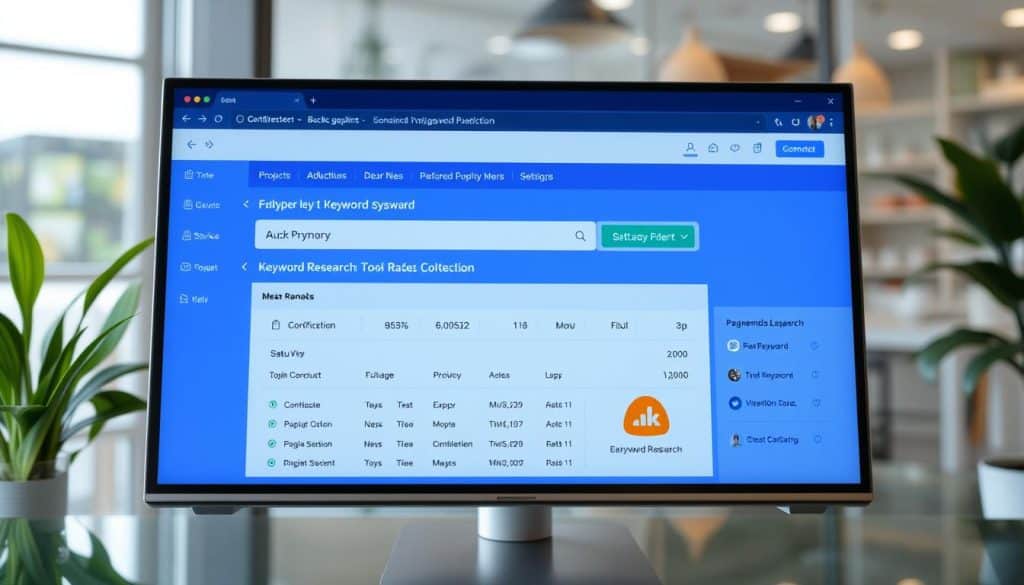
Effective keyword research is the backbone of any successful SEO strategy, enabling businesses to understand their audience and tailor their content accordingly. By identifying the right keywords, businesses can significantly improve their search engine rankings and drive more qualified traffic to their websites.
Identifying High-Value Keywords for Your Industry
Identifying high-value keywords requires a deep understanding of your industry, target audience, and competitors. We analyze market trends, consumer behavior, and competitor strategies to pinpoint keywords that offer the highest potential for ROI. Long-tail keywords, in particular, are valuable as they are less competitive and more specific, often leading to higher conversion rates.
Understanding Search Intent Behind Keywords
Understanding the search intent behind keywords is crucial for creating content that resonates with your audience. It’s not just about what people are searching for, but why they’re searching for it. By aligning your content with the search intent, you can improve user engagement and increase the likelihood of converting visitors into customers.
Long-Tail Keywords: The Hidden Gems of SEO
Long-tail keywords are specific phrases with lower search volumes that are less competitive than broader terms. However, they offer higher conversion potential because they are more targeted. As noted, “longer keywords (known as ‘long tail keywords’) tend to be less competitive than ‘short tail’ terms. So even though long tails have relatively low search volume levels, they’re much easier to rank for.” Key benefits of long-tail keywords include:
– Representing specific search phrases with lower search volume but higher conversion potential.
– Driving more qualified traffic with clearer purchase intent than broader head terms.
– Offering cumulative traffic that often exceeds what can be achieved from highly competitive short-tail terms.
– Being particularly effective for new websites or those in highly competitive industries.
– Enabling advanced content strategies that capture traffic across the entire topic ecosystem.
For a more detailed guide on implementing SEO strategies, you can refer to our comprehensive guide on how to do SEO for a website.
On-Page SEO Optimization Essentials
To achieve digital excellence, it’s essential to master the fundamentals of on-page SEO optimization, including title tags, meta descriptions, and image optimization. On-page SEO is a critical component of any successful digital marketing strategy, as it directly impacts how search engines crawl, index, and rank your website.
Crafting SEO-Friendly Title Tags and Meta Descriptions
Crafting SEO-friendly title tags and meta descriptions is a crucial step in on-page SEO optimization. Title tags should be concise, descriptive, and include the primary keyword, while meta descriptions should provide a compelling summary of the page’s content, enticing users to click through from search engine results. For expert tips on optimizing your website title, visit our guide on optimizing website titles.
- Ensure title tags are under 60 characters to avoid truncation in search results.
- Use meta descriptions to include a call-to-action, improving click-through rates.
Optimizing Header Tags and Content Structure
Optimizing header tags (H1, H2, H3, etc.) is vital for structuring your content in a way that’s easily digestible by both users and search engines. Header tags help to highlight key points and organize content, improving readability and SEO.
- Use H1 tags for the main title and H2/H3 tags for subheadings.
- Structure content with a logical hierarchy, enhancing user experience.
Image Optimization for Better Search Visibility
Image optimization plays a significant role in enhancing search visibility and user experience. By optimizing images, businesses can improve page load times and increase the chances of appearing in image search results.

- Use descriptive file names and alt text that include target keywords.
- Compress images to reduce file size without compromising quality, improving page speed.
By implementing these on-page SEO optimization essentials, businesses in Qatar can significantly enhance their online presence, driving more traffic and improving search engine rankings.
Creating High-Quality Content That Ranks
High-quality content is the cornerstone of effective SEO strategies, driving both user engagement and search engine rankings. To achieve this, it’s essential to understand the balance between creating content for users and optimizing it for search engines.
The most successful content strategies find the optimal balance between SEO requirements and exceptional user experience. This balance is crucial because content that prioritizes user needs while strategically incorporating SEO elements consistently outperforms content that overemphasizes either aspect.
The Skyscraper Technique: Building Superior Content
The Skyscraper Technique involves creating content that surpasses existing top-ranking content in terms of quality, comprehensiveness, and value. By doing so, you’re more likely to attract high-quality backlinks and shares, which are critical for improving your content’s visibility in search engine results.
Content Formats That Drive Engagement and Rankings
Different content formats can significantly impact both user engagement and SEO. Formats such as in-depth guides, infographics, and videos not only cater to diverse user preferences but also increase the likelihood of your content being shared and linked to, thereby enhancing its ranking potential.
Balancing SEO Requirements with User Experience
Key user experience factors that impact SEO include readability, content organization, page speed, and intuitive navigation. Ensuring that your content is easily accessible, readable, and navigable is crucial. For instance, avoiding overly distracting ads or interstitial pages that hinder user experience is vital, as these can negatively impact your site’s ranking. Check out our SEO strategy for more insights.
To illustrate the importance of balancing SEO with user experience, consider the following table that highlights key factors and their impact on both aspects:
| Factor | Impact on SEO | Impact on User Experience |
|---|---|---|
| Readability | Improves content comprehension by search engines | Enhances user engagement and reduces bounce rates |
| Content Organization | Facilitates search engine crawling and indexing | Helps users quickly find relevant information |
| Page Speed | Directly influences search engine rankings | Reduces user frustration and improves overall satisfaction |

Technical SEO: Building a Solid Foundation
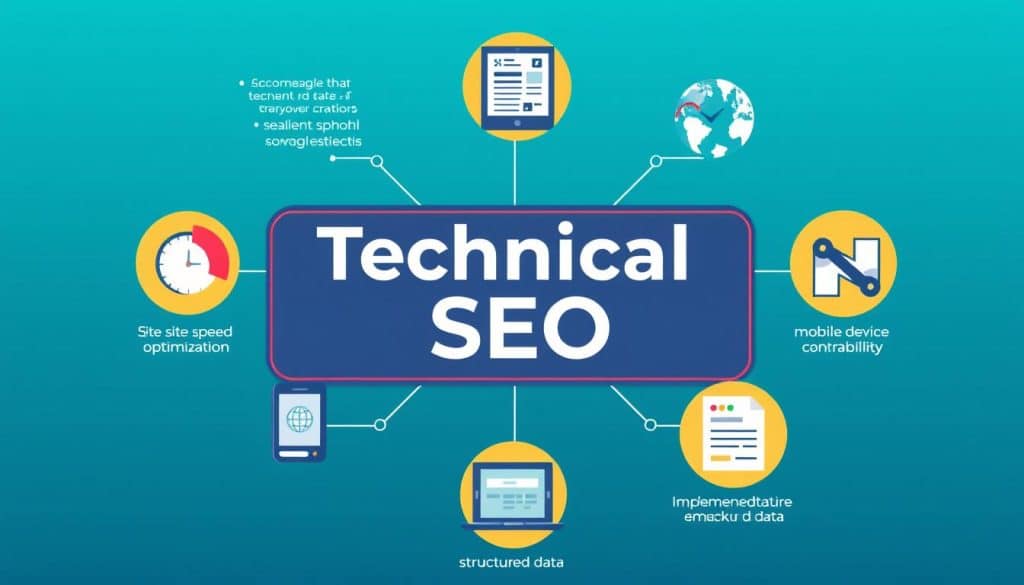
In the realm of digital marketing, technical SEO serves as the foundation upon which all other SEO efforts are built. It encompasses various elements that help search engines understand, crawl, and index a website’s content more effectively.
Site Speed Optimization Techniques
Site speed is a critical factor in user experience and search engine rankings. Techniques such as compressing images, leveraging browser caching, and minifying CSS and JavaScript files can significantly improve a website’s loading speed. We recommend using tools like Google PageSpeed Insights to identify areas for improvement and implement data-driven optimizations.
Mobile-First Indexing: Ensuring Mobile Compatibility
With the majority of searches now conducted on mobile devices, ensuring that your website is mobile-friendly is paramount. This involves responsive design, easy navigation, and fast loading speeds on mobile. Google’s mobile-first indexing means that the mobile version of your site is considered the primary version, making mobile compatibility crucial for SEO success.
Structured Data and Schema Markup Implementation
Structured data helps search engines understand the context of your content, enabling rich results that improve visibility and click-through rates. Schema markup is a form of structured data that provides additional information about your content to search engines. By implementing schema markup, you can enhance your website’s appearance in search results on Google, driving more traffic to your site.
- Structured data helps search engines understand your content context, enabling rich results that improve visibility and click-through rates.
- We’ll walk you through the most valuable schema types for different business categories, from local businesses to e-commerce sites.
- Implementing structured data requires attention to detail but offers significant competitive advantages in search result presentation.
Effective SEO Strategies for Link Building
Effective link building remains a cornerstone of successful SEO strategies, particularly for businesses operating in specific geographic markets like Qatar. As we explore the nuances of link building, it’s essential to understand that the approach has evolved significantly, with a greater emphasis on quality and relevance.
Quality vs. Quantity: The Modern Approach to Backlinks
The modern SEO landscape has shifted from quantity to quality when it comes to backlinks.High-quality backlinksfrom authoritative and relevant sources are now more valuable than ever. We prioritize links from domains that are topically relevant to our business, as these carry more weight in search engine algorithms. For instance, a link from a reputable industry publication is far more beneficial than multiple links from low-quality directories.
Guest Blogging and Digital PR Strategies
Guest blogging and digital PR strategies have emerged as effective tactics for acquiring high-quality backlinks. By creating valuable, informative content for other reputable websites, we not only gain backlinks but also establish our brand as a thought leader in the industry. We focus on publications that cater to our target audience, ensuring that our content reaches the right people. Moreover, digital PR strategies help us secure coverage in major media outlets, further enhancing our online presence. For more insights on creating a robust online presence, visit our page oncreating a website with good SEO.
Leveraging Local Partnerships for Regional Authority
Local partnerships provide a unique opportunity for businesses to buildregional authority. By collaborating with local businesses, industry associations, and community organizations, we can acquire backlinks from sources that are both relevant and authoritative. This approach not only enhances our local SEO efforts but also fosters meaningful relationships within the community. For example, sponsoring local events or participating in industry conferences can lead to natural link building opportunities.

| Local Partnership Opportunities | SEO Benefits | Business Impact |
|---|---|---|
| Industry Associations | High-quality backlinks, Local relevance | Increased industry credibility |
| Chambers of Commerce | Local citation, Authority building | Enhanced local visibility |
| Community Events | Natural link building, Brand awareness | Community engagement |
By focusing on these strategies, we can build a robust link building campaign that not only improves our SEO standings but also contributes to our overall business objectives in Qatar.
Local SEO Tactics for Qatar-Based Businesses
To succeed in Qatar’s digital landscape, businesses must prioritize local SEO tactics that cater to the unique needs of the local audience. Effective local SEO strategies enable companies to increase their online visibility, drive more foot traffic, and ultimately boost sales within the Qatari market.
Google Business Profile Optimization
Optimizing your Google Business Profile is a fundamental step in local SEO. We ensure that your business listing is accurate, up-to-date, and fully optimized with relevant categories, high-quality images, and compelling descriptions. This not only improves your visibility in local search results but also enhances the user experience for potential customers. By claiming and optimizing your Google Business Profile, you can significantly improve your local search rankings.
Local Citation Building and Management
Local citations play a crucial role in verifying the legitimacy and relevance of your business to search engines. We focus on building high-quality citations on reputable local directories and managing existing ones to ensure consistency and accuracy across the web. This process involves identifying relevant citation sources, creating consistent listings, and regularly monitoring and updating these citations to maintain their effectiveness.
Geo-Targeted Content Creation Strategies
Geo-targeted content creation involves developing content that is specifically designed to attract and engage local audiences in Qatar. By creating content that addresses local events, news, and trends, businesses can demonstrate their community involvement and create natural opportunities for location keywords. We explore different content approaches that effectively incorporate location signals without feeling forced or unnatural, ensuring that your content resonates with the local audience.
| Local SEO Tactic | Description | Benefit |
|---|---|---|
| Google Business Profile Optimization | Claiming and optimizing your Google Business Profile | Improved local search visibility |
| Local Citation Building | Creating and managing local citations | Enhanced business legitimacy |
| Geo-Targeted Content | Creating content for local audiences | Increased local engagement |
By implementing these local SEO tactics, Qatar-based businesses can improve their online presence, attract more local customers, and drive business growth. For more information on how to enhance your SEO strategy, visit our page on expert professional SEO services for small businesses near.
E-Commerce SEO Strategies That Convert

The key to e-commerce success lies in understanding and implementing robust SEO strategies. In the competitive online marketplace, effective e-commerce SEO is crucial for increasing visibility, driving traffic, and ultimately, boosting conversion rates.
Product Page Optimization Best Practices
Optimizing product pages is essential for e-commerce SEO. This includes using unique and descriptive product titles, writing detailed product descriptions, and optimizing product images. By implementing these best practices, businesses can improve their product page rankings and drive more sales.
Category Page SEO Techniques
Category pages play a vital role in e-commerce SEO. To optimize category pages, businesses should use relevant and descriptive category titles, ensure proper category page structure, and use internal linking to help search engines understand the site hierarchy. For more information on maximizing online visibility, check out SEO services for e-commerce websites.
Managing Duplicate Content Issues in E-Commerce
Duplicate content is a common issue in e-commerce, particularly with product variations and filtered navigation. To manage duplicate content, businesses can use canonical tags to specify the preferred version of a page, implement parameter handling to avoid duplicate content issues, and use meta robots directives to control indexing. By addressing duplicate content, e-commerce businesses can improve their site’s crawl efficiency and search engine rankings.
Measuring and Analyzing Your SEO Performance
Measuring and analyzing SEO performance is key to driving business growth. To stay competitive, it’s essential to understand how your website is performing in search engine rankings and identify areas for improvement.
Essential SEO Metrics to Track
To effectively measure SEO performance, we need to track key metrics that provide insights into our website’s visibility, user engagement, and conversion rates. Organic traffic, keyword rankings, and bounce rates are crucial indicators of our SEO success.
Using Google Analytics and Search Console Effectively
Google Analytics and Search Console are powerful tools that help us understand our website’s performance. By leveraging these tools, we can gain valuable insights into user behavior, track our keyword rankings, and identify technical issues that may be impacting our site’s visibility.
Conducting Regular SEO Audits
Conducting regular SEO audits involves systematically reviewing our website’s technical health, content quality, and backlink profile to identify opportunities for improvement. Regular SEO audits help us detect site issues and address them before they negatively impact our search engine rankings.
By implementing these strategies, we can ensure our website remains optimized for search engines, driving more traffic and conversions. Regular audits and performance tracking enable us to stay ahead of the competition and achieve our digital excellence goals.
Adapting to SEO Algorithm Updates
As search engines continue to evolve, adapting to SEO algorithm updates is crucial for maintaining digital excellence. The ever-changing landscape of search engine algorithms requires businesses to stay agile and adapt their SEO strategy to maintain visibility and relevance.
To navigate these changes effectively, it’s essential to understand the underlying principles driving these updates. Google’s core updates, in particular, have a significant impact on search rankings and require a proactive approach to stay ahead.
Staying Informed About Google’s Core Updates
Staying informed about Google’s core updates is vital for any business relying on search engine visibility. We recommend regularly checking reputable sources and industry updates to stay abreast of the latest changes. For more insights on adapting to these updates, visit Surfer SEO’s blog on adapting to Google algorithm. Some key aspects to focus on include:
- Understanding the purpose and impact of core updates on search rankings
- Analyzing the changes and adjusting your SEO strategy accordingly
- Monitoring your website’s performance and making necessary adjustments
Future-Proofing Your SEO Strategy
Future-proofing your SEO strategy involves focusing on sustainable practices that align with the long-term direction of search engines rather than short-term tactics. This includes:
- Building strategies around user value, expertise, and authentic authority
- Diversifying traffic sources and conversion paths to reduce vulnerability to algorithm-specific disruptions
- Developing an SEO strategy that balances current performance with long-term sustainability and growth potential
By adopting these practices, businesses can create a robust strategy that not only withstands algorithm updates but also thrives in the evolving digital landscape.
Common SEO Mistakes to Avoid
In the ever-evolving landscape of search engine optimization, understanding what not to do is just as important as knowing what to do. As we navigate the complex world of SEO, it’s essential to identify and avoid common pitfalls that can hinder your online presence and undermine your SEO strategy.
Keyword Stuffing and Other Outdated Practices
One of the most significant SEO mistakes is keyword stuffing, a practice that was once common but is now considered spammy by search engines. This outdated technique involves excessively using keywords in your content, meta tags, or alt tags, hoping to manipulate rankings. Instead, focus on creating high-quality, keyword-rich content that reads naturally and provides value to your audience.
Ignoring Mobile and Page Speed Optimization
With the majority of searches now conducted on mobile devices, ignoring mobile optimization is a critical mistake. Ensure your website is mobile-friendly and loads quickly, as page speed is a confirmed ranking factor. A slow website can lead to higher bounce rates and lower search engine rankings. Use tools like Google PageSpeed Insights to identify areas for improvement and optimize your site accordingly.
Neglecting Content Quality for Quick Wins
Prioritizing quick wins over content quality can lead to temporary gains at the expense of sustainable search performance. Content quality is both a ranking factor and a driver of engagement metrics and natural link attraction. To achieve long-term success, balance the need for efficient content production with the quality standards required for sustainable search performance. Avoid tactics like duplicating content or producing thin, low-value content, as these can eventually trigger ranking declines.
| Common SEO Mistakes | Impact on SEO | Recommended Action |
|---|---|---|
| Keyword Stuffing | Penalties, lower rankings | Create natural, keyword-rich content |
| Ignoring Mobile Optimization | Lower rankings, higher bounce rates | Ensure mobile-friendliness and fast loading speeds |
| Neglecting Content Quality | Ranking declines, lower engagement | Focus on high-quality, engaging content |
Conclusion: Implementing Your SEO Strategy for Long-Term Success
In the competitive digital marketplace of Qatar, a well-crafted SEO strategy is no longer a luxury, but a necessity for businesses seeking to thrive online.
To achieve long-term success, it’s essential to balance immediate actions with a long-term vision and consistent execution. We’ve outlined a comprehensive approach that addresses all critical aspects of modern SEO, from technical foundation to content strategy and link building.
By integrating SEO into your broader digital marketing and business strategy, you can create synergies that amplify results across all channels. This includes offline promotion, such as listing your website URL on business cards, letterhead, and posters, as well as sending recurring newsletters to your audience.
By following the strategies outlined in this guide, you’ll be able to implementing a sustainable approach to search visibility that drives meaningful business growth for years to come.
FAQ
What is the primary goal of search engine optimization?
The primary goal of search engine optimization is to increase the quality and quantity of website traffic by ranking higher in search engines for specific keywords or phrases, thereby driving revenue growth through digital excellence.
How often should I conduct keyword research for my SEO strategy?
We recommend conducting keyword research regularly, ideally every 3-6 months, to stay up-to-date with the latest trends and adjust your SEO strategy accordingly, ensuring alignment with your overall business objectives.
What is the significance of long-tail keywords in SEO?
Long-tail keywords are crucial in SEO as they have lower competition and higher conversion rates, allowing businesses to target specific search queries and attract relevant traffic, thus improving their online visibility.
How does page speed impact my website’s search engine ranking?
Page speed is a critical ranking factor, as search engines like Google prioritize fast-loading websites to enhance user experience, resulting in higher rankings and increased organic traffic.
What is the role of backlinks in SEO, and how can I acquire high-quality backlinks?
Backlinks play a vital role in SEO, as they signal to search engines that your content is authoritative and trustworthy, and can be acquired through techniques like guest blogging, digital PR, and leveraging local partnerships.
How can I measure the success of my SEO efforts?
To measure SEO success, track key performance indicators such as organic traffic, keyword rankings, and conversion rates, using tools like Google Analytics and Search Console to inform data-driven decisions.
What are some common SEO mistakes that businesses should avoid?
Common SEO mistakes include keyword stuffing, ignoring mobile optimization, and neglecting content quality, which can lead to penalties, decreased rankings, and a poor user experience.
How can I future-proof my SEO strategy against algorithm updates?
To future-proof your SEO strategy, stay informed about Google’s core updates, focus on creating high-quality, user-centric content, and prioritize technical SEO best practices, ensuring a solid foundation for long-term success.