

Did you know that businesses that adopt digital transformation strategies are 2.5 times more likely to experience significant growth? Web applications are at the forefront of this revolution, enabling companies to streamline operations, enhance customer experiences, and drive business growth.
We are witnessing a paradigm shift in how businesses operate, with web applications playing a pivotal role in this transformation. By providing instant, scalable, and seamless solutions, these sophisticated software solutions are redefining industries globally, including in Qatar.
As we explore the impact of web applications on businesses, it becomes clear that their strategic implementation can significantly accelerate growth, improve operational efficiency, and expand market reach.
Key Takeaways
- Web applications drive digital transformation across industries.
- They offer unprecedented accessibility and functionality.
- Businesses can streamline operations and enhance customer experiences.
- Strategic implementation can significantly accelerate business growth.
- Web applications enable data-driven decision-making.
The Power of Web Applications in Today's Digital Landscape
In today’s digital age, web applications have become a cornerstone of business operations, transforming how companies interact with their customers and manage their internal processes. We are witnessing a significant shift towards digital solutions that are not only enhancing user experience but also driving business growth.
Defining Web Applications and Their Core Functions
A web application is a software application that runs on a web server and is accessed through a web browser or mobile app. It enables users to interact with the content and perform specific tasks, often including functionalities such as data processing, user authentication, and real-time updates. The core functions of web applications are designed to facilitate user engagement and provide a dynamic experience.
How Web Applications Differ from Traditional Websites
While both web applications and websites are accessed through web browsers, they serve different purposes. Websites are primarily static, providing information and content to users, whereas web applications are dynamic systems that enable complex task completion and user interaction. The key differences lie in their functionality, features, and the level of user engagement they offer. Unlike traditional websites, web applications typically feature user accounts, personalized experiences, and the ability to create, read, update, and delete data.
Understanding these differences is crucial for businesses in Qatar looking to invest in digital solutions that align with their operational needs and growth objectives. By leveraging web applications, businesses can enhance their online presence, improve user engagement, and drive growth.
Web Application in Web Technology: Foundation for Digital Transformation

As we continue to navigate the digital landscape, web applications stand as a cornerstone for businesses aiming to thrive in Qatar’s competitive market. The role of web applications in driving digital transformation cannot be overstated, as they provide the necessary infrastructure for businesses to grow, expand, and remain competitive.
Key Benefits Driving Business Growth in Qatar
The adoption of web applications has numerous benefits for businesses operating in Qatar. These benefits include the ability to scale operations rapidly without significant infrastructure investments. Businesses can easily add new users and functionalities as needed, allowing them to respond dynamically to market opportunities and demands.
- Rapid scalability without proportional infrastructure costs
- Enhanced ability to serve global markets without a physical presence
- Dynamic response to market opportunities and seasonal demands
By leveraging these advantages, Qatari businesses can gain a competitive edge in both local and international markets.
How Web Applications Enable Global Accessibility and Scalability
Web applications are inherently designed to be accessible over the internet, allowing users to access critical business information from anywhere in the world. This global accessibility is further enhanced by the cloud-based storage of data, which eliminates geographical constraints and enables seamless collaboration across continents.
The scalability of web applications means that businesses can expand their user base and increase their data storage as needed, without having to invest in additional hardware or infrastructure. This flexibility is crucial for businesses looking to expand their operations in Qatar and beyond.
Architecture and Components of Modern Web Applications

Building a robust web application requires a deep understanding of its architectural components. Modern web applications are complex systems that involve both client-side and server-side development to deliver a seamless user experience.
Client-Side Development: Creating Interactive User Interfaces
Client-side development focuses on creating interactive and engaging user interfaces using web technologies like HTML, CSS, and JavaScript. This involves designing responsive layouts, intuitive navigation, and dynamic elements that enhance user interaction. By leveraging frameworks like React and Angular, developers can build sophisticated front-end applications that provide a rich user experience.
Server-Side Development: Building Robust Back-End Systems
Server-side development is crucial for building the back-end of web applications, handling critical functions such as data processing, user authentication, and business logic implementation. Common programming languages for server-side development include Python, Java, PHP, and Node.js. Effective server-side development involves designing scalable architecture, managing databases, and implementing robust security measures to protect against vulnerabilities.
- Designing and implementing server logic and database management.
- Choosing the right server-side programming language for application performance.
- Implementing security measures against common web vulnerabilities.
By combining robust client-side and server-side development, businesses can create powerful web applications that drive digital transformation and meet the evolving needs of their users.
Implementing a Web Application: Step-by-Step Development Process
To bring a web application to life, developers must navigate through a series of well-defined steps. This process ensures that the final product is robust, scalable, and meets the user’s needs.
Step1: Requirement Gathering and Analysis
The first step in developing a web application is to gather and analyze requirements. This involves understanding the business needs, identifying the target audience, and determining the application’s functionality. We work closely with stakeholders to gather requirements and analyze them to create a clear project roadmap.
Step2: Planning and Designing Your Application
Once the requirements are gathered, we move on to the planning and design phase. This step involves creating wireframes, prototypes, and high-fidelity designs to visualize the application’s layout and user interface. We also plan the application’s architecture, considering factors such as scalability and security.
Step3: Development, Testing, and Integration
The development phase is where the web application starts to take shape. We use agile methodologies to develop the application, followed by rigorous testing to ensure that it meets the required standards. Integration with third-party services and APIs is also carried out during this phase.
As John Doe, a renowned web development expert, once said, “A well-planned development process is crucial for delivering a high-quality web application that meets user expectations.”
“The key to a successful web application is a thorough understanding of the user’s needs and a well-executed development plan.”
Step4: Deployment, Maintenance, and Updates
The final step involves deploying the web application to a production environment, configuring server settings, and setting up monitoring tools. We also ensure that the application is secure by configuring SSL/TLS certificates. Post-deployment, we continuously monitor the application’s performance, security, and user feedback to identify areas for improvement.
| Deployment Strategies | Description | Benefits |
|---|---|---|
| Traditional Server Hosting | Hosting the application on a traditional server. | Control over server configuration, cost-effective. |
| Containerized Deployments | Using technologies like Docker and Kubernetes for deployment. | Scalability, flexibility, and efficient resource utilization. |
| Cloud-based Infrastructure | Deploying the application on cloud platforms. | High scalability, reliability, and reduced infrastructure costs. |
By following this step-by-step development process, we can ensure that our web application is delivered on time, within budget, and meets the required quality standards. Continuous monitoring and maintenance ensure that the application remains secure, scalable, and aligned with user needs.
Popular Web Application Types to Transform Your Business
The versatility of web applications is transforming businesses across various sectors in Qatar. As the digital landscape evolves, companies are leveraging different types of web applications to drive growth, enhance customer engagement, and improve operational efficiency.
E-commerce and Financial Applications for Qatar's Market
E-commerce web applications are revolutionizing the retail landscape in Qatar, enabling businesses to reach a wider audience and provide seamless shopping experiences. For instance, exploring successful web application examples can offer insights into how e-commerce platforms are being effectively utilized.

Workplace Collaboration and Productivity Tools
Business collaboration web applications are becoming essential for enhancing teamwork and productivity. These tools facilitate communication, project management, and document sharing, ensuring that teams work efficiently. By adopting such applications, businesses in Qatar can streamline their operations and improve overall performance.

Content Management Systems and Social Media Platforms
Content management systems (CMS) and social media platforms are critical web applications that help businesses manage their online presence. CMS platforms like WordPress, Drupal, and Joomla enable companies to create, manage, and modify content on their websites without needing specialized technical knowledge. Meanwhile, social media platforms such as Meta, TikTok, and X (formerly Twitter) allow businesses to engage with their audience, share content, and build their brand.
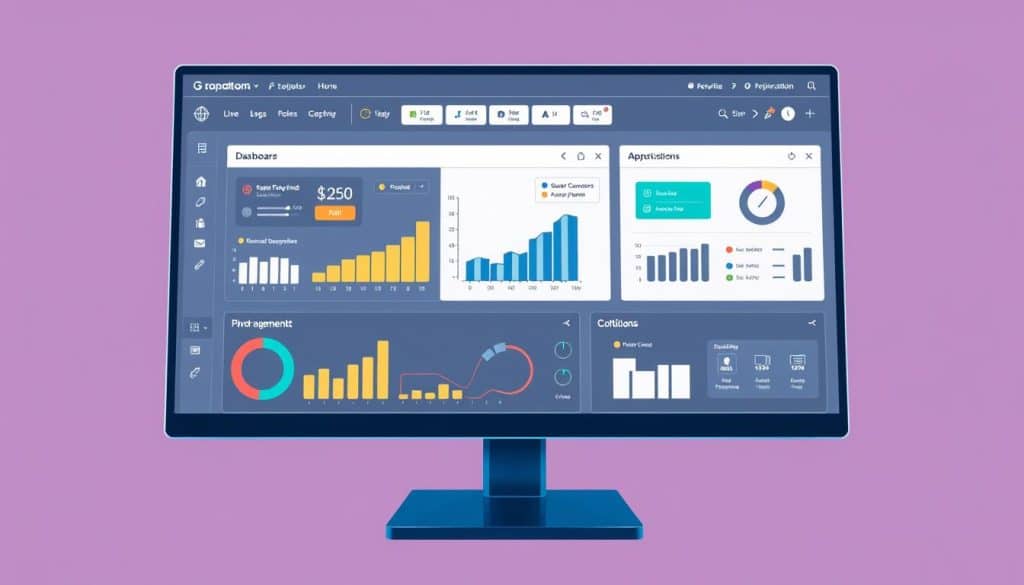
By leveraging these diverse types of web applications, businesses in Qatar can drive digital transformation, enhance customer engagement, and improve operational efficiency. Whether it’s through e-commerce, collaboration tools, or content management systems, the right web application can significantly impact a company’s success in the digital age.
Essential Technologies for Building Powerful Web Applications
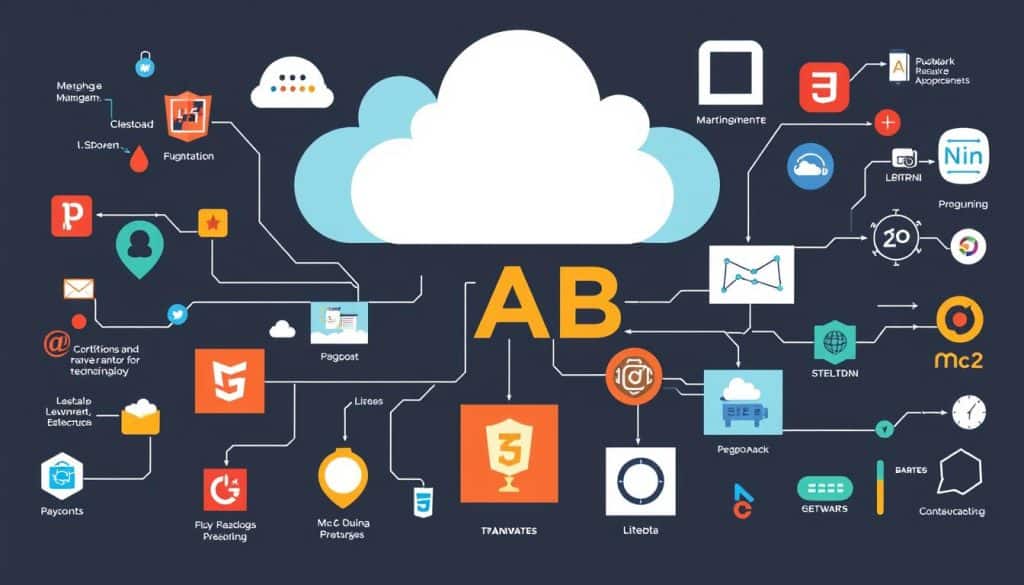
Building powerful web applications requires a deep understanding of the essential technologies that drive their development. We will explore the key technologies that enable developers to build robust, scalable, and efficient web applications.
Choosing the Right Programming Languages
The choice of programming languages is a critical decision in web application development. It depends on the specific needs of the project, including the type of application, the desired user experience, and the development team’s expertise.
Front-End Languages: HTML, CSS, and JavaScript
Front-end languages are used to create the user interface and user experience of a web application. HTML is used for structuring content, CSS is used for styling, and JavaScript is used for adding interactivity. For more information on essential web technologies, visit our blog post on essential web technologies.
Back-End Languages: Python, Java, PHP, and Node.js
Back-end languages are used to create the server-side logic, database integration, and API connectivity. Popular back-end languages include Python, Java, PHP, and Node.js. Each language has its strengths and is suited for different types of projects.
Frameworks and Libraries for Efficient Development
Frameworks and libraries play a crucial role in streamlining the development process and improving the maintainability of web applications.
Front-End Frameworks: React, Angular, and Vue.js
Front-end frameworks like React, Angular, and Vue.js provide pre-built components and tools for building complex user interfaces. They enable developers to create reusable UI components and manage state changes efficiently.
Back-End Frameworks: Django, Express.js, and Ruby on Rails
Back-end frameworks like Django, Express.js, and Ruby on Rails provide a structure for building robust server-side applications. They offer features like ORM, authentication, and routing, which simplify the development process. For instance, Django follows a “batteries-included” philosophy, providing comprehensive tools for common web development tasks. Express.js offers a minimalist approach, while Ruby on Rails emphasizes convention over configuration.
- Django provides built-in features like authentication, admin interfaces, and ORM functionality.
- Express.js offers essential routing and middleware capabilities.
- Ruby on Rails includes features like ActiveRecord for database management and scaffolding for quick prototyping.
Best Practices for Successful Web Application Implementation
Implementing a successful web application requires careful planning, execution, and adherence to best practices. As businesses in Qatar continue to adopt digital solutions, understanding these best practices becomes crucial for driving growth and staying competitive.
Security Measures to Protect Your Web Application
Security is paramount when developing a web application. To protect your application from potential threats, we recommend implementing robust security measures, including encryption, secure authentication protocols, and regular security audits. For more detailed guidance, you can refer to our blog post on best practices in web application development.
- Use HTTPS to encrypt data transmitted between the client and server.
- Implement secure password storage using salted hashing.
- Regularly update and patch your application’s dependencies.
Performance Optimization Techniques for Speed and Efficiency
Optimizing the performance of your web application is critical for ensuring a smooth user experience. Techniques such as code minification, image compression, and leveraging browser caching can significantly improve load times. By optimizing performance, you can reduce bounce rates and increase user engagement.
- Minify and compress files to reduce download sizes.
- Use a content delivery network (CDN) to distribute content globally.
- Optimize database queries to improve data retrieval efficiency.
User Experience Design Principles for Maximum Engagement
A well-designed user interface is essential for maximizing user experience and engagement. Principles such as intuitive navigation, responsive design, and consistent visual elements contribute to a positive user experience. By focusing on these principles, you can create a web application that meets the needs of your users.
- Implement intuitive navigation and clear information architecture.
- Use responsive design to ensure compatibility across devices.
- Conduct user testing to gather feedback and iterate on improvements.
By following these best practices, businesses in Qatar can ensure the successful implementation of their web applications, driving digital growth and improving user satisfaction.
Conclusion: Embracing Web Applications for Future Growth
As we navigate the ever-evolving digital landscape, web applications stand out as a crucial element in driving business growth. The versatility and accessibility of web applications have transformed how businesses operate, providing unprecedented scalability and functionality.
The evolution of web technologies continues to expand what’s possible, with progressive web applications (PWAs) blurring the line between web and native experiences. Businesses in Qatar that strategically implement web applications position themselves for competitive advantage, leveraging technology to enhance customer experiences and operational efficiency.
The future of web applications promises even greater integration with emerging technologies like artificial intelligence, blockchain, and the Internet of Things, creating new opportunities for businesses prepared to embrace these advancements. By understanding the fundamentals of web application development and implementation, businesses can make informed decisions about how to leverage these powerful tools for sustainable growth in the digital economy.
In conclusion, web applications will play an increasingly central role in both public and private sector innovation in Qatar, driving business success and future development.
FAQ
What is the primary benefit of using web applications for business growth?
Web applications provide global accessibility, scalability, and flexibility, enabling businesses to reach a wider audience and drive revenue growth.
How do web applications differ from traditional websites?
Web applications are interactive, dynamic, and provide a more engaging user experience compared to traditional websites, which are primarily static and informational.
What are the key components of a modern web application?
Modern web applications consist of client-side development for interactive user interfaces, server-side development for robust back-end systems, and a combination of programming languages, frameworks, and libraries.
How do I choose the right programming languages for my web application?
The choice of programming languages depends on the specific requirements of your web application, including the type of application, scalability needs, and development team’s expertise.
What security measures should I take to protect my web application?
Implementing robust security measures, such as encryption, secure authentication, and regular updates, is crucial to protect your web application from cyber threats and data breaches.
How can I optimize the performance of my web application?
Techniques such as caching, content delivery networks, and optimizing database queries can significantly improve the speed and efficiency of your web application.
What are the benefits of using content management systems for my web application?
Content management systems provide a user-friendly interface for managing content, streamlining updates, and improving overall user experience, making it an ideal solution for businesses with frequently updated content.
How do I ensure a successful web application implementation?
A successful web application implementation requires careful planning, requirement gathering, and analysis, as well as ongoing maintenance and updates to ensure the application remains secure, efficient, and aligned with business goals.