
In today’s digital landscape, having a robust online presence is crucial for businesses to succeed. We excel in web designer programming languages solutions, empowering businesses in Qatar and beyond to thrive in the digital world.
Our team leverages its deep understanding of various programming languages to develop custom web solutions that drive measurable business outcomes and enhance digital presence. By combining technical expertise with creative problem-solving, we implement the most effective programming languages for each unique project requirement.
Understanding the fundamentals of programming languages is crucial for businesses looking to maximize their digital potential. We’ll explore the essential programming languages that power modern web design and how our solutions can transform your digital presence.
Key Takeaways
- Expertise in web designer programming languages for cutting-edge digital solutions
- Custom web solutions driving measurable business outcomes
- Mastery of established and emerging programming languages for competitive websites
- Technical expertise combined with creative problem-solving
- Transforming digital presence through effective programming languages
Understanding the Digital Landscape of Web Design
As we navigate the ever-changing digital world, understanding the landscape of web design is crucial for businesses seeking to establish a strong online presence. The digital landscape has transformed dramatically over the past decades, with web design technologies evolving from simple HTML pages to complex, interactive applications powered by sophisticated programming languages.
The Evolution of Web Design Technologies
The evolution of web design technologies has been driven by changing user expectations, with businesses now requiring dynamic, responsive websites that function flawlessly on mobile devices. Key developments include:
- The shift from static HTML pages to complex, interactive web applications.
- The growing importance of multiple programming languages in creating seamless user experiences.
- The need for responsive web design that adapts to various devices and platforms.
Why Programming Languages Matter in Modern Web Design
Programming languages form the foundation of modern web design, enabling developers to create everything from simple static websites to complex web applications with advanced functionality. Understanding why programming languages matter helps businesses make informed decisions about their digital presence and select the right development partners. We track the continuous evolution of web technologies to ensure our clients benefit from the latest advancements in web design programming languages.
The Foundation of Web Designer Programming Languages
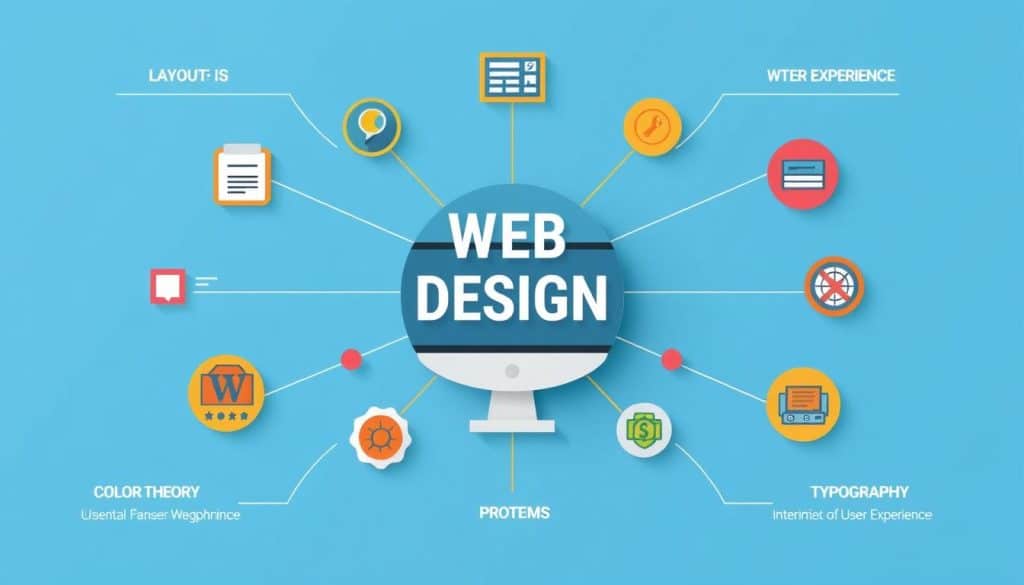
As the digital landscape continues to evolve, the importance of selecting the right web designer programming languages cannot be overstated. The web development process relies heavily on these languages to create dynamic, interactive, and user-friendly websites.
Web designer programming languages can be categorized based on their function, syntax, and application in the development process. Understanding these categories is essential for choosing the right tools for your web project.
Types of Web Design Programming Languages
The various programming languages used in web design can be broadly classified based on their roles and characteristics. Some languages are geared towards front-end development, focusing on the user interface and experience, while others are used for back-end development, handling server-side operations and data processing.
For those new to web design, understanding the different types of programming languages is crucial. You can start by learning more about creating web pages using HTML, a fundamental skill for any aspiring web developer. For a comprehensive guide, visit our resource on how to create a web page in HTML for.
Front-end vs. Back-end vs. Full-stack Development
In web development, professionals often specialize in one of three main areas: front-end, back-end, or full-stack development. Front-end development involves creating the user interface and experience using languages like HTML, CSS, and JavaScript. Back-end development focuses on server-side operations, using languages such as Node.js, Python, and PHP.
Full-stack development combines both front-end and back-end expertise, allowing developers to handle all aspects of web development. Understanding the distinction between these areas is vital for implementing effective web solutions that meet specific business requirements.
Essential Front-End Languages for Web Designers
To create visually stunning and highly functional websites, web designers must be well-versed in essential front-end languages. These languages form the foundation upon which engaging user experiences are built.

The Skeleton of Web Design
HTML serves as the fundamental skeleton of web design, providing the structure and content organization that forms the foundation of every website. HTML tags define headings, paragraphs, lists, links, images, and other elements that make up a web page. We utilize HTML to ensure that our clients’ websites are structured in a way that is both accessible and optimized for search engines.
By mastering HTML, web designers can create a solid foundation for their websites, allowing for better content organization and improved user experience.
Styling Your Digital Presence
CSS transforms the basic HTML structure into visually appealing designs, controlling everything from layout and colors to typography and responsive behavior. CSS is a stylesheet language used for describing the look and layout of a document written in HTML. We leverage CSS to create visually stunning interfaces that align with our clients’ brand identities.
Adding Interactivity and Functionality
JavaScript brings websites to life by adding interactivity, dynamic content updates, and complex functionality that enhances user engagement. It’s a high-level programming language widely used for front-end development to make web pages more engaging and user-friendly. We use JavaScript to create dynamic web applications that respond to user interactions, providing a more immersive experience.
By combining HTML, CSS, and JavaScript, we can create compelling user experiences that balance aesthetics with functionality, ensuring that our clients’ websites perform well across all devices.
Mastering these essential front-end languages allows web designers to create responsive, accessible, and cross-browser compatible websites. Our team excels in leveraging these languages to align with our clients’ business objectives, ensuring optimal website performance and search engine visibility.
Powerful Back-End Languages for Web Solutions
In the realm of web development, the choice of back-end programming language is crucial for the success of a web application. We help businesses navigate the complex landscape of back-end technologies to find the most suitable solution for their needs.
Python
Python is renowned for its versatility and simplicity, making it an ideal choice for web development. Its readability and concise syntax allow developers to create scalable web applications rapidly. Python’s extensive libraries and frameworks, such as Django, facilitate the development process.
PHP
PHP remains a cornerstone in web development, particularly for content management systems. Its ability to integrate seamlessly with databases like MySQL makes it a popular choice for dynamic website development. PHP powers many CMS platforms, including WordPress and Joomla.
Ruby
Ruby is celebrated for its elegance and developer-friendly syntax, often used in conjunction with the Ruby on Rails framework. This combination enables rapid development of sophisticated web applications with less code, promoting simplicity and productivity.
Java
Java is a stalwart in enterprise-level web development, offering unparalleled reliability and performance for high-traffic websites. Its robustness and scalability make it a preferred choice for large-scale web applications that require high performance and stability.
These back-end languages each have distinct advantages that can be strategically leveraged based on project requirements, business goals, and scalability needs. Our expertise across these powerful back-end languages enables us to recommend and implement the optimal solution for each client’s unique business challenges.
Modern Frameworks and Libraries Transforming Web Design
The landscape of web development is constantly evolving, with modern frameworks and libraries playing a crucial role in shaping the digital world. These technological advancements have transformed the way we approach web design, enabling us to build more complex, scalable, and user-friendly applications with greater efficiency.
React: Building Dynamic User Interfaces
React is a popular JavaScript library developed by Meta for building dynamic user interfaces. Its component-based architecture and virtual DOM enable developers to create modular UI components and manage application state more efficiently. With React, we can build highly responsive and maintainable web applications, leveraging its reusable modular architecture and efficient rendering engine.
Angular: Google's Comprehensive Solution
Angular is a comprehensive framework backed by Google, providing a complete set of tools for building scalable and maintainable web applications. Its powerful template language, reactive data binding system, and modular architecture make it an ideal choice for enterprise-grade applications. With Angular, we can build complex web applications with ease, leveraging its robust features and maintainability.
Vue.js: The Progressive JavaScript Framework
Vue.js is an open-source JavaScript framework known for its simplicity, flexibility, and performance. Created by Evan You and maintained by a large community of developers, Vue.js provides a reactive and composable approach to building user interfaces. Its progressive nature allows developers to incrementally adopt it, making it an excellent choice for modern web applications.
Django: Python's Web Framework Powerhouse
Django is a high-level Python web framework that enables rapid development of secure, scalable back-end systems. Its “batteries included” approach provides developers with the tools needed to build full-featured web applications without reinventing the wheel. With Django, we can leverage Python’s simplicity to build robust and maintainable web applications, focusing on the logic and functionality of the application.
These modern frameworks and libraries have revolutionized web design by providing structured approaches to building complex applications with less code and greater efficiency. By strategically selecting the most appropriate framework based on project requirements, we can accelerate development timelines while maintaining code quality and application performance.
Database Languages for Effective Web Solutions
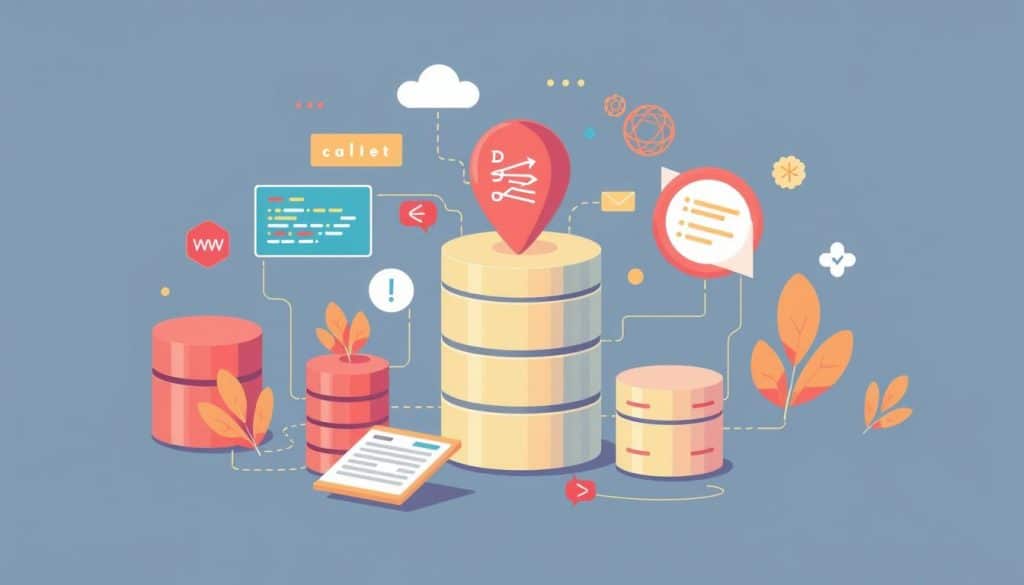
Effective web solutions rely heavily on the right database languages to manage and retrieve data efficiently. Database languages form the critical foundation for storing, retrieving, and managing the data that powers modern web applications. Our expertise in both SQL and NoSQL database languages allows us to design optimal data storage solutions based on each client’s specific requirements and data characteristics.
SQL: Structured Query Language Essentials
SQL remains the industry standard for relational databases, offering structured, consistent data management with powerful querying capabilities for complex data relationships. It is a database management language used by organizations to store their data in a structured format. SQL provides ease for storing and managing bulky data on websites, making it a crucial tool for web development.
NoSQL: Flexible Solutions for Modern Web Applications
NoSQL databases have revolutionized web development by offering flexibility and scalability. Unlike traditional relational databases, NoSQL systems efficiently handle unstructured and diverse data, making them ideal for dynamic, data-intensive web applications. These databases, such as MongoDB and Cassandra, excel in handling large volumes of real-time data, providing faster and more agile solutions.
The choice between SQL and NoSQL database languages significantly impacts application architecture, performance, and scalability. We implement best practices in database design and optimization to ensure efficient data retrieval, robust security, and reliable performance under varying load conditions. Modern web solutions often leverage a combination of database approaches, creating polyglot persistence architectures that utilize the strengths of different database languages for different aspects of an application.
Emerging Web Designer Programming Languages in 2024

As we navigate the ever-changing landscape of web development, it’s crucial to stay updated on the emerging programming languages that are shaping the industry in 2024. The demand for scalable, maintainable, and efficient web applications continues to drive innovation in programming languages.
TypeScript: Enhanced JavaScript for Enterprise Solutions
TypeScript has established itself as a favorite among developers by offering enhanced functionality to JavaScript, including static typing, which makes code more robust. Its popularity has soared due to the increased demand for scalable and maintainable web applications. With a vibrant community and widespread industry adoption, TypeScript remains a cornerstone in modern web development.
Kotlin: The Rising Star for Cross-Platform Development
Kotlin’s popularity is set to soar in 2024, becoming a powerhouse programming language. Renowned for its conciseness and interoperability with Java, Kotlin is increasingly favored for Android app development. Its concise syntax and reduced boilerplate code make it efficient and developer-friendly, with major tech players endorsing Kotlin.
Swift: Apple's Language for Seamless Integration
Swift, developed by Apple, enables experts to develop UI using dynamic capabilities. Websites developed with this framework work faster, allowing for smooth transitions between different available factors. While primarily associated with iOS development, Swift is expanding its presence in web development through server-side Swift frameworks.
These emerging languages address specific pain points in traditional web development, offering improved developer productivity, code maintainability, and application performance. Our team stays at the forefront of these emerging technologies, continuously evaluating and adopting new languages that can deliver tangible benefits to our clients’ web projects.
Choosing the Right Programming Language for Your Web Project
In web development, the choice of programming language is a strategic decision that affects the project’s outcome. The right language can enhance development efficiency, improve performance, and ensure scalability. We help clients navigate this complex decision-making process.
Factors to Consider When Selecting Languages
When selecting a programming language for your web project, several factors come into play. These include project complexity, performance requirements, development timeline, and budget constraints. Additionally, the availability of skilled developers and the scalability needs of your business are crucial considerations.
- Assess the complexity of your project to determine the required language features.
- Evaluate the performance needs of your application.
- Consider the development timeline and budget.
Our consultative approach involves analyzing these factors to recommend the most suitable programming languages for your project.
| Factor | Consideration | Impact on Language Choice |
|---|---|---|
| Project Complexity | Simple, Complex | Feature-rich languages for complex projects |
| Performance Requirements | High, Low | Languages with optimization capabilities |
| Development Timeline | Tight, Flexible | Languages with rapid development capabilities |
Matching Languages to Project Requirements
Matching the programming language to the specific needs of your project is crucial. This involves analyzing the required functionality and selecting languages that excel in those areas. For instance, for interactive web pages, JavaScript is often the preferred choice, while for server-side applications, languages like Python or Ruby may be more suitable.
By understanding the strengths and features of various programming languages, we can ensure that the selected language aligns with both your immediate project needs and long-term business objectives.
How We Leverage Web Designer Programming Languages for Client Success

We leverage our expertise in web designer programming languages to drive client success in Qatar’s competitive digital landscape. Our team’s deep understanding of various programming languages allows us to select the optimal technology stack for each client’s unique business requirements.
Our Technical Expertise and Approach
Our development methodology emphasizes clean, well-documented code that leverages the strengths of each programming language while mitigating potential limitations. We follow a strategic approach to language selection, balancing factors like performance needs, scalability requirements, security considerations, and long-term maintenance. For more information on our approach, visit our guide on web designer’s guide to programming.
Case Studies: Transforming Businesses Through Code
We’ve successfully transformed businesses across Qatar through strategic implementation of web designer programming languages, delivering measurable ROI and competitive advantages. Our case studies demonstrate how we’ve solved complex business challenges through thoughtful application of the right programming languages for each specific situation. To explore our professional web design services in Qatar, visit our professional web design services.
Future Trends in Web Design Programming
Web design programming is on the cusp of a revolution, driven by technologies that promise to enhance user experience and developer efficiency. As we look to the future, several key trends are emerging that will shape the landscape of web development.
AI Integration in Web Development
AI is transforming web development through automated code generation, intelligent debugging, and predictive user experience optimization. Machine learning algorithms are being increasingly incorporated into web applications to deliver personalized experiences and data-driven functionality. This integration enables developers to create more sophisticated and user-friendly interfaces.
The Growing Importance of Cross-Platform Compatibility
As users expect seamless experiences across devices, cross-platform compatibility has become essential. Technologies that facilitate consistent performance across different platforms are being adopted rapidly. Progressive Web Applications (PWAs) and WebAssembly are significant trends in this area, offering offline capabilities, improved performance, and near-native speed in browsers.
- PWAs blur the line between websites and native applications.
- WebAssembly enables high-performance code to run in browsers.
- Our forward-thinking approach ensures clients benefit from these emerging trends.
Conclusion: Empowering Your Digital Presence with the Right Programming Languages
Empowering your digital presence requires a strategic choice of web designer programming languages. Our expertise across the full spectrum of web programming languages positions us as the ideal partner to guide your digital transformation journey. We combine technical excellence with business acumen to deliver web solutions that drive measurable results.
By partnering with us, you gain access to a team of experts who can translate complex technical concepts into clear business advantages. Contact us today to discover how our mastery of web designer programming languages can transform your digital presence and drive your business forward in Qatar’s competitive market.
FAQ
What are the most in-demand front-end development skills for web designers?
We find that proficiency in HTML, CSS, and JavaScript are essential for creating engaging user interfaces and experiences. Additionally, knowledge of frameworks like React, Angular, or Vue.js can be beneficial.
How do I choose the right back-end language for my web project?
When selecting a back-end language, consider factors such as project requirements, scalability needs, and your team’s expertise. Popular choices include Python, PHP, Ruby, and Java, each with its strengths and use cases.
What is the difference between SQL and NoSQL databases?
SQL databases are ideal for structured data and complex transactions, while NoSQL databases offer flexibility for handling large amounts of unstructured or semi-structured data. The choice between them depends on your project’s specific data management needs.
Are emerging languages like TypeScript, Kotlin, or Swift worth learning?
Yes, emerging languages can bring significant benefits to your web development projects. For instance, TypeScript enhances JavaScript for enterprise solutions, while Kotlin and Swift offer advantages for cross-platform and Apple ecosystem development, respectively.
How do frameworks and libraries impact web development?
Frameworks and libraries like React, Angular, and Vue.js can significantly accelerate development, improve maintainability, and enhance the performance of web applications. They provide pre-built components and structures that simplify the development process.
What factors should I consider when selecting a web development framework?
When choosing a framework, consider factors such as project complexity, scalability requirements, and your team’s familiarity with the framework. It’s also essential to evaluate the framework’s community support and documentation.