

Are you leveraging the full potential of your online presence? In today’s digital landscape, understanding the fundamentals of web development is crucial for businesses to stay ahead of the competition.
With over 5.52 billion people connected through the internet, the digital revolution is creating massive opportunities for businesses that grasp web development basics. As the employment of web developers is expected to grow by 8% by 2033, faster than most other technology careers, it’s clear that web development is a key driver of digital growth.
By understanding the principles of web development, you’ll be equipped to make informed decisions about your online presence and digital strategy, driving revenue through optimized digital experiences.
Key Takeaways
- Understand the fundamentals of web development to stay ahead in the digital landscape
- Leverage web development to drive digital growth and revenue
- Make informed decisions about your online presence and digital strategy
- Communicate effectively with technical teams to achieve business goals
- Evaluate development options to optimize digital experiences
Understanding the World of Web Development
Effective web development is key to unlocking digital growth, driving revenue, and engaging customers in today’s competitive market. As businesses in Qatar and beyond continue to expand their digital footprint, understanding the fundamentals of web development becomes increasingly crucial.
What is Web Development?
Web development refers to the comprehensive process of creating and maintaining websites or web applications. This encompasses everything from initial planning to deployment and ongoing maintenance. It involves using a combination of programming languages, tools, and frameworks to bring a website or web application to life.
We define web development as a multifaceted process that includes design, layout, coding, content creation, and functionality. The development process may also encompass project management activities, such as fielding development requests from stakeholders or freelance clients.
| Web Development Aspect | Description |
|---|---|
| Design and Layout | Creating the visual and structural foundation of a website or web application |
| Coding and Programming | Using languages like HTML, CSS, and JavaScript to build the website’s functionality |
| Content Creation | Developing relevant and engaging content to populate the website |
Why Web Development is Important in Today's Digital Landscape
The importance of web development in today’s landscape cannot be overstated – it’s the foundation upon which businesses build their digital presence, engage customers, and drive revenue growth. By understanding the development process, businesses can gain strategic control over their digital assets, allowing for more effective resource allocation and better ROI on technology investments.
Effective web development combines technical coding skills with strategic planning to create digital experiences that drive measurable business outcomes. As the digital economy continues to evolve, the role of web development in shaping business success will only continue to grow.
The Fundamentals of How the Web Works
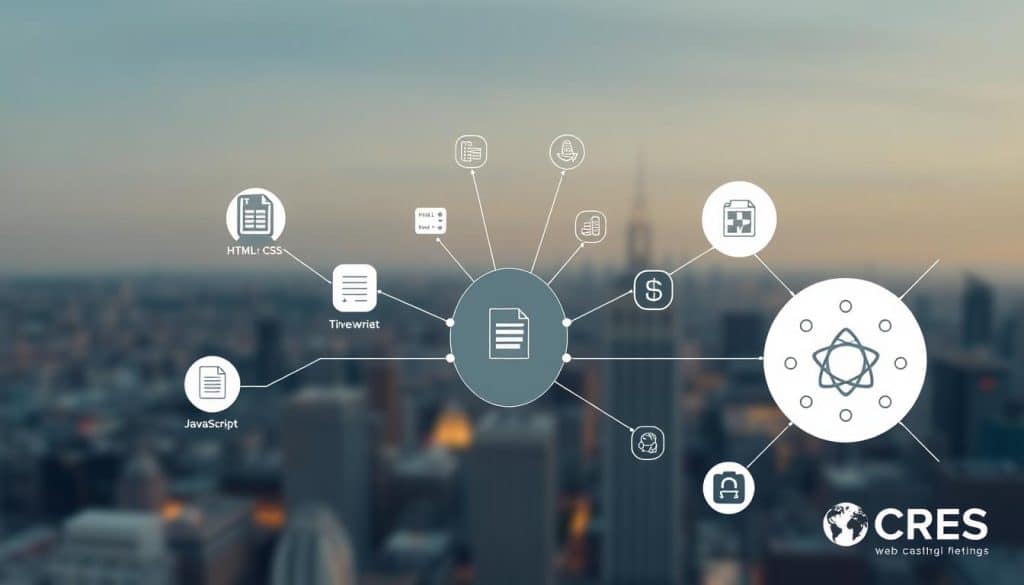
Grasping the basics of web functionality can significantly enhance one’s approach to web development. To understand how the web works, we need to delve into several fundamental concepts that form the backbone of the internet as we know it.
What is a Website?
A website is essentially a collection of files stored on servers, which are powerful computers connected to the internet. These files are accessed through a web browser, such as Google Chrome or Safari, using a unique identifier known as an IP address.
Understanding IP Addresses
An IP address is a unique string of numbers that allows devices to communicate with each other over the internet. It’s akin to a mailing address for your computer, enabling data to be sent and received accurately.
HTTP and HTTPS Explained
HTTP (HyperText Transfer Protocol) is the protocol that governs how data is transferred between your browser and the server hosting the website you’re visiting. Its secure counterpart, HTTPS, adds an encryption layer to protect data from interception, ensuring a secure browsing experience.
The Role of Browsers and Servers
The interaction between browsers (like Chrome or Firefox) and servers is crucial. Browsers request web pages from servers, which then send the requested data back to the browser for display. This client-server model is the foundation of how we access and interact with websites.
| Component | Function |
|---|---|
| IP Address | Unique identifier for devices on the internet |
| HTTP/HTTPS | Protocols for transferring data between browser and server |
| Browsers | Software for accessing and viewing websites |
| Servers | Computers that host and serve website files |
Understanding these technical foundations empowers us to make informed decisions about hosting, security, and performance optimization for our digital properties. By grasping how the web works, we can better navigate the complexities of web development and create more effective online solutions.
Types of Web Development You Should Know
Understanding the different types of web development is essential for businesses aiming to establish a strong online presence. As we navigate the complex digital landscape, various web development specializations play crucial roles in shaping online experiences and driving business success.
Front-End Development
Front-end development focuses on the client-side of websites, programs, and software, creating user interfaces and experiences that directly impact customer engagement and conversion rates. Front-end developers work on what users see, using technologies like HTML, CSS, and JavaScript to craft visually appealing and interactive web pages.
Back-End Development
Back-end development involves working on the server-side of websites, programs, and software, ensuring that everything works properly behind the scenes. Back-end web developers focus on server-side architecture, data security, and application performance, supporting scalability and robust functionality.
Full Stack Development
Full stack development encompasses both front-end and back-end development, allowing developers to create a website, application, or software program from start to finish. This comprehensive approach delivers significant value for complex digital projects, providing a unified solution for businesses.
Website Development
Website development is a fundamental aspect of web development, involving the creation and maintenance of websites. It includes various aspects such as design, content creation, and coding to produce a fully functional website that meets business objectives.
Mobile Development
Mobile development focuses on building applications for mobile devices such as smartphones and tablets. With the increasing use of mobile devices, mobile development has become crucial for businesses to reach their audiences effectively.
Game Development
Game development involves writing code for video games, creating engaging and interactive gaming experiences. This specialized area requires a deep understanding of game design, programming languages, and user experience.
Security Development
Security development is critical in today’s digital landscape, involving the establishment of methods and procedures to secure software programs and websites. Security developers play a vital role in protecting against cyber threats and ensuring data integrity.
By understanding these different types of web development, businesses can make informed decisions about resource allocation, team composition, and technology investments, ultimately driving digital growth and success.
Basic Knowledge of Web Development: Essential Concepts

Understanding the fundamental principles of web development is key to making informed decisions about your digital presence. As we delve into the world of creating websites and web applications, it’s crucial to grasp certain essential concepts that form the foundation of this field.
We will explore three critical areas that are vital for anyone looking to understand or work in web development: the distinction between web development and web programming, the role of the Document Object Model (DOM), and the principles of responsive design.
Web Development vs. Web Programming
Web development refers to the overall process of creating websites or web applications, encompassing design, layout, coding, content creation, and functionality. On the other hand, web programming specifically involves the coding and scripting necessary for a website’s front-end or back-end, focusing on handling data, processing user inputs, and generating dynamic content. Clarifying this distinction is essential for effective communication with technical teams and vendors.
The Document Object Model (DOM)
The Document Object Model (DOM) is a programming interface for web documents, representing the page structure, style, and content. It allows programs to change the document dynamically, making it a fundamental concept that impacts website performance, interactivity, and user experience. Understanding the DOM is crucial for creating dynamic, responsive websites that engage users.
Responsive Design Principles
Responsive design is an approach to web development that ensures websites adapt to different screen sizes and devices, providing an optimal user experience. This involves using flexible grids, images, and media queries to create adaptable interfaces that directly affect mobile conversion rates, search engine rankings, and customer satisfaction metrics. By understanding responsive design principles, businesses can improve their digital ROI and stay competitive in a mobile-driven world.
By grasping these essential concepts—web development vs. web programming, the Document Object Model, and responsive design principles—you can make more informed decisions about your digital strategy, technology selection, and development priorities, ultimately driving revenue growth through digital excellence.
Front-End Development: Creating What Users See
Creating what users see and interact with on a website is the primary focus of front-end development. It’s the process of transforming designs into functional web pages that users can engage with. We will break down the three core technologies that make this possible: HTML, CSS, and JavaScript.
HTML: The Structure of Web Pages
HTML (Hypertext Markup Language) is the backbone of any web page, providing both semantic structure and defining the elements of a website, such as headings, paragraphs, images, and links. Web developers use HTML to give content a proper layout before customizing it. Proper structural markup with HTML impacts accessibility, search engine optimization, and content scalability, all of which directly affect digital performance metrics.
For instance, using HTML headers (H1, H2, H3, etc.) not only structures the content but also improves SEO by highlighting key topics on the page. Similarly, semantic elements like article, nav, and footer help search engines understand the content’s context.
CSS: Styling Your Web Pages
CSS (Cascading Style Sheets) is responsible for styling the visual appearance of a website. It allows developers to customize colors, fonts, layouts, and other design elements, effectively transforming basic web pages into branded experiences. With CSS, you can also create responsive web pages that adapt to different screen sizes, enhancing user engagement and conversion rates.
For example, CSS can be used to create a responsive navigation menu that works seamlessly across desktop and mobile devices. The use of CSS frameworks like Bootstrap or Tailwind can further streamline the development process.
JavaScript: Adding Interactivity
JavaScript is a dynamic programming language that adds interactive elements to web pages, such as dropdown menus, sliders, forms, and animations. These interactive elements enhance user experience, reduce bounce rates, and increase conversion opportunities through dynamic content presentation.
For instance, JavaScript can be used to create a dynamic form that validates user input in real-time, improving the overall user experience. Libraries and frameworks like React, Angular, and Vue have made it easier to develop complex JavaScript applications.
Let’s examine how these technologies work together to create compelling user experiences:
| Technology | Primary Function | Impact on User Experience |
|---|---|---|
| HTML | Structure and Semantics | Improves accessibility and SEO |
| CSS | Styling and Layout | Enhances visual appeal and responsiveness |
| JavaScript | Interactivity | Boosts engagement and conversion rates |
Understanding these front-end fundamentals empowers businesses to make more informed decisions about user experience investments and their potential return on investment. By leveraging HTML, CSS, and JavaScript effectively, businesses can drive revenue growth through digital excellence.
Essential Front-End Tools and Frameworks
As we dive into the world of front-end development, it’s crucial to understand the tools and frameworks that drive modern web development. These technologies are the backbone of creating engaging, responsive, and user-friendly websites.
Popular Code Editors
The choice of code editor can significantly impact a developer’s productivity. Popular code editors like Visual Studio Code, Sublime Text, and IntelliJ IDEA offer a range of features such as syntax highlighting, code completion, and debugging tools.

CSS Frameworks
CSS frameworks like Bootstrap and Tailwind CSS have revolutionized the way we style websites. They provide pre-designed UI components and layouts, enabling developers to create responsive and consistent designs quickly.
JavaScript Libraries and Frameworks
JavaScript libraries and frameworks such as React, Angular, and Vue.js are instrumental in creating dynamic and interactive web applications. They offer structured approaches to building user interfaces and managing state changes.
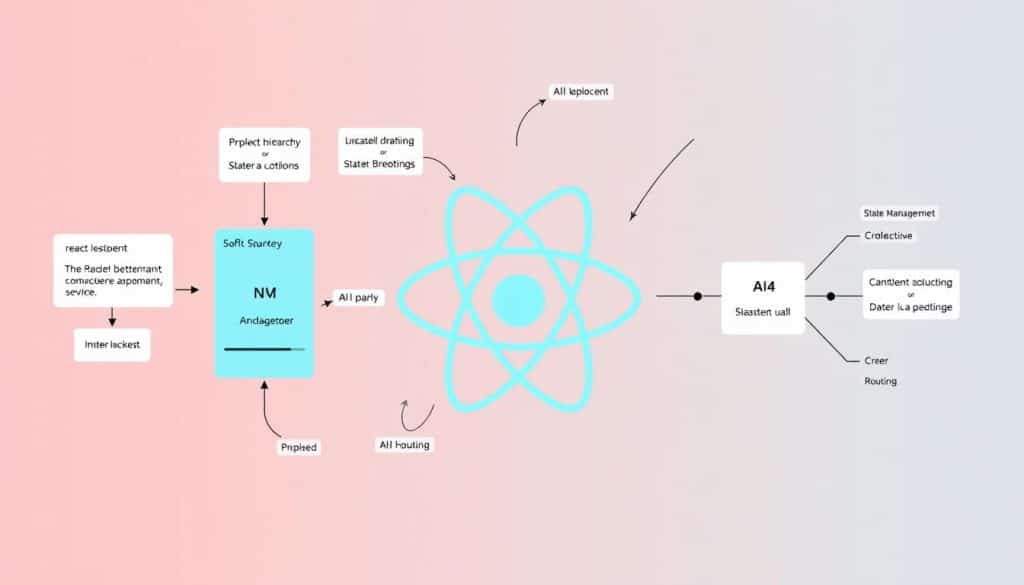
By leveraging these essential front-end tools and frameworks, developers can significantly enhance their productivity, improve code quality, and deliver more sophisticated web applications.
Back-End Development: Powering Your Website
At the heart of every web application lies back-end development, the unsung hero that powers the server, database, and application logic. Back-end development focuses on the server side of web applications, involving the creation and maintenance of the technology that enables the front-end to function effectively. It ensures that the application can handle various user requests, process data, and deliver a seamless user experience.
Server-Side Programming Languages
Server-side programming languages are the backbone of back-end development. Popular choices include Python, PHP, Java, C#, and Ruby. Each language has its strengths and is suited for different types of projects. For instance, Python is renowned for its simplicity and is often used in data-intensive applications, while Java is known for its robustness and scalability, making it a favorite for large enterprise applications. The choice of programming language depends on the specific requirements of the project, including scalability needs, existing technology ecosystem, and development team expertise.
Databases and Data Management
Effective database management is crucial for any web application. Databases store, retrieve, and manipulate data, making them an essential component of back-end development. SQL is a standardized language used for managing relational databases, enabling developers to perform complex data operations efficiently. Proper data architecture directly impacts application performance, business intelligence capabilities, and customer experience. By choosing the right database management system, businesses can ensure their applications are scalable, secure, and performant.
APIs and Web Services
APIs (Application Programming Interfaces) and web services are critical for enabling different systems to communicate with each other. They allow businesses to integrate third-party functionality, exchange data, and extend their digital capabilities. APIs act as connection points between different software systems, facilitating data exchange and functionality reuse. By leveraging APIs and web services, businesses can enhance their applications, improve user experience, and create new revenue streams.
Understanding back-end development is crucial for making informed decisions about your technology stack, data management strategy, and integration approach. By demystifying back-end development, businesses can better appreciate the invisible infrastructure that powers their critical business functions and enables scalable digital growth.
Essential Back-End Tools and Technologies
As we dive into the world of back-end development, it’s crucial to understand the essential tools and technologies that drive modern web applications.
The back-end of a web application is complex and requires a variety of tools and technologies to function efficiently. In this section, we’ll explore the key components that make up the back-end ecosystem.
Back-End Frameworks
Back-end frameworks are crucial for building robust and scalable web applications quickly. Frameworks like Django, Ruby on Rails, and Express provide the necessary structure and tools to accelerate development cycles.

These frameworks offer a range of benefits, including pre-built modules, simplified testing, and robust security features. For instance, Django is known for its high-level Python framework that enables rapid development of secure and maintainable websites. Ruby on Rails is another popular choice, favored for its simplicity and the speed at which developers can build applications. Express, on the other hand, is a flexible Node.js framework that provides a thin layer of functionality to build web applications.
Database Management Systems
Database Management Systems (DBMS) are vital for storing, retrieving, and managing data effectively. The choice between relational databases like MySQL and non-relational databases like MongoDB significantly impacts data flexibility, performance, and maintenance costs.
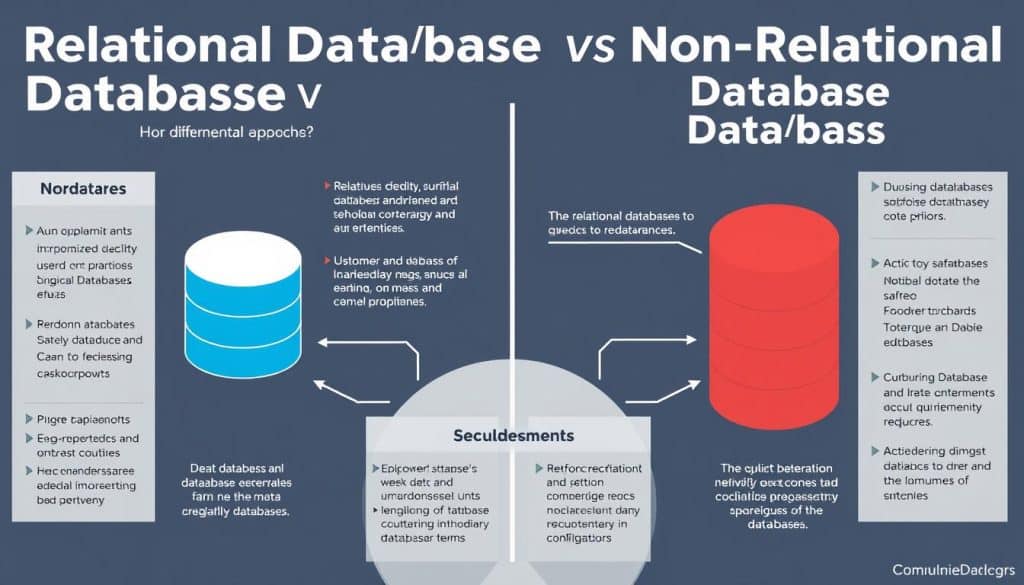
Relational databases are ideal for applications that require complex transactions and strict data consistency. MySQL is a popular choice for such applications due to its reliability and support for SQL. Non-relational databases, on the other hand, offer flexibility in handling large amounts of unstructured or semi-structured data, making MongoDB a favorite among developers dealing with big data.
Version Control Systems
Version control is a critical aspect of back-end development, allowing developers to track changes, collaborate with others, and manage code repositories efficiently. Git is the standard version control system used in web development, and platforms like GitHub enhance collaboration and project management.
Git’s distributed architecture allows multiple developers to work on a project simultaneously without conflicts. GitHub further simplifies collaborative development by providing a web-based platform for version control and project management. For expert PHP web app development services in Qatar, consider visiting our specialized page.
The Web Development Process: From Concept to Launch
A well-structured development process is the backbone of any successful web project. We will walk you through the comprehensive web development process, providing a strategic roadmap that ensures your digital projects deliver maximum business value.
The first stage in the web development process is the Planning and Research Phase. This critical phase involves defining your objectives and determining what you want your website to achieve. Are you creating an e-commerce site to sell products, a blog to share insights, or a portfolio to showcase your work? Proper discovery and requirements gathering directly impact project success rates, budget adherence, and alignment with business objectives.
Planning and Research Phase
During this phase, we conduct thorough research to understand your target audience, business goals, and market trends. This information helps us create a tailored plan that meets your specific needs.
Design Phase
With a solid plan in place, we move on to the design phase. We create wireframes to visualize the structure and user flow of your website, ensuring a user-centered design that translates to improved engagement metrics, conversion rates, and customer satisfaction scores.
Development Phase
Now, it’s time to develop your website. We start with back-end development, which involves setting up server-side logic, databases, and application integration. Proper coding practices, quality assurance, and project management methodologies affect timeline adherence, code quality, and maintenance costs.
Testing and Deployment
Thoroughly testing your website across different browsers and devices ensures compatibility and fixes bugs. We then purchase a domain name and choose a hosting provider to make your website accessible online, ensuring a smooth deployment process.
By understanding this structured development process, you’ll be empowered to better manage digital projects, set realistic expectations, and maximize return on your technology investments. Our breakdown of the web development process provides metrics-driven insights on strategies that minimize launch risks, optimize performance, and ensure your digital properties are ready to drive business results from day one.
Content Management Systems: Simplifying Web Development
The complexity of web development can be significantly reduced with the use of Content Management Systems (CMS). A CMS is not just a tool; it’s a gateway to efficient web development, allowing developers and non-technical teams to manage digital content effectively.
What is a CMS?
A Content Management System (CMS) is a web application or a series of programs used to create and manage web content. Unlike site builders such as Squarespace or Wix, a CMS provides the building blocks (like plugins and add-ons) and lets you create the structure with your code, offering more flexibility and customization options.
Popular CMS Platforms
Popular CMS platforms include WordPress, Drupal, and Joomla. When searching for the best CMS platforms for beginners, these three are often at the top of the list due to their extensive community support, flexibility, and the vast array of plugins and themes available.
When to Use a CMS vs. Custom Development
Deciding between using a CMS and opting for custom development depends on your specific requirements, timeline, and budget. A CMS simplifies the development process by providing pre-built templates and tools, making it easier to create and manage your website without extensive coding knowledge. However, it limits your customization options. Custom development, on the other hand, offers complete control over the website’s design and functionality but requires more time, money, and technical expertise.
Essential Skills for Aspiring Web Developers
Web development requires a unique blend of technical and soft skills to create effective digital solutions. As the field continues to evolve, it’s crucial for aspiring web developers to understand the comprehensive skill set that drives success.
To excel in web development, one must possess a range of technical skills. These include proficiency in programming languages such as JavaScript, HTML/CSS, and backend languages like Python, Java, PHP, and Ruby. Additionally, knowledge of version control systems like Git, API and web services, and database management systems including SQL and NoSQL is essential.
Technical Skills Every Web Developer Needs
Technical skills form the foundation of a web developer’s expertise. Some of the key technical skills required include:
- Proficiency in front-end development frameworks and libraries such as React, Angular, and Vue
- Understanding of back-end development frameworks like Django, Ruby on Rails, and Express
- Knowledge of database management systems and data modeling
- Familiarity with version control systems, particularly Git
- Understanding of web services and APIs
Having these technical skills enables web developers to build robust, scalable, and efficient web applications.
Soft Skills for Success in Web Development
While technical skills are crucial, soft skills play a significant role in a web developer’s success. Essential soft skills include:
- Communication: The ability to effectively communicate with team members, stakeholders, and clients
- Problem-solving: The capacity to analyze problems, identify solutions, and implement them
- Time Management: The ability to prioritize tasks, manage time, and meet deadlines
- Creativity: The ability to think creatively and come up with innovative solutions
- Adaptability: The willingness to learn new technologies, adapt to changing requirements, and evolve with the industry
By combining technical expertise with these soft skills, web developers can deliver high-quality solutions that meet business needs and drive digital growth.
Web Development Career Paths and Opportunities
Web development is a dynamic field that encompasses a broad spectrum of career paths, from front-end development to full-stack engineering. As technology continues to evolve, the demand for skilled web developers is on the rise, offering numerous opportunities for professionals looking to grow in this field.
Job Roles in Web Development
The web development field offers a diverse range of career paths, each catering to different skill sets and interests. Some key careers in web development include:
- Front-end Developer: Responsible for creating the user interface and user experience of a website using HTML, CSS, and JavaScript.
- Back-end Developer: Focuses on the server-side of web development, working with databases, APIs, and server-side programming languages.
- Full-stack Developer: Proficient in both front-end and back-end development, capable of handling all layers of a web application.
- Web Designer: Concerned with the visual aspects of a website, including layout, color scheme, and typography.
- DevOps Engineer: Ensures the smooth operation of web applications by bridging the gap between development and operations teams.
Industry Demand and Growth Prospects
The web development field is booming, with more than 1.3 million developer jobs available in North America alone. Over 47,000 new development jobs were created in the last two years, and the market is expected to grow an additional 15% in the next five years. According to Mondo, “Web Developer” is the most in-demand job title in tech and one of its top-paying jobs. This growth is driven by emerging technologies like AI, machine learning, and extended reality, which are evolving web development careers and creating new opportunities.
Understanding these career dynamics empowers businesses to make strategic decisions about team composition, talent acquisition, and professional development investments. By analyzing industry demand and growth prospects, we can identify the most promising career paths and opportunities in web development.
Learning Resources for Web Development Beginners
The world of web development is rich with resources, but beginners need guidance to navigate it effectively. As we explore the various learning pathways, we’ll curate the most effective resources to help you understand which educational approaches deliver the best results for different learning styles and career objectives.
Online Courses and Tutorials
Online courses and tutorials offer a flexible and often affordable way to learn web development. When searching for best web development courses for beginners, consider platforms that provide hands-on experience and project-based learning. Our analysis highlights leading platforms that offer practical, job-relevant skills development. For a step-by-step guide on creating a web page, you can learn HTML code to get started.
Coding Bootcamps

Coding bootcamps have become a popular choice for aspiring web developers, offering an intensive and immersive learning experience. When looking for top web development bootcamps, consider programs that focus on outcomes and employment. According to Indeed, four out of five companies in the U.S. have hired a graduate from a coding bootcamp, demonstrating their effectiveness in preparing job-ready skills.
Books and Documentation

While interactive learning is valuable, traditional resources like books and documentation remain essential for web development learning. When seeking essential web development books, look for titles that cover the fundamentals of web development, including HTML, CSS, and JavaScript. These resources provide a solid foundation and serve as valuable reference materials for ongoing development.
By understanding the different learning resource options available, you can make strategic decisions about your professional development investments. Whether you’re just starting out or looking to enhance your skills, the right resources can empower you to succeed in the world of web development.
Web Development Best Practices and Standards
In the world of web development, best practices are the cornerstone of creating exceptional digital experiences. As the digital landscape continues to evolve, adhering to established standards and guidelines is crucial for delivering high-quality websites and applications that meet user expectations and drive business success.
To achieve this, we focus on several key areas that are fundamental to effective web development. These include writing clean and maintainable code, following web accessibility guidelines, and implementing performance optimization techniques.
Writing Clean and Maintainable Code
Clean code is the backbone of any successful web development project. It is easier to read, understand, and maintain, reducing development time and costs in the long run. To achieve this, we follow best practices such as:
- Using clear and concise variable names and comments
- Modularizing code into reusable components
- Avoiding duplicated code and redundant logic
By writing clean and maintainable code, we can ensure that our web development projects are scalable, efficient, and easy to update.
Web Accessibility Guidelines
Web accessibility is critical for ensuring that websites and applications are usable by people with disabilities. This not only expands our audience but is also required by law in many jurisdictions. To achieve web accessibility, we follow guidelines such as:
- Using semantic HTML to provide a clear structure
- Providing alternative text for images and multimedia content
- Ensuring that interactive elements are accessible via keyboard navigation
By following these guidelines, we can create inclusive digital experiences that are accessible to everyone.
Performance Optimization Techniques
Performance optimization is crucial for improving website speed and responsiveness, directly impacting user experience and search engine rankings. To achieve this, we implement techniques such as:
- Optimizing images and compressing files
- Minifying and caching code
- Using content delivery networks (CDNs) to reduce latency
By optimizing performance, we can ensure that our web development projects deliver fast, seamless, and engaging user experiences.
By adhering to these web development best practices and standards, we can ensure that our digital properties deliver maximum business value, drive revenue growth, and maintain a competitive edge in the market.
Cybersecurity Basics for Web Developers
The importance of cybersecurity in web development cannot be overstated, as it directly impacts business continuity, customer trust, and regulatory compliance. As web developers, we must understand the basics of cybersecurity to protect our digital assets from increasingly sophisticated threats.
Cybersecurity is the practice of securing data, networks, and computers from malicious actors who seek to expose private information, steal data, or crash servers. The methods used by hackers are constantly evolving, as are the security measures taken to defend against them. Failing to understand how a website could be targeted could result in disaster. Therefore, a basic understanding of cybersecurity best practices is critical for effective web development.
Common Security Threats
Web applications face numerous security threats, including SQL injection, cross-site scripting (XSS), and cross-site request forgery (CSRF). These threats can lead to data breaches, financial loss, and reputational damage. Understanding these common security threats is the first step in protecting against them.
- SQL injection: Attackers inject malicious SQL code to manipulate database queries.
- Cross-site scripting (XSS): Attackers inject malicious scripts into websites to steal user data.
- Cross-site request forgery (CSRF): Attackers trick users into performing unintended actions on a web application.
Security Best Practices
Implementing security best practices is crucial for protecting web applications. This includes secure coding principles, authentication protocols, and data protection measures. By creating multiple layers of defense, we can significantly reduce the risk of a security breach.
Some key security best practices include:
- Validating user input to prevent SQL injection and XSS.
- Implementing robust authentication and authorization mechanisms.
- Using HTTPS to encrypt data in transit.
Regular Security Audits
Regular security audits are essential for identifying vulnerabilities before they can be exploited. These audits involve assessing the security posture of a web application, identifying potential weaknesses, and implementing measures to address them.
The benefits of regular security audits include:
| Benefit | Description |
|---|---|
| Risk Reduction | Identifying vulnerabilities before they can be exploited. |
| Compliance | Meeting regulatory requirements for security. |
| Cost Savings | Avoiding costly breach remediation expenses. |
By understanding cybersecurity basics, including common security threats, security best practices, and the importance of regular security audits, web developers can significantly enhance the security of their web applications. This not only protects against financial loss and reputational damage but also fosters trust with customers and ensures business continuity.
Conclusion: Taking Your First Steps in Web Development
By understanding the fundamentals of web development, you can unlock new opportunities for digital growth. Throughout this guide, we’ve provided a comprehensive foundation in web development fundamentals, equipping you with the knowledge to make strategic decisions about your digital presence and technology investments.
Our guide has demystified complex technical concepts, translating them into business-relevant insights that directly connect to measurable outcomes like user engagement, conversion rates, and operational efficiency. We encourage you to apply these principles incrementally, starting with an assessment of your current digital assets against the best practices we’ve outlined.
The web landscape continues to evolve rapidly, making ongoing education and adaptation essential for maintaining a competitive advantage in the digital marketplace. To stay ahead, we recommend establishing partnerships with qualified development professionals who can help translate your business objectives into effective technical solutions.
By leveraging this foundational knowledge, you’re now better positioned to drive digital growth through informed technology decisions, effective team collaboration, and strategic implementation of web development principles. Whether you’re looking to enhance your existing website or embark on a new development project, the insights gained here will serve as a valuable resource.
As you move forward, remember that development is an ongoing process that requires commitment to learning and adapting to new programming languages and technologies. By doing so, you’ll be well on your way to creating effective, user-friendly websites and applications that meet the evolving needs of your audience.
FAQ
What is the difference between front-end and back-end web development?
Front-end development focuses on creating the user interface and user experience using HTML, CSS, and JavaScript, while back-end development involves server-side programming, databases, and APIs to power the website.
What is the role of Cascading Style Sheets (CSS) in web development?
CSS is used to control the layout, styling, and visual aspects of web pages, making it a crucial tool for creating responsive and visually appealing websites.
What programming languages are used in web development?
Popular programming languages used in web development include JavaScript, Python, Ruby, PHP, and Java, each with its own strengths and applications.
What is full stack development, and what skills are required?
Full stack development involves working on both front-end and back-end development, requiring a broad range of skills, including proficiency in multiple programming languages, frameworks, and databases.
How does version control work, and why is it important?
Version control systems like Git track changes to code, allowing developers to collaborate and manage different versions of their codebase, ensuring that changes are documented and reversible.
What is the importance of responsive design in web development?
Responsive design ensures that websites adapt to different screen sizes, devices, and orientations, providing a seamless user experience across various platforms.
What are some essential tools and frameworks for front-end development?
Front-end developers often use code editors like Visual Studio Code, CSS frameworks like Bootstrap and Tailwind, and JavaScript libraries like React, Angular, and Vue to streamline their work.
How does back-end development impact website performance?
Back-end development plays a critical role in website performance, as it involves optimizing server-side code, databases, and APIs to ensure fast data retrieval and processing.
What is the role of Content Management Systems (CMS) in web development?
CMS platforms like WordPress, Joomla, and Drupal simplify web development by providing pre-built templates, drag-and-drop interfaces, and easy content management, making it easier to create and maintain websites.