Maximize Your ROI with PPC Strategies

Maximize Your ROI with PPC Strategies

What if every dollar you spent on digital ads could generate measurable revenue instead of just clicks? Pay-per-click advertising offers precise targeting, instant visibility, and clear performance tracking—but only when executed strategically.

PPC

Google Ads dominates the paid search landscape, delivering immediate traffic to your website. With the right keyword research and campaign structure, businesses in Qatar can achieve a 200% ROI or higher. The key lies in balancing cost efficiency with high-converting ad placements.

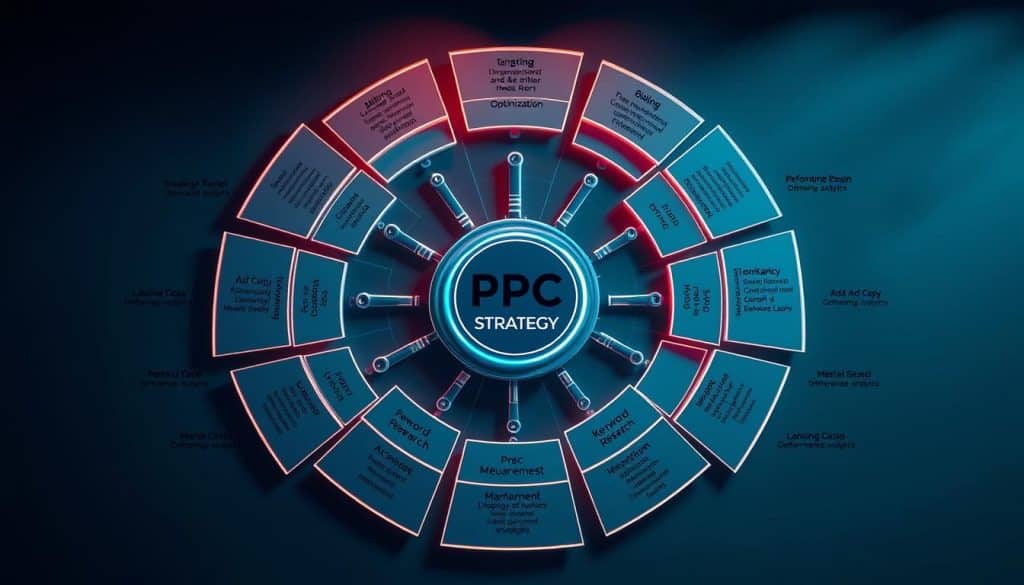
We’ve refined a data-driven approach that blends technical bidding tactics with compelling ad copy. Our method focuses on quality scores, landing page relevance, and smart budget allocation to maximize returns.

Key Takeaways

  • Pay-per-click delivers rapid, trackable results with proper campaign setup
  • Google Ads dominates search engine advertising with precise targeting
  • Strategic keyword selection improves click-through rates by 30-50%
  • Quality scores directly impact your cost per click and ad positioning
  • Professional management reduces wasted ad spend by up to 30%

Introduction to PPC Advertising

Digital advertising changed forever when pay-per-click transformed how businesses reach customers. Unlike traditional methods, this model ensures you only pay when users engage—making every cent accountable.

What Is PPC?

Pay-per-click is a performance-based system where advertisers bid for ad placements. When users click, the business pays a fee. This model powers giants like Google Ads, turning searches into sales opportunities.

“PPC’s auction system rewards relevance—high-quality ads cost less and rank higher.”

The Evolution of Pay-Per-Click Marketing

From clunky banner ads to AI-driven campaigns, PPC has matured dramatically. Key milestones include:

  • 1996: First clickable web ads launched.
  • 2000s: Google Ads introduced Quality Scores, prioritizing user experience.
  • Today: Multi-platform campaigns target users across search and social media.

Modern PPC thrives on data. For example, 65% of shoppers click the first Google Shopping ad—proving top placement drives action. Platforms like Google Ads use real-time bidding to maximize ROI.

Unlike SEO’s slow build, PPC delivers instant visibility. Yet, both strategies work best when combined—organic reach stabilizes traffic while ads accelerate growth.

PPC Fundamentals: How This Advertising Model Works

Mastering pay-per-click advertising starts with understanding its core mechanics. Unlike traditional ads, this model rewards relevance and precision—ensuring budgets drive measurable actions.

Understanding Bids, Quality Score, and Cost Per Click

Google’s auction system ranks ads using two factors: bid amount and Quality Score. The higher your ad’s relevance, the less you pay per click.

Here’s how it breaks down:

Factor Impact Example
Maximum Bid Sets your budget limit $5 per click
Quality Score (1–10) Lowers actual CPC Score of 8 = 20% discount
Ad Rank Determines placement Bid × Quality Score

For example, a $3 bid with a Quality Score of 7 outranks a $5 bid with a score of 4. This system favors advertisers who optimize landing pages and keyword relevance.

PPC vs. SEM vs. SEO: Key Differences

While all aim for visibility, their approaches differ:

  • PPC: Instant traffic via paid clicks. Costs scale with results.
  • SEM: Broader umbrella, includes PPC and shopping ads.
  • SEO: Organic rankings. Slower but sustainable.

“Businesses using both PPC and SEO see 25% more conversions than those relying on one channel.”

In Qatar’s competitive market, blending these strategies maximizes reach. Paid search captures immediate demand, while SEO builds long-term authority.

Crafting a Winning PPC Strategy

Strategic planning separates profitable campaigns from wasted ad spend. We guide businesses to align ads with measurable outcomes, whether boosting sales or brand awareness. Start by defining clear objectives—every dollar should drive tangible results.

PPC strategy framework

Setting Campaign Objectives and Budgeting

Goals shape every decision. For example, a Qatar-based e-commerce store increased sales by 35% in 45 days by targeting transactional keywords. Your objectives might include:

  • Lead generation: Capture emails or demo requests.
  • Traffic growth: Analyze visitor behavior by device or location.
  • Brand visibility: Dominate competitive markets with impression share.

Budget allocation requires precision. High-performing campaigns deserve 60–70% of funds, while 30% fuels A/B tests. Compare approaches:

StrategyBudget AllocationOutcome
Aggressive Bidding70% to top-converting keywords50% higher CTR
Balanced Testing50% to proven ads, 50% to experiments20% lower CPC over time

Researching and Selecting High-Intent Keywords

Keywords dictate ad relevance. Tools like Google’s Keyword Planner reveal search volume and competition. Focus on:

  • Commercial intent: “Buy running shoes Doha” outperforms generic terms.
  • Negative keywords: Exclude irrelevant searches (e.g., “free” or “cheap”).

“A SaaS client doubled demo requests by refining keywords to target pain points, not just product names.”

For tailored digital marketing services, blend keyword research with audience insights. Platforms like Microsoft Ads often offer lower CPCs than Google, ideal for testing new markets.

Leveraging Top PPC Platforms for Success

Choosing the right advertising platform can make or break your digital marketing efforts. Each channel offers unique advantages—from Google’s intent-driven searches to Facebook’s visual storytelling. We help businesses navigate these options to maximize visibility and conversions.

Google Ads: Maximizing Search Engine Visibility

Google processes over 8.5 billion searches daily, making it the most powerful platform for paid search. Its auction system rewards relevance, allowing advertisers to target users actively seeking solutions.

Key advantages include:

  • Higher conversion rates: Users searching for products convert 50% faster than social media audiences.
  • Flexible pricing: Choose between cost-per-click (CPC) or cost-per-thousand-impressions (CPM) models.
  • Precise geotargeting: Ideal for Qatar-based businesses targeting local customers.

“Google Ads campaigns with optimized landing pages see 2.3x more conversions than generic approaches.”

Social Media Advertising: Facebook, Instagram, and Beyond

Visual platforms dominate brand awareness campaigns. Facebook and Instagram offer advanced demographic targeting, while LinkedIn excels in B2B lead generation.

Performance benchmarks:

PlatformAvg. CPCBest For
Facebook$0.94Retargeting & engagement
Instagram$0.50–$0.95Visual storytelling
LinkedIn$5.39Professional services

For comprehensive digital marketing services, we recommend blending search and social campaigns. This dual approach captures users at different buying stages—from initial research to final purchase.

Optimizing Campaigns for Maximum ROI

Optimizing campaigns isn’t just about spending—it’s about refining every element for measurable gains. We focus on creative ad adjustments and landing page enhancements to boost conversions while lowering costs.

PPC campaign optimization

Testing Ad Creatives and Copy

Variations in headlines or CTAs can lift click-through rates by 20%. For example:

  • Emotional triggers: “Don’t Miss Out” outperforms generic CTAs.
  • Urgency: “Limited Stock” increases conversions by 15%.

“Ads with targeted messaging see 2x higher engagement than generic versions.” — Google Ads Insights

Leveraging Analytics for Smarter Bids

Tools like Google Analytics reveal which keywords drive ROI. Compare strategies:

ApproachCost Per ClickConversion Rate
Broad Match$1.503.2%
Exact Match$2.105.8%

Exact match keywords cost more but deliver higher-quality traffic. For tailored digital marketing services, we balance bids with performance data.

Landing Page Optimization

A 1-second delay in load time drops conversions by 7%. Key fixes:

  • Mobile-responsive designs (60% of searches are on phones).
  • Clear value propositions above the fold.

One Qatar retailer reduced bounce rates by 40% after simplifying their checkout page.

Tracking Performance and Analyzing Results

Data transforms good campaigns into exceptional ones. Real-time analytics reveal what works—and what drains budgets—allowing advertisers to pivot instantly for better returns.

  • Conversion volume: Measures completed actions (sales, sign-ups).
  • Cost per acquisition (CPA): Tracks efficiency of ad spend.
  • Click-through rate (CTR): Indicates ad relevance to target audiences.

For example, a Qatar luxury retailer improved CPA by 22% after shifting bids to high-converting keywords. Their secret? Daily performance reviews.

MetricBenchmarkOptimization Tip
CTR2-5% (Search Ads)Test emotional triggers in headlines
CPAIndustry-specificPause underperforming placements
Conversion Rate3-5% (E-commerce)Simplify checkout processes

“Campaigns with weekly optimizations see 40% higher ROI than those reviewed monthly.” — Google Ads Data

Automated reports from platforms like Google Ads eliminate guesswork. Custom alerts notify teams when metrics deviate from targets.

One actionable insight? Educational ad copy outperformed promotional versions by 56% for a Doha tech firm. This finding reshaped their entire marketing approach.

Regular A/B testing prevents stagnation. Try these split tests:

  • Landing page layouts (single-column vs. multi-column)
  • Call-to-action button colors (red vs. green)
  • Ad extensions (sitelinks vs. structured snippets)

Remember: Underperforming campaigns often need strategic adjustments, not just budget cuts. Quality traffic matters more than raw click volume.

Advanced PPC Tactics and Continuous Improvement

Taking your paid search campaigns to the next level requires advanced techniques that go beyond basic setup. We help advertisers unlock hidden potential through strategic remarketing and data-driven optimizations.

Implementing Remarketing Strategies

Remarketing reconnects with users who previously visited your site but didn’t convert. Studies show these audiences convert 70% faster than new visitors. Here’s how to maximize results:

  • Dynamic ads: Show specific products users viewed.
  • Frequency capping: Avoid ad fatigue with 3-5 impressions per user.
  • Exclusion lists: Remove converted customers to reduce wasted spend.

“Businesses using remarketing lists see 3x higher conversion rates compared to standard campaigns.” — Google Ads Benchmark Report

Refining Keyword Lists and A/B Testing Ads

Continuous optimization separates top performers from average campaigns. Focus on these areas:

TacticImplementationImpact
Negative KeywordsAdd irrelevant search terms weekly15-20% lower CPC
Ad Copy TestsRun 2-3 variations simultaneously30% higher CTR
Landing Page TestsCompare layouts monthly25% boost in conversions

For example, a Doha travel agency improved quality scores by 40% after refining their PPC keyword strategy every two weeks.

Key testing principles:

  • Test one variable at a time (headlines vs. images)
  • Run tests for full business cycles (7-14 days minimum)
  • Analyze statistical significance before implementing changes

Emotional ad content performs twice as well in revenue growth compared to generic versions. Always align tests with your campaign objectives.

Conclusion

Paid search success demands both precision and adaptability—qualities we’ve demonstrated across Qatar’s competitive markets. From keyword selection to bid strategies, every element must align with measurable goals.

Google Ads and social platforms offer unique advantages, but their power lies in continuous optimization. Regular A/B tests and remarketing keep campaigns agile, turning clicks into loyal customers.

Remember: High-performing ads blend compelling copy with data-driven adjustments. Monitor metrics like click-through rates and conversion costs to refine your approach.

Ready to transform your digital advertising? Partner with experts who treat your budget like their own. Strategic PPC isn’t just about visibility—it’s about sustainable growth.

Source Links

Share This :