

In Qatar’s rapidly evolving business landscape, digital transformation is no longer a choice but a necessity. Businesses are increasingly turning to web applications to enhance operational efficiency and expand their market reach.
Did you know that interactive web applications can process data in real-time, offering a level of engagement traditional websites can’t match? This capability is crucial for businesses aiming to stay competitive in Qatar’s digital marketplace.
We help businesses leverage the power of web app HTML solutions to streamline their processes, improve customer experiences, and drive growth. By understanding the fundamentals of web application development, companies can make informed decisions about their digital journey.
Key Takeaways
- Web applications enhance operational efficiency and market reach.
- Real-time data processing improves customer engagement.
- Strategic implementation of web apps accelerates business growth.
- Understanding web app development is crucial for digital transformation.
- Businesses in Qatar can capitalize on regional opportunities with web app solutions.
Understanding Web Applications for Business Success
Web applications are revolutionizing the way businesses operate in Qatar, offering unparalleled opportunities for growth and customer engagement. A web application is a software application accessed through a web browser, including tools like Figma, Canva, Hubspot, or Trello. Unlike traditional websites, web apps provide interactive functionality that allows users to perform complex tasks, creating more valuable user experiences.
What Defines a Modern Web Application
A modern web application is characterized by its ability to provide real-time data processing, enabling immediate responses to user actions. This capability enhances customer satisfaction and engagement. Additionally, web apps can function as operational tools for internal business processes, not just customer-facing interfaces.
How Web Apps Drive Business Growth in Qatar
In Qatar’s rapidly evolving business landscape, web apps are driving growth by offering personalization options that create tailored experiences for different user segments. This personalization increases conversion rates and customer loyalty. Furthermore, the integration capabilities of web apps with other business systems create a cohesive digital ecosystem, rather than isolated information silos.
Key Advantages Over Traditional Websites
Web applications offer several key advantages over traditional websites, including:
- Interactive functionality for complex tasks
- Real-time data processing for enhanced customer engagement
- Operational tools for internal business processes
- Personalization options for tailored user experiences
- Integration capabilities for a cohesive digital ecosystem
- Better performance metrics and user engagement statistics
- Consistent functionality across multiple devices
By leveraging these advantages, businesses in Qatar can significantly enhance their online presence and drive growth. A well-designed web application can improve content delivery, making it more engaging and relevant to the target audience.
Essential Web App HTML Fundamentals
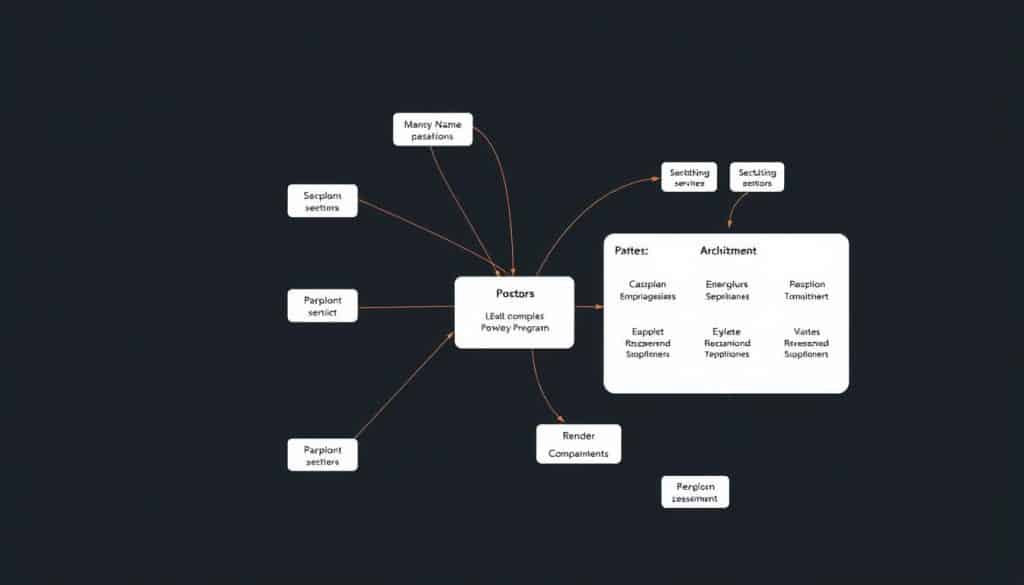
Understanding the basics of web app HTML is crucial for building robust and efficient business applications. HTML5, the latest evolution of the HTML standard, has introduced numerous features that enhance web application functionality and user experience.
Core HTML Elements for Functional Web Apps
Core HTML elements form the backbone of any web application. These elements include structural components like <header>, <nav>, <main>, and <footer>, which help in organizing content and improving accessibility. By using these elements effectively, developers can create a solid foundation for their web app.
Structuring Your Business Application
A well-structured web application is essential for providing a seamless user experience. HTML5’s semantic elements, such as <article> and <section>, help in defining the structure of web pages, making it easier for users and search engines to navigate. Proper structuring also enhances the maintainability and scalability of the application.
HTML5 Features That Enhance User Experience
HTML5 has introduced several features that significantly enhance the user experience of web applications. Some of these features include:
- Native audio and video support, eliminating the need for third-party plugins.
- Canvas and SVG elements for sophisticated data visualizations.
- Local storage capabilities for offline functionality.
- Geolocation features for location-based services.
- Semantic elements for improved accessibility and SEO.
- Form enhancements like input validation and specialized input types.
By leveraging these features, businesses can create more engaging, interactive, and user-friendly web applications that meet the needs of their target audience in Qatar and beyond.
Planning Your Business Web Application

Effective planning is crucial for developing a successful business web application that meets your organizational needs. A well-planned web app ensures that you address specific business problems while providing a seamless user experience.
Identifying Business Problems Your Web App Will Solve
The first step in planning your web application is to identify the business problems it will solve. This involves understanding your organization’s pain points and determining how a web app can provide solutions. By doing so, you can create a clear roadmap for your application’s development.
Market Research and Competitor Analysis
Conducting thorough market research and competitor analysis is vital to understanding your target audience and the competitive landscape. This research helps you identify gaps in the market and opportunities to differentiate your web application. For more insights on planning a successful web application, you can refer to our comprehensive guide on planning the perfect web application.
Defining Core Functionality and Features
Defining the core functionality and features of your web app is critical to its success. It’s essential to prioritize features that address the identified business problems and provide value to your users. Creating a prioritized feature list helps focus development efforts on the most critical functionality. Some key considerations include distinguishing between “must-have” and “nice-to-have” features, using user stories to translate business requirements into specific functionality, and defining acceptance criteria for each feature.
By following these steps, you can ensure that your web application is well-planned, meets your business objectives, and provides a valuable experience for your users.
Designing Your Web App Architecture

A robust web app architecture is the backbone of any successful digital business solution. It encompasses not just the technical framework but also the overall design and user experience. When we design a web application, we need to consider several critical factors that influence its performance, scalability, and usability.
Sketching Your Web App Interface
The first step in designing your web app architecture is sketching the user interface. This involves creating a visual representation of your application’s layout, including the placement of key elements such as buttons, menus, and content sections. A well-designed interface is crucial for engaging users and ensuring a smooth navigation experience. We can use various design tools like Sketch, Adobe XD, or Figma to create these initial sketches.
Planning User Workflows and Navigation
Once the interface is sketched, the next step is to plan the user workflows and navigation. This involves determining how users will interact with your application, the paths they will take to complete tasks, and how to make the process as intuitive as possible. Effective navigation is key to a positive user experience, reducing friction and increasing the likelihood of achieving your business goals.
- Identify the core tasks users need to accomplish.
- Map out the steps required to complete these tasks.
- Simplify the navigation to minimize user confusion.
Creating Wireframes and Prototypes
Creating wireframes and prototypes is a crucial step in the design process. Wireframing involves designing a blueprint of your web application, focusing on the structure and layout without the distraction of visual design elements. Prototyping takes this a step further by adding interactivity, allowing stakeholders and potential users to experience the application flow before development begins. Tools like Figma and Adobe XD are popular choices for wireframing and prototyping due to their collaborative features and ease of use.
By following these steps and utilizing the right tools, we can create a web app architecture that is both functional and user-friendly, setting the stage for a successful digital business solution.
Building the Frontend with HTML and CSS
A well-designed frontend, leveraging HTML and CSS, is essential for creating a positive user experience and driving business growth. CSS is the language that allows you to make webpages visually appealing by controlling various visual aspects such as text and background colors, widths, heights, and margins.
Creating Responsive Layouts for Business Applications
To ensure a smooth user experience across different devices, creating responsive layouts is crucial. This involves using CSS to apply different styles based on the screen size and device, ensuring that your web application remains functional and visually appealing.
Implementing Business-Focused UI Components
When implementing UI components, it’s essential to focus on the specific needs of your business application. This includes designing intuitive navigation, clear typography, and appropriate use of color to guide the user’s attention. By doing so, you can enhance the overall usability of your application.
Optimizing User Experience for Customer Engagement
Optimizing the user experience is critical for customer engagement. This can be achieved by implementing several strategies, including:
- Strategic use of visual hierarchy to direct user attention to key elements.
- Consistent design patterns to reduce cognitive load.
- Thoughtful microinteractions to provide feedback.
- Performance optimization to ensure quick responses to user inputs.
- Accessibility features to expand your market reach.
- Personalization capabilities to increase user engagement and satisfaction.
By focusing on these aspects and leveraging HTML and CSS effectively, you can create a robust frontend for your web application that enhances user experience and drives business success.
| Frontend Element | Description | Impact on User Experience |
|---|---|---|
| Responsive Layout | Adapts to different screen sizes and devices | Enhances usability across various platforms |
| UI Components | Intuitive navigation, clear typography, and color usage | Improves overall application usability |
| Performance Optimization | Ensures quick response to user inputs | Reduces frustration and abandonment |
Developing Backend Functionality
The backbone of any successful web app lies in its backend functionality, which we will explore in detail. A well-designed backend is crucial for ensuring the scalability, security, and performance of your web application.
Choosing the Right Backend Technology
Selecting the appropriate backend technology is a critical decision that affects the overall efficiency and scalability of your web app. Factors such as the type of data you will be handling, the expected traffic, and the need for real-time processing should guide your choice.
Database Architecture for Business Data
A database is simply a collection of data, which can be stored on disk, in memory on a server, or both. A Database Management System (DBMS) provides consistent APIs to create, update, delete, read, and write data, as well as secure access to the database.
When designing your database architecture, consider the following key aspects:
- Designing robust APIs for seamless communication between frontend and backend components.
- Implementing RESTful architecture principles for scalable API design.
- Creating comprehensive API documentation for future maintenance.
Connecting Frontend and Backend Systems
Connecting your frontend and backend systems efficiently is vital for a smooth user experience. This involves establishing secure authentication and authorization mechanisms, optimizing data transfer, and implementing error handling and logging systems.
| Backend Component | Description | Benefits |
|---|---|---|
| API Design | Creating robust APIs for frontend-backend communication | Scalability, Maintainability |
| Database Management | Managing data storage and retrieval efficiently | Data Integrity, Performance |
| Authentication Mechanisms | Securing access to business data | Security, Compliance |
By focusing on these critical backend components, we can ensure that your web application is not only functional but also secure and scalable. As we continue to develop your web app, we will prioritize these aspects to drive business growth and success.
Implementing Web App HTML Solutions for Different Business Needs
The versatility of web app HTML solutions makes them suitable for various business needs in Qatar. Businesses are leveraging these solutions to enhance their operational efficiency, customer engagement, and overall competitiveness.

E-commerce Solutions
E-commerce is a significant sector where web app HTML solutions are making a substantial impact. By creating responsive and interactive e-commerce platforms, businesses can improve customer experience, streamline transactions, and increase sales.
Key features include:
- Responsive design for optimal user experience across devices
- Secure payment gateways for safe transactions
- Personalized product recommendations to enhance customer engagement
Customer Relationship Management Systems
Web app HTML solutions are also pivotal in developing Customer Relationship Management (CRM) systems. These systems help businesses manage customer interactions, track sales, and analyze customer data to make informed decisions.
Benefits include:
- Centralized customer data management
- Automated sales tracking and reporting
- Enhanced customer service through timely follow-ups
Business Process Automation Tools
Business Process Automation (BPA) is another area where web app HTML solutions are being effectively utilized. BPA tools help in automating repetitive tasks, improving workflow efficiency, and reducing manual errors.
Examples of BPA tools include:
- Creating workflow automation systems that reduce manual tasks and improve operational efficiency.
- Implementing approval process tools that streamline decision-making while maintaining appropriate oversight.
- Developing document management systems that organize and control business information effectively.
- Creating form-based data collection tools that standardize information gathering across the organization.
- Implementing notification systems that keep stakeholders informed throughout business processes.
- Designing reporting tools that provide visibility into process performance and bottlenecks.
- Creating integration capabilities with existing business systems to create comprehensive automation solutions.
By implementing these web app HTML solutions, businesses in Qatar can achieve significant improvements in efficiency, customer satisfaction, and overall competitiveness.
Testing and Validating Your Web Application
The success of your web application hinges on rigorous testing and validation to ensure it meets business objectives. At this stage, we focus on gathering constructive feedback from representative users to refine your web app.
User Testing Methodologies
We start by identifying a small group of users from your target market to test your web app. This involves presenting your solution to potential customers and gathering feedback to improve the user experience.
Performance Optimization Techniques
Optimizing your web app’s performance is crucial for maintaining user engagement. This includes ensuring fast load times, smooth navigation, and responsive design.
Security Testing for Business Applications
Security is paramount for business applications. We conduct thorough security testing, including vulnerability assessments, penetration testing, and validating data validation mechanisms to prevent injection attacks.
| Security Measure | Description | Benefit |
|---|---|---|
| Vulnerability Assessments | Identifying potential security weaknesses | Enhanced security posture |
| Penetration Testing | Evaluating resistance to common attack vectors | Improved threat detection |
| Data Validation | Preventing injection attacks and data corruption | Data integrity and security |
By implementing these testing methodologies, we ensure your web application is not only functional but also secure and optimized for performance, ultimately driving business growth in Qatar.
Deploying and Hosting Your Business Web App
Effective deployment and hosting strategies are vital for the success of your business web app. Deploying a web application is a complex process that involves several critical steps, from choosing the right hosting solution to ensuring minimal disruption during deployment and maintaining the app post-deployment.
Choosing the Right Hosting Solution
Selecting the appropriate hosting solution is fundamental to the performance and reliability of your web app. We consider factors such as scalability, security, and cost when evaluating hosting options. For instance, configuring our Apache server’s .htaccess` file to define the main directory file and setting environment variables enhances performance and security. Specifically, we tell the server to look for an `index.php` file first, then `index.html`, define the `ROOT_URL` environment variable, and restrict direct access to sensitive files like `subscribe.html`, ensuring that only PHP files can read and return them.
Deployment Strategies for Minimal Disruption
To minimize disruption, we adopt deployment strategies that ensure smooth transitions. This includes blue-green deployments and canary releases, which allow us to test new versions of the app without affecting the live version. For more information on deployment strategies, visit MDN Web Docs on Deployment.
Monitoring and Maintenance Best Practices
Post-deployment, monitoring and maintenance are crucial for the ongoing success of the web app. We implement comprehensive monitoring systems to track application performance and availability, as outlined in our expert SEO maintenance and monitoring services. Key practices include:
- Implementing log management systems for troubleshooting and performance analysis.
- Creating documentation for effective maintenance and knowledge transfer.
- Establishing backup procedures to protect business data.
| Best Practice | Description | Benefit |
|---|---|---|
| Comprehensive Monitoring | Track application performance and availability. | Early detection of issues. |
| Regular Maintenance | Keep systems updated and secure. | Reduced risk of security breaches. |
| Log Management | Facilitate troubleshooting and performance analysis. | Improved diagnostic capabilities. |
By following these best practices and strategies, we ensure that your business web app is not only successfully deployed but also maintained at optimal levels, providing a seamless experience for your users.
Traditional vs. Modern Development Approaches
The choice between traditional and modern web development approaches is crucial for businesses aiming to stay competitive. As we explore the various methods available, it’s essential to consider the benefits and limitations of each.
Slow-Code Development for Complete Control
Slow-code development involves manually writing code for every aspect of the web application. This approach provides complete control over the development process, allowing for customization and flexibility. However, it can be time-consuming and requires significant expertise.
Low-Code and No-Code Platforms for Rapid Deployment
Low-code and no-code platforms have emerged as alternatives to traditional development methods. These platforms enable rapid deployment of web applications with minimal coding requirements. They are ideal for businesses that need to quickly develop and deploy applications, but may lack the flexibility and customization options of slow-code development.
AI-Assisted Web App Development
AI-assisted development tools are transforming the way businesses create web applications. These tools can generate functional components based on natural language descriptions, create interface elements that follow best practices, and identify potential issues before they impact users. AI assistance is particularly valuable for prototyping and exploring different approaches quickly.
| Development Approach | Benefits | Limitations |
|---|---|---|
| Slow-Code Development | Complete control, customization, flexibility | Time-consuming, requires significant expertise |
| Low-Code and No-Code Platforms | Rapid deployment, minimal coding requirements | Limited flexibility and customization options |
| AI-Assisted Development | Accelerated development, reduced technical expertise required | Dependent on AI tool capabilities, potential limitations in complex applications |
As we consider the pros and cons of each development approach, it’s clear that the choice ultimately depends on the specific needs and goals of the business. By understanding the benefits and limitations of each method, businesses can make informed decisions and choose the best approach for their web application development needs.
Conclusion: Leveraging Web App HTML for Sustainable Business Growth
By harnessing the power of web app HTML, businesses can create a strong foundation for sustainable growth and success in the Qatari market. Web applications represent a strategic investment that can drive business growth in Qatar’s competitive landscape.
We have outlined a comprehensive approach to developing web applications that deliver meaningful results. By following this guide, businesses can build web solutions that improve efficiency, reduce costs, and enhance customer engagement.
The flexibility of HTML-based solutions allows businesses to adapt quickly to changing market conditions. Ongoing maintenance ensures web apps continue to deliver value as business needs evolve.
FAQ
What are the key benefits of using HTML5 features in business web applications?
HTML5 features enhance user experience by providing improved functionality, such as offline storage, canvas elements, and video playback, resulting in increased customer engagement and conversion rates.
How do I choose the right backend technology for my business web application?
When selecting a backend technology, consider factors such as scalability, security, and integration with your frontend systems, as well as the specific needs of your business, such as database architecture and API connectivity.
What is the importance of responsive layouts in business web applications?
Responsive layouts ensure that your web application is accessible and usable across various devices and screen sizes, providing a consistent user experience and improving customer satisfaction.
How can I optimize user experience for customer engagement in my web application?
To optimize user experience, focus on creating intuitive navigation, streamlining workflows, and implementing business-focused UI components that cater to your target audience’s needs and preferences.
What are the advantages of using low-code and no-code platforms for web application development?
Low-code and no-code platforms enable rapid deployment, reduce development time, and lower costs, allowing businesses to quickly respond to changing market conditions and customer needs.
How do I ensure the security of my business web application?
To ensure security, implement robust testing methodologies, follow best practices for secure coding, and regularly monitor your application for vulnerabilities and potential threats.
What are the best practices for deploying and hosting a business web application?
When deploying and hosting your web application, choose a reliable hosting solution, implement a deployment strategy that minimizes disruption, and establish ongoing monitoring and maintenance routines to ensure optimal performance.
How can I measure the success of my business web application?
To measure success, track key performance indicators (KPIs) such as user engagement, conversion rates, and customer satisfaction, and use data-driven insights to inform future development and optimization efforts.