

Did you know that paid advertisements have a 200% ROI? If you want to drive traffic, generate leads, and boost sales fast, paid advertising is the way to go. Unlike organic marketing, which takes time to gain traction, paid ads put your brand in front of the right audience instantly.
We will explore the comprehensive landscape of paid media and how it can transform your digital marketing strategy. By understanding the different channels available, from search engine marketing to social media promotions, you can allocate your budget effectively and achieve measurable results.
Key Takeaways
- Understand the various channels available for paid media advertising.
- Learn how to allocate your marketing budget effectively.
- Discover how paid ads can drive traffic and generate leads.
- Explore the role of search engine marketing in your overall strategy.
- Gain insights into the impact of social media promotions on your brand.
What Is Paid Media Advertising

The world of digital marketing is multifaceted, with paid media advertising playing a pivotal role in driving brand awareness and conversions. To effectively leverage paid media, it’s essential to understand its definition, core concepts, and how it differs from other forms of media.
Definition and Core Concepts
Paid media advertising involves a direct financial investment to place content on platforms you don’t control, such as social media advertising, search engine marketing, and display networks. This form of media allows businesses to reach a broader audience, drive website traffic, and generate leads.
At its core, paid media is about amplifying your brand’s message to a targeted audience. It requires a strategic approach to advertising, ensuring that your content resonates with your intended audience on various platforms, including search engines.
Paid vs. Owned vs. Earned Media
Understanding the distinction between paid, owned, and earned media is crucial for developing a balanced marketing strategy. Here are the key differences:
- Paid media involves direct financial investment to place content on external platforms.
- Owned media encompasses channels your brand controls, such as your website, blog, and organic social media profiles.
- Earned media represents the organic publicity your brand receives through customer reviews, social media mentions, and word-of-mouth.
For a comprehensive digital marketing strategy, integrating all three types of media is key. By using paid media to amplify owned content and generate more earned media opportunities, businesses can create a powerful marketing ecosystem. For more insights on effective paid media strategies, visit our detailed guide.
Types of Paid Media Advertising
As the digital advertising market continues to expand, reaching a projected $786.2 billion by 2026, understanding the different types of paid media advertising becomes increasingly crucial. This growth underscores the importance of diversifying marketing strategies to effectively reach and engage with the target audience.
Overview of Major Categories
Paid media advertising encompasses a broad spectrum of strategies, including social media campaigns, search engine marketing, and display advertising across various platforms. Each category offers unique benefits and challenges, allowing brands to select the most effective channels for their marketing objectives. For instance, social media advertising enables precise targeting based on demographics, interests, and behaviors, while search engine marketing capitalizes on user intent, offering a powerful means to capture potential customers actively seeking related products or services.
Evolution of Paid Media in Digital Marketing
The landscape of paid media has evolved significantly, driven by technological advancements and changing consumer behaviors. Today, advertisers can leverage sophisticated targeting options and platforms to deliver highly personalized messages to their audience. This evolution has transformed how brands approach their marketing strategies, enabling more precise and effective campaigns.
Paid Media Landscape in Qatar
Qatar’s paid media landscape is characterized by high internet penetration and a tech-savvy population, making it an attractive market for advertisers. Social media platforms like Instagram, Facebook, and Snapchat are particularly popular, offering valuable channels to reach the target audience. Additionally, search engine marketing, particularly Google Ads, remains a cornerstone of paid media strategies, with capabilities for both Arabic and English language targeting. This environment presents unique opportunities for localized campaigns that respect cultural nuances while delivering compelling brand messages.
Pay-Per-Click (PPC) Advertising

PPC advertising has revolutionized the way businesses approach online marketing, offering a measurable and flexible approach to reaching potential customers. At its core, PPC involves creating ads that are displayed on search engines and other platforms, with the advertiser paying each time a user clicks on their ad.
How PPC Auction Systems Work
The PPC auction system is a complex process that determines which ads are displayed and in what order. It considers factors such as bid amount, ad relevance, and landing page quality. Understanding how this system works is crucial for creating effective PPC campaigns.
Google Ads and Microsoft Advertising
Two of the most popular PPC platforms are Google Ads and Microsoft Advertising. Google Ads offers extensive reach and sophisticated targeting capabilities, making it a favorite among advertisers. Microsoft Advertising, on the other hand, provides a less competitive environment and can be a cost-effective alternative.
Setting Up Your First PPC Campaign
To set up a successful PPC campaign, follow these essential steps:
- Choose a PPC platform that aligns with your business objectives.
- Conduct thorough keyword research to identify relevant search terms.
- Define your campaign structure by organizing keywords into themed ad groups.
- Set your budget and choose a bidding strategy that aligns with your campaign goals.
- Create compelling ad copy that includes your target keywords and features clear calls-to-action.
By following these steps and continually optimizing your campaigns, you can achieve significant returns on your PPC advertising spend.
Social Media Advertising
Social media advertising has become a cornerstone of digital marketing strategies, enabling businesses to reach a vast audience with precision. The main benefit of paid social ads is their capacity to target potential customers effectively, allowing advertisers to track performance metrics such as clicks, impressions, and conversions.
Ad Formats Across Platforms
Different social media platforms offer unique ad formats tailored to their specific user engagement patterns. For instance, Instagram’s visually-driven environment makes it ideal for businesses with compelling visual content, while LinkedIn’s professional network is suited for B2B marketing and thought leadership pieces.
Key ad formats include: image ads, video ads, carousel ads, and story ads, each designed to capture user attention in distinct ways.
Targeting and Segmentation
One of the most powerful aspects of social media advertising is its ability to target specific audience segments. By leveraging user data, advertisers can tailor their messages to resonate with different demographics, interests, and behaviors, thereby increasing the likelihood of conversion.
Performance in Qatar
In Qatar, social media advertising has shown remarkable effectiveness, driven by the country’s high social media penetration rate of over 99%. Instagram has emerged as a particularly powerful platform for brand awareness campaigns, thanks to its high engagement rates among the young and affluent demographic.
- Video content outperforms static images across all platforms.
- Ramadan campaigns show significantly higher engagement rates.
- Cross-platform strategies yield the strongest performance metrics.
By understanding these trends and leveraging the right social media platforms, businesses in Qatar can significantly enhance their brand visibility and engagement.
Display Advertising

Display advertising remains a crucial element in digital marketing strategies, offering businesses a wide reach and impactful brand visibility. As we delve into the world of display advertising, it’s essential to understand its various facets and how they contribute to a successful campaign.
Banner Ads and Rich Media Formats
Banner ads are a staple of display advertising, coming in various sizes and formats to suit different website layouts and audience engagement strategies. Rich media formats, including interactive elements like videos and animations, enhance user engagement by providing a more immersive experience. These formats can significantly boost conversion rates by making ads more compelling and interactive.
Google Display Network and Alternatives
The Google Display Network is one of the largest and most effective platforms for display advertising, allowing advertisers to reach a vast audience across millions of websites and apps. However, it’s not the only option; alternatives like Microsoft Advertising and other niche display networks offer unique targeting capabilities and audience reach. By diversifying your display ad campaigns across multiple networks, you can optimize your targeting and improve overall campaign performance.
Retargeting Strategies for Higher Conversion
Retargeting is a powerful strategy within display advertising that focuses on re-engaging users who have previously interacted with your brand or visited your website. By leveraging retargeting ads, you can keep your brand top-of-mind for potential customers and encourage them to complete a conversion. Effective retargeting involves segmenting your audience and tailoring your messaging to resonate with different groups, ultimately driving higher conversion rates.
By incorporating these strategies into your display advertising campaigns, you can enhance your brand’s online presence, engage your target audience more effectively, and drive meaningful conversions.
Video Advertising

As we dive into the world of paid media advertising, video advertising stands out as a key player. With the rise of platforms like YouTube and TikTok, video ads have become an essential tool for marketers looking to increase brand awareness and engage with their target audience.
YouTube Ads and TikTok Promotions
YouTube and TikTok offer robust video advertising solutions. On YouTube, advertisers can use various ad formats such as skippable and non-skippable in-stream ads, while TikTok offers in-feed ads and branded effects. Both platforms provide targeting options that help advertisers reach their desired audience effectively.
In-Stream vs. Out-Stream Video Ads
Video ads can be categorized into in-stream and out-stream ads. In-stream ads run before, during, or after video content on platforms like YouTube. Out-stream ads, on the other hand, appear on websites without a video player, often as pop-ups or banner ads. Understanding the difference between these ad types is crucial for creating effective video ads.
Creating Engaging Video Content for Ads
To create compelling video content, we recommend several strategies:
– Front-load your message in the first 5 seconds to capture viewers’ attention.
– Design for sound-off viewing by using captions and visual storytelling.
– Keep mobile viewers in mind by using tight framing and large text.
– Incorporate your brand naturally throughout the video.
– Create emotional connections through storytelling or humor.
– Test multiple creative approaches to identify the most effective elements.
By following these tips, advertisers can create ads that resonate with their audience and drive meaningful engagement.
For the Qatari market, it’s essential to consider cultural sensitivities and local preferences while maintaining production quality that meets international standards. By doing so, advertisers can ensure their video ads are both effective and respectful.
Native Advertising

Native advertising has become a crucial strategy for brands aiming to connect with their audience in a more organic manner. As we explore this topic, it’s essential to understand how native ads can be effectively used to enhance brand visibility and engagement.
Seamless Integration with Platform Content
One of the key benefits of native advertising is its ability to blend in with the platform’s content, making it less intrusive for users. This seamless integration is crucial for creating a positive user experience while still achieving marketing goals. For examples of successful native advertising campaigns, you can visit WordStream’s blog on native advertising examples.
Sponsored Content and Advertorials
Sponsored content and advertorials are common formats used in native advertising. These formats allow brands to promote their products or services in a way that is both engaging and relevant to the audience. Sponsored content should be clearly labeled to maintain transparency and trust with the audience.
Disclosure Requirements and Best Practices
When it comes to native advertising, transparency is key. Regulatory bodies like the FTC require clear disclosure of commercial relationships to prevent consumer deception. Here are some best practices for disclosure:
- Use clear language such as “Sponsored,” “Promoted,” or “Advertisement.”
- Place disclosures at the beginning of content or before users engage with it.
- Use visual cues like different background colors or borders to make sponsored content stand out.
- Ensure disclosures are visible and legible on smaller screens.
By following these guidelines, we can make sure that our native advertising efforts are both effective and compliant with regulatory requirements.
Programmatic Advertising
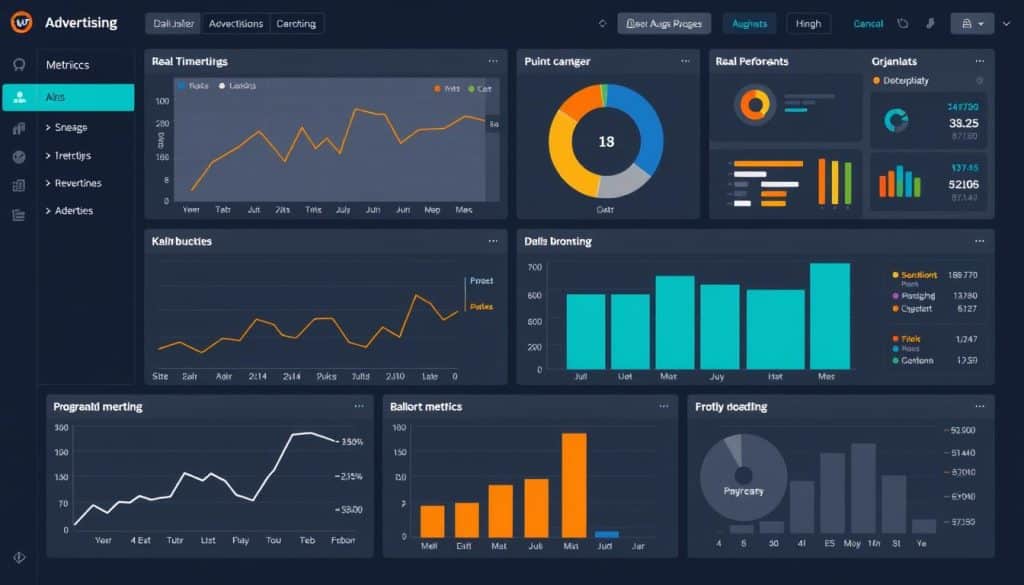
Programmatic advertising is revolutionizing the way businesses reach their target audience in Qatar. By leveraging vast data sets, it delivers unprecedented targeting precision and continuous campaign optimization.
Automated Buying and Real-Time Bidding
Programmatic advertising automates the ad buying process, allowing for real-time bidding on ad inventory across multiple channels. This ensures that ads are delivered to the right people at the right time, maximizing conversion rates.
With automated buying, businesses can manage their ad campaigns more efficiently, allocating their budget more effectively.
Data-Driven Targeting and Optimization
Programmatic advertising relies on data-driven targeting to reach the desired audience. It uses first-party data from CRM, website analytics, and customer interactions to form the foundation of programmatic targeting.
Third-party audience data enhances targeting capabilities, providing demographic, psychographic, and behavioral insights. Contextual targeting analyzes page content in real-time to place ads in relevant environments.
Predictive analytics and machine learning algorithms continuously optimize campaigns by identifying patterns in performance data and adjusting targeting parameters. Dynamic creative optimization (DCO) personalizes ad elements based on user data, increasing relevance and conversion rates.
Shopping and Ecommerce Advertising
In the digital age, ecommerce advertising is revolutionizing the way businesses promote their products and services. With the rise of online shopping, companies are leveraging ecommerce advertising platforms to reach their target audience and drive sales.

Google Shopping Ads and Product Listings
Google Shopping Ads allow businesses to promote their products directly in Google search results, making it easier for customers to find and purchase products. By using Google Shopping Ads, businesses can increase their online visibility and drive more sales.
Product listings are an essential part of Google Shopping Ads, providing customers with detailed information about the product, including price, reviews, and seller information.
Amazon Advertising and Marketplace Promotions
Amazon Advertising offers a range of solutions for businesses to promote their products within the Amazon ecosystem. With Amazon Sponsored Products, businesses can increase their product visibility and drive sales by targeting customers who are actively searching for similar products.
Amazon’s advertising capabilities extend beyond its own platform, with Amazon DSP allowing businesses to reach customers across the web and on third-party websites.
Influencer Marketing as Paid Media

In the ever-evolving digital marketing sphere, influencer marketing continues to gain traction as a vital paid media channel. As brands navigate the complex landscape of social media, partnering with influencers has become a strategic move to reach and engage target audiences.
Finding and Working with the Right Influencers
To leverage influencer marketing effectively, brands must identify and collaborate with influencers who align with their campaign objectives. This involves analyzing the influencer’s audience demographics, content relevance, and engagement rates to ensure they resonate with the brand’s target market.
Key considerations include: the influencer’s niche, content quality, audience engagement, and their ability to drive conversions. By carefully selecting influencers who embody the brand’s values and messaging, businesses can create authentic and impactful campaigns.
Measuring ROI from Influencer Campaigns
To accurately measure the return on investment (ROI) from influencer marketing campaigns, brands must establish clear objectives and corresponding metrics. This includes tracking engagement rates, conversions, and brand sentiment to gauge campaign effectiveness.
We implement unique tracking mechanisms such as custom URLs, promo codes, and UTM parameters to attribute results directly to specific influencers and content pieces. By comparing influencer campaign performance against other paid media channels, brands can determine relative efficiency and inform future budget allocation.
Choosing the Right Paid Media Mix

Selecting the optimal paid media mix is crucial for maximizing ROI in today’s competitive digital landscape. As businesses navigate the complex world of digital advertising, understanding how to allocate resources effectively across various platforms and ad types becomes increasingly important.
Aligning Ad Types with Business Goals
To create a successful paid media strategy, it’s essential to align your ad types with your business objectives. Different ad formats serve different purposes, from building brand awareness to driving conversions. For instance, display ads are effective for reaching a broad audience, while search ads are ideal for capturing high-intent users.
Budget Allocation Strategies
Effective budget allocation is critical to the success of your paid media campaigns. Setting a clear budget ensures that your efforts are financially sustainable and aligned with your overall marketing goals. To allocate resources efficiently, consider factors such as company size, campaign objectives, and available funds. Break down your budget by campaign or initiative, allocating funds based on priority, seasonality, and expected returns.
| Campaign Objective | Recommended Ad Type | Budget Allocation |
|---|---|---|
| Brand Awareness | Display Ads, Video Ads | 40% |
| Lead Generation | Search Ads, Social Media Ads | 30% |
| Conversion | Search Ads, Retargeting Ads | 30% |
Multi-Channel Campaign Integration
Creating cohesive multi-channel paid media campaigns is key to delivering consistent messaging while leveraging the unique strengths of each platform. Develop a unified campaign strategy with consistent key messages, visual identity, and calls-to-action. Implement sequential messaging that guides prospects through the customer journey, utilizing cross-platform retargeting to reconnect with users who have engaged with your brand on one channel.
Measuring Paid Media Success
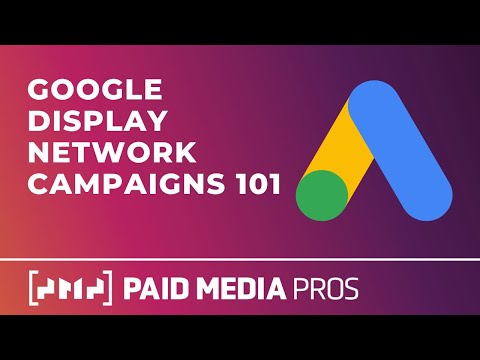
Understanding how to measure paid media success is vital for businesses aiming to thrive in digital marketing. To effectively gauge the performance of your media ads, you need to track the right metrics and make data-driven decisions.
Essential KPIs for Different Ad Types
Different ad types require tracking different Key Performance Indicators (KPIs). For instance, Pay-Per-Click (PPC) ads are often measured by click-through rates (CTR) and conversion rates, while social media ads might focus on engagement metrics like likes, shares, and comments.
| Ad Type | Primary KPI | Secondary KPI |
|---|---|---|
| PPC Ads | CTR | Conversion Rate |
| Social Media Ads | Engagement Rate | Conversion Rate |
| Display Ads | Impression Rate | CTR |
Attribution Models and Tracking
Attribution modeling is crucial for understanding how different touchpoints contribute to your campaign’s success. By using the right attribution model, you can accurately assess the impact of your ads across various channels. For more insights on optimizing ad spend, you can refer to our detailed guide on mastering paid ad spend.
We leverage various attribution models, including last-click, first-click, and multi-touch attribution, to get a comprehensive view of our campaigns‘ performance.
Optimizing Campaigns Based on Data
Once you’ve launched your media campaigns and started gathering performance data, it’s essential to optimize them regularly. We recommend checking your ad performance at least once a week to identify areas for improvement.
Our systematic approach to optimizing paid media campaigns involves:
- Establishing a regular optimization schedule
- Implementing A/B testing methodologies
- Analyzing performance data at multiple levels
- Leveraging platform-specific automation tools
- Applying audience insights to refine targeting strategies
- Incorporating cultural calendar awareness for campaigns targeting Qatar
By following these strategies and continuously monitoring your ad performance, you can optimize your budget allocation and improve your overall return on ad spend (ROAS).
Conclusion
With the global digital paid advertising market projected to reach $786.2 billion by 2026, the importance of paid media cannot be overstated. As we’ve explored throughout this guide, the diverse landscape of types of paid media advertising offers businesses a wide array of opportunities to reach and engage with their target audience across various platforms.
From social media advertising to search, display, video, native, and programmatic advertising, each type serves different stages of the customer journey—from building brand awareness to driving conversions and fostering loyalty. The key to success lies not in choosing a single advertising channel but in developing an integrated approach that leverages multiple platforms to create a cohesive customer experience.
To maximize the effectiveness of your paid media campaigns, it’s crucial to align your strategy with your business goals and objectives, leverage data and audience signals, and regularly monitor, analyze, and optimize performance. By focusing on user-centric content, adapting to changing trends, and continuously refining your approach, your brand will gain maximum reach, recognition, and ROI.
As digital platforms evolve and consumer behaviors shift, staying adaptable and embracing emerging ad formats and technologies will be crucial for maintaining a competitive advantage. For businesses operating in Qatar’s dynamic market, paid media advertising offers unprecedented opportunities to reach both local and global audiences with precision and impact.
By applying the frameworks, strategies, and best practices outlined in this guide, you’re well-equipped to develop paid media campaigns that drive meaningful business results for your organization. Remember, the most successful paid media practitioners balance creativity and analytics, combining compelling messaging and visuals with rigorous performance analysis.
FAQ
What is the primary goal of using paid media advertising?
The primary goal of using paid media advertising is to increase brand awareness and drive revenue growth by reaching a targeted audience through various digital channels.
How do I choose the right paid media mix for my business?
To choose the right paid media mix, we need to align our ad types with business goals, allocate budget effectively, and integrate multi-channel campaigns to maximize ROI.
What are the benefits of using social media ads?
Social media ads offer advanced targeting options and audience segmentation, allowing us to reach our desired audience and increase brand awareness on platforms like Facebook and LinkedIn.
How does Google Ads work?
Google Ads operates on a pay-per-click (PPC) model, where we bid on specific keywords to display our ads in search engine results, driving traffic to our website.
What is the difference between in-stream and out-stream video ads?
In-stream video ads are displayed before, during, or after video content on platforms like YouTube, while out-stream video ads are displayed outside of video content, often in a webpage or mobile app.
How can I measure the success of my paid media campaigns?
To measure the success of our paid media campaigns, we track essential KPIs such as click-through rates, conversion rates, and return on ad spend, and use attribution models to optimize our campaigns.
What is programmatic advertising, and how does it work?
Programmatic advertising involves using automated systems to buy and optimize ad space in real-time, allowing for more efficient and effective ad targeting and budget allocation.
How can I create engaging video content for my ads?
To create engaging video content, we focus on producing high-quality, relevant, and concise videos that capture our audience’s attention and drive conversions.