Did you know that interactive motion graphics can increase user engagement by up to 400%? In today’s digital landscape, a static interface is no longer enough to captivate users and drive meaningful interactions.
We believe that incorporating thoughtful motion design into UI/UX is crucial for differentiating your brand and creating memorable user journeys that convert visitors into loyal customers.
By guiding navigation, providing feedback, and establishing hierarchy, motion design serves critical functional purposes that enhance usability and create emotional connections with users.
Key Takeaways
- Understand the fundamentals of motion design in UI/UX
- Learn how to enhance usability through strategic motion design implementation
- Discover essential tools to elevate your digital presence
- Explore practical applications of motion design in UI/UX
- Create memorable user journeys that drive conversions
Understanding Motion Design in UI/UX
As digital interfaces continue to evolve, motion design plays a vital role in enhancing user experience. Motion design is a thriving creative discipline that merges animation with graphic design elements to create dynamic digital content called motion graphics.
What Is Motion Design?
Motion graphics encompass typography, illustrations, pictures, and other graphic design elements, brought to life through animation principles, such as movement, timing, and sequencing. At its core, motion design combines animation principles with graphic design elements to create purposeful movement that enhances usability while reinforcing brand identity and emotional connection.
The Difference Between UX Motion Design and UI Animations
When discussing motion graphics in web design, there’s an important distinction between UX motion design and UI animations. UX motion design is a foundational aspect of the user experience strategy, while UI animations often refer to decorative elements added as an afterthought. Understanding that motion design isn’t merely aesthetic but functional helps designers create more intuitive interfaces where movement serves to reduce cognitive load and create more natural digital interactions.
Motion design represents the strategic integration of movement into digital interfaces, transforming static elements into dynamic experiences that guide users and communicate functionality beyond what’s possible with static design alone. The evolution of motion design has accelerated with the proliferation of smartphones and touch interfaces, making it an essential consideration for creating competitive digital products that meet modern user expectations.
Core Principles of Effective Motion Design UI UX
Effective motion design in UI/UX is guided by core principles that prioritize user experience and functionality. These principles are crucial in creating purposeful animations that enhance rather than distract from core interactions. As we explore these principles, it’s essential to understand how they contribute to a seamless user experience.
Timing and Responsiveness
Timing and responsiveness form the foundation of professional motion design. Mastering the perfect duration and easing functions creates natural-feeling animations that respond appropriately to user input without causing frustration or delay. Animations that are too fast can feel abrupt or distracting, while those too slow may frustrate users. Effective motion graphics require a balance that enhances the user experience.
Hierarchy and Continuity
Hierarchy established through motion helps users intuitively understand relationships between elements. Synchronized movements create visual connections that guide users through complex interfaces with minimal cognitive effort. Continuity involves viewing animations as one uninterrupted and logical flow, rather than isolated designs. This continuity is key to a cohesive user experience.
Consistency and Multimodality
Consistency in motion design creates a cohesive language throughout the interface, allowing users to predict behavior and interact more confidently while reducing learning curves and cognitive load. Multimodality combines motion with words, sounds, and haptic effects for a more immersive experience. This multimodal approach reinforces important interactions and creates memorable moments.
Purpose-Driven Animation
Purpose-driven animation ensures every movement serves a specific function—whether providing feedback, guiding attention, or communicating state changes—making interfaces feel more responsive and alive. By focusing on purpose, designers can create animations that are both functional and engaging.
| Principle | Description | Benefit |
|---|---|---|
| Timing and Responsiveness | Mastering duration and easing functions | Natural-feeling animations |
| Hierarchy and Continuity | Establishing visual relationships and flow | Intuitive understanding of UI elements |
| Consistency and Multimodality | Creating a cohesive language and immersive experience | Enhanced user confidence and engagement |
| Purpose-Driven Animation | Focusing on functional movements | Responsive and engaging interfaces |
How Motion Design Enhances User Experience

The strategic use of motion design significantly improves user experience by making digital interactions more intuitive and responsive. As users navigate through a website or application, motion design plays a crucial role in guiding their attention and enhancing their overall experience.
Creating Memorable First Impressions
First impressions are crucial in digital interfaces. Motion design creates memorable entry points that immediately communicate brand personality while capturing user attention. A well-designed hero section with a stunning welcome animation can captivate viewers and make a strong first impression.
Guiding Navigation and Transitions
Motion design helps guide users through digital interfaces by creating clear spatial relationships between screens and elements. Transition animations act as friendly guides, providing users with an intuitive understanding of where they are and how they got there. This enhances navigation and reduces confusion.
Providing Visual Feedback
When users interact with digital elements, they expect confirmation of their actions. Motion design provides immediate visual feedback through animations, creating a sense of responsiveness that bridges the gap between physical and digital interactions. This reduces uncertainty and enhances the overall user experience.
Reducing Perceived Loading Times
Loading times can be a significant friction point in user experience. However, engaging animated loaders can create the impression that the loading time is shorter than it actually is. By focusing on the animation, users perceive the wait time as less significant, improving their overall experience.
| Aspect of User Experience | Role of Motion Design | Benefit to User |
|---|---|---|
| First Impressions | Creates memorable entry points | Captures user attention |
| Navigation | Guides users through transitions | Enhances intuitive understanding |
| Visual Feedback | Provides immediate confirmation | Reduces uncertainty |
| Loading Times | Creates engaging animations | Reduces perceived wait times |
For more insights on the importance of motion design in digital interfaces, visit Appinventiv’s blog on motion design. By incorporating motion design effectively, businesses can create a more engaging, intuitive, and responsive user experience that drives customer satisfaction and loyalty.
Practical Applications of Motion Design in Digital Interfaces

Motion design has become an integral part of digital interfaces, enhancing user experiences through various practical applications. As we continue to explore the capabilities of motion design, it becomes clear that its impact on digital interfaces is multifaceted, influencing everything from user engagement to brand identity.
Delighting Users with Micro-interactions
Micro-interactions are subtle animations that occur in response to user actions, making interactions more engaging and interesting. These micro-interactions create moments of delight that transform routine tasks into memorable experiences, building emotional connections with users. For instance, a button that changes color or shape when hovered over can make the interaction feel more dynamic and responsive.
- Micro-interactions enhanced by motion design create moments of delight that transform routine tasks into memorable experiences.
- Thoughtfully designed micro-interactions significantly increase engagement metrics and create positive associations with brands.
Bringing Data to Life Through Movement
Data visualization is another area where motion design proves invaluable. By incorporating motion, abstract numbers and statistics are transformed into compelling narratives that users can intuitively understand and remember. This is particularly useful in applications where complex data needs to be presented in an accessible manner.
- Data visualization becomes dramatically more effective when motion is incorporated.
- Motion introduces an element of change to displayed values, turning numbers into a mesmerizing story.
Expressing Brand Personality
Motion design also plays a crucial role in expressing brand personality. The characteristics of movement, such as being smooth, energetic, precise, or playful, can communicate brand values more effectively than static elements alone. This helps in creating a consistent brand identity across different digital touchpoints.
- Brand personality finds powerful expression through motion design.
- Movement characteristics communicate brand values more effectively than static elements alone.
Balancing Functional and Decorative Animations
The strategic balance between functional and decorative animations is a key decision point in motion design. While functional animations prioritize usability and information hierarchy, decorative elements create emotional connections and memorable moments. A well-balanced approach ensures that the digital interface is both usable and engaging.
- Functional animations prioritize usability and information hierarchy.
- Decorative animations create emotional connections and memorable moments.
By understanding and leveraging these practical applications of motion design, we can create digital interfaces that are not only aesthetically pleasing but also highly functional and engaging.
Essential Tools for Creating Motion Design UI UX
To create effective motion design for UI/UX, designers rely on specialized tools that bridge the gap between design vision and technical implementation. These tools enable the creation of engaging and interactive user experiences.
Principle for Interface Prototyping
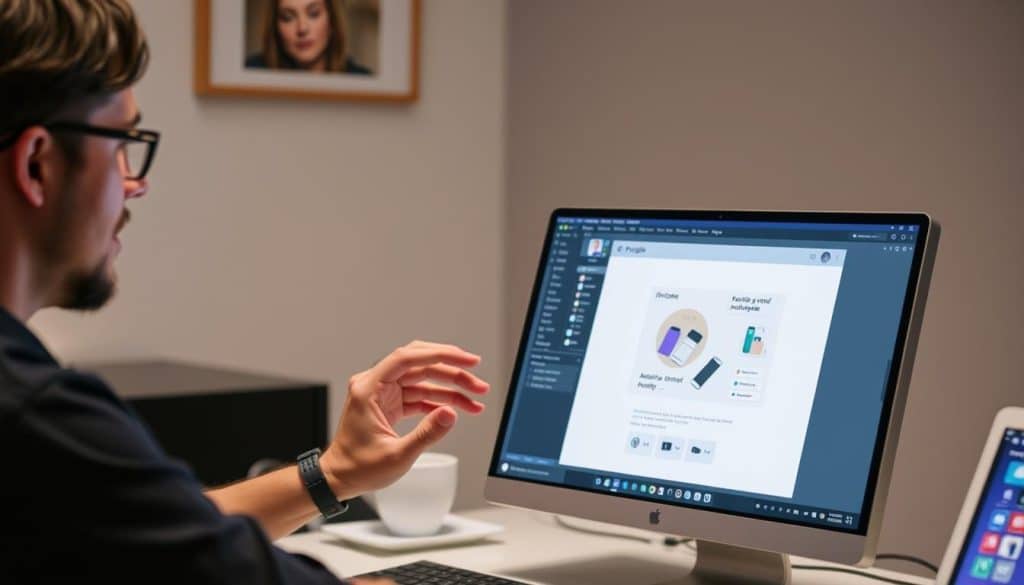
Principle has emerged as a premier tool for interface prototyping, allowing designers to quickly create and test animated flows between screens with minimal learning curve and maximum efficiency. Its seamless integration with design tools like Sketch and Figma streamlines the workflow, enabling rapid iteration and testing of motion design concepts.
Adobe After Effects with Bodymovin
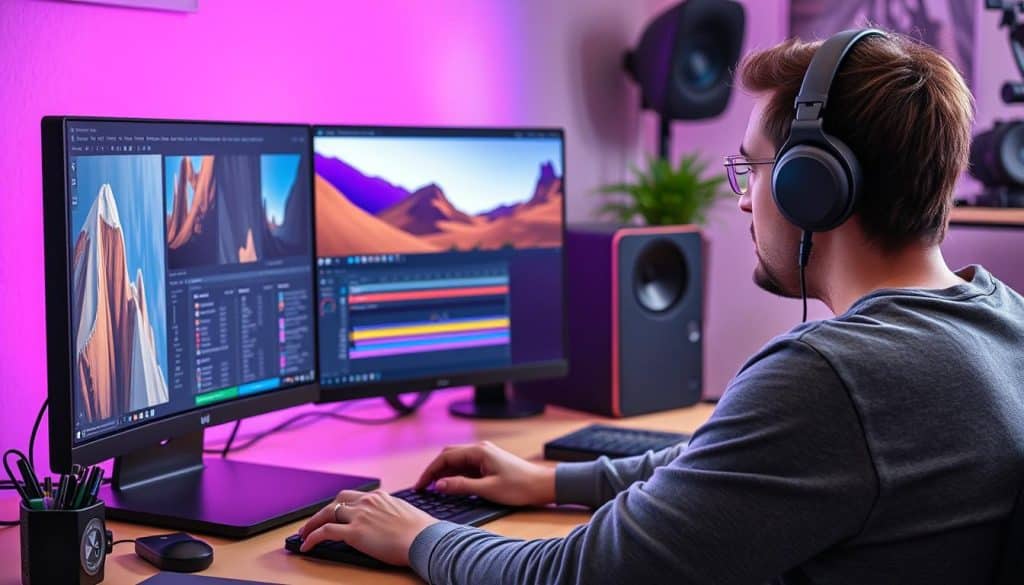
Adobe After Effects remains the industry standard for creating complex, high-fidelity animations, with its comprehensive toolset allowing for precise control over every aspect of movement, timing, and visual effects. The Bodymovin plugin revolutionizes motion design implementation by enabling the export of complex animations to lightweight code.
Lottie for Web and Mobile Implementation
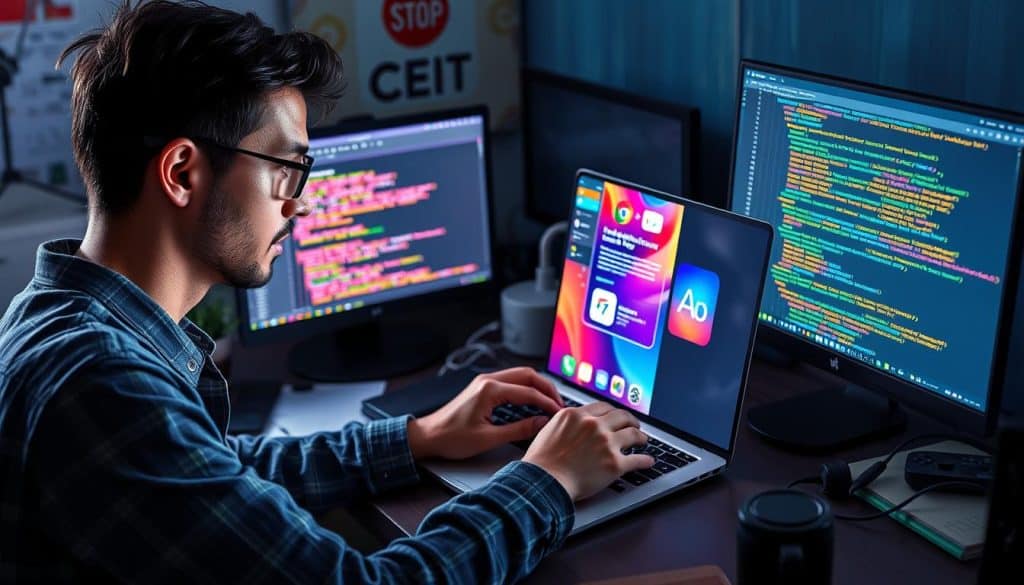
Lottie has transformed how animations are implemented in digital products, solving historical challenges with file size and performance by rendering vector animations efficiently across platforms and devices. It supports the export of complex shapes, masks, and other advanced features from Adobe After Effects through the Bodymovin plugin.
By understanding the appropriate tool for different motion design challenges, teams can create more efficient workflows that balance creative expression with technical feasibility and performance considerations.
Conclusion: The Future of Motion Design in Digital Excellence
With emerging technologies on the rise, motion design in UI/UX is poised to revolutionize the way we interact with digital products. As processing power increases and development frameworks mature, we’re seeing motion design become more sophisticated while simultaneously becoming more accessible to implement across platforms.
The most successful digital products of tomorrow will use motion not as decoration but as a fundamental aspect of their communication strategy, creating interfaces that feel alive, responsive, and emotionally resonant. For more insights on the future of graphic design trends, including motion graphics, check out this informative slideshow.
As we look to the future, it’s clear that motion design will continue to be a key differentiator in digital excellence, separating ordinary interfaces from extraordinary experiences that users remember and return to.
FAQ
What is the primary role of motion graphics in enhancing user experience?
We believe that motion graphics play a crucial role in enhancing user experience by providing visual feedback, guiding navigation, and creating memorable first impressions. By incorporating motion design elements, businesses can create a more engaging and interactive experience for their users.
How do I determine the right timing for animations in my digital interface?
We recommend considering the purpose of the animation, the type of content being presented, and the overall user flow when determining the timing for animations. A well-timed animation can enhance the user experience, while a poorly timed one can be distracting.
What are some essential tools for creating motion design UI UX?
We utilize a range of tools, including Principle for interface prototyping, Adobe After Effects with Bodymovin, and Lottie for web and mobile implementation. These tools enable us to create high-quality motion graphics and animations that enhance the user experience.
How can motion design be used to express brand personality?
We use motion design to express brand personality by incorporating elements that reflect the brand’s tone, style, and values. This can include custom animations, transitions, and micro-interactions that create a consistent and recognizable brand experience.
What is the difference between functional and decorative animations?
We distinguish between functional animations, which serve a purpose such as guiding navigation or providing feedback, and decorative animations, which are used to enhance the aesthetic appeal of the interface. A balanced approach that incorporates both types of animations can create a more engaging and effective user experience.
How can I measure the effectiveness of motion design in my digital interface?
We recommend tracking key metrics such as user engagement, conversion rates, and user satisfaction to measure the effectiveness of motion design. By analyzing these metrics, businesses can refine their motion design strategy and optimize their digital interface for better performance.