

As a multifaceted discipline, graphic design combines creativity, innovation, and technical skills to create impactful visual content. At its core, design is about communicating a message that resonates with the target audience.
Our comprehensive guide will delve into the fundamental principles and techniques that govern successful graphic design. We’ll explore how designers use various tools and methods to craft compelling visual communications that drive results. By understanding the role of design in branding, marketing, and product development, businesses can leverage the power of visual communication to achieve their goals. Check out our Graphic Design services to learn more about how we can help elevate your brand.
Key Takeaways
- Understand the fundamental principles of effective graphic design.
- Learn about various techniques used by professional designers.
- Discover how graphic design serves as a powerful communication tool.
- Explore the role of graphic design in branding and marketing.
- Gain insights into leveraging visual communication for business growth.
Understanding Graphic Design: Definition and Importance

Graphic design serves as a bridge between ideas and visual representation, making it a vital tool in today’s visually-driven world. As we explore the realm of graphic design, we uncover its multifaceted nature and the pivotal role it plays in effective communication.
Defining Graphic Design
Graphic design is the art of composing visual elements to convey information effectively. It involves the strategic use of typography, imagery, and compositional arrangement to transform abstract concepts into tangible design pieces. According to the Interaction Design Foundation, designers serve as interpreters who encode and interpret the message, making design an essential tool for global communication.
The Power of Visual Communication in Graphic Design
The purpose of graphic design extends beyond aesthetics; it’s about creating a visual language that transcends cultural and linguistic barriers. By combining design principles with psychology, marketing, and technology, designers can influence perception, evoke emotions, and drive specific actions. Effective graphic design is crucial for establishing brand identity, building consumer trust, and differentiating products and services in competitive markets, ultimately making design a cornerstone of successful business strategies.
The Evolution of Graphic Design: A Brief History
As we explore the evolution of graphic design, we uncover a fascinating journey that spans centuries. The field of design has its roots in ancient times, with early forms of visual communication evident in cave paintings and medieval manuscripts.
From Ancient Times to the Digital Age
The history of graphic design is closely tied to significant technological advancements. The invention of Gutenberg’s printing press in the 15th century revolutionized the spread of information, making it a pivotal moment in the development of design. As we progressed through the Industrial Revolution, graphic design evolved from a craft-based practice to a formalized profession, with advertising playing a crucial role in shaping modern design approaches.
Key Movements That Shaped Modern Graphic Design
Several key art movements have significantly influenced the development of graphic design. The Art Nouveau style, with its sinuous lines and flowing curves, contributed to the aesthetic of early 20th-century design. The Bauhaus movement further transformed graphic design by emphasizing form and function. Later, Swiss Design and Postmodernism also left their mark on the field, each contributing to our current understanding of visual communication and art.
- The rise of printing technology enabled mass production of visual materials, expanding the reach of graphic design.
- Technological advancements, from letterpress to digital tools, have continuously transformed the process and possibilities of design.
- The influence of various art movements has enriched the field of graphic design, shaping its evolution.
Core Principles of Graphic Design

Graphic design is guided by a set of core design principles that help designers create cohesive and effective visual communications. These principles are the foundation upon which all successful designs are built, ensuring that the final product is both aesthetically pleasing and functional.
Balance and Alignment
Balance refers to the distribution of visual elements in a design, creating a sense of stability. Alignment is about arranging elements along a grid or axis, providing structure. Together, they guide the viewer’s eye effectively through the composition. Techniques for achieving both symmetrical and asymmetrical balance are crucial for creating visually appealing designs.
Contrast and Emphasis
Contrast is used to create visual interest by making elements distinguishable from one another. Emphasis involves drawing attention to specific parts of the design. By using contrast effectively, designers can highlight key information and create dynamic tension within their work, making the design more engaging.
Hierarchy and Flow
A clear hierarchy organizes information, guiding the viewer through the content in a predetermined sequence. Flow refers to the path the viewer’s eye takes. A well-designed hierarchy and flow ensure that the viewer can easily navigate the design and understand its message.
Unity and Consistency
Unity refers to the cohesiveness of a design, making it feel intentional and professional. Consistency is key to maintaining this unity, especially in multi-piece campaigns or brand systems. By applying consistent design elements, designers can create a recognizable and cohesive visual identity.
By mastering these core principles of design, graphic designers can create effective visual communications that capture the audience’s attention and convey the intended message clearly.
Essential Elements of Graphic Design
To create compelling visual communications, graphic designers rely on fundamental elements that work together to convey messages effectively. These elements are the building blocks of graphic design, and understanding their roles is crucial for producing high-quality designs.
Typography and Fonts
Typography is a critical element in graphic design, as it conveys the message and sets the tone for the visual communication. The choice of font can significantly impact the readability and aesthetic appeal of a design. Designers must consider factors such as typographic hierarchy, font selection, and readability to ensure that the text is both visually appealing and easy to read.
Color Theory and Psychology
Color plays a vital role in graphic design, influencing emotions and perceptions. Understanding color theory and psychology enables designers to make informed decisions about color choices that can evoke specific emotions, enhance brand recognition, and guide user behavior. Strategic use of color can significantly impact the effectiveness of a design.
Shapes and Forms
Shapes and forms are essential visual elements that communicate different messages and associations. From geometric to organic shapes, designers can use these elements to reinforce concepts and create visual interest. By carefully selecting and arranging shapes, designers can add depth and complexity to their designs.
Space and Layout
The thoughtful arrangement of elements and strategic use of negative space are crucial in creating balance, establishing relationships between content, and enhancing overall readability and user experience. Effective use of space and layout can make a design more engaging and easier to navigate.
By mastering these essential elements—typography, color, shapes, and space and layout—graphic designers can create visually appealing and effective designs that communicate their intended message.
- Understanding the fundamental elements of graphic design is crucial for creating effective visual communications.
- Each element, from typography to space and layout, plays a significant role in the overall impact of a design.
- By strategically using these elements, designers can enhance the functionality and aesthetic appeal of their work.
Full Information About Graphic Design Techniques
To create stunning visual content, graphic designers employ a range of techniques that blend traditional and digital methods. While computers are used for finalization, traditional tools like pencils remain useful for sketching concepts during the creative process. Many designers use a hybrid approach, combining hand-rendered layouts with computer-based technologies to produce polished visual products.
Digital Illustration Techniques
Contemporary digital illustration techniques have revolutionized the field of graphic design. From vector drawing and digital painting to character design and conceptual illustration, these approaches are applied in various commercial and artistic contexts. Designers use software like Adobe Illustrator to create scalable, high-quality illustrations that can be used across different media platforms.
- Create complex illustrations using vector graphics
- Employ digital painting techniques for artistic effects
- Design characters and conceptual illustrations for various applications
Photo Manipulation and Editing
Photo manipulation and editing are crucial skills in graphic design, allowing designers to transform ordinary images into powerful design assets. Professional workflows involve techniques such as retouching, compositing, color correction, and special effects. Designers use software like Adobe Photoshop to achieve precise control over image editing, ensuring that the final product meets the desired aesthetic and functional requirements.
- Retouch images to remove imperfections or unwanted elements
- Composite multiple images to create new scenes or effects
- Apply color correction to enhance the mood and consistency of images
Vector vs. Raster Graphics
Understanding the difference between vector and raster graphics is essential in graphic design. Vector graphics, created using mathematical equations, are resolution-independent and scalable without loss of quality. Raster graphics, composed of pixels, are resolution-dependent and can become pixelated when scaled up. Designers strategically choose between these formats based on project requirements, such as logos (vector) versus photographs (raster).
- Use vector graphics for logos, icons, and illustrations that require scaling
- Employ raster graphics for photographs and images that require detailed pixel information
- Consider the project’s specific needs when choosing between vector and raster graphics
Specialized Fields in Graphic Design
Specialized fields in graphic design are diverse, addressing different communication challenges through the application of fundamental design principles. Graphic designers can choose from a variety of specializations, each with its unique requirements and opportunities.
Brand and Visual Identity Design
Brand identity design services are crucial for creating a consistent visual identity across all touchpoints. Brand designers help companies strategically communicate and appeal to their audience by setting guidelines and best practices for branded materials. To explore more about brand identity, visit our website.

Editorial and Publication Design
Editorial or publication design is a form of graphic design that concerns both print and digital publications. Designers create engaging, readable layouts by balancing text and imagery, utilizing grid systems, and typography hierarchies. Effective editorial design enhances the reader’s experience and communicates the publication’s message clearly.
Packaging Design
The discipline of packaging design combines form and function to create packaging that not only protects products but also communicates brand values and attracts consumer attention. Packaging designers must consider both aesthetics and usability to enhance the user experience.
Motion Graphics and Animation
Motion graphics and animation extend static design principles into the dimension of time, creating dynamic visual experiences. Designers use motion graphics design software to craft engaging narratives through movement and transition, captivating audiences in various media, from film to digital advertising.
These specialized fields within graphic design demonstrate the breadth and depth of the industry, offering numerous paths for designers to apply their skills and creativity. By understanding the unique challenges and opportunities of each specialization, graphic designers can tailor their work to meet specific communication goals and audience needs.
The Intersection of Graphic Design and UX/UI Design
In today’s digital landscape, the intersection of graphic design and UX/UI design is where creativity meets functionality. As we continue to navigate the complexities of digital products, understanding this intersection is crucial for creating engaging and user-friendly experiences.
User Experience (UX) Design Principles
User Experience (UX) design is an iterative problem-solving process that begins with identifying a problem through user research. It’s about creating products that meet user needs and business objectives. Effective UX design enhances the overall user experience by making products more intuitive and user-friendly.
Key aspects of UX design include:
- Research and testing to understand user needs
- Iterative design processes to refine the product
- Focus on creating a seamless user journey
User Interface (UI) Design Elements
User Interface (UI) design is about creating the visual elements that users interact with. It involves crafting intuitive navigation systems, consistent visual language, and micro-interactions that enhance usability. Effective UI design is crucial for maintaining brand integrity while ensuring a positive user experience.
Essential UI design elements include:
- Intuitive navigation and information architecture
- Consistent visual language and branding
- Micro-interactions that enhance user engagement

Essential Tools and Software for Graphic Designers
To stay competitive, graphic designers must be proficient in a range of industry-standard software and emerging technologies. The right tools not only enhance productivity but also enable designers to execute their creative vision effectively across various media and specializations.
Industry-Standard Design Software
For graphic designers, proficiency in industry-standard software is crucial. The Adobe Creative Cloud suite is the benchmark, offering a range of applications tailored to different aspects of graphic design.
Adobe Photoshop is the industry standard for raster graphics editing, ideal for photo manipulation and editing. Adobe Illustrator is used for vector graphics, providing the precision needed for logo creation and illustrations. Adobe InDesign is the go-to application for layout and publishing, enabling designers to create professional-grade brochures, magazines, and more.

Emerging Tools and Technologies
The graphic design landscape is continuously evolving, with new tools and technologies emerging to simplify workflows and expand creative possibilities. AI-powered design assistants and generative design tools are revolutionizing the field by automating repetitive tasks and generating novel design concepts. Additionally, augmented reality (AR) interfaces are opening new avenues for interactive and immersive design experiences.

As graphic designers in Qatar and around the world navigate the demands of their profession, staying abreast of these developments is key to delivering cutting-edge designs that captivate audiences and drive business results.
Building a Successful Graphic Design Career
Building a successful career in graphic design requires a strategic approach to education, skill development, and portfolio creation. As the demand for skilled graphic designers continues to grow, understanding the key elements of a successful career is crucial.
Education and Skill Development
To excel in graphic design, one must consider various educational pathways. For those interested in formal training, graphic design courses in Qatar offer a range of options.
From degree programs to specialized certifications, the choices can be overwhelming. We recommend exploring self-directed learning and mentorship opportunities to complement formal education. Developing a well-rounded skill set that balances technical proficiency, creative thinking, and business acumen is essential for success in the field.
Creating an Impressive Portfolio
A well-crafted portfolio is vital for showcasing your skills to potential employers or clients. It should effectively demonstrate your unique strengths and problem-solving process.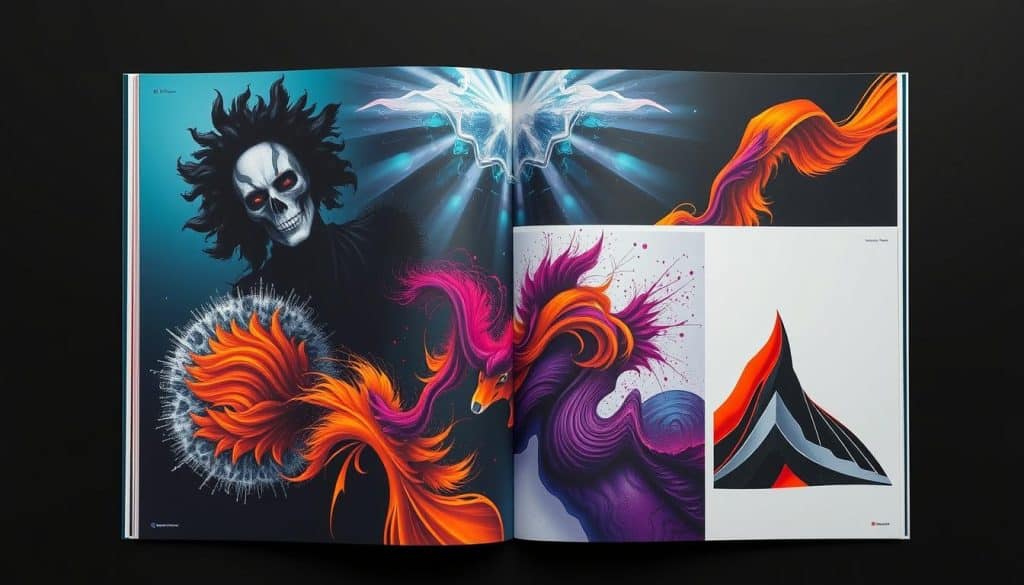
To create an impressive portfolio, focus on including a variety of projects that demonstrate your versatility and expertise in design. By doing so, you’ll be able to appeal to your target audience and stand out in the competitive graphic design industry.
Graphic Design Trends and Future Directions
Graphic design is not static; it evolves with technology, cultural shifts, and changing business needs. As we navigate this dynamic landscape, understanding current trends and future directions is crucial for designers and businesses alike.
Current Design Trends
Currently, graphic design is influenced by various trends, including minimalism, brutalism, and nostalgia-driven retro revivals. Emerging technologies like augmented reality (AR) and artificial intelligence (AI) are also transforming design practices, enabling more interactive and personalized visual experiences.
| Trend | Description | Impact |
|---|---|---|
| Minimalism | Simplified designs focusing on essential elements | Enhances clarity and user experience |
| Brutalism | Raw, unpolished designs often using raw shapes and typography | Creates a bold, unconventional aesthetic |
| Retro Revivals | Nostalgic designs inspired by past decades | Evokes emotional connections and nostalgia |
The Future of Graphic Design
Looking ahead, the future of graphic design will be shaped by advancements in technology and evolving user behaviors. Designers will need to balance aesthetic goals with social responsibility and environmental impact, ensuring their work is both visually compelling and sustainable.
Conclusion: The Enduring Value of Graphic Design
The essence of graphic design lies in its ability to give order to information and form to ideas, a principle that remains constant despite evolving techniques and tools. As we conclude our exploration, it’s evident that design continues to play a pivotal role in shaping our visual culture and influencing consumer behavior. Graphic designers, as visual problem-solvers, bridge the gap between art and commerce, balancing creative expression with strategic communication objectives.
The value of graphic design is underscored by its diverse applications, from magazine pages and book covers to websites and kinetic titles for TV programs and movies. As designers, they not only create visually appealing artifacts but also facilitate understanding in an increasingly complex world. By appreciating the significant impact of their work, both aspiring and established designers can embrace the responsibility that comes with creating visual communications that influence perception and behavior globally.
In conclusion, the enduring value of graphic design as a discipline and a form of visual communication is undeniable. Its continued evolution in response to technological and cultural changes ensures its relevance, reinforcing its importance in our daily lives and the global economy.
FAQ
What is the primary role of a graphic designer in a company?
A graphic designer plays a crucial role in creating visual elements that communicate a brand’s message, enhancing its identity, and driving marketing efforts.
How does typography impact the effectiveness of a brand’s visual identity?
Typography is a fundamental element in graphic design that influences how a brand is perceived. It can convey the tone, personality, and values of a brand, making it a critical aspect of visual identity.
What are the key principles of graphic design that contribute to a successful brand campaign?
The core principles of graphic design, including balance, contrast, hierarchy, and unity, work together to create visually appealing and effective brand communications.
How do graphic designers use color theory to enhance brand recognition?
Graphic designers apply color theory to select colors that evoke the desired emotional response, convey the brand’s message, and differentiate it from competitors, ultimately enhancing brand recognition.
What is the difference between vector and raster graphics, and when should each be used?
Vector graphics are ideal for logos, icons, and graphics that require scalability, while raster graphics are better suited for images and photographs. Understanding the difference is crucial for effective graphic design.
How does user experience (UX) design intersect with graphic design?
UX design focuses on creating an intuitive and engaging experience for users, which is closely tied to graphic design principles such as typography, color, and layout, all of which contribute to a seamless user experience.
What are some essential tools and software for graphic designers?
Industry-standard design software like Adobe Creative Cloud, along with emerging tools and technologies, are essential for graphic designers to stay competitive and deliver high-quality work.
How can graphic designers stay current with the latest design trends and technologies?
Graphic designers can stay up-to-date by attending design conferences, following industry leaders, and participating in online forums and communities, ensuring they remain competitive in a rapidly evolving field.