
Are you investing time and resources into video marketing without knowing if it’s truly paying off? In today’s digital landscape, data-driven decision making is crucial for businesses to stay ahead.
As video content becomes increasingly vital for B2B marketing strategies, understanding the right metrics to measure its success is essential. By tracking key performance indicators, businesses can transform their marketing approach from guesswork to informed decisions.
We’ll explore how to leverage data insights to optimize your video content and drive measurable results. By the end of this guide, you’ll have a clear framework for measuring video marketing success that aligns with your business objectives.
Key Takeaways
- Understand the essential metrics that determine the success of your video content.
- Learn how to interpret key data points that reveal viewer engagement and actions.
- Discover how to align your video marketing strategy with your business objectives.
- Gain insights into leveraging data to drive measurable results.
- Develop a clear framework for measuring video marketing success.
Understanding the Power of Video Marketing Metrics
To truly harness the potential of video marketing, businesses must first understand the metrics that drive success in this dynamic and ever-evolving field. In a do-more-with-less marketing and sales environment, tracking the right KPIs is everything. Not only does the right set of video metrics help you understand how your video marketing strategy is performing, it can also help you elevate your video performance at each stage within your marketing plan.
What Are Video Marketing Metrics?
Video marketing metrics are the data points that help businesses measure the effectiveness of their video content. These metrics provide valuable insights into how audiences interact with video content, allowing marketers to refine their strategies and improve future content. By analyzing these metrics, businesses can gain a deeper understanding of their audience’s preferences and behaviors.
Why Measuring Video Performance Matters
Measuring video performance is crucial because it provides the foundation for strategic improvement. As highlighted by industry experts, “Measuring video performance allows us to optimize content based on actual audience behavior rather than assumptions.” Key benefits include:
- Establishing clear benchmarks for success, enabling progress tracking over time and comparison across different campaigns.
- Directly connecting video content to business outcomes, demonstrating the tangible value of marketing efforts to stakeholders.
- Gaining a competitive advantage in today’s data-driven marketing landscape by measuring and analyzing video performance.
By focusing on the right video marketing metrics, businesses can unlock the full potential of their video marketing strategies and drive meaningful results.
The Foundation: Setting Clear Video Marketing Goals
The foundation of a successful video marketing strategy lies in setting precise, measurable goals. This foundational step ensures that your efforts are directed towards achieving specific business outcomes.
Aligning Metrics with Business Objectives
To effectively measure the success of your video content, you need to align your video metrics with your overall business objectives. This alignment is crucial because it helps you focus on the data that matters most to your organization’s growth. By doing so, you’ll be able to track the performance of your video content in a way that directly correlates with your business goals, such as increasing brand awareness or driving sales. As we discussed in our approach to driving revenue growth through SEO tracking and, aligning metrics with business objectives is key to achieving measurable results.
Creating a Measurement Framework
A robust measurement framework is essential for organizing your video analytics and making sense of the data collected. This framework should capture metrics across the entire viewer journey, from discovery to engagement and conversion. By having a structured approach, you’ll be able to compare different videos and campaigns over time, identifying patterns and areas for improvement. The framework should be flexible enough to evolve as your video strategy matures, incorporating more sophisticated metrics as needed.
| Metric | Description | Business Objective |
|---|---|---|
| View Count | Total number of views | Brand Awareness |
| Engagement Rate | Likes, comments, shares | Customer Engagement |
| Conversion Rate | Actions taken after viewing | Sales, Lead Generation |
By establishing a clear measurement framework and aligning your metrics with business objectives, you’ll be able to derive actionable insights from your video content and make data-driven decisions to enhance your marketing strategy.
Essential Video Marketing Metrics You Should Track
The effectiveness of your video marketing strategy hinges on the metrics you choose to track. To understand the full impact of your video content, you need to monitor a range of metrics that provide insights into different aspects of your campaign’s performance.
View Count and Reach Metrics
View count and reach metrics are fundamental indicators of your video’s visibility. They help you understand how many people are watching your content and how far it’s spreading across different platforms. Tracking these metrics allows you to gauge the initial success of your video marketing efforts.
Engagement Metrics
Engagement metrics, such as likes, comments, and shares, provide valuable insights into how your audience interacts with your video content. High engagement rates often indicate that your content is resonating with viewers, prompting them to take action. We will explore how to leverage these metrics to refine your video marketing strategy.
Audience Retention and Completion Rate
Audience retention and completion rate metrics help you understand how well your video content holds viewers’ attention throughout. By analyzing these metrics, you can identify areas where viewers tend to drop off, allowing you to optimize your content for better engagement. Understanding video metrics is crucial for creating effective content.
Click-Through Rate (CTR)
CTR measures the percentage of viewers who click on a call-to-action (CTA) after watching your video. A high CTR indicates that your video is effective at persuading viewers to take the desired action. We’ll discuss strategies to improve CTR and how it contributes to the overall success of your video marketing campaigns.
Conversion Metrics
Conversion metrics are critical in determining the ROI of your video marketing efforts. Conversion refers to the number of leads or customers gained thanks to a piece of video content. By tracking conversions, you can directly connect your video content to business outcomes. We will explore various conversion types and how to track them effectively.
By monitoring these essential video marketing metrics, you can gain a comprehensive understanding of your campaign’s performance and make data-driven decisions to optimize your strategy.
Platform-Specific Video Metrics
Understanding platform-specific video metrics is crucial for maximizing your video marketing strategy’s effectiveness. Different platforms provide unique insights into how your video content performs.
YouTube Analytics
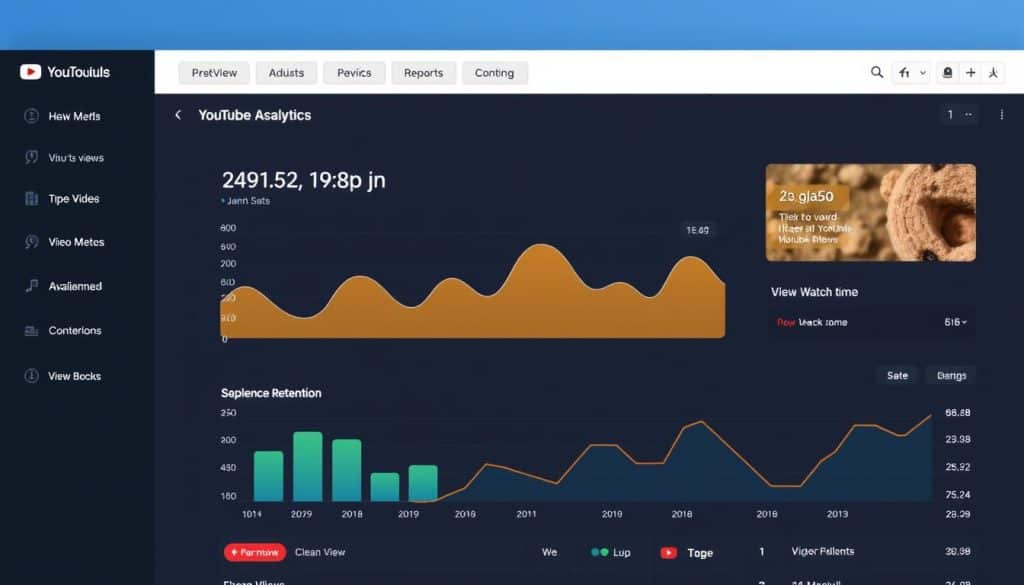
YouTube Analytics offers a wealth of information about your video’s performance, including view count, watch time, and audience retention. To get the most out of YouTube Analytics, consider using youtube video analytics tools to dive deeper into your video’s metrics.
Social Media Video Metrics
On social media platforms, video metrics can include engagement rates, video views, and click-through rates. Understanding these metrics helps you tailor your content to your audience’s preferences, improving overall video performance.
Website Video Performance Metrics
When it comes to your website, play rate is a crucial metric, indicating the percentage of visitors who start playing your video. Other important metrics include on-page engagement time and how video viewing impacts overall site behavior. These metrics provide insights into how your video content resonates with your audience, helping you optimize video placement and design.
- Website video metrics provide crucial insights into how video content performs within your owned digital properties and contributes to broader site objectives.
- Understanding these metrics helps optimize video placement, design, and calls-to-action to maximize impact within your website experience.
- Integrating video analytics with broader website analytics gives a complete picture of content performance.
Analyzing Video Marketing Data
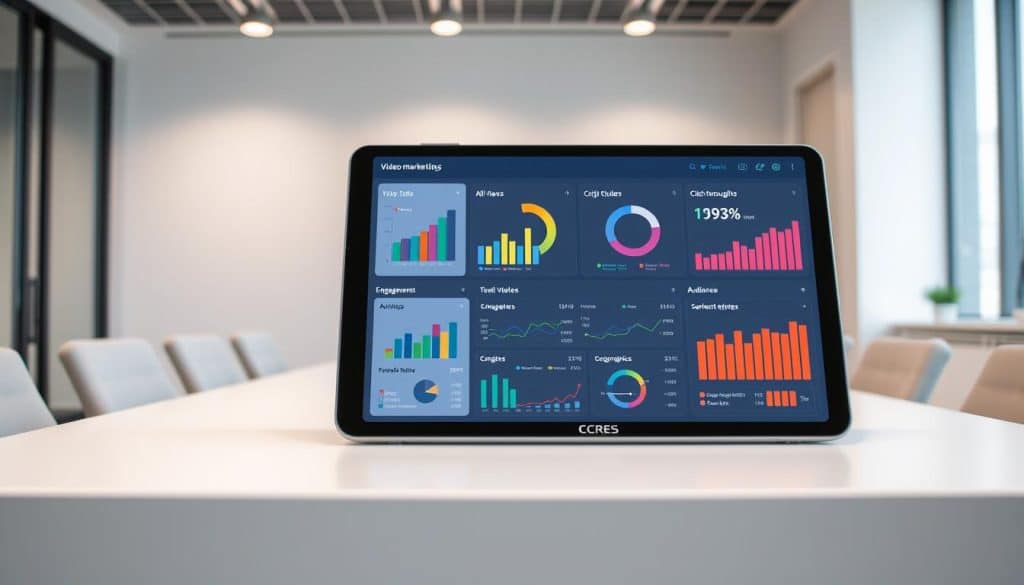
To maximize the impact of your video marketing efforts, it’s essential to dive into the data and uncover key insights. Analyzing video marketing data allows you to understand what works and what doesn’t, enabling you to refine your content strategy for better performance.
Identifying Patterns and Trends
When analyzing your video metrics, look for patterns and trends that can inform your future content decisions. This involves examining your video performance over time, identifying consistent themes or behaviors among your audience, and adjusting your strategy accordingly.
Benchmarking Against Industry Standards
To gauge the effectiveness of your video marketing efforts, it’s crucial to benchmark your performance against industry standards. This comparison helps you understand where you stand relative to your competitors and identify areas for improvement in your analytics approach.
Creating Actionable Insights
The ultimate goal of analyzing video marketing data is to create actionable insights that drive meaningful change. By interpreting your metrics and understanding their implications, you can develop targeted strategies to enhance your video performance and achieve your marketing objectives.
Video Analytics Tools and Software
In the realm of video marketing, analytics tools are the key to unlocking data-driven decisions.
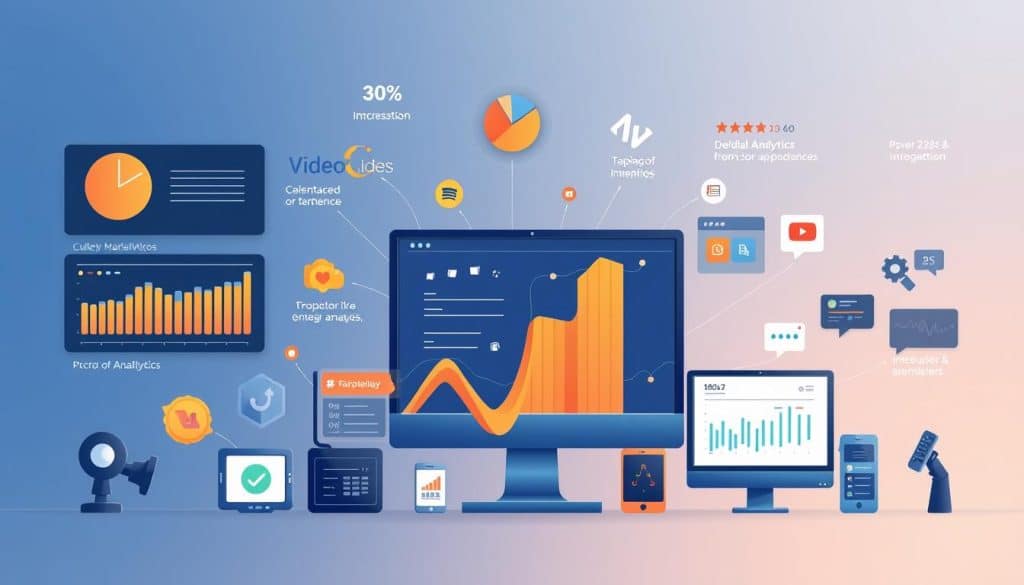
To effectively measure and analyze video performance, marketers can choose from a variety of analytics tools. These tools range from free platforms that offer basic insights to premium solutions that provide in-depth analysis and advanced features.
Free Analytics Platforms
Free analytics platforms are a great starting point for businesses looking to understand their video performance without a significant upfront investment. Tools like YouTube Analytics offer valuable insights into view count, engagement, and audience retention. Google Analytics also provides a free solution for tracking video performance on your website, especially when used in conjunction with Google Tag Manager, which allows for the implementation of tracking codes and event triggers to monitor actions within your videos.
Premium Analytics Solutions
For more advanced needs, premium analytics solutions offer comprehensive data analysis, detailed reporting, and customizable dashboards. These platforms can provide deeper insights into viewer behavior, conversion rates, and ROI. Examples include specialized video marketing platforms that integrate with various distribution channels, offering a unified view of video performance across different platforms.
Integrating Analytics Across Platforms
Integrating video analytics across multiple platforms is crucial for a unified measurement approach. By connecting data from different video platforms, social channels, and website analytics, businesses can create cohesive reporting dashboards. This holistic approach ensures that marketers capture the full impact of their video content across all distribution channels and touchpoints. Tools like Google Tag Manager, API connections, and data visualization platforms play a key role in creating integrated measurement ecosystems.
Strategies to Improve Your Video Marketing Metrics
To maximize the impact of your video marketing efforts, it’s crucial to implement strategies that improve your video marketing metrics. Experimentation is key to success with video marketing, and today, 31% of businesses are relying on A/B testing to compare video elements.
Optimizing Video Content Based on Data
Analyzing your video performance data is essential to identify areas for improvement. By understanding how your audience interacts with your content, you can refine your video strategy to better resonate with them.
- Identify patterns and trends in your video metrics
- Adjust your content strategy based on audience retention and engagement
- Use data to inform decisions about future video content
Enhancing Video Production Quality
High-quality video production is vital for capturing and maintaining audience attention. Investing in better equipment and editing can significantly improve your video performance and viewer engagement.
Improving Thumbnails and Video Descriptions
Your video thumbnail and description are critical in determining whether viewers will click on your video. Crafting compelling thumbnails and descriptions can boost your click-through rates and overall video visibility.
A/B Testing for Better Performance
A/B testing provides empirical evidence about what works with your specific audience, removing guesswork from your video optimization strategy. According to Wistia’s findings, more than a quarter of the businesses surveyed (26%) are using A/B testing to find the best placement or wording of video CTAs or lead forms. For more insights on measuring video marketing success, visit Forbes.
By implementing these strategies, you can create a culture of continuous improvement that steadily enhances performance across all your video metrics.
Advanced Video Metrics for Marketing Professionals
Advanced video metrics offer a nuanced view of our marketing performance, allowing us to refine our strategies and improve ROI. These sophisticated analytics provide a deeper understanding of our audience and their behavior.
Audience Demographics and Behavior Analysis
Analyzing viewer demographics and behavior helps us tailor our content to their needs. By understanding who our audience is and how they interact with our videos, we can create more targeted and effective marketing campaigns.
ROI and Attribution Modeling
To measure the true impact of our video marketing efforts, we need to track rates of conversion and attribute them to our video content. This involves setting up attribution models that accurately credit video’s role in the customer journey, allowing us to optimize our budget allocation and maximize ROI.
Conclusion: Turning Video Metrics into Marketing Success
With the insights gained from this guide, you’re now equipped to transform your video marketing efforts into a data-driven powerhouse. Effective video measurement isn’t about collecting data; it’s about creating a continuous improvement cycle that enhances marketing performance. We’ve guided you through essential video marketing metrics that matter at each stage of the viewer journey.
By implementing the frameworks outlined in this guide, you’ll transform your video marketing from a creative guessing game into a data-driven engine for business growth. For more detailed information on video marketing metrics, explore our comprehensive resources. Remember, the ultimate goal is creating video content that resonates with viewers and drives meaningful business results.
FAQ
What are the most important video performance indicators to track?
We recommend monitoring view count, engagement rates, and completion rates to gauge the effectiveness of your video content and identify areas for improvement.
How do I measure the success of my video campaigns?
To evaluate the success of your video campaigns, we suggest tracking click-through rates (CTR), conversion rates, and return on investment (ROI) to determine their impact on your business objectives.
What is the ideal length for a video to maximize audience retention?
The optimal video length varies depending on the content and platform, but we generally find that videos between 2-3 minutes tend to have higher audience retention rates.
How can I improve my video’s click-through rate?
To boost your CTR, we advise creating attention-grabbing thumbnails, crafting compelling video descriptions, and optimizing your video titles to entice viewers to click and watch.
What are some effective ways to analyze video data and gain actionable insights?
We recommend using analytics tools to track your video performance, identifying patterns and trends in your data, and benchmarking against industry standards to inform your video strategy.
Can you suggest some free video analytics platforms?
Yes, we suggest utilizing YouTube Analytics and other free analytics platforms to gain insights into your video performance and audience behavior.
How often should I review and adjust my video marketing strategy?
We recommend regularly reviewing your video performance data and adjusting your strategy accordingly to ensure you’re meeting your business objectives and maximizing your ROI.